Summary: Easter 2026 arrives from April 2nd to 5th, and codfish once again takes center stage at the table. In this guide, you will find 15 recipes — from classic Lent stew and fritters to lesser-known preparations like Manchego atascaburras or Soldaditos de Pavia — with links to each detailed recipe, a complete shopping list for 6 people, and everything you need to know to place your order in time and receive it at home before the holidays.
Table of Contents
Why cod is the king of Easter
It's no coincidence or whim. Cod has been the central ingredient of Lenten cuisine in Spain and much of the Catholic world for centuries. The explanation has practical and religious roots that are fascinatingly intertwined.
For centuries, the Church established days of abstinence from meat — especially Good Friday and all Fridays of Lent. In that context, salted cod had an enormous advantage over any other fish: it could be preserved for months without refrigeration, transported inland, and was accessible to all social classes. While fresh fish was a luxury reserved for coastal areas and those who could afford it, salted cod reached Castile, Aragon, Extremadura. Every corner of the peninsula.
This democratization of fish generated an extraordinarily rich culinary tradition. Each region developed its own Lenten recipes: chickpea stew in Castile, cod a la Vizcaína in the Basque Country, esqueixada in Catalonia, soldaditos de Pavia in Andalusia, atascaburras in La Mancha. The same ingredient, dozens of interpretations.
Today, religious abstinence is no longer the reason we cook cod during Easter. We do it because it's tradition, because quality cod — properly desalted, carefully cooked — is one of the great pleasures of Spanish gastronomy. And because there are Lenten recipes that simply have no equivalent at any other time of the year.
At Mercat del Ninot in Barcelona, we have been working with cod since 1990. We know that the difference between a mediocre recipe and a memorable one always starts at the same point: the quality of the raw material. Well-cured, properly desalted cod opens up a possibility that low-quality cod simply doesn't offer.
With that in mind, here are 15 recipes to make Easter 2026 (April 2-5) memorable at your table.
Easter appetizers with cod
Appetizers set the tone for a meal. During Easter, where after-dinner conversations extend and the table is as much a social act as a gastronomic one, it's worth paying attention to them. These four are classics that always work — and that you can prepare in advance to avoid stress on the day of the meal.
1. Fluffy cod fritters
Fritters are, possibly, the most universal Easter appetizer in Spanish cuisine. They are made in Catalonia, in the Basque Country, in Madrid, throughout the peninsula — and each family has "its" recipe. The secret to good fritters is not in the batter: it's in the cod. Well-desalted cod, finely shredded, integrated with the batter so that each bite has a real presence of fish.
The batter should be light, almost airy. The frying point is critical: oil at 180 degrees, no more, so that the outside is golden and the inside cooks without absorbing grease. A well-made fritter should not leave an oil stain on the paper.
If you want to save yourself work, our desalted cod fritter dough ready to fry allows you to have the fritters on the table in less than 20 minutes. No desalting, no batter preparation, no complications.
See complete recipe for cod fritters with tips for making them fluffy
2. Homemade and creamy cod croquettes
Cod croquettes are another classic that gains popularity during Easter. Unlike ham croquettes — omnipresent the rest of the year — cod croquettes have their own identity: a deep marine flavor, a somewhat denser texture if done well, and a surprising ability to concentrate the fish flavor for those who try them for the first time.
The key is in the béchamel: it has to be dense, not a lump. And in resting: a croquette dough that hasn't rested for at least 4 hours won't work well. Many cooks prepare them the day before, and they do it right.
For those who prefer not to make the dough from scratch, our raw desalted cod croquettes are ready to fry directly. Made with cod from Mercat del Ninot, homemade béchamel, no preservatives.
See complete recipe for homemade and creamy cod croquettes
3. Gildas with anchovy: the perfect pintxo
The gilda is not exactly a cod recipe — the star here is the anchovy — but it is so essential on any Easter table that it would be a mistake to omit it. An anchovy pintxo in oil, green olive, and chili. Three ingredients, zero complications, extraordinary result.
The secret, as always, lies in the quality of the anchovy. A well-cured Cantabrian anchovy, with a firm texture and the right amount of salt, transforms a gilda from merely acceptable to something memorable. A low-quality anchovy — soft, excessively salty, without nuance — ruins the concept.
See complete recipe for gildas with anchovy and variations
4. Cod salad with orange
A Mediterranean classic that works especially well as a light first appetizer before more substantial dishes. Desalted raw cod — shredded or in thin pieces — with juice orange, black olives, red onion, and a drizzle of olive oil. Fresh, bright, simple.
This salad does not require cooking: the cod is partially "cooked" in the acid of the orange during resting. It is important to use top-quality cod because it will be eaten practically raw — there is no cooking process to correct defects.
See 5 cod salad recipes for all year round
Place your order before March 28th to receive it in time for Easter 2026 (April 2-5). Refrigerated shipping in 24-48h to all of Spain from Mercat del Ninot, Barcelona.
Lenten first courses
Lenten first courses have something special: they usually are the dishes with the most history. The chickpea stew, saffron soup, Catalan esqueixada. Recipes that in many homes are only made during Easter and, precisely for that reason, have an enormous evocative power.
5. Lent stew with cod and chickpeas
Lent stew is the quintessential Easter dish in much of Spain. Chickpeas, spinach, cod, an onion and tomato sofrito, paprika, and the touch of hard-boiled egg at the end that grandmothers know so well. A spoon dish that in the right hands can be extraordinary.
There are two main versions: one that includes spinach and one that doesn't. The classic Castilian version includes spinach — they provide color, texture, and a vegetable counterpoint that balances the richness of the chickpea. The cod is added at the end, already desalted and shredded, so that it doesn't overcook and maintains its texture.
A detail that makes a difference: the sofrito. Making it slowly, with well-poached onion until it's almost caramelized, with the paprika incorporated off the heat so it doesn't become bitter. This sofrito is the flavor base of the entire stew.
See complete recipe for cod stew with chickpeas and spinach
6. Cod soup with saffron
Cod soup with saffron is a more subtle dish than the stew, more elegant. The broth acquires a beautiful golden color thanks to the saffron — which must be in strands, never powdered — and the cod provides the marine background that unites everything. With some fried bread cubes or thin noodles, it's a first-class first course.
The basis for the success of this soup is a good cod fumet made with the bones and skins from desalting. If you buy already desalted cod loin, you won't have the bones; in that case, a conventional white fish fumet is the alternative.
See complete recipe for cod soup with saffron
7. Esqueixada de bacallà
Esqueixada is the great Catalan contribution to the repertoire of raw cod dishes. The name comes from the verb "esqueixar" — to tear — because the cod is shredded by hand, into irregular strips, never with a knife. This broken texture, with its visible fibers, is an essential part of the dish.
It is mixed with diced fresh tomato, green and red pepper, black olives, and a light vinaigrette. The mixture rests for at least an hour before serving so that the flavors integrate. It is a summer dish par excellence in Catalonia, but at Easter, it makes perfect sense as an appetizer or light first course.
For esqueixada, it is essential to use maximum quality cod: it is raw, with no cooking process to soften defects. The cod from Mercat del Ninot, properly desalted, is ideal for this preparation.
See complete recipe for esqueixada de bacallà
Cod main courses for Easter
The main courses are the heart of the Easter meal. This is where the quality of the cod is most noticeable, where cooking techniques make a difference, and where each Spanish region shows its gastronomic personality.
8. Cod in green sauce with clams
Basque green sauce is one of the great sauces in Spanish cuisine. Olive oil, garlic, parsley, fumet, and the collagen from the cod integrate into the cooking liquid, creating that unique, slightly gelatinous emulsion that envelops each piece of fish. Clams are the ideal complement: they add additional marine flavor and a touch of salt that balances the whole.
The technique is important: the constant movement of the pan — the "vaiven" — that allows the cod's collagen to emulsify with the oil and fumet is fundamental. Without that movement, the sauce separates, and the result is completely different.
It is an impressive dish but not particularly difficult once the technique is understood. Ideal for Good Friday.
See complete recipe for cod in green sauce with clams
9. Baked cod with potatoes
Baked cod with potatoes is the most reproduced Easter main course in Spain, and with good reason: it's accessible, allows for infinite variations, can be prepared in large quantities without complication, and the oven does most of the work.
The base is always the same: a bed of thinly sliced potatoes — cooked in the oven with onion, garlic, and oil — over which the cod loin is placed. The combination of the cod juices with the potatoes during baking creates a depth of flavor that has no equivalent.
The key point is not to overcook the cod. At 180 degrees, a medium-thick loin needs between 12 and 15 minutes. Any longer and the cod loses texture, becoming dry and fibrous.
See complete recipe for baked cod with potatoes
10. Cod confit in olive oil
Confit is the most modern technique included in this list, and the one that best highlights the quality of cod. It consists of cooking the fish submerged in olive oil at a low temperature — between 60 and 70 degrees — for a prolonged period. The result is an extraordinarily juicy cod, with the gelatin intact, that melts on the plate with an almost silky texture.
It is not a difficult technique, but it requires a kitchen thermometer and patience. The oil should not exceed 70 degrees at any time — if it boils, the cod overcooks and loses all its effect. At 65 degrees, with 20-25 minutes of cooking, the result is spectacular.
For confit, the quality of the cod makes the biggest difference. A top-quality loin, properly desalted, confited in good extra virgin olive oil, is a dish that needs nothing else.
See complete recipe for cod confit with low-temperature technique
11. Bacalao a la Vizcaína
An absolute classic from the Basque Country that has conquered all of Spain. Vizcaína sauce is made with choricero peppers — not paprika or fresh peppers — which are rehydrated, scraped, and form a dense, deep red sauce with a characteristic sweetness that contrasts with the cod.
It's an elaborate dish, we're not going to sugarcoat it. Choricero peppers need to be hydrated for hours, the sofrito requires time and attention. But the result — that pearly cod over the dark red sauce — completely justifies the effort. It is one of the most visually and gastronomically impressive Easter dishes.
See complete recipe for authentic Bacalao a la Vizcaína
12. Crispy battered cod
Not everything has to be elaborate. Battered cod — well-made — is one of the most direct pleasures of Spanish cuisine. The key is in the oil temperature (180 degrees), the thickness of the batter (thin, never a thick crust), and, above all, the quality of the cod.
A thick-loined, well-desalted cod, battered with flour and egg and fried in clean oil at the correct temperature: crispy exterior, juicy and pearly interior. Eating it freshly made, without waiting, is essential — the batter loses its texture over time.
See complete recipe for crispy battered cod
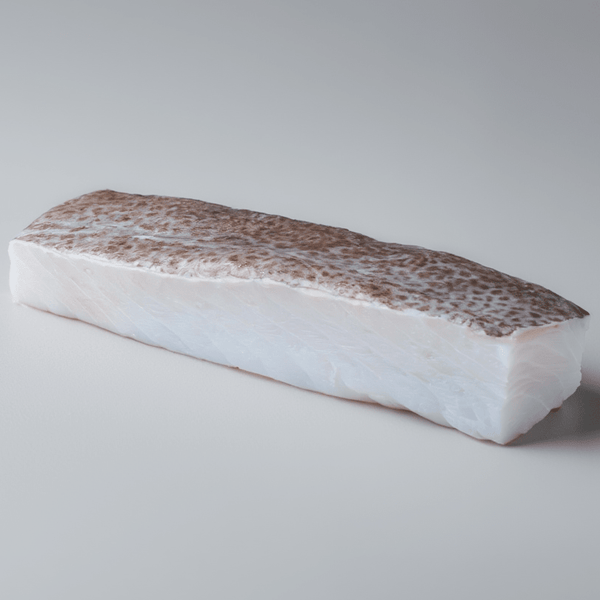
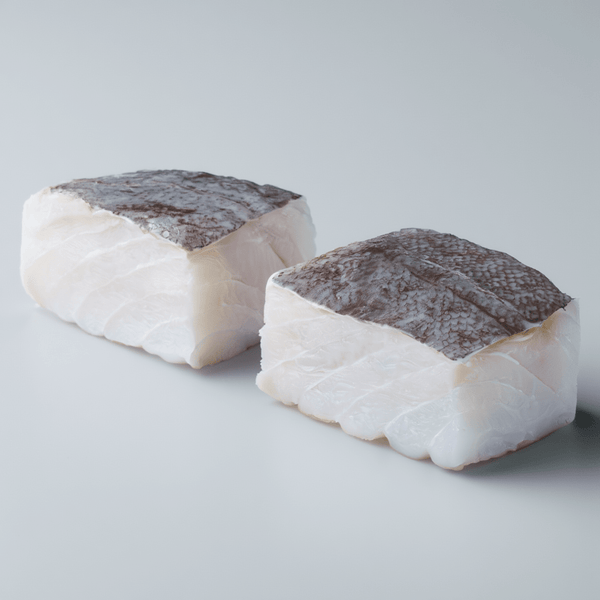
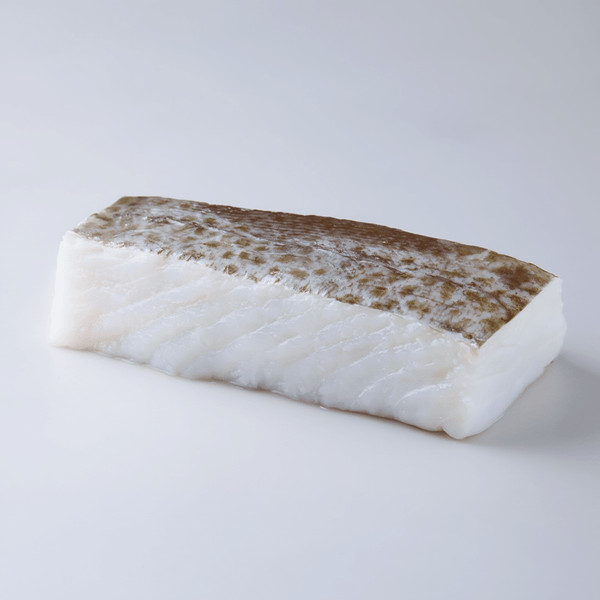
Desalted cod ready to cook — shipping throughout Spain in 24-48h. Small loins, whole loins, flakes for stew or croquettes. From Mercat del Ninot in Barcelona, since 1990.
Buy desalted cod for Easter 2026 — Place your order before March 28th to receive it in time.
Surprise dishes: lesser-known but essential recipes
These three recipes are the ones that most surprise those who don't know them. Less universal than stew or baked cod, they have a personality of their own that makes them especially interesting if you want to go beyond the usual Easter repertoire.
13. Bacalao a la llauna (Catalan recipe)
La llauna is a traditional Catalan cooking technique that takes its name from the tin tray — "llauna" — in which it was originally prepared in the neighborhood bread oven. Cod is placed on the tray with garlic, sweet paprika, and olive oil, and baked at high temperature until the skin is crispy and the flesh juicy.
It is a radically simple dish that can surprise with its flavor. The slightly toasted paprika on the cod in the oven gives it a characteristic aroma that is difficult to describe and easy to remember. In Barcelona, it is a classic of "cuina casolana" — home cooking — that in many families is prepared specifically during Lent and Easter.
See complete recipe for bacalao a la llauna
14. Soldaditos de Pavia (Andalusian recipe)
Soldaditos de Pavia are the Andalusian version of battered cod, but with a very distinct identity of their own. The name comes, according to history, from the saffron-yellow color of the batter — which evoked the uniforms of Charles III's army at the Battle of Pavia. The dough is flavored with saffron, which gives it that intense golden color and a flavor that distinguishes them completely from conventional batter.
They are typical of Seville and Cadiz, where they are served as a tapa during Easter. Small, bite-sized, with a glass of manzanilla: it's hard to imagine a more genuinely Spanish combination.
See complete recipe for Soldaditos de Pavia
15. Manchego Atascaburras
Atascaburras is one of the most curious dishes of Spanish Lenten cuisine. Originating from La Mancha, it is a kind of rustic brandade: mashed cooked potato with shredded cod, garlic, olive oil, and walnuts. It is served warm or at room temperature, topped with chopped hard-boiled egg.
The name refers, humorously, to its ability to "ataburrar" — satisfy until full — whoever eats it. It is a hearty dish, with an intense flavor and a dense texture that not everyone likes the first time but definitively conquers on the second. In the Manchego regions, it is as traditional for Easter as stew is in the center of the peninsula.
It is also a dish that allows for variations: more or less garlic according to taste, with generous extra virgin olive oil, with toasted walnuts for a touch of texture. The cod brandade that we prepare at Bacalalo is a more refined version of the same concept — ideal as a base or as a quick alternative.
See complete recipe for Manchego Atascaburras
Easter desserts: torrijas to finish the meal
The quintessential Easter dessert is not cod — it's torrija. Day-old bread soaked in milk or wine, battered in egg, fried in oil, and sprinkled with sugar and cinnamon. A dessert of humble origin that in recent years has experienced a kind of gourmet renaissance, with versions in all upscale restaurants.
Wine torrijas — a classic version in many parts of Castile — have a more complex flavor than milk torrijas, with that vinous nuance that distinguishes them. With a sweet wine like muscatel or a sherry, the result is extraordinary.
If you have the complete Easter menu in mind — starters, first courses, main courses, and dessert — in our article on the complete Easter menu with cod you will find pairing suggestions and timing organization so that everything goes well.
Easter shopping list (6 people)
Organizing purchases in advance is the difference between a relaxed Easter and a stressful one. This list is designed to prepare a representative selection of the previous recipes — not all at once, obviously — for 6 people throughout the holidays.
| Ingredient | Quantity for 6 people | For which recipe |
|---|---|---|
| Desalted cod loin | 1.5 kg | Green sauce, baked, confit |
| Desalted cod flakes | 600 g | Stew, fritters, croquettes, atascaburras |
| Anchovies in oil | 2 cans (100 g each) | Gildas, salad |
| Chickpeas (cooked or dried) | 600 g cooked / 250 g dried | Lent stew |
| Fresh spinach | 400 g | Lent stew |
| Potatoes | 1.5 kg | Baked cod, atascaburras |
| Clams | 500 g | Cod in green sauce |
| Choricero peppers (dried) | 8 units | Bacalao a la Vizcaína |
| Onion | 6 medium units | Various dishes |
| Garlic | 2 heads | Various dishes |
| Ripe tomato | 1 kg | Stew, esqueixada, vizcaína |
| Red and green pepper | 2 of each | Esqueixada, stew |
| Extra virgin olive oil | 1 liter | Confit, frying, sofritos |
| Sweet and spicy paprika | 1 jar of each | Stew, llauna, soldaditos |
| Saffron threads | 2 sachets | Cod soup, Soldaditos de Pavia |
| Fresh parsley | 2 bunches | Green sauce, various |
| Eggs | 1 dozen | Fritters, croquettes, batter, atascaburras |
| Flour | 500 g | Fritters, croquettes, batter |
| Whole milk | 1 liter | Croquettes |
| Orange | 4 units | Cod salad |
| Green and black olives | 200 g of each | Gildas, esqueixada, salad |
| Pickled chilies | 1 jar | Gildas |
| Walnuts | 100 g | Atascaburras |
| Day-old bread | 1 baguette | Soup, atascaburras |
Note on cod: if you buy salted cod loin instead of desalted, you will need to add 24-48 hours of desalting in cold water (changing the water every 8 hours and keeping it in the fridge). If you buy already desalted cod — like the one we sell at Bacalalo — you can cook directly. A detail that greatly simplifies organization during Easter.
How to organize online shopping with refrigerated delivery
Buying cod online for Easter requires planning. Not because it's complicated — the process is simple — but because of the dates: demand skyrockets in the days leading up to Easter and delivery times can lengthen if left until the last minute.
The sooner the better. For Easter 2026 (April 2-5), we recommend placing your order before March 28th. This guarantees delivery before the start of the holidays with enough margin for desalting if you buy salted, or for organizing the fridge if you buy desalted.
Refrigerated shipping in 24-48h. All Bacalalo cod is shipped in isothermal packaging with cooling gel to maintain the cold chain during transport. Desalted cod arrives ready to cook; salted cod, perfectly preserved.
What to order. For the recipes in this guide, the most versatile combination is:
- Desalted cod loin: for individual presentation dishes (baked, confit, green sauce, vizcaína)
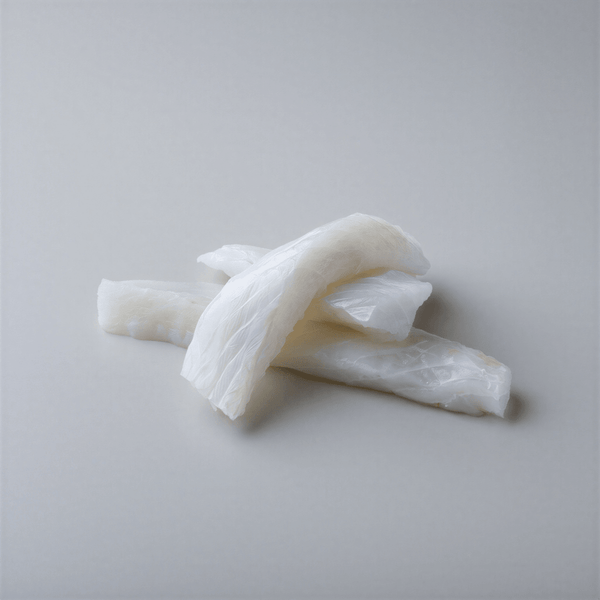
- Cod flakes or shredded desalted cod: for stew, fritters, croquettes, esqueixada, and atascaburras
- Prepared options: ready-made fritter dough, raw croquettes ready to fry or cod brandade for those who want quality without the preparation time
Prepared dishes for those who don't have time. If Easter is packed with commitments and you can't spend hours in the kitchen, our prepared dishes section has options that don't compromise on quality. Heat and serve — with cod from Mercat del Ninot, with 35 years of experience behind it.
Easter 2026 is from April 2nd to 5th. Place your order before March 28th to receive it on time. Refrigerated shipping in 24-48h to all of Spain from Mercat del Ninot, Barcelona.
Frequently asked questions about cod for Easter
How much cod do I need per person for Easter?
As a general rule, calculate between 180 and 220 grams of desalted cod per person for a main course. For an appetizer or for recipes where cod is integrated into other ingredients (stew, croquettes, fritters), 80-100 grams per person are sufficient. For an Easter meal with several cod dishes, a total of 300-350 grams of desalted cod per person (divided among different preparations) is a reasonable estimate.
How long does it take to desalt salted cod?
It depends on the thickness of the cut. Thick loins (more than 3 cm) need 48 hours of desalting in cold water, changing the water every 8 hours and keeping it in the fridge. Flakes or fine shredded cod can be desalted in 24 hours. The correct salt point is subjective, but a practical reference: taste a small piece before cooking. It should taste like the sea, not just salt. If you buy already desalted cod from Bacalalo, you can cook directly.
What is the difference between desalted cod and fresh cod?
They are different products with different results in cooking. Salted cod — cured with salt for weeks — has a firmer texture and a more intense and concentrated flavor. The salting process is not just a preservation technique: it chemically transforms the fish, developing flavors that fresh cod does not have. For classic Easter recipes — stew, green sauce, vizcaína — salted cod (properly desalted) is the right ingredient. Fresh cod is a different product with distinct applications.
Can desalted cod be frozen?
Yes, desalted cod can be frozen without problems. If you buy in advance and are not going to cook it before Easter, you can freeze it and thaw it in the fridge 24 hours before cooking. The texture may be slightly affected, but the result will still be very good for most preparations.
Which cod recipe is easiest for someone who has never cooked cod?
Baked cod with potatoes is probably the most accessible recipe. It requires few ingredients, the technique is basic, and the margin for error is wide. Fritters and croquettes require a bit more technique (frying, dough). Stew is very forgiving but has more steps. For a first attempt with cod, baking is the safest option.
How can I prevent cod from drying out when baking?
Three keys: not excessive temperature (180 degrees, no more), cooking time adjusted to the thickness of the loin (12-15 minutes for a medium-thick loin, never more than 18), and enough moisture in the pan (the oil from the potatoes and the fish juices are sufficient, but if you see it drying out, a splash of white wine or fish fumet helps). The cod is ready when the flakes separate easily with a fork and the inside is no longer translucent.
Can I prepare Lent stew the day before?
Yes, and it actually improves with resting. The only necessary adjustment: add the cod when heating, do not leave it in the stew overnight. Overcooked cod falls apart and loses texture. Heat the chickpea and spinach stew, add the shredded cod when the liquid is hot, and leave it for 5-8 minutes. It will be perfect.
Do you offer refrigerated shipping throughout Spain?
Yes. We ship to the entire Iberian Peninsula with isothermal packaging and cooling gel to maintain the cold chain during transport. Delivery time is 24-48 working hours. For Easter 2026 (April 2-5), we recommend placing your order before March 28th to ensure timely delivery. In the Canary Islands, Balearic Islands, Ceuta, and Melilla, times may vary — please check availability when placing your order.
What type of cod is best for confit?
For confit, the loin is the ideal cut: it has the thickness and regularity necessary for uniform low-temperature cooking. The cod must be completely desalted — an excess of salt during confit is impossible to correct — and the quality of the raw material is critical because the confit technique does not hide defects, it highlights them. A thick-loined cod, of good origin (Iceland or Norway are the best areas), properly desalted, is what we look for in this preparation.
For any questions about our products or orders for Easter, you can contact us directly. At Mercat del Ninot, we have been helping customers choose the right cod for each recipe since 1990.