Summary: Bacallà a la llauna is, without a doubt, one of the most representative dishes of Barcelona's cuisine. Simple to the point of elegance, direct to the point of robustness: desalted cod, olive oil, garlic, paprika, and nothing else. The "llauna" —the tinplate can that gives the dish its name— is the metal container in which this dish was traditionally made in the oven or directly over embers.
In the bars and taverns of the Born, Poble Sec, or Barceloneta neighborhoods, bacallà a la llauna has been, for decades, the most honest way to serve cod: without sauces to hide it, without ingredients to complicate it. Just the cod in its essence, enhanced by garlic and paprika.
At Bacalalo, we have been selecting cod at Barcelona's Mercat del Ninot since 1990. Generations of Barcelonians have bought cod here for their Sunday llauna. Here you have the complete recipe, with the history of the dish, the tricks that make a difference, and the most interesting variations.
What is "Llauna" and Why Does it Give the Dish its Name?
"Llauna" in Catalan literally means tinplate can. The name of the dish comes from the container: a metal tray with low sides, similar to industrial cans, in which the cod was roasted. In the workshops and humble homes of the 19th and early 20th centuries, the llauna was a cheap and sturdy container that went directly over the fire or into the oven. The cod, with a little oil and garlic, was cooked in the llauna without complications.
Over time, "llauna" became the name of the dish regardless of the container. Today it is made in a clay, ceramic, or metal baking dish, but the name and essence remain.
Bacallà a la llauna is also mentioned in some 18th-century texts in Barcelona, making it one of the oldest documented dishes in Barcelona's cuisine. Its popularity among the city's working classes —salted cod was "the poor man's steak"— turned it into a symbol of honest and unpretentious cooking.
Ingredients for Bacallà a la Llauna (4 people)
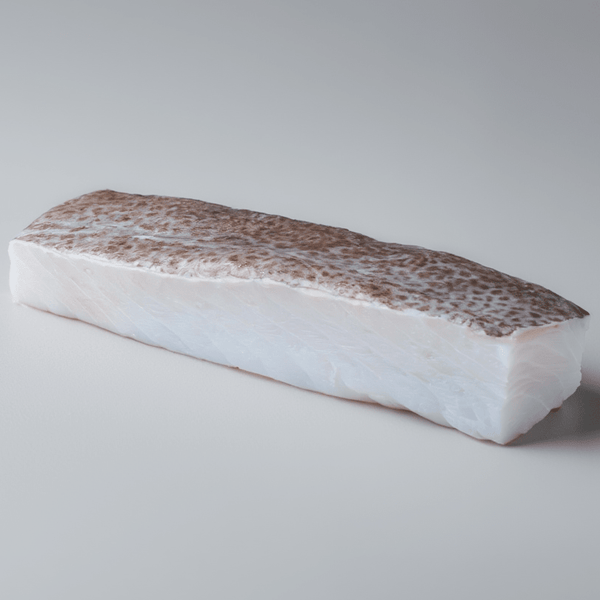
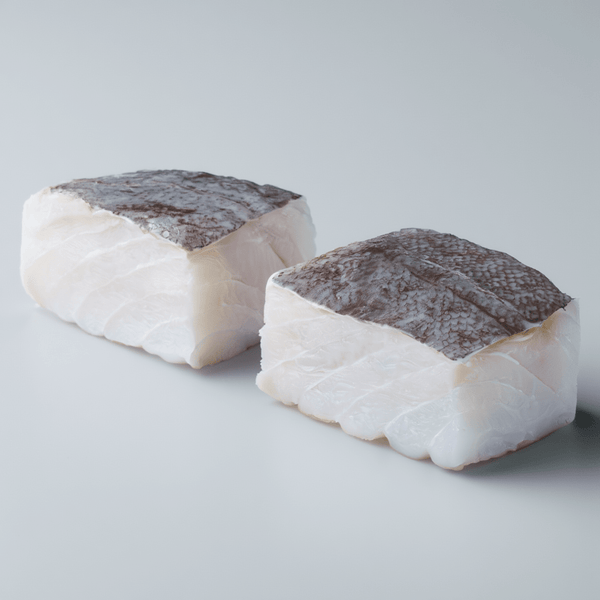
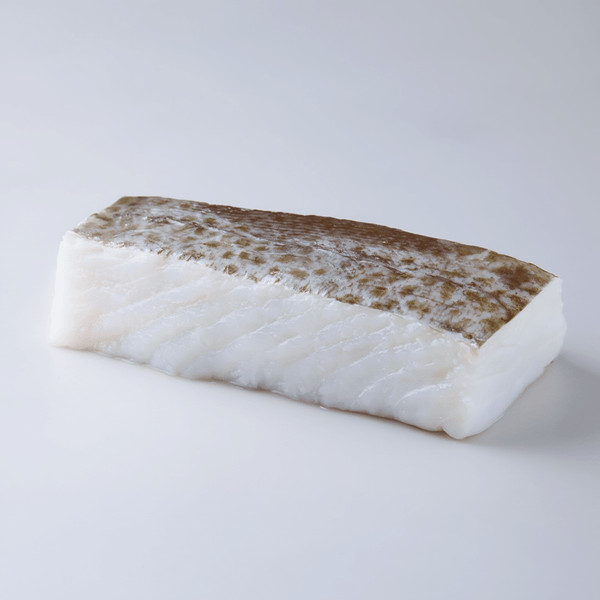
Essential:- 800 g desalted cod loins (preferably with skin)
- 5-6 cloves of garlic
- 2-3 tablespoons sweet La Vera paprika
- Extra virgin olive oil (generous amount)
- Wheat flour (for light dredging)
- Fresh parsley
- Spicy paprika (mix 3 sweet : 1 spicy for a hint of heat)
- 1 dried chili pepper
- 1 glass of dry white wine
- Lemon juice to serve
Bacallà a la Llauna Recipe Step by Step
Preparation (30 minutes before)
If you have salted cod, it must be properly desalted. If you buy already desalted cod, like Bacalalo's, start directly from here.
Thoroughly dry the cod loins with kitchen paper. Moisture is the enemy of bacallà a la llauna: if the cod is wet, it steams in its own moisture instead of roasting, and loses that slightly golden crust that characterizes the dish.
Preheat the oven to 200°C with top and bottom heat.
Step 1: Dredge the cod
Pass the cod loins through flour, shaking off the excess well. The flour layer should be very thin —it's not a thick batter like for pil-pil cod, it's barely a veil of flour that will help the oil adhere to the cod and form a light crust.
Some purists don't use flour at all —the cod goes directly into the oil with garlic. Both versions are valid: with flour, the crust is more defined; without flour, the flavor is purer.
Step 2: Brown in the llauna over the heat
Heat the baking dish (or the llauna, or an oven-safe skillet) over the heat with a generous amount of extra virgin olive oil. When the oil is hot, add the crushed or thickly sliced garlic cloves. The garlic should brown slowly —3-4 minutes over medium heat, until golden but not burned.
Place the floured cod loins in the llauna, skin-side down. Fry them over the heat for 2-3 minutes on the skin side, until golden. Do not turn over yet.
Step 3: The paprika
Momentarily remove the llauna from the heat. Generously sprinkle the paprika over the cod and oil. The paprika should not burn —if added directly to very hot oil, it becomes bitter. The trick is to add it off the heat and then return it to the oven immediately.
You can also mix the paprika with the oil in the llauna using a spoon, so it permeates the cod on all sides.
Step 4: Bake
Place the llauna directly into the preheated oven at 200°C. Roast for 12-15 minutes. The cod will be ready when the flesh is completely opaque and begins to flake slightly when touched.
If you want the top crust to be more golden, activate the grill for the last 2-3 minutes.
Step 5: Serve
Serve the bacallà a la llauna directly in the cooking vessel —that is the authentic presentation. Sprinkle chopped parsley on top. If you like, a few drops of lemon when eating.
The juice left in the llauna —oil flavored with garlic, paprika, and cod collagen— is liquid gold. Rustic bread for dipping is essential.
Related Bacalalo Products


Recommended Products

Natural Cod Liver Foie Gras - 120g | Smoked Icelandic Cod Liver
3,90 €

CHATKA Wild King Crab 60% Legs 40% Shredded | L...
95,00 €

Artisanal Smoked Cod Carpaccio | 1 Tray Pack
15,90 €

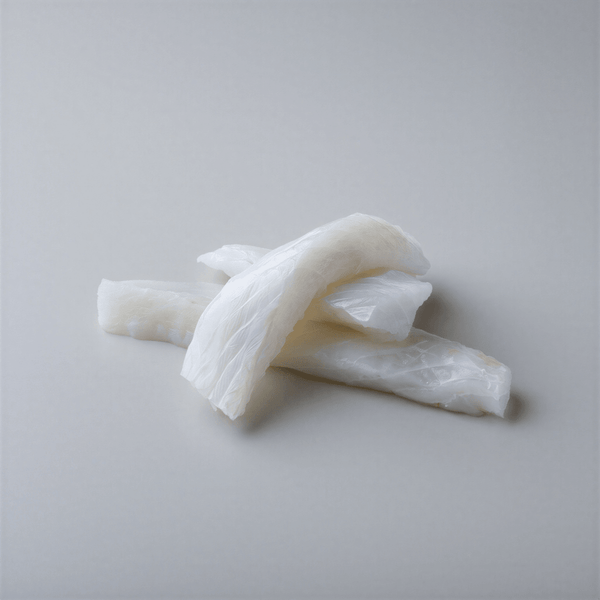
Dried Cod Tongues (1 tray) - 500g
19,95 €
Refrigerated delivery 24-48h to all of mainland Spain
The Tricks That Make a Difference
La Vera paprika, not from another origin. The Extremaduran paprika from La Vera has a characteristic smokiness (the peppers are dried with holm oak wood smoke) which is fundamental to the flavor of bacallà a la llauna. Generic supermarket paprika yields a far inferior result.
Plenty of paprika. Don't be shy. Bacallà a la llauna should be red from paprika. A teaspoon is not enough. Two or three generous tablespoons for 800 g of cod is correct.
The llauna on the stove before the oven. The initial searing over the heat (step 2) creates a crust on the cod skin that will then protect the flakes during baking in the oven. If you go directly to the oven without searing, the cod will be more cooked than roasted.
Very high oven temperature. 200°C is important. At a lower temperature, the cod steams in its own moisture and does not roast. The difference in texture is noticeable.
The cod must be dry. We said it before but it's worth repeating: kitchen paper, dry thoroughly before flouring. Moisture is the enemy.
Don't discard the garlic. The browned garlic cooked with the cod is a prize—eat it with the dish, it's tender, sweet, and tastes of garlic and paprika. Don't set it aside.
History of Bacallà a la Llauna in Barcelona
Cod was for centuries the food of the working classes in Spain. It was fished in the North Atlantic fishing grounds —Newfoundland, Iceland, the North Sea— and arrived dry and salted at markets throughout the Iberian Peninsula. It was cheap, preserved for months without refrigeration, and nutritious. Ideal for difficult times.
In Barcelona, cod definitively entered popular gastronomy with the Atlantic trade of the 16th and 17th centuries. The taverns and workshops of Born, Raval, and Ribera served bacalao in llauna as the dish of the day —economical, quick, and tasty. Catalan olive oil, local garlic, and Extremaduran paprika (which arrived through internal trade) were the accompanying ingredients.
With the industrialization of the 19th century, bacalao in llauna became the dish of textile factory workers in Poble Nou and Sant Martí. Women prepared it in the morning and workers ate it cold (or lukewarm) at midday.
Today, bacallà a la llauna is part of Barcelona's culinary heritage. It appears on the menus of the city's oldest taverns and has been championed by chefs like Ferran Adrià and the Roca brothers as a symbol of Catalan cuisine at its roots.
Variations of Bacallà a la Llauna
Bacallà a la Llauna with Tomato
In some versions of the dish, especially in taverns in Poble Sec and Sant Antoni, a sofrito of tomato and onion is added to the bottom of the llauna before placing the cod. The tomato adds acidity and softens the dish. It is a richer but less pure variation than the original recipe.
Bacallà a la Llauna amb Alls Tendres
In spring, when young garlic shoots (alls tendres) are in season, they are used instead of dried garlic. Young garlic has a milder, more delicate flavor. They are placed whole alongside the cod in the llauna.
Spicy Bacallà a la Llauna
For spice lovers: mix sweet and spicy paprika in a 2:1 ratio, or add a dried chili pepper cut in half along with the garlic. The spice of the paprika plus the chili creates a version with a lot of personality.
With Potatoes
A heartier variation: place a layer of thinly sliced potatoes at the bottom of the llauna, previously sautéed in the same oil with garlic. Place the cod on top and bake. The potatoes absorb the oil with paprika and the cod juices —spectacular result.
Modern Version: Bacallà a la Llauna with Honey
Some contemporary restaurants add a drizzle of honey to the cod just before putting it in the oven. The honey caramelizes and creates a sweet crust that contrasts with the saltiness of the cod and the spiciness of the paprika. It's not the traditional version, but it's interesting.
What to Serve with Bacallà a la Llauna
The Barcelonian tradition is clear: bacallà a la llauna goes with aioli. Authentic Catalan aioli —just garlic and oil, no egg— has the perfect potency and creaminess for dipping with the cod and bread. Aioli with egg (easier to make) also works.
Other options:- Pa de coca or pa de pagès: Crunchy bread is essential for dipping in the paprika oil
- Mongetes (white beans): Iconic Barcelonian dish: bacallà a la llauna with mongetes del ganxet. Each element on its plate, combined on the fork.
- Escalivada: The combination of escalivada and bacallà a la llauna is one of the most classic
- Green salad: To lighten the dish
- Vino de La Terra or a Garnatxa negra: Light Catalan red wines go very well with paprika
The Cod for Llauna: Which Loin to Use
For bacallà a la llauna, the central loin (the thick part) is the most suitable: thicker, with thick skin that withstands the initial searing, and with well-defined flakes that break apart spectacularly on the plate.
The thin loins from the side parts of the cod dry out faster in the oven and do not have the same presence. If you have the option to choose, always ask for the central loin.
At Bacalalo, since 1990 in the Mercat del Ninot, we select Gadus morhua cod loins from the North Atlantic perfect for bacallà a la llauna. See desalted cod loins — ready to cook, no prior desalting needed.
Frequently Asked Questions about Bacallà a la Llauna
Why is it called "a la llauna"?
"Llauna" in Catalan means tinplate can. The dish gets its name from the metallic container with low edges —a kind of sheet metal tray— in which it was cooked in Barcelonian homes and taverns. Today it's made in any baking dish, but the name has stuck.
How long should cod be in the oven?
Between 12 and 15 minutes at 200°C, depending on the thickness of the fillet. For fillets 3-4 cm thick, 12-13 minutes is enough. You'll know it's ready when the flesh is completely opaque and begins to flake when gently touched with a fork.
Can bacallà a la llauna be made only in the oven, without searing it first on the stove?
Yes, although the result is different. Without prior searing on the stove, the cod doesn't have the crispy skin crust and the texture is more uniform. If your ovenproof dish can't go on the stove, go directly to the oven at 210-220°C to compensate with a higher temperature.
Does bacallà a la llauna always contain flour?
No. Flour is optional. With flour, a more defined crust forms and the oil adheres better to the cod. Without flour, the flavor is purer and the dish lighter. Older and more purist versions do not use flour.
Which paprika is best: sweet, smoked, or spicy?
For authentic bacallà a la llauna: sweet La Vera paprika or mixed (half sweet, half smoked). Smoked La Vera is especially interesting because it harks back to old taverns where the dish was made over embers. Spicy is optional, to taste.
Can bacallà a la llauna be eaten cold?
Yes, and it's delicious. Historically, Barcelona workers would take it cold in their lunchboxes to work. Cold, the paprika and garlic intensify, and the cod has a different, denser texture. It's a distinct but equally good experience.
How many calories does bacallà a la llauna have?
Approximately 280-350 kcal per serving, depending on the amount of oil. Cod itself is very lean (less than 1% fat). The calories come from the olive oil. It is a protein-rich, nutritious, and relatively light dish for an oven-baked meal.
Can it be made with frozen cod?
Yes. Defrost in the refrigerator 24 hours beforehand. Pat it very dry with kitchen paper (frozen cod tends to release more water). The result may be slightly inferior to fresh desalted cod, but perfectly acceptable.
Is bacallà a la llauna a Lent dish?
Historically yes — salted cod was the food for periods of fasting and abstinence from meat. But nowadays it's eaten all year round. It's especially popular on Fridays (a day of meat abstinence in the Catholic tradition) and during Holy Week.
Can bacallà a la llauna be made in a frying pan instead of the oven?
Yes, although the result is different (more like a garlic cod with paprika than the oven-baked version). If you make it in a pan: sear the cod skin-side down, add the garlic and paprika, cover, and cook over very low heat for 8-10 minutes. The cod cooks in its own steam. It's good, but it's not the authentic "llauna."