Summary: Atascaburras (also known as ajoarriero manchego or ajo mortero) is one of the most iconic dishes of Castilla-La Mancha cuisine. It is a rustic potato and shredded cod puree, dressed with extra virgin olive oil and topped with peeled walnuts and chopped hard-boiled egg. It is a winter, shepherd's, and Lenten dish, as humble in its ingredients as it is extraordinary in its result.

What is atascaburras?
Atascaburras (also known as ajoarriero manchego or ajo mortero) is one of the most emblematic dishes of Castilla-La Mancha cuisine. It is a rustic potato and shredded cod puree, dressed with extra virgin olive oil and topped with peeled walnuts and chopped hard-boiled egg. It is a winter, shepherd's, and Lenten dish, as humble in its ingredients as it is extraordinary in its result.

The name "atascaburras" has its charm: according to tradition, it was prepared on nights of such intense snowfall that it "stuck the donkeys" (atascaba a las burras) in the roads. The Manchegan shepherds, sheltered in their inns and farmhouses, cooked what they had at hand: dried cod (which kept indefinitely), potatoes, garlic, oil, and walnuts from the nearest tree. From that necessity, a dish was born that is now served in the region's best restaurants.
Atascaburras is a dish that has earned its place in high Manchegan cuisine without losing its rustic essence. At Bacalalo, we consider it one of the best examples of what desalted cod can offer in the hands of Spanish tradition.
Origin and history of atascaburras
Atascaburras has deep roots in the subsistence cuisine of La Mancha. Castilla-La Mancha, far from the sea, historically depended on dried and salted cod as a source of animal protein during the cold months and, especially, during Lent. The cod arrived salted from northern ports (Bilbao, Santander) on muleback along the royal roads.
The dish has been documented since the 18th century in Manchegan recipe books, although its transmission was mostly oral. Each family, each town, each inn had its version. The base is always the same: cooked potato mashed with shredded cod and emulsified with olive oil. Walnuts and hard-boiled egg are the classic garnishes, although in some areas of Albacete, crushed garlic is added in a mortar (hence the alternative name "ajo mortero").
Today, atascaburras is recognized as part of the gastronomic heritage of Castilla-La Mancha and is included in most restaurant menus in the region. In Cuenca, Albacete, and Ciudad Real, every bar has its version, and the competition for the best atascaburras is a source of local pride.
Ingredients for 4 people
- 400 g of desalted cod (flakes or shredded loin)
- 600 g of potatoes (preferably floury, Monalisa or Kennebec type)
- 150 ml of extra virgin olive oil (from La Mancha, ideally)
- 3-4 cloves of garlic
- 3 hard-boiled eggs
- A generous handful of peeled walnuts (80-100 g)
- Salt (in moderation: the cod already provides saltiness)
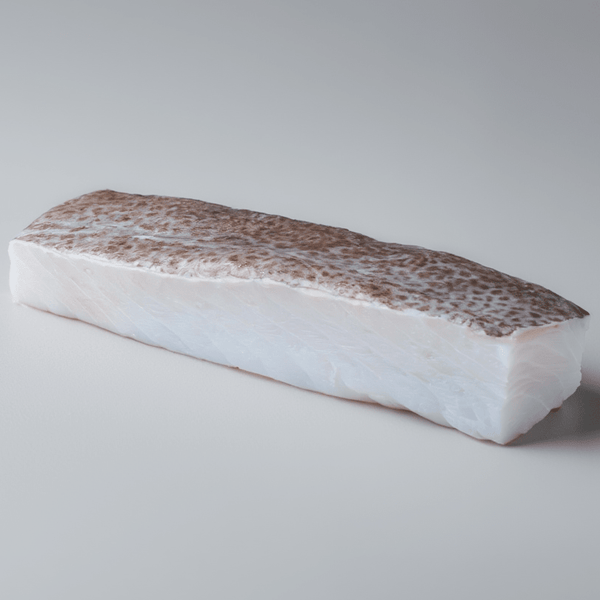
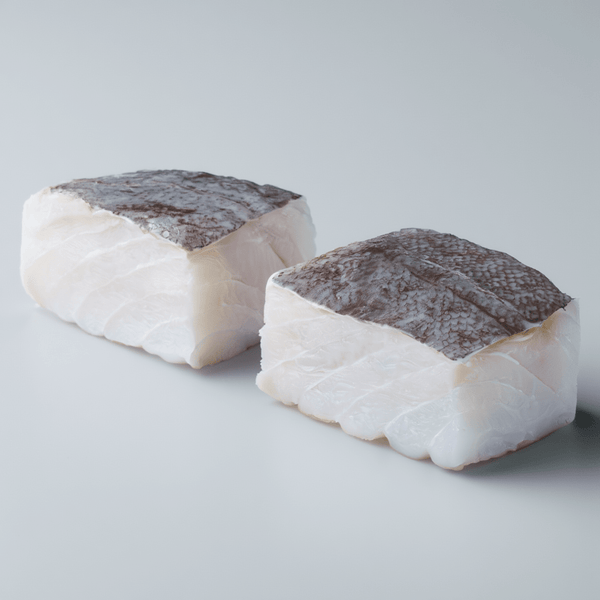
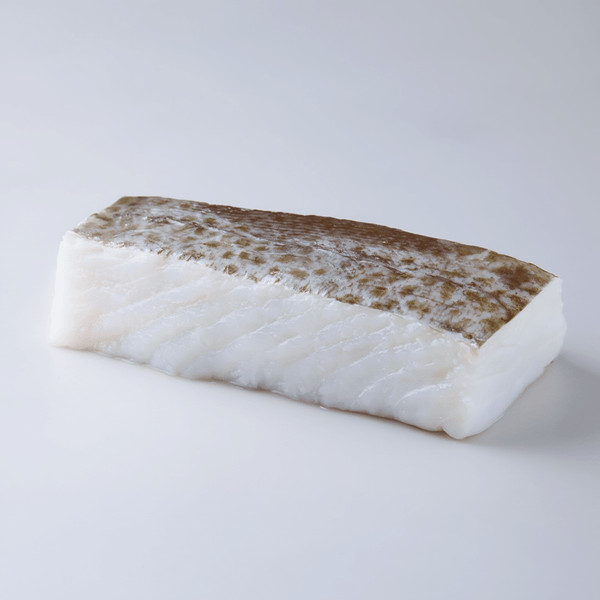
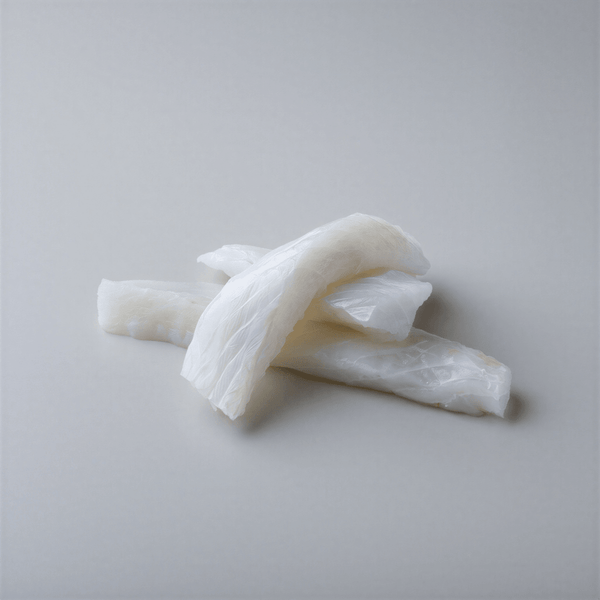
About the cod: cod flakes are perfect for atascaburras because they already come in small pieces that are easily shredded. If you use loin, cut it into pieces and shred it by hand after cooking. The key is to have visible cod strands in the puree, not a uniform mash.

Related Products from Bacalalo


Step-by-step preparation
1. Cook potatoes and cod (25-30 minutes)
Peel the potatoes and cut them into large pieces. Place them in a pot with cold water (without salt) and bring to a boil. When the potatoes have been cooking for 15 minutes, add the desalted cod. Cook everything together for another 10-12 minutes, until the potatoes are tender (yielding when pierced with a knife). Drain and reserve a glass of the cooking water.
2. Prepare the garlic oil (5 minutes)
While the potatoes and cod are cooking, slice the garlic and fry it gently in olive oil over medium-low heat until lightly golden. Remove from heat. Do not let it burn: bitter garlic ruins the dish.
3. Mash and emulsify (10 minutes)
In a large mortar, a wide bowl, or directly in the pot, mash the potatoes with a fork or potato masher. Do not use a blender: we want a rustic texture with chunks, not a fine puree. Shred the cod with your hands and mix it with the potato. Gradually add the oil with the garlic while stirring vigorously. The oil should emulsify with the potato, creating a creamy and smooth texture. If it's too thick, add a little of the reserved cooking water.
4. Assemble and serve
Serve the atascaburras in a large dish or individual plates. Top with the hard-boiled eggs cut into quarters and the peeled walnuts scattered over. A final drizzle of extra virgin olive oil. Serve warm (not hot or cold: the ideal temperature is 40-50 °C).
Tips for perfect atascaburras
- Floury potato: Floury potatoes (Monalisa, Kennebec) absorb oil better and give a creamier texture. Waxy potatoes (new potatoes) become gummy.
- Do not use a blender: A blender makes the potato elastic and sticky due to broken starch. Always mash with a fork, potato masher, or by hand. We want a rustic texture with irregular chunks.
- Emulsify while warm: Add the oil while the potato is still warm. Emulsion forms better when warm. If the potato cools, the oil doesn't integrate and it becomes oily on top.
- Extra virgin olive oil: Oil is one of the three main ingredients. Use the best you have. A La Mancha oil (Cornicabra or Picual) gives it an authentic bitter and spicy touch.
- Quality walnuts: Walnuts provide crunch and an essential flavor contrast. Use fresh, peeled walnuts. If they are rancid, the dish suffers.
- Serve warm: Atascaburras are eaten warm, never too hot or cold from the fridge. At room temperature or slightly warm is when they are at their best.
- The perfect hard-boiled egg: Cook for 10 minutes, cool before cutting. The yolk should be firm but not greenish (a green edge indicates overcooking).
Regional variations
Atascaburras from Cuenca
The Cuenca version usually has more garlic, and sometimes a previous mortar-pounded garlic paste is added and integrated into the mixture. The result is more intense and potent. Some add a spoonful of sweet paprika to the oil.

Atascaburras from Albacete (ajo mortero)
In Albacete, the dish is better known as "ajo mortero" and is literally prepared in a large wooden mortar. The texture is coarser and garlic has a more prominent role. In some versions, cumin is added.
Atascaburras with fried cod
A modern variation: instead of cooking the cod with the potatoes, some pieces of battered cod are fried and placed on top of the puree as a crown. The crispy/creamy contrast is spectacular.
Lenten Atascaburras
The Lenten version is the most austere: just potato, cod, oil, and garlic. No egg or walnuts. The protein comes entirely from the cod. This is the original shepherd's recipe.
Presentation and accompaniments
Atascaburras is traditionally served in an earthenware dish, shared in the center of the table. Each diner serves themselves with a wooden spoon and accompanies it with rustic bread for dipping.

- Bread: the essential accompaniment. Rustic bread with a crust, like Manchegan hogaza.
- Roasted peppers: Piquillo or red roasted peppers on the side add color and a sweet counterpoint.
- Black olives: Campo Real olives (typical of La Mancha) to snack on between bites.
- Wine: a young red wine from La Mancha (Tempranillo or Garnacha) is the perfect pairing. Also a well-chilled Airén white.
Nutritional information
- Calories: 350-400 kcal per serving
- Protein: 22-26 g (cod + egg)
- Fat: 20-24 g (olive oil + walnuts)
- Carbohydrates: 22-26 g (potato)
- Fiber: 2-3 g
Atascaburras is a nutritionally complete dish: protein from cod and egg, complex carbohydrates from potato, healthy fats from olive oil and walnuts (rich in vegetable omega-3), and B vitamins. It is a perfect example of an inland Mediterranean diet.
Storage and reheating
Atascaburras keeps perfectly in the refrigerator for 3-4 days in an airtight container. To reheat, do so over low heat in a pan or casserole, adding a drizzle of extra virgin olive oil to restore creaminess. You can also reheat them in the microwave at medium power for 2-3 minutes, stirring halfway through. Walnuts and hard-boiled egg should always be added just before serving, never before storing, so that the walnuts retain their crunch and the egg doesn't dry out. Surprisingly, leftover atascaburras often taste even better the next day because the flavors of the cod, garlic, and oil have melded overnight in the refrigerator.

Conclusions
- What is atascaburras?: Atascaburras (also known as ajoarriero manchego or ajo mortero) is one of the most emblematic dishes of Castilla-La Mancha cuisine.
- Origin and history of atascaburras: Atascaburras has deep roots in the subsistence cuisine of La Mancha.
- Ingredients for 4 people: About the cod: cod flakes are perfect for atascaburras because they already come in small pieces that are easily shredded.
- Step-by-step preparation: Peel the potatoes and cut them into large pieces.
- Tips for perfect atascaburras: The Cuenca version usually has more garlic and sometimes a previous mortar-pounded garlic paste is added and integrated into the mixture.
Frequently asked questions
What does "atascaburras" mean?
The name comes from Manchegan tradition: it was prepared on nights of such intense snowfall that it "stuck the donkeys" (atascaba a las burras) in the roads. Shepherds cooked it sheltered with the ingredients they had at hand.
Is atascaburras eaten cold or hot?
Warm. The ideal temperature is 40-50 °C. Not too hot (the texture breaks down) nor cold from the fridge (the oil solidifies and becomes greasy). At room temperature or slightly warm. Serve warm: atascaburras are eaten warm, never too hot or cold from the fridge.
What cod should be used for atascaburras?
Cod flakes are ideal because they already come in small pieces. Hand-shredded loin also works. The important thing is to have visible cod strands in the puree. Atascaburras with fried cod A modern variation: instead of cooking the cod with the potatoes, some pieces of battered cod are fried and placed on top of the puree as a crown.
Can they be made without walnuts?
Yes, the original Lenten version does not include walnuts. But walnuts add a crunch and flavor that greatly enhance the dish. If there's an allergy, substitute with pine nuts or toasted almonds.
Can they be prepared in advance?
Yes, they can be prepared the day before and gently reheated. Add a drizzle of olive oil when reheating to restore creaminess. Walnuts and hard-boiled egg are added just before serving.
What is the difference between atascaburras and brandada?
Cod brandade is French (Provençal) and contains more oil, sometimes cream or milk, and is emulsified until it has a very fine, creamy texture. Atascaburras is from La Mancha, more rustic, with mashed potatoes (not fine purée) and is topped with walnuts and hard-boiled egg.
Buy shredded cod for atascaburras at Bacalalo.