

Summary: Brandade de bacalao is a cold or warm emulsion of flaked cod, extra virgin olive oil and, traditionally, not much else. Its name comes from the Occitan and Catalan word brandar, meaning to stir, shake, mix with energy. And that is exactly what defines this preparation: the constant and vigorous movement with which the cod is worked until it absorbs the oil and transforms into a smooth cream.
Brandade de bacalao is one of the most elegant and ancient preparations in Mediterranean cuisine: a silky emulsion of flaked cod and extra virgin olive oil that melts in your mouth. It is not a cream, it is not a purée, it is not a pâté. It is a full-fledged emulsion, built with patience and by hand, where the cod and oil blend into a unique texture unlike anything else.
At Bacalalo, from Mercat del Ninot, since 1990, brandade is part of our DNA. We prepare it daily in our workshop with top-quality desalted cod and extra virgin olive oil, without potato, without cream, without shortcuts. In this guide, we tell you its history, the differences between the Catalan and French versions, and show you how to prepare it at home with the exact technique to achieve that creamy and unmistakable texture.

What is brandade de bacalao: origin and history
Brandade de bacalao is a cold or warm emulsion of flaked cod, extra virgin olive oil and, traditionally, not much else. Its name comes from the Occitan and Catalan word brandar, meaning to stir, shake, mix with energy. And that is exactly what defines this preparation: the constant and vigorous movement with which the cod is worked until it absorbs the oil and transforms into a smooth cream.

The historical origin of brandade is located in the city of Nîmes, in French Provence, at the end of the 18th century. Legend attributes its creation to a chef named Charles Durand, who published the recipe in 1830. However, the preparation has much deeper roots along the entire Mediterranean coast, from Catalonia to Liguria, territories where salted cod arrived via trade routes and was emulsified with local olive oil.
In Catalonia, brandade has its own tradition, independent of the French one. Fishmongers at Mercat de la Boqueria and Mercat del Ninot have been preparing it for generations as one of the noblest ways to present cod. It is no coincidence that the verb brandar is preserved in Catalan with the same original meaning: brandade is, literally, something that has been brandado, that has been worked by hand until the right texture is achieved.
What makes brandade special compared to other cod preparations is its nature as an emulsion. Like an aioli or a mayonnaise, brandade is built by gradually incorporating oil into a protein base (flaked cod), until the fish fibers act as a natural emulsifier and trap the fat molecules. The result is a stable, silky cream with a deeply marine flavor that cannot be achieved by any other method.
Catalan brandade vs French brandade de morue
Here's a gastronomic debate that has been open for centuries, and it's important to understand it to know what we're actually preparing. Catalan brandade and French brandade de morue share a name and origin, but they are distinct preparations.

Catalan brandade: absolute purity
The Catalan version is the most austere and, for many, the most elegant. Its ingredients are:
- Quality desalted cod, flaked by hand
- Extra virgin olive oil, incorporated slowly
- Garlic, confit or raw, depending on the household
- Optionally, a splash of warm milk to soften
It does not contain potato. It does not contain cream. It does not contain béchamel. The creamy texture is achieved exclusively by the emulsion between the cod fibers and the oil, exactly as an aioli is made only with garlic and oil. This is the brandade we make at Bacalalo and the one you will find in our 250g Desalted Cod Brandade.
French brandade de morue: richer, less pure
The version that became popular in France, especially in Nîmes and Provence, incorporates additional ingredients:
- Flaked cod
- Olive oil
- Cooked potato (sometimes up to 50% of the mixture)
- Liquid cream or whole milk
- Garlic, white pepper, nutmeg
The potato adds volume, body and a thicker, purée-like texture. It's an excellent preparation, but technically it's something else: a potato and cod purée, not a pure emulsion. In many French restaurants, it's gratinéed in the oven with grated cheese, which further distances it from the original Mediterranean brandade.
In summary: if you want the authentic and original brandade de bacalao recipe, the one made only with cod and oil, stick with the Catalan version. If you prefer something more substantial and easy to make, the French version with potato is a perfectly legitimate and delicious option.
Ingredients and proportions for 4 people
These are the ingredients for a brandade de bacalao in the Catalan style, without potato, as we prepare it in our workshop at Mercat del Ninot:

- 500 g of desalted cod (loin or jowl, the most gelatinous parts)
- 200-250 ml of mild extra virgin olive oil (Arbequina ideal)
- 2-3 large cloves of garlic, peeled
- 50-80 ml of warm whole milk (optional, to soften)
- Freshly ground white pepper
- A pinch of nutmeg (optional)
On the choice of cod
The quality of the cod is the most decisive factor. For brandade, you need pieces with a high gelatin content: thick loin, jowl, or cheeks. These parts have more collagen, which facilitates the emulsion and gives body to the final texture. Avoid tails or dry, fibrous parts: they will result in a tough, hard-to-emulsify brandade.
If you start with salted cod, remember to desalt it correctly for 48-72 hours, changing the water every 8-12 hours. Improperly desalted cod will ruin the brandade, as you won't be able to adjust the salt once it's emulsified. If you prefer to play it safe, our desalted cod comes ready to use.
About olive oil
Use a mild-flavored extra virgin olive oil. An Arbequina oil or a mild blend works perfectly. An intense Picual oil, with a lot of bitterness and spice, will overpower the cod flavor. Remember that you will use between 200 and 250 ml: the oil will be the protagonist, not a secondary actor.
Related Products from Bacalalo


How to prepare brandade de bacalao step by step
Step 1: Confit the garlic (10 minutes)
Place the whole, peeled garlic cloves in a small saucepan with all the olive oil. Heat over very low heat until the oil reaches about 60-70 °C (minimal bubbles, no frying). Keep the garlic in the warm oil for 10 minutes until soft and easily mashed with a fork. Remove the garlic and set aside. Reserve the oil separately: you will need it warm, not hot.
Step 2: Cook the cod (8-10 minutes)
Place the desalted cod in a saucepan with cold water to cover it. Bring to medium heat until the water is about to boil (85-90 °C, when the first bubbles appear at the bottom). Do not let it boil: a strong boil will harden the fibers and make emulsification difficult. Maintain at this gentle temperature for 8-10 minutes. The cod is ready when it flakes easily when pressed with a fork.
Step 3: Flake the cod
Remove the cod from the water (reserve a little of the cooking liquid) and flake it by hand while it is still warm. Carefully remove all bones and skin. The flaking should be fine but not perfect: we want loose fibers, not paste. Some longer fibers will give texture to the final brandade.
Step 4: Mash the garlic
In a large mortar or bowl, mash the confited garlic until you get a fine paste. If you use a mortar, all the better: the mortar heats less than a blender and respects the texture more. Add the flaked cod and mix with the garlic until integrated.
Step 5: Emulsify — the key moment
This is where the brandade is made or lost. With the cod and garlic in the mortar or bowl, start adding the warm olive oil in a thin, constant stream, while stirring vigorously with a wooden spoon or the pestle. The movement should always be in the same direction, circular and firm.
Incorporate the oil in three or four batches, alternating with spoonfuls of warm milk if you use it. Between batches, work the mixture vigorously for 1-2 minutes. You will see how the cod absorbs the oil and the mixture gains body, volume and an increasingly creamy and whitish appearance.
Step 6: Adjust texture and saltiness
The brandade is ready when it has a creamy, smooth and slightly shiny texture, similar to a thick aioli. If it is too dense, add a tablespoon of warm milk or the cod cooking water. If it is too loose, work it a little more or add a little more oil.
Taste and adjust the white pepper. It usually doesn't need extra salt if the cod was well desalted (with just the right amount). Add a pinch of nutmeg if you like. Serve warm, never cold from the fridge or hot.
The secret to perfect texture: mastering the emulsion
Brandade is an emulsion, and like any emulsion, it has its rules. If you've ever made aioli by hand, the principle is exactly the same. These are the factors that determine success:

Temperature is everything
The cod should be hot or very warm when you start to emulsify. The oil should be warm, never cold or hot. The milk, if you use it, warm. When all the elements are at a similar and moderate temperature (40-50 °C), the emulsion forms easily. If the cod is cold, the fibers will not absorb the oil correctly.
The oil stream: little by little
The most common mistake is to add too much oil at once. Cod fibers have a limited absorption capacity: if you saturate them, the emulsion breaks and you are left with an oily, separated mass. Add the oil drop by drop at first, as you would with aioli, and increase to a thin stream when you see the mixture begin to thicken.
Whipping the brandade: the movement
The key verb is whip, the same one used for aioli or mayonnaise. The movement must be constant, energetic, and always in the same direction. If you change direction or stop, the emulsion can break. In the Bacalalo workshop, we use a large marble mortar and work the brandade for 15-20 minutes. At home, a wooden spoon in a wide bowl works perfectly.
When to stop
You'll know the brandade is ready when:
- The mixture has a creamy white color, almost pearly
- When you lift the spoon, the brandade falls slowly forming a soft peak
- The texture is smooth but not oily: there should be no free oil on the surface
- When tasting it, the flavors of cod and oil are perfectly integrated, with neither dominating
If it separates: emergency solution
If the emulsion breaks and you see the oil separating, don't throw anything away. Put a tablespoon of very hot water in a clean bowl and gradually add the cut brandada, working it vigorously. The cod gelatin and hot water will help reconstitute the emulsion. It's the same trick used to rescue a broken aioli.
How to serve cod brandade
Brandade is extraordinarily versatile. These are the most common ways to present it:
On toast or crostini
The most classic and elegant way. Toast thin slices of rustic bread (country bread, ciabatta, or baguette), place a generous spoonful of brandade on top, and finish with a drizzle of raw extra virgin olive oil, a few Maldon salt flakes, and a touch of chopped chives or pink peppercorns. Perfect as an appetizer or starter.
In vol-au-vent or tartlet
Fill puff pastry vol-au-vents with warm brandade and gratinate briefly under the oven grill (2-3 minutes, just until the surface is lightly browned). The contrast between the crunchy puff pastry and the creamy brandade is addictive.
As an empanada filling
Brandade is one of the best empanada fillings there is. The creamy texture holds up perfectly inside the dough, and the contrast between the crunchy exterior and the unctuous interior is exceptional. In fact, this is how our Artisan Brandade Empanadas were born, which we make by hand in our workshop with the same brandade we prepare every day.
With piquillo peppers
Fill roasted piquillo peppers with brandade and serve warm with a drizzle of oil and parsley. It is a classic tapa from the Basque Country and Navarre that works as a starter, a pintxo, or a side dish. The sweetness of the pepper balances the intensity of the cod.
In spoons or small glasses for events
For formal dinners or events, serve the brandade in tasting spoons or small glasses, with a touch of pimentón de la Vera on top and a peeled shrimp as decoration. Elegant, easy to eat, and always a hit.
As a main course with salad
A generous portion of brandade served at room temperature with a green leaf salad, cherry tomatoes, and black olives makes a light, nutritious, and satisfying lunch. Serve with good quality bread and you have a complete meal.
With ready-made brandade: quick ideas with Bacalalo products
Preparing brandade from scratch requires patience, good raw ingredients, and some technique. If you prefer to play it safe or simply don't have time, our 250g Desalted Cod Brandade is made in our Mercat del Ninot workshop with the same artisan recipe we've been using for over 30 years: premium desalted cod, extra virgin olive oil, and garlic. No potato, no preservatives, no shortcuts.
With ready-made brandade, these ideas can be prepared in less than 15 minutes:
- Express brandade toast: warm the brandade for 2 minutes in a bain-marie, toast bread, assemble, and serve. Appetizer ready in 5 minutes.
- Homemade empanadas: use the brandade as a filling for store-bought empanada wrappers. Close, fry in hot oil, and you have a spectacular tapa. Or try our Artisan Brandade Empanadas directly, ready to fry or bake.
- Canapés for parties: place a spoonful of brandade on blinis, crackers, or endives. Decorate with a small piece of black olive, a caper, or some trout roe. Gourmet result without effort.
- Quick gratin: spread the brandade in a small dish, grate a little Parmesan on top, and gratinate for 3 minutes under the grill. Serve with bread for dipping.
- Baked potato filling: cut baked potatoes in half, scoop out a little of the center, and fill with brandade. Gratinate briefly. A comforting and different dinner.
- Pasta with brandade: mix the brandade with freshly cooked short pasta (penne, rigatoni), a little of the cooking water, and a drizzle of oil. Add black olives and capers. A Mediterranean pasta dish in 12 minutes.
Storage and chef's tips
Storage in the refrigerator
Homemade cod brandade can be stored in the refrigerator for up to 3 days in an airtight container, covered with a thin layer of olive oil on the surface to prevent oxidation and drying. When chilled, the brandade thickens considerably: this is normal, as the cod's gelatin solidifies with cold.
Freezing
Yes, brandade can be frozen for up to 2 months without significant loss of flavor. Freeze it in individual portions in airtight containers or tightly sealed freezer bags, removing the air. To thaw, transfer it to the refrigerator the night before. Do not thaw it in the microwave: uneven heat will break the emulsion.
How to reheat correctly
Brandade is served warm, never hot. The best way to warm it is in a bain-marie: place the container inside a saucepan with hot (not boiling) water and stir gently for 5-10 minutes until it reaches about 35-40 °C. If it has thickened a lot in the cold, add a drizzle of warm olive oil and work with a spoon until the creamy texture is restored.
Professional tricks
- Use a mortar, not a blender: an electric blender heats the mixture too much and produces a rubbery texture. A mortar or manual work gives a more open texture, with small cod fibers that add character.
- Reserve the cooking water: the water where you cooked the cod has dissolved gelatin. Use it instead of milk if you want a brandade with a more intense seafood flavor.
- The jowl is king: the most gelatinous parts of the cod (jowl, cheeks, belly area) produce the best brandades because they provide more collagen, which acts as a natural emulsifier.
- Raw finish: always finish the brandade with a good drizzle of raw extra virgin olive oil on top before serving. This final oil is not emulsified and adds freshness and shine.
- If you use cod confit instead of cooked cod, the brandade will have an even greater creaminess because the fibers are already impregnated with oil. It's the luxury version.
🛒 Products mentioned in this article
⭐ 4.9/5 · Chilled delivery 24-48h · Since 1990 at Mercat del Ninot
Conclusion
Cod brandade is much more than a recipe: it is an ancient technique that connects Catalan cuisine with the Mediterranean cod tradition. Mastering the emulsion requires practice, but once you control it, you have a versatile preparation in your hands that works as a tapa, a starter, a filling, or a main course. The key is always the quality of the cod and the oil, the correct temperature, and the patience of incorporating the oil little by little.
If you want to try an authentic brandade before attempting to make it at home, our Desalted Cod Brandade is made daily in the Bacalalo workshop with the same artisanal recipe we describe here. And if you want to go a step further, the Artisan Brandade Empanadas are the most convenient and delicious way to enjoy this preparation. Discover our entire selection of premium desalted cod and cook with the quality that makes a difference.
Conclusions
- What is cod brandade: origin and history: Cod brandade is a cold or warm emulsion of flaked cod, extra virgin olive oil, and, traditionally, little else.
- Catalan brandade vs. French brandade de morue: Here's a gastronomic debate that has been open for centuries, and it's important to understand it to know what we are truly preparing.
- How to prepare cod brandade step by step: Put the whole, peeled garlic cloves in a small saucepan with all the olive oil.
- The secret to perfect texture: mastering the emulsion: Brandade is an emulsion, and like any emulsion, it has its rules.
- How to serve cod brandade: Brandade is extraordinarily versatile.
Frequently asked questions about cod brandade
Does cod brandade contain potato?
It depends on the tradition. The original Catalan brandade does not contain potato: it is a pure emulsion of flaked cod and extra virgin olive oil, with garlic and optionally a little milk. The French version (brandade de morue) does incorporate cooked potato, cream, and sometimes gratinéed cheese. Both are legitimate, but the version without potato is the oldest and the one that best showcases the flavor of cod in all its purity.
Can cod brandade be frozen?
Yes. Brandade freezes well for up to 2 months in airtight containers. When thawing (always in the refrigerator, never in the microwave), the emulsion may lose some creaminess. To restore it, warm it in a bain-marie and add a drizzle of warm olive oil while stirring vigorously. The texture will become silky again.
What is the difference between brandade and flaked cod?
Flaked cod is simply cooked cod separated into strands, without further treatment. Brandade is an emulsion: the flaked cod is worked with olive oil incorporated little by little until it forms a unctuous and stable cream. The difference is the same as between a raw garlic clove and an aioli: the emulsion technique completely transforms the texture and mouthfeel. Brandade is creamy; flaked cod is fibrous.
What is the best oil for brandade?
A mild or medium-flavored extra virgin olive oil. The arbequina variety is ideal: fruity, not very bitter, and with a very delicate piquancy that doesn't overpower the cod flavor. Avoid intensely spicy or bitter oils (like a pure picual) because in the proportions used for brandade (200-250 ml for 500 g of cod), the oil is a starring ingredient and its flavor is very noticeable.
Can brandade be made with fresh cod?
Technically yes, but the result will be different. Salted and desalted cod has a firmer, more gelatinous texture and a greater capacity to emulsify thanks to the salting process, which modifies the fish's proteins. Fresh cod is softer, contains more water, and produces a less stable emulsion with less flavor. If you want an authentic brandade, always use desalted cod or salted cod that you have desalted yourself.
How long does homemade brandade last in the refrigerator?
Well-preserved homemade brandade lasts up to 3 days in the refrigerator in an airtight container. Cover it with a thin layer of olive oil on the surface to prevent oxidation. When you take it out, it will thicken due to the cold: this is completely normal. Warm it in a bain-marie and stir to restore creaminess. If you detect a sour smell or rancid taste, discard it.
Discover more
Variants and additional tricks
Below we compile variants and nuances from previous versions of this guide, merged into a single reference.
What is cod brandade
Brandade (from Provençal brandade, derived from brandar: "to stir", "to shake") is a preparation of shredded cod (Gadus morhua) emulsified with olive oil, sometimes with milk or cream, and flavored with garlic. The final texture is creamy, smooth, similar to a fine purée — but without potato in the original recipe.
This is a key point that causes confusion: classic Nîmes brandade DOES NOT contain potato. The version with potato is a later, more economical adaptation that became popular in the 19th century. When a restaurant serves you "brandade" and it contains potato, they are serving a version different from the original — not necessarily worse, but certainly different.
Brandade is one of the most elegant cod preparations. It transforms a salted and dried fish — a preservation product, designed to last — into something unctuous, delicate, and refined. It is the perfect example of how cooking can elevate a humble ingredient.
Origin: Nîmes, Provence, and Catalonia
Brandade has its epicenter in Nîmes (Languedoc, Southern France), where it is considered a local national dish and is traditionally consumed on Christmas Eve, Good Friday, and Lent. Auguste Durand, an 18th-century Nîmes chef, is credited with codifying the recipe.
But cod did not exist naturally in Nîmes — it arrived salted from the North Atlantic, through trade with Portugal, the Basque Country, and Norway. The salted cod route descended from the Atlantic ports through the interior of France to the Mediterranean.
In Catalonia, brandade is known as brandada de bacallà and has its own tradition. The main difference from the Nîmes version is that the Catalan one usually incorporates milk or cream more generously, resulting in a looser and less dense texture. Some Catalan versions add toasted pine nuts and raisins, connecting it with the sweet and savory cuisine shared by Catalonia and Provence.
In Portugal, brandade is less known as such because the Portuguese cod tradition has its own similar preparations: bacalhau à Brás contains egg and potato, bacalhau à Gomes de Sá is a gratin with potato and onion. The pure emulsion (cod + oil) does not have a strong tradition in Portugal.
In the Basque Country, the closest equivalent is bacalao al pil-pil — which is also an emulsion of cod and oil, but made with the cod's natural gelatin as an emulsifier, without shredding the flesh.
The emulsion technique
Brandade is, in essence, an emulsion: oil dispersed in an aqueous base (the cod water and milk). The principle is identical to that of mayonnaise, but instead of egg as an emulsifier, the cod's own proteins are used.
Cod protein (especially myosin, denatured by salt and cooking) acts as a natural surfactant — molecules that have a water-loving part and an oil-loving part. By mashing the cod and gradually incorporating oil, these proteins surround the oil droplets and keep them in suspension.
Keys to the emulsion:
- Temperature. The cod and oil should be warm (40-50°C), not cold or hot. Moderate heat facilitates denaturation and emulsification. Cold blocks it.
- Oil incorporation speed. Slow, in a thin stream, like for mayonnaise. If you add too much oil at once, the emulsion will break (it will "curdle").
- Continuous mashing. You must work the mixture non-stop while adding the oil. Mortar, fork, wooden spoon, or blender — the instrument varies but the movement is constant.
- Proportion. Classic recipe: 500 g desalted cod : 200-250 ml olive oil : 100-150 ml milk. The oil proportion is high — brandada is naturally rich.
For a good brandada, you need quality desalted cod: meaty, white, and not excessively salty. See desalted cod at Bacalalo
Classic Recipe Step-by-Step
Ingredients for 4-6 people:
- 500 g desalted cod (loin, thick and meaty)
- 200-250 ml mild extra virgin olive oil (not pungent)
- 100-150 ml whole milk
- 2 cloves garlic
- Ground white pepper
- Juice of half a lemon (optional)
- Grated nutmeg (a touch)
Step 1: Cook the cod. Place the desalted cod in a saucepan with cold water. Bring to a gentle boil (80-85°C, do not boil vigorously). When it starts to bubble, turn off the heat and let it rest for 10 minutes, covered. The cod cooks with residual heat without hardening.
Step 2: Flake. Drain the cod, remove skin and bones. Flake the flesh with a fork into irregular pieces. The finer, the smoother the brandada. Do not use a blender yet — first flake by hand.
Step 3: Prepare oil and milk. Heat the olive oil over low heat with the 2 crushed garlic cloves. When the garlic is lightly browned, remove it. Heat the milk separately without boiling. Both liquids should be warm (40-50°C).
Step 4: Emulsify. In a saucepan over very low heat, place the flaked cod. With a wooden spoon or spatula, begin to work it while adding oil in a thin stream. Work as if making a puree, mashing and stirring. Alternate: a little oil, work; a little milk, work. Never stop stirring.
Step 5: Adjust texture. The brandada is ready when it has a smooth, creamy puree texture, slightly fibrous but without lumps. If it is too thick, add more hot milk. If it is too liquid, you added too much oil at once (unlikely). Adjust salt (be careful, the cod already has salt), white pepper, nutmeg, and a few drops of lemon.
Step 6: Serve. Brandada is served warm or at room temperature, never cold from the fridge (the fat solidifies and the texture is lost). Serve with garlic-rubbed toast, vegetable crudités, or fried bread triangles.
Brandada vs Bacalao a la Llauna
| Aspect | Brandada | Bacalao a la llauna |
|---|---|---|
| Origin | Nîmes / Provence / Catalonia | Catalonia |
| Technique | Emulsion (mashed cod + oil) | Baked in a metal tray (llauna) |
| Texture | Smooth, unctuous cream | Whole cod, firm, with crust |
| Ingredients | Cod, EVOO, milk, garlic | Cod, EVOO, garlic, paprika, flour |
| Presentation | In a bowl, for spreading/spooning | On a tray, whole piece |
| Complexity | Medium (emulsion technique) | Low (baking) |
| When eaten | Appetizer, starter, light dinner | Main course |
Llauna (Catalan for tin tray) is the most emblematic cod dish in Catalonia. The cod is floured, lightly fried, and baked with plenty of olive oil, garlic, and paprika. The result is cod with a golden crust, a juicy interior, and oil perfumed with paprika. Nothing like brandada — they are two philosophies of the same ingredient.
Modern Uses of Brandada
Brandada has moved beyond the Lenten plate to become a versatile ingredient in contemporary cuisine:
Brandada croquettes. Cold brandada is the perfect base for croquettes — it already has the creamy texture. Form into balls, coat in egg and breadcrumbs, and fry. These are the finest cod croquettes you can make.
Piquillo pepper stuffing. Lodosa piquillo peppers stuffed with brandada, gratinéed with a touch of light béchamel. A classic Navarrese-French dish.
On toast or canapé. A spoonful of brandada on toasted crystal bread, rubbed with garlic, with a drizzle of EVOO and a black olive. A 30-second appetizer with restaurant-level quality.
Gratinéed in the oven. Brandada in an oven dish, covered with light béchamel or just a drizzle of oil, gratinéed for 5 minutes until golden. Serve with a green salad.
Dish base. High-end restaurants use it as a base: a quenelle of brandada with a piece of confit cod on top, a pil-pil broth over it, and some trout roe. Cod cubed.
Brandada, croquettes, and other cod derivatives, ready for your table. See cod derivatives
Table of Regional Versions
| Region | Name | Extra ingredients | Texture | Serving |
|---|---|---|---|---|
| Nîmes (France) | Brandade de morue | Only cod, EVOO, milk, garlic | Smooth, dense | Warm, with fried bread |
| Catalonia | Brandada de bacallà | More milk/cream, sometimes pine nuts and raisins | Loose, creamy | Warm or gratinéed |
| Basque Country | Bacalao al pil-pil (cousin) | Only cod and EVOO, natural emulsion | Gelatinous, light | Hot, in a casserole |
| Portugal | Bacalhau à Brás | Eggs, straw potatoes, olives | Dry scramble | Hot |
| France (economy) | Brandade parmentier | Potato (50% or more) | Thick puree | Gratinéed |
| Italy (Veneto) | Baccalà mantecato | Only cod and EVOO, whipped | Firm mousse | On polenta or bread |
The Venetian baccalà mantecato deserves mention: it is essentially the same as brandada — cod emulsified with oil — but the technique is to beat intensely with a wooden spatula until a mousse-like texture is achieved. It is served on white polenta or crostini. Venice and Nîmes arrived at the same idea from the same ingredient.
Keep Exploring
What is Brandada: The Technique Before the Recipe
Brandada (brandade de morue in French, brandada de bacallà in Catalan) is an emulsion of desalted cod with olive oil, sometimes complemented with milk, garlic, and/or potato.
The word "emulsion" is key. It's not a cod puree — it's an emulsion, meaning the incorporation of fat (oil) into the cod through movement and controlled temperature. When done well, the texture is smooth, homogeneous, and silky. When done poorly, the oil separates and you get greasy cod instead of brandada.
The three types of brandada
Catalan / Spanish brandada: includes cooked potato. Denser, more robust, more resistant to use in hot dishes. This version best withstands stuffing cannelloni, frying croquettes, or baking vol-au-vents.
Provençal / French brandada: without potato, only cod, oil, and garlic. Lighter, more unctuous, with a purer cod flavor. Ideal for toast and direct consumption.
Brandada with cream or milk: incorporates dairy to soften the flavor and add more body without the need for potato. An intermediate point.
Ingredients (for about 600g of brandada, base for all applications)
- 400g desalted cod (boneless loin, seasoned to taste)
- 150ml extra virgin olive oil
- 2 cloves garlic
- 200g cooked potato (optional, for potato version)
- 50-100ml milk or cream (optional)
- Salt and white pepper
- Chopped parsley (to taste)
Step 1: The cod
The cod must be properly desalted and boneless. If buying salt cod, desalt in the refrigerator for 36-48 hours, changing the water every 8-10 hours. Taste for salt before use — it should have a pleasant saltiness, neither excessively salty nor bland.
Confit the cod: place it in a saucepan covered with olive oil at a very low temperature (maximum 65°C) for 15-20 minutes. The cod is ready when it can be easily flaked with a fork. If it boils, it will toughen — maintain a low, constant temperature.
Remove the cod from the oil (reserve the oil). Flake with a fork or by hand, removing any remaining bones or skin.
Step 2: The oil and garlic
Confit the garlic (2 cloves) in the reserved cod oil over very low heat. The garlic should soften without browning — we want confit garlic flavor, not fried garlic. Remove the garlic and mash or crush it into a paste.
Step 3: The emulsion
In a large mortar, food processor, or Kitchen Aid with a flat beater: place the flaked cod and confit garlic. Begin to add the oil little by little, in a thin stream, while vigorously working the mixture (like making mayonnaise).
- In a mortar: constant circular motion, adding oil in a stream.
- In a food processor: medium speed, incorporating oil in a stream through the funnel.
If a potato brandada is desired: incorporate the cooked and still hot potato at this point, mashed, and continue working.
If a milk/cream brandada is desired: alternate the stream of oil with a stream of hot milk.
The emulsification process takes between 5 and 10 minutes. The result should be a homogeneous, smooth, light ivory mass that cleanly separates from the bowl.
Step 4: Correction and finishing
Taste for salt. Add salt only if necessary (the cod already provides salt). Adjust with a little more oil if the texture is too dense, or with more potato if it is too liquid.
Add chopped parsley if used for direct consumption. Omit parsley if it will be used as an ingredient in more elaborate preparations.
1. Brandada de Bacallà Cannelloni (Catalan classic)
Cod cannelloni is a Catalan festive dish as important as meat cannelloni — and in many families, preferred. Brandada with potato is the ideal filling: dense enough not to come out of the tube, with the balanced flavor of cod.
Process:- Prepare the brandada with potato according to the basic technique.
- Cook the cannelloni sheets al dente (or use quick-cooking ones).
- Fill each sheet with brandada and roll up. Place in an oven dish.
- Cover with smooth béchamel (not too thick) and grate Parmesan or cured Manchego cheese.
- Gratinate in the oven at 200°C until golden.
The key: the béchamel should not be the star — it is a vehicle for gratinating. The brandada is the star.
Bacalalo's tip: add a spoonful of brandada to the béchamel before pouring it. This way, the entire dish tastes of cod.
2. Brandada Croquettes
Cod croquettes are one of the most popular tapas in Spanish cuisine. Brandada as a filling produces croquettes with a smoother flavor and creamier texture than those made with simple flaked cod.
Process:- Prepare a denser brandada (reduce oil, use more potato).
- Prepare a very thick béchamel (croquette base): 100g butter + 100g flour + 600ml milk. Cook, stirring, until it detaches from the sides of the pan. Mix the brandada with the béchamel in a 1:1 ratio.
- Spread on a tray, cover with cling film, and refrigerate for at least 4 hours (preferably 12 hours).
- Form croquettes with a spoon or by hand, coat in flour + beaten egg + panko or breadcrumbs.
- Fry in abundant oil at 180°C until intensely golden. Drain on paper.
The secret: panko (Japanese breadcrumbs) produces a crispier and lighter crust than conventional breadcrumbs. It's worth seeking out.
3. Brandada Toast (with and without gratin)
Brandada toast is the simplest and most direct use. It can be served cold or gratinéed.
Cold version:- Rye or sourdough bread toast
- Provençal brandada (without potato) at room temperature
- Thin slices of sun-dried tomato on top
- A drizzle of extra virgin olive oil
- Chopped chives or parsley
- Lightly toasted country bread base
- Generous amount of potato brandada
- Grated semi-cured sheep's cheese on top
- Gratinate in the oven or salamander until the cheese bubbles
- Serve hot with a pinch of smoked paprika
The gratinéed version transforms the toast into a spectacularly effective dish with minimal effort.
4. Brandada Sphere (modern cooking technique)
This is the most technical application — and the most surprising when served. A brandada sphere, with a smooth, shiny exterior and liquid brandada inside, is a bite that explodes in the mouth.
Basic technique (direct spherification):
Additional ingredients:- 2g sodium alginate per 500ml of liquefied brandada
- 5g calcium chloride per liter of bath water
- Liquefy the brandada with an immersion blender until completely smooth (no lumps).
- Dissolve the alginate in the liquefied brandada with an immersion blender. Let rest for 30 minutes to remove bubbles.
- Prepare the calcification bath: dissolve calcium chloride in cold water.
- With a coffee spoon or a syringe, drop portions of brandada-alginate into the calcification bath. Spheres will form in 2-3 minutes.
- Remove with a slotted spoon, rinse in clean cold water.
- Serve immediately on an olive puree, a pea cream, or directly on a spoon.
Note on use: the spheres will last 1-2 hours before the membrane hardens. Prepare just before serving or a maximum of 2 hours beforehand.
This technique is perfect for author's dinners or for surprising guests with a special presentation. The visual result and the experience in the mouth justify the technique.
5. Brandada Vol-au-Vents
Brandada vol-au-vents are an elegant appetizer option, quick to prepare, and perfect for celebrations and events.
Process:
- Buy pre-baked puff pastry vol-au-vents (found in kitchen supply stores and some supermarkets).
- Heat the vol-au-vents in an oven at 160°C for 5 minutes.
- Generously fill with warm brandade (or at room temperature if serving cold).
- Finishing options:
Mini version: mini vol-au-vents (3-4cm in diameter) are perfect for cocktails or appetizers. Each one is a complete bite.
Related Products from Bacalalo

Recommended Products

Natural Cod Liver Foie Gras - 120g | Smoked C...
3,90 €

CHATKA Wild King Crab 60% Legs 40% Shredded ...
95,00 €

Smoked Cod Carpaccio Artisanal Cut | 1 Tray P...
15,90 €

Dried Cod Cheeks (1 tray) - 500g
19,95 €
Refrigerated delivery 24-48h to the entire Peninsula
The Cod We Use at Bacalalo for Brandade
Brandade is demanding with cod. Not because it requires the most expensive cut, but because the final flavor directly depends on the quality of the cod:
- Species: Gadus morhua (North Atlantic cod), no discussion.
- Cut: desalted boneless loin, or quality cod flakes. Flakes are perfect for brandade — you don't need whole pieces.
- Salt level: slightly low. It's easy to add salt at the end, impossible to remove it.
At Bacalalo, we sell desalted cod ready to use, selected with the criteria we have applied since 1990: traceable origin, correct desalting, no excessive added water.
See desalted cod for brandade at Bacalalo
Main Ingredients:
- 600g desalted cod snout (extra quality, preferably from Iceland)
- 200ml extra virgin olive oil (mild flavor)
- 300g potato (optional, according to tradition)
- 2 cloves garlic (optional, to taste)
- 100ml milk (optional, to soften)
- Freshly ground white pepper
To Serve:
- Extra virgin olive oil for finishing
- Fresh chopped parsley
- Toasted country bread or coca bread
- Black olives (optional)
Step 1: Prepare the Cod
Ideally, start with already desalted cod. If using salted cod, you'll need to desalt it for 36-48 hours, changing the water every 6-8 hours.
Pro Tip: At Bacalalo Ninot, we offer Extra Desalted Cod Snout from Iceland, ready to cook, saving you the entire desalting process.
- If the cod comes with skin or bones, remove them completely
- Cut the cod into medium pieces
- In a saucepan, cover the cod with cold water
- Bring to a gentle boil (about 80-90°C, never boil vigorously)
- Cook for 8-10 minutes until the cod flakes easily
- Drain well and set aside
Step 2: Prepare the Potato (Optional)
Traditional brandade may or may not include potato. In Catalonia, the version without potato is more common, while it is usually included in the French recipe.
- Peel and cut the potatoes into pieces
- Boil in salted water until tender (15-20 minutes)
- Drain well and mash with a fork
Step 4: Make the Emulsion (The Secret of Brandade)

This is the most important part and requires patience:
- In a saucepan over very low heat, place the flaked cod
- Heat the olive oil in a separate saucepan (it should be warm, not hot)
- With a wooden spoon, begin to work the cod while adding the oil very slowly
- Beat vigorously with the wooden spoon in circular motions
- The cod will absorb the oil and become creamy
- Add the mashed potato (if using) and continue beating
- If it's too thick, add a little warm milk
- Continue working until you achieve a creamy, smooth, and homogeneous texture
- Season with white pepper (brandade does NOT contain salt)
Crucial tip: The emulsion must be made over VERY low heat. If it gets too hot, the oil will separate and the brandade will be "cut".
Step 5: Rest and Final Adjustment

- Once the perfect texture is achieved, remove from heat
- Let rest for 10 minutes for the flavors to integrate
- Taste and adjust if necessary (more oil if dry, more cod if too oily)
Related Products from Bacalalo
Classic Version on Toasts

- Serve the brandade at room temperature or slightly warm
- Place in a bowl or dish
- Make a well in the center and add a generous drizzle of extra virgin olive oil
- Sprinkle with fresh chopped parsley
- Serve with toasted country bread or coca bread
Gratinated Version (Baked Brandade)

- Preheat oven to 200°C
- Place the brandade in an oven-safe dish
- Sprinkle grated cheese on top (optional)
- Gratinate for 10-15 minutes until the surface is golden brown
- Serve immediately
1. Cod Quality is Essential
Always use premium quality cod. The snout (the front part of the fish) is especially prized for its gelatinous texture, which aids in emulsification.
At Bacalalo Ninot, we exclusively work with Extra Icelandic Cod, sustainably caught and artisanally cured. Professional desalting guarantees the perfect salt level.
2. Temperature is Key
- Cod should be cooked over low heat (80-90°C), never boil vigorously
- The emulsion is made over VERY low heat
- The oil should be warm, neither hot nor cold
3. Patience with the Emulsion
Add the oil very slowly, as if making mayonnaise. This can take 15-20 minutes, but it's what makes the difference between a silky brandade and one that separates.
Storage
- In the fridge: 3-4 days in an airtight container
- To serve: Take out 30 minutes before to allow it to reach room temperature
- Do not freeze: The emulsion breaks when defrosted
Pairing: What Wine to Serve with Brandade
- Dry white wine: Albariño, Verdejo, Garnacha Blanca
- Cava Brut Nature: Perfect for an appetizer
- Fresh rosé: If served in summer
Frequently Asked Questions (FAQ)
Can I make brandade with frozen cod?
Yes, but the texture will be inferior. Traditionally cured salted cod has a superior texture that helps achieve the perfect emulsion.
Why did my brandade separate?
The most common cause is excessive heat. The emulsion must be made over VERY low heat. If it separates, beat vigorously off the heat, adding a few drops of cold milk.
How long does it take to make brandade?
Starting with desalted cod: 45-60 minutes. If you have to desalt the cod, add 36-48 hours.
Is brandade the same as bacalao ajoarriero?
No. Ajoarriero includes peppers, tomato, and egg. Brandade is just cod emulsified with oil (and optionally potato).
Buy Premium Cod for Your Brandade
The difference between good brandade and exceptional brandade lies in the quality of the cod. At Bacalalo Ninot, we offer you:
- Extra Icelandic Cod - MSC sustainable catch
- Professional desalting - Ready to cook in 24-48h
- Premium Snout - The most gelatinous part, ideal for brandade
- Refrigerated shipping - Arrives at your home in perfect condition
Want to make the perfect brandade?
Get our Extra Desalted Cod Snout from Iceland and save days of desalting. 212 chefs have already tried it and are delighted.
🛒 Products mentioned in this article
⭐ 4.9/5 · 24-48h cold shipping · Since 1990 at Mercat del Ninot
Ingredients for 6 servings
For the brandade:- 600 g desalted cod loins (or 750 g salted)
- 200 ml extra virgin olive oil (fruity flavor, not too intense)
- 100-150 ml hot whole milk
- 3-4 cloves garlic
- 2 medium cooked potatoes (optional, for a softer and more economical version)
- Ground white pepper
- Nutmeg
- Salt (very little, cod is already salty)
- Fine breadcrumbs (4 tablespoons)
- 2 tablespoons olive oil
- Optional: grated Parmesan or cured Manchego cheese (30 g)
- Toasted country bread slices or crostini
- Extra virgin olive oil for the final drizzle
- Fresh chopped parsley
- Roasted piquillo peppers (classic combination)
Step 1: Desalt and Cook the Cod
Desalt correctly if it's salted (48h with changes every 8-12h in the fridge). Once desalted, briefly cook the loins: submerge them in hot milk (not boiling) for 8-10 minutes over very low heat. This milk cooking method softens the cod's collagen and makes the brandade creamier.
Remove the cod, reserve the cooking milk (you'll use it for the brandade), and flake the cod with your fingers into large pieces, completely removing the skin and all bones. The skin and bones should not be present in the final brandade.
You can also use desalted cod loins from Bacalalo directly: briefly cook them in milk and flake them.
Step 2: Confit the Garlic
In a small saucepan, heat 50 ml of the oil over very low heat and add the peeled whole garlic cloves. Confit them for 15-20 minutes at a very low temperature (without sputtering) until completely tender. Confit garlic has a mild, sweet, and non-aggressive flavor that is perfect for brandade.
Remove the garlic from the oil and mash it with a fork until you get a smooth paste. Reserve the confit oil.
Step 3: Cook the Potatoes (if using)
If you're making the version with potato (the most common in Catalonia), boil 2 medium potatoes with skin in salted water for 30-35 minutes. Peel them hot and mash them with a fork or pass them through a food mill. Do not use a blender: potato starch worked mechanically becomes gummy.
Incorporate the confit garlic paste into the mashed potatoes and mix well.
Step 4: Make the Brandade (the Emulsion)
Place the flaked cod (with potatoes and garlic if using) in a large bowl or a blender. If doing it by hand (the most traditional version), with a fork or by mashing in a mortar, add the remaining oil in a thin stream while continuously stirring, as if making mayonnaise. The cod will absorb the oil and create the characteristic emulsion.
If using a blender (easier version), blend the cod with the garlic at medium speed and gradually add the oil in a thin stream while the blender is running. Then gradually add the hot cooking milk until you reach the desired texture: more milk = softer and more liquid brandade; less milk = denser and firmer brandade.
Season with white pepper and nutmeg. Taste and adjust salt.
Step 5: The Perfect Texture
The perfect brandade has a texture between a mousse and a puree: creamy, smooth, easily spreadable but not liquid. It is white or ivory, with some visible cod pieces if you chose not to completely blend it.
If it's too dense, add more hot milk spoon by spoon. If it's too liquid, gently heat it in a saucepan while stirring: heat helps bind the emulsion.
Step 6: Prepare for Gratin
Preheat the oven to 200°C with grill function. Pour the brandade into an ovenproof dish or individual clay pots (for a more elegant presentation). Spread evenly with a spatula. The layer should be about 3-4 cm thick.
Mix the breadcrumbs with the olive oil and, if using, the grated cheese. Distribute this mixture evenly over the brandade.
Step 7: Gratin in the Oven
Place the dish in the oven under the grill for 8-12 minutes, constantly monitoring. Gratinating is quick and can go from perfect to burnt in an instant. The crust should be golden and slightly crispy, but the brandade underneath should remain creamy and hot.
If your oven's grill is very powerful, place the dish in the middle position of the oven instead of the top.
Step 8: Serve
Serve the brandade immediately, directly from the oven dish, with toasted bread or crostini on the side for spreading. A drizzle of raw extra virgin olive oil and fresh chopped parsley finish the dish.
Expert Tips
Oil and milk temperature is critical. For the emulsion to form correctly, the oil and milk must be added hot or at room temperature, never cold. Cold ingredients cause the emulsion to break, resulting in a grainy and greasy brandade.
Potatoes soften without losing the cod flavor. Potatoes in brandade are not an adulterant: they are an ingredient that softens the texture and makes the preparation less rich in fat. Brandade without potatoes has a more intense flavor but is also heavier. With potatoes, it's lighter and more accessible for all palates.
Do not over-blend. A brandade blended for too long becomes completely smooth and loses its characteristic texture. Small, recognizable pieces of cod in the paste are part of the dish's identity.
Gratinating is done at the moment. Brandade can be prepared hours in advance, but gratinating should be done just before serving. A freshly gratinéed brandade with a crispy crust and creamy interior is an experience; a reheated one with a cold crust loses its charm.
Oil variety matters. For brandade, use an olive oil with a mild fruity flavor. Very intense oils (spicy, bitter) dominate the cod's flavor. An Arbequina or a mild Hojiblanca are perfect.
Related Bacalalo Products
Recommended Products
Natural Cod Liver Foie - 120g | Smoked Cod Liver f...
€3.90
CHATKA Wild King Crab 60% Legs 40% Flaked | L...
€95.00
Smoked Cod Carpaccio Artisan Cut | 1 Tray P...
€15.90
Dried Cod Tongues (1 tray) - 500g
€19.95
Refrigerated shipping 24-48h throughout the Peninsula
Recipe Variations
Cod brandade with truffle. Add a few drops of truffle oil or some grated truffle slices to the brandade before gratinating. The combination of truffle and cod is one of the most luxurious pairings in Mediterranean cuisine.
Brandade on piquillo peppers. Fill roasted piquillo peppers with brandade, place them in a dish, and gratinate. The sweetness of the piquillo pepper and the saltiness of the brandade are a classic and spectacular combination.
Mini-brandades on toast. For an appetizer version, spread the brandade on toasted baguette slices, add a little breadcrumbs, and gratinate for 4-5 minutes. These are perfect bites to serve as a pintxo at parties and gatherings.
What to Serve With
- Toasted country bread or baguette crostini
- Piquillo peppers in olive oil
- Pitted black olives
- Tomato and onion salad with oregano
- Full-bodied white wine: Catalan Chardonnay, Viognier, or Rueda
- Brut nature Cava for a more festive version
Why Cod Quality Matters
In brandade, the cod is completely exposed: there are no spices, no complex sauces, nothing to hide the quality of the fish. Brandade is an emulsion of cod and oil, and the dish's flavor depends 80% on the cod's quality. A top-quality Gadus morhua cod, well cured and properly desalted, yields an ivory-colored brandade with deep flavor and silky texture. Mediocre cod produces a bland, characterless paste.
At Bacalalo, we've known this since 1990, when we started in Barcelona's Mercat del Ninot. Every loin we sell has certified Gadus morhua origin and the curing process that guarantees the texture and flavor brandade needs. Our desalted cod is the perfect ingredient for this recipe.
Frequently Asked Questions about Cod Brandade
What exactly is cod brandade?
Brandade (or brandade de bacalhão / brandada de bacallà) is a creamy emulsion of flaked cod with olive oil, sometimes with garlic, milk, and potato. It is a dish of Provençal origin (southern France) widely extended in Catalan and Valencian cuisine in Spain.
Can brandade be made without potato?
Yes. The version without potato has a more intense flavor, is higher in fat, and has a denser texture. The version with potato is softer, lighter, and perhaps more accessible for those who are not as fond of cod. The authentic Nîmes brandade contains neither garlic nor potato, only cod, olive oil, and milk.
Why does the brandade emulsion break?
The emulsion breaks when the oil or milk are too cold, when they are added too quickly, or when it is overworked. If it breaks, gently heat the mixture in a bain-marie while stirring vigorously: it often recovers.
Can cod brandade be frozen?
Brandade with potato does not freeze well (the potato's texture changes upon thawing). Brandade without potato freezes acceptably, although the emulsion may separate slightly. If you freeze it, thaw it in the refrigerator and gently heat it in a bain-marie while stirring to restore the emulsion.
How long does brandade last in the refrigerator?
Well covered in the refrigerator, 3-4 days. Ungratinated brandade keeps better than gratinéed brandade, which loses its crispy crust.
Can I make brandade in a Thermomix?
Yes. Cook the cod in the Thermomix (5 min / 90°C / speed 1) with the milk. Remove the milk, add the garlic and blend (15 sec / speed 4). Then add the oil in a thin stream with the machine running at speed 4. Incorporate the hot milk little by little at speed 3. The result is smoother than the manual version but very creamy.
What is the difference between brandade and bacallà a la llauna?
Bacallà a la llauna is cod cooked in a baking dish with paprika, garlic, and oil, not emulsified. Brandade is shredded cod emulsified in oil until it forms a cream. They are two completely different dishes, although both are Catalan.
Is brandade served hot or cold?
Gratinated brandade is served hot, fresh from the oven. Ungratinated brandade can be served at room temperature as a dip or spread on crostinis. When cold from the fridge, it loses texture and the oil's fat solidifies.
What cheese is best for gratinating brandade?
Grated Parmesan cheese gives a thin and very flavorful crust. Grated aged Manchego cheese gives a more intense and Spanish crust. Gruyere gives the goldenest and stringiest crust. If you don't want cheese, just breadcrumbs with oil give an excellent and lighter crust.
How many grams of brandade per person?
As a starter or tapa, 80-100g of brandade per person with toast is enough. As a main course with accompaniment, 150-200g per person.
Can brandade be made with fresh cod?
It is not traditional, and the result is different. Fresh cod does not have the flavor concentration or texture of cured cod. Technically it is possible, but the flavor is milder, and the emulsion is less stable. Salted cod (and its curing process) is an essential part of what makes brandade special.
Why is my brandade too greasy?
Due to an excess of oil in relation to the cod and milk. Add more hot milk little by little until the texture is balanced. Well-made brandade should not appear oily or leave puddles of oil on the plate.
🛒 Products mentioned in this article
⭐ 4.9/5 · Cold delivery 24-48h · Since 1990 at Mercat del Ninot
History: from Nîmes to the Mediterranean
Brandade has its documented origin in Nîmes (Languedoc, France) at the end of the 18th century, although it probably existed before in more rustic versions. The first published recipe dates back to 1788 in the Cuisinier Durand.
The connection between Nîmes and cod makes geographical sense: the city was on the trade route between Mediterranean ports (where Norwegian and Portuguese cod arrived) and the interior of France. Salted cod was the most economical and preserved protein of the time.
Recipe Evolution
- 18th Century (original): only cod, olive oil, and garlic. No potato, no milk, no cream.
- 19th Century: potato is added in more economical versions (potato "stretches" the dish). This version became popular in Spain and Portugal.
- 20th Century: versions with cream, milk, butter appear. The French restaurant version usually includes milk and potato.
- 21st Century: return to purist origins (only cod and oil) and gourmet variations (truffle, ink, etc.).
My opinion: the original version without potato is more elegant and lets the cod shine. But the version with potato is more practical (easier to bind) and more economical. Both are valid.
Ingredients (4-6 people as a starter)
- 500 g desalted cod (thick loin, good quality)
- 200 ml extra virgin olive oil (mild, Arbequina or similar)
- 2-3 cloves garlic
- 50-80 ml whole milk (optional, facilitates emulsion)
- White pepper
- Juice of half a lemon
- Optional: 200 g cooked potato (version with potato)
Step 1: Cook the cod (15 minutes)
Place the desalted cod in a pot with cold water. Bring to a gentle boil (not an aggressive boil) and cook for 10 minutes. The cod should be cooked but not falling apart. Remove, drain, and let cool for 5 minutes.
Alternative (confit): cook the cod at 65 degrees in olive oil for 15 minutes. The result is richer.
Step 2: Shred (5 minutes)
Remove the skin and bones from the cod. Shred with your hands or two forks until you get fine flakes. The finer you shred, the smoother the brandade will be.
Step 3: Prepare the base (3 minutes)
Crush the garlic in a mortar (or chop very finely). Heat the olive oil and milk (if using) separately until lukewarm, not hot. Temperature is important: cold ingredients do not emulsify well.
Step 4: Emulsify (10-15 minutes)
In a saucepan over very low heat (or off the heat), place the shredded cod with the garlic. With a wooden spatula, start working the cod while adding the oil in a thin stream, as if making mayonnaise.
Alternate: a drizzle of oil, work vigorously until absorbed. A drizzle of milk (if using), work until absorbed. Repeat until all the oil and milk are incorporated.
If using potato: add it mashed with a fork along with the cod before starting to add the oil.
Step 5: Adjust (2 minutes)
Add ground white pepper and lemon juice. Taste for salt (the cod usually provides enough). The final consistency should be creamy, like a fine purée, that stays on a spoon but is not dense.
Step 6: Serve
Brandade can be served warm or at room temperature. Never cold from the fridge (the oil solidifies and loses creaminess) or hot (the emulsion breaks).
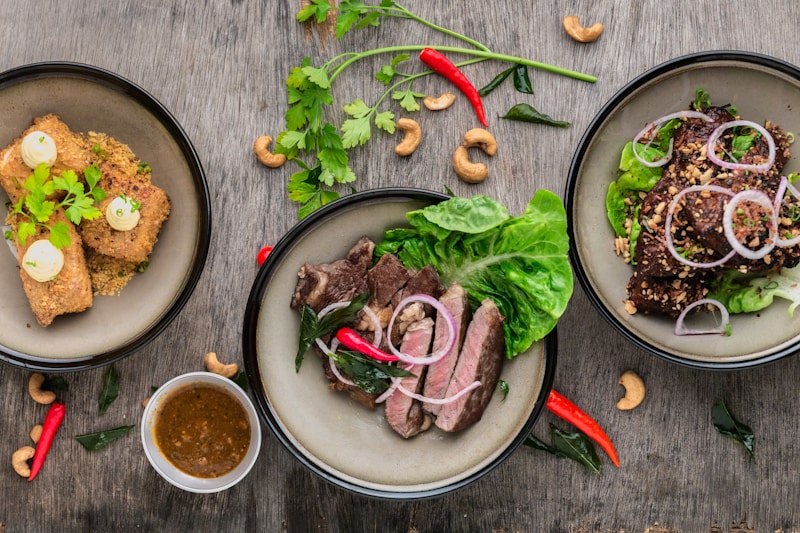
Desalted Cod for Brandade -- Thick loins, artisan desalted for 48h
Perfect brandade starts with perfect cod. Loins of Norwegian Gadus morhua with high gelatin content, ideal for emulsions. Natural collagen is the key to a silky brandade.
1. Boil cod aggressively
A strong boil breaks down the fibers and loses gelatin into the water. Cod should be cooked over low heat, barely a simmer. Or better yet, confited at a low temperature.
2. Add the oil all at once
As with mayonnaise, the oil should be added little by little for proper emulsification. If you add it all at once, you'll get cod floating in oil instead of a homogeneous cream.
3. Use intense olive oil
A powerful Picual olive oil will overpower the flavor of the cod. Use a mild oil (Arbequina, Hojiblanca) that complements without competing.
4. Serving it cold from the fridge
Olive oil solidifies in the fridge and the brandade loses all its creaminess. If you've refrigerated it, take it out 30-45 minutes beforehand or gently warm it in a bain-marie.
5. Using poor quality cod
In brandade, cod is the absolute star. There's no sauce to hide in. Thin cod, with little gelatin, produces a dry and bland brandade.
5 gourmet variations
| Variation | Extra ingredient | Difficulty | Serve as |
|---|---|---|---|
| With black truffle | Grated black truffle + truffle oil | Easy | Luxury starter |
| Black (squid ink) | 1-2 sachets of squid ink | Easy | Surprise starter, visually striking |
| Gratinated | Light béchamel + grated Parmesan | Medium | Main course or accompaniment |
| Brandade croquettes | Brandade + egg + breadcrumbs | Medium | Appetizer, tapa |
| Toasts with peppers | Crystal bread + roasted piquillo pepper | Easy | Appetizer, pintxo |
Variation 1: Brandade with black truffle
The cod + truffle combination is a classic of French haute cuisine. Truffle provides an earthy and deep aroma that perfectly complements the salinity of cod.
Prepare the classic brandade and, at the end of the emulsification, add 10-15g of finely grated black truffle and a teaspoon of quality truffle oil (not synthetic truffle). Serve in individual spoons with a slice of truffle on top.
Variation 2: Black brandade with squid ink
Visually striking: a completely black brandade that surprises and contrasts. Add 1-2 sachets of squid ink to the shredded cod before starting the emulsification. The ink provides a subtle marine flavor and an intense black color.
Serve on a white plate with some breadsticks, green olive oil, and a few parsley leaves for visual contrast.
Variation 3: Baked gratinated brandade
The most comforting version. Place the brandade in an oven-safe dish, cover with a thin layer of light béchamel sauce, and sprinkle with grated Parmesan. Gratinate in the oven at 220 degrees for 8-10 minutes until the surface is golden and bubbly.
Perfect as a main course with a green salad on the side. Consult more baked cod recipes in our dedicated article.
Variation 4: Brandade croquettes
Chilled brandade (refrigerated 4+ hours) has the perfect consistency to make croquettes without béchamel. Form balls with wet hands, coat in flour, beaten egg, and fine breadcrumbs (panko for extra crispiness). Fry in oil at 180 degrees for 2 minutes.
The result is a croquette with a creamy brandade interior and a crispy exterior. Superior to the traditional béchamel croquette in flavor. If you want to compare with the classic version, see our cod croquette recipe.
Variation 5: Brandade toasts with peppers
The perfect appetizer for a gathering. Toast thin slices of crystal bread or country bread, spread a generous layer of warm brandade, and top with a strip of roasted piquillo pepper. Optional: some capers and a drizzle of extra virgin olive oil.
You can prepare 20 toasts in 5 minutes if you have the brandade ready. It's an impressive appetizer with minimal effort.
Shredded Cod for Brandade and Croquettes -- The perfect base
Shredded Norwegian desalted cod, ready to prepare brandade, croquettes, and fritters. Boneless, skinless, just premium cod meat. The most practical format for emulsions.
What cod to use for brandade
Brandade requires cod with two essential characteristics:
- High gelatin/collagen content: this is what allows for emulsion. Without gelatin, there is no creaminess.
- Good desalting: the salt level should be mild. Brandade that is too salty is unpleasant because it is eaten in quantity (unlike a pil pil where each bite is small).
The best cut is thick loin of Gadus morhua, artisanally desalted. Cod flakes also work well and are more economical, although they usually have less gelatin.
What doesn't work: frozen cod (little gelatin), Pacific cod (softer fiber, less collagen), poorly desalted cod (salt overpowers everything).
Pairing and accompaniments
- White wine: a white Côtes du Rhône (due to the connection with Nîmes), an Albariño, or a young Verdejo.
- Rosé wine: a Provencal rosé pairs perfectly with the creaminess of the brandade.
- Bread: essential. Toasted country bread, breadsticks, regañás, or crostini.
- Raw vegetables: carrot sticks, celery, and cucumber for dipping in the brandade. A lighter option than bread.
- Green salad: if serving gratinated brandade as a main course, a rocket salad with lemon balances the richness.
Cod Brandade Recipe: Quick Summary for Printing
If you are looking for a direct cod brandade recipe, without history or variations, here is a summary to keep handy in the kitchen:
Ingredients (4 servings): 500 g desalted cod + 200 ml mild EVOO + 2 garlic cloves + 60 ml milk (optional) + white pepper + juice of half a lemon
Quick steps:
- Cook cod in water over low heat for 10 min. Drain and shred finely.
- Crush garlic. Warm oil and milk separately.
- In a saucepan over minimum heat, work the shredded cod, adding oil in a thin stream (like mayonnaise).
- Alternate: drizzle of oil → work → drizzle of milk → work. Repeat for 10-15 min.
- Add pepper and lemon. Serve warm with toasted bread.
Time: 35 min | Difficulty: medium | Approx. calories: 280 kcal/serving
Arguiñano Cod Brandade: The Potato Version
The Arguiñano-style cod brandade is the most popular version in Spanish kitchens. Karlos Arguiñano prepares it with potato, which greatly facilitates emulsification and results in a creamier and more consistent product. It's the ideal recipe if you've never made brandade before, because the potato "forgives" technical errors.
Ingredients (6 servings)
- 500 g desalted cod (thick loin)
- 300 g potato (preferably Monalisa or Kennebec)
- 150 ml mild extra virgin olive oil
- 100 ml warm whole milk
- 3 cloves garlic
- Chopped fresh parsley
- White pepper
- Toasted country bread for serving
Step-by-step preparation
- Cook the potato whole with skin in salted water for 25-30 minutes. Peel while hot and mash with a fork (never a blender: it becomes gummy).
- Cook the cod in simmering water for 10 minutes. Drain, remove skin and bones, flake finely with your hands.
- Confit the sliced garlic in olive oil over low heat for 3-4 minutes. Remove them (or leave them if you like small pieces).
- Mix potato and cod in the hot oil. Using a wooden spatula, start working the mixture.
- Add the warm milk little by little, stirring constantly. The mixture will absorb the liquids and become creamy.
- Final touch: when you have a smooth cream that stays on the spoon but is not a thick purée. Season with pepper and parsley.
- Serve warm in a nice dish with slices of toasted country bread around it.
Arguiñano's Tip: gratinate the brandade in the oven for the last 5 minutes with a little grated Parmesan cheese on top. The crust that forms is spectacular and provides a crispy contrast to the creamy interior.
Differences between classic brandade and Arguiñano's version
| Aspect | Classic (Nîmes) | Arguiñano (with potato) |
|---|---|---|
| Potato | No | Yes (40% of the volume) |
| Emulsion difficulty | High (only collagen binds) | Medium (starch helps) |
| Texture | Silky, very fine | Creamy, more body |
| Cod flavor | Absolute protagonist | Present but softened |
| Ideal for | Purists, gourmet appetizer | Family, informal dinners |
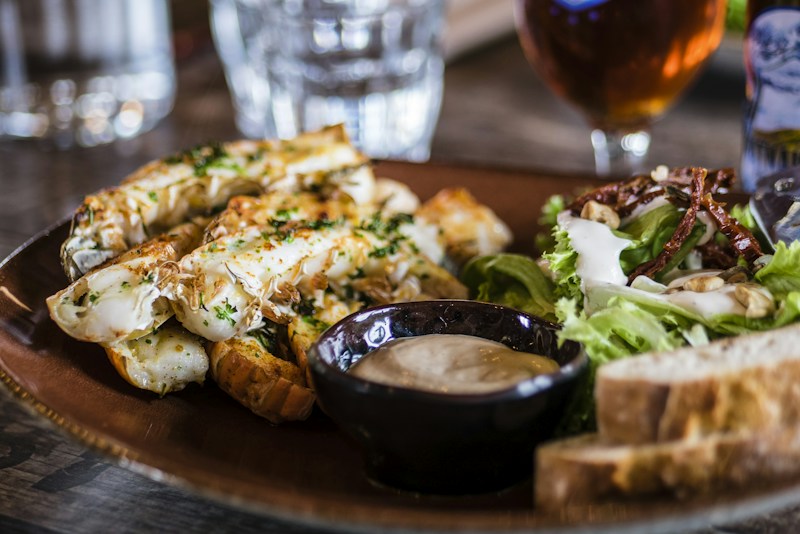
Premium Seafood Products — Bacalalo
Since 1990, selecting the best from the sea at Mercat del Ninot, Barcelona. Refrigerated delivery 24-48h.
View Icelandic cod →Related Bacalalo Products
⭐ 4.9/5 · Chilled delivery 24-48h · Since 1990 at Mercat del Ninot