Summary: Cod fritters are one of the great classics of Spanish cuisine, especially during Lent and Holy Week. In this definitive guide, you will find the traditional step-by-step recipe, Arguiñano's trick to make them fluffy, the Andalusian version with potato, the recipe without béchamel, exact proportions, frying temperatures, a comparative table of variants, and everything you need to master this centuries-old dish.
Table of Contents
- What are cod fritters and why are they so popular?
- Why aren't my fritters fluffy (and how to fix it)?
- Ingredients for 20-25 fritters
- Traditional step-by-step recipe
- Arguiñano's trick for perfect fritters
- Andalusian recipe with potato
- Fritters without béchamel vs. with béchamel
- The perfect dough: proportions, resting time, and consistency
- Frying temperatures and times
- How to desalt and shred cod for fritters
- Comparative table of variants
- Thermomix version
- How to reheat and store fritters
- Sauces and accompaniments
- History of fritters in Spanish gastronomy
- Frequently asked questions
Cod Fritters: Traditional Recipe for Fluffy Results
What are cod fritters and why are they so popular?
Cod fritters are one of the most iconic preparations in Spanish cuisine. They consist of a light and airy dough — made from flour, egg, and shredded cod — that is deep-fried in hot olive oil until a crispy, golden exterior is achieved with a spongy and incredibly tender interior.
Their popularity is no accident. They are the perfect appetizer: easy to prepare, economical, bite-sized, and combine the nobility of Icelandic cod with the simplicity of a centuries-old dough tradition. They are served in bars throughout Spain as a tapa, are a staple on family tables during Lent and Holy Week, and each region has its own version — from Andalusian fritters with potato to the more compact Basque ones.
What makes cod fritters special is precisely their deceptive simplicity: few ingredients, seemingly uncomplicated, but a result that depends entirely on technique. Oil temperature, dough consistency, cod desalting, and resting time are the four pillars that separate a mediocre fritter from a memorable one.
Why aren't my fritters fluffy (and how to fix it)?
If your cod fritters aren't fluffy, the problem lies in one (or more) of these factors:
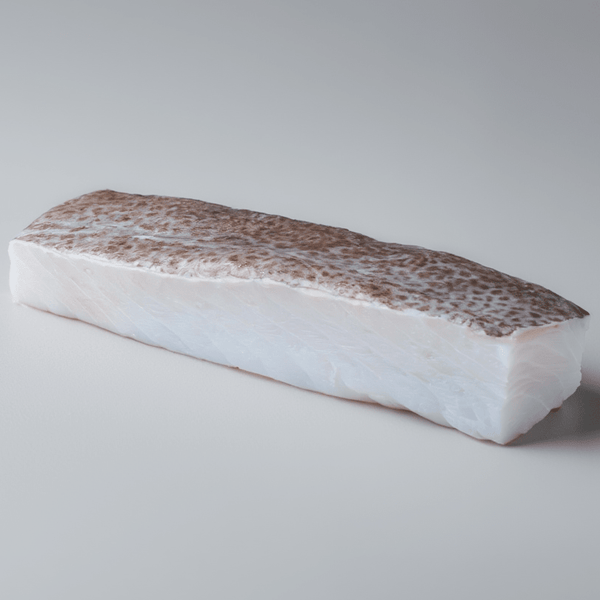
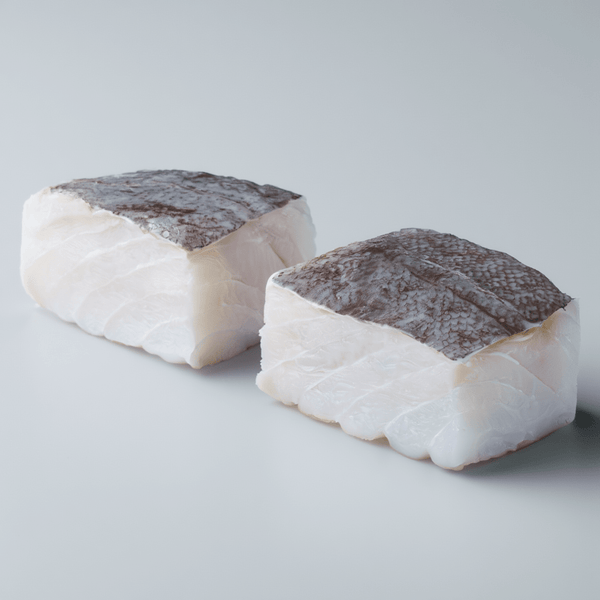
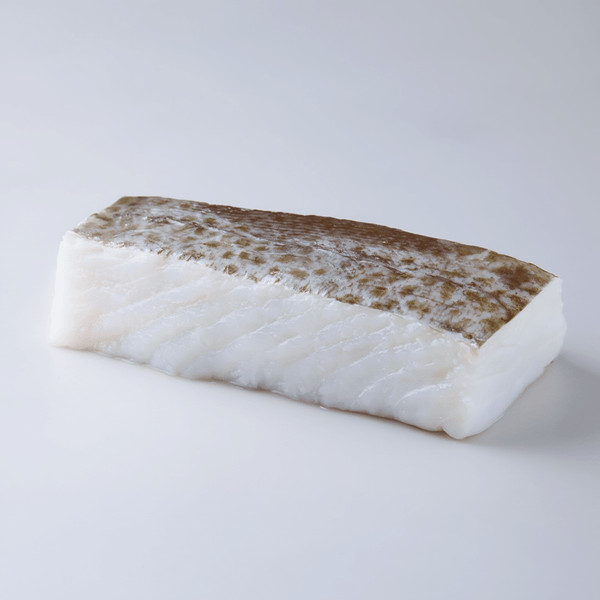
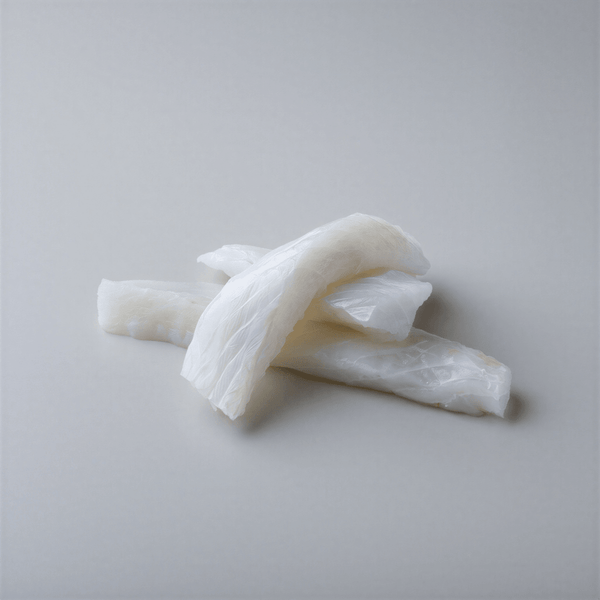
If you're interested in trying other cuts, you can find whole cod in our online catalog: loins, supremes, flakes, belly, cheeks, smoked, and brandade.
- The dough hasn't rested enough: a minimum resting time of 30 minutes (ideally 1-2 hours) allows the gluten to relax and the dough to trap air. Without resting, the fritters will be dense and heavy.
- You've beaten the eggs with hot dough: if you add the eggs when the dough is still very hot, they will partially cook and lose their leavening capacity. Wait until the dough is lukewarm (40-45 °C).
- The oil wasn't at the correct temperature: below 170 °C, the fritters absorb oil and become greasy; above 185 °C, the exterior burns before the interior sets. The ideal temperature is 175 °C.
- You haven't separated the egg whites: the master trick of many grandmothers is to beat the egg whites to stiff peaks and incorporate them at the end with enveloping movements. This provides extraordinary lightness.
- Too much cod or wet cod: if the cod is not well-drained or you add too much in relation to the dough, the fritters will be heavy. The ideal ratio is 1 part cod to 2 parts dough.
- You've used too much baking powder: baking powder helps, but an excess causes the fritters to rise quickly and then deflate when removed. A maximum of half a teaspoon per 200 g of flour.
Ingredients for 20-25 fritters
- 250 g of dried shredded cod (or 400 g of desalted shredded cod)
- 200 g all-purpose flour
- 3 large eggs (separate yolks from whites)
- 200 ml whole milk
- 1 clove garlic, finely minced
- 2 tablespoons fresh parsley, chopped
- ½ teaspoon baking powder (such as Royal)
- Freshly ground black pepper
- Mild olive oil for frying (at least 1 liter)
Note on salt: do not add salt to the dough. The cod, even when well-desalted, provides enough salinity. Always taste the dough before frying and adjust only if absolutely necessary.
Traditional step-by-step recipe
- Desalt the cod (if dry): soak the shredded cod in cold water for 24-36 hours, changing the water every 8 hours. If using desalted cod, skip this step.
- Cook and shred: place the desalted cod in a saucepan with cold water. Bring to a boil, turn off the heat, and let rest for 5 minutes. Drain well, pat dry with paper towels, and shred with your hands, removing any bones or skin. The cod should be in fine strands, not chunks.
- Prepare the dough base: in a medium saucepan, heat the milk with a pinch of pepper and the minced garlic. When it comes to a boil, remove from heat and add the sifted flour all at once. Stir vigorously with a wooden spoon until a homogeneous dough forms that pulls away from the sides of the saucepan (like choux pastry).
- Let cool: transfer the dough to a large bowl and let it cool until lukewarm (40-45 °C, so you can touch it without burning yourself). This is essential so the eggs don't curdle.
- Add the yolks: incorporate the egg yolks one by one, mixing well after each addition until the dough is smooth and shiny.
- Add cod and parsley: add the well-drained shredded cod, chopped parsley, and half a teaspoon of baking powder. Mix with a wooden spoon.
- Whip the whites: in a clean bowl, beat the egg whites to stiff peaks (with a pinch of salt if desired). Incorporate the whites into the dough in two batches with enveloping movements from bottom to top. Do not overmix or you will lose the air.
- Rest the dough: cover with cling film and let rest on the counter for at least 30 minutes (ideally 1-2 hours). The dough will gain volume and be easier to work with.
- Fry: heat abundant mild olive oil to 175 °C. With two tablespoons (or an ice cream scoop), form balls the size of a large walnut and drop them into the oil. Fry for 3-4 minutes, turning them halfway through, until evenly golden. Do not put more than 5-6 at a time to avoid lowering the oil temperature.
- Drain and serve: remove with a slotted spoon and drain on paper towels. Serve immediately, piping hot.


Arguiñano's trick for perfect fritters
Karlos Arguiñano, on his television show and in his cookbooks, has shared his particular method for achieving fluffy cod fritters, which has become a benchmark for thousands of home cooks in Spain.
Arguiñano's method is distinguished by three key points:
- The choux pastry-like dough: Arguiñano prepares the base by adding the flour all at once to boiling milk, just like French choux pastry. He stirs vigorously until a ball forms that pulls away from the saucepan. This technique gelatinizes the starch and allows the dough to absorb more egg (and therefore, more air).
- Eggs, one by one: he insists on incorporating the eggs one by one, beating well after each addition. The dough should be shiny and elastic, not liquid. If it is too thick, add a tablespoon of milk. If it is liquid, you have added too much egg.
- Generous parsley: Arguiñano does not skimp on fresh chopped parsley. In addition to flavor, parsley provides green specks that visually contrast with the golden fritter.
The result according to his method is fritters with an almost creamy interior, light as a cloud, and with an intense cod flavor. The difference from the classic grandmother's recipe is subtle but important: the final texture is airier and more uniform.
Andalusian recipe with potato
The Andalusian cod fritter recipe has a fundamental difference from the Castilian or Basque version: it incorporates cooked and mashed potato into the dough. This provides a creamier interior texture and a milder flavor.
Additional ingredients for the Andalusian version:
- 2 medium potatoes (approx. 300 g)
- Flour is reduced to 100 g (potato replaces part of the flour)
- A pinch of ground cumin is added (typical of Cadiz and Seville)
Difference in preparation: boil the potatoes with their skin in salted water, peel them, and mash them with a fork (not a blender, which makes them gummy). Mix the mashed potato with the shredded cod, add the flour, beaten eggs, and parsley. The result is a slightly denser fritter but incredibly creamy inside, with a rounder flavor.
This version is typical of Cadiz fried food and is served in fry shops alongside shrimp fritters and cod pavías.
Fritters without béchamel vs. with béchamel
There is a common confusion between cod fritters and cod croquettes. Although both are fried cod bites, they are completely different preparations:
| Characteristic | Fritter (without béchamel) | Croquette (with béchamel) |
|---|---|---|
| Dough base | Flour + egg + milk (choux-like) | Béchamel (milk + flour + butter) |
| Interior texture | Spongy, airy, light | Creamy, dense, melting |
| Coating | No coating (fried directly) | Egg + breadcrumbs |
| Shape | Irregular, rounded | Cylindrical or oval |
| Difficulty | Easy | Medium (making béchamel, chilling, coating) |
| Total time | 45 min + resting | 2-3 hours (béchamel resting) |
| Calories (per unit) | ~60-70 kcal | ~90-110 kcal |
The traditional recipe for cod fritters without béchamel is the authentic one. The version with béchamel is actually a cod croquette — equally delicious, but a different dish. If you are looking for the classic, spongy, and light fritter, follow the recipe without béchamel in this article.
The perfect dough: proportions, resting time, and consistency
The key to good fritters lies in the dough. These are the exact proportions and indicators to know that you are on the right track:
Reference proportion (for 20-25 fritters):
- 200 g flour : 200 ml milk : 3 eggs : 250 g desalted cod
- Flour/liquid ratio: 1:1 by weight
- Dough/cod ratio: approximately 2:1
Indicators that the dough is good:
- It pulls away from the sides of the bowl when stirred
- It has the consistency of a thick purée (it holds its shape when picked up with a spoon, but is not rigid)
- It is shiny and homogeneous, without lumps
- When dropped by the spoonful, it falls slowly (does not run like liquid)
Resting time: minimum 30 minutes at room temperature, covered with cling film. During resting, the gluten relaxes, the yeast acts, and the dough gains volume. If you can leave it for 1-2 hours, even better. If you need to prepare it in advance, it can rest in the refrigerator for up to 12 hours (take it out 30 minutes before frying).
Frying temperatures and times
| Parameter | Optimal value | What happens if you overdo it | What happens if you underdo it |
|---|---|---|---|
| Oil temperature | 170-180 °C (ideal 175 °C) | Burnt exterior, raw interior | Greasy, heavy fritters |
| Fritter size | Large walnut (~30 g) | Doesn't cook through inside | Dry, without a fluffy interior |
| Time per batch | 3-4 minutes total | Too dark | Interior not set |
| Fritters per batch | 5-6 maximum | Oil temperature drops | - |
| Flipping | At 90-120 seconds | One side darker | Uneven browning |
Professional tip: if you don't have a kitchen thermometer, drop a small piece of dough into the oil. If it rises to the surface in 2-3 seconds, bubbling gently, the temperature is correct. If it rises instantly with violent bubbling, the oil is too hot. If it sinks and takes a long time to rise, it still needs more temperature.
Type of oil: use mild olive oil (0.4%) or sunflower oil. Extra virgin olive oil has a lower smoke point and a too intense flavor that competes with the cod. Some chefs mix half mild olive oil and half sunflower oil.
How to desalt and shred cod for fritters
The correct desalting of cod is the essential first step. Improperly desalted cod ruins any recipe, but it is especially noticeable in fritters because there is no sauce to mask the excess salt.
If you use shredded dried cod (the most convenient option):
- Submerge the shredded dried cod in cold water in the refrigerator for 24-36 hours.
- Change the water every 8 hours (minimum 3 changes).
- Taste a small piece: it should be slightly salty, not bland.
- Drain well and dry with kitchen paper, pressing gently.
If you use cod loin or tail:
- Desalt in cold water for 48 hours (thicker pieces need more time).
- Boil for 5 minutes in unsalted water, drain.
- Shred by hand, removing absolutely all bones and skin.
- The cod strands should be fine and loose, not compact pieces.
Common mistake: putting wet cod directly into the batter. Excess water dilutes the batter and makes the fritters flat. Always dry the cod well before incorporating it.
Comparative table of variations
| Variation | Batter base | Extra ingredient | Texture | Region |
|---|---|---|---|---|
| Traditional (choux) | Flour + milk + egg | Parsley, garlic | Spongy, airy | Castile, Basque Country |
| Andalusian (with potato) | Flour + potato + egg | Cumin, parsley | Creamy, denser | Andalusia (Cadiz, Seville) |
| Portuguese (pastéis) | Potato + egg (no flour) | Onion, cilantro | Very creamy, soft | Portugal |
| Without béchamel (quick) | Flour + egg + water | Only parsley | Light, crispy | All of Spain |
| Thermomix | Flour + milk + egg | Parsley, garlic | Spongy (uniform) | Modern |
Thermomix version
The Thermomix greatly simplifies batter preparation, as it precisely controls temperature and speed:
- Step 1: Put 200 ml of milk in the bowl, program 5 minutes / 90 °C / speed 2.
- Step 2: With the bowl hot, add 200 g of flour all at once. Program 20 seconds / speed 5. The batter should be compact.
- Step 3: Let cool in the bowl with the lid open for 10 minutes.
- Step 4: Add the egg yolks one by one, programming 10 seconds / speed 4 after each yolk.
- Step 5: Incorporate the shredded cod, parsley, and minced garlic. Program 10 seconds / speed 3 (only to mix, not to shred the cod).
- Step 6: Whisk the egg whites by hand or with a mixer separately, and incorporate them into the batter with a spatula (not in the Thermomix, which would deflate them).
The result is a perfectly homogeneous and lump-free batter. The rest of the process (resting and frying) is identical to the traditional recipe.
How to reheat and store fritters
Fritters are infinitely better freshly made, but if you have leftovers (or want to prepare them in advance), here are your options:
- Reheat in the oven: preheat to 180 °C, place the fritters on a baking sheet with a wire rack (never directly on the baking sheet) and heat for 5-7 minutes. They regain their outer crispiness without drying out inside. This is the best method.
- Reheat in an air fryer: 180 °C for 3-4 minutes. Excellent result, almost like freshly made.
- Never in the microwave: they become soft, rubbery, and lose all crispiness. Rule it out.
- Storage in the refrigerator: up to 2 days in an airtight container with kitchen paper at the bottom (absorbs moisture).
- Freezing: they can be perfectly frozen. Freeze them on a tray without touching, and once solid, transfer them to a bag. To reheat: from the freezer directly to the oven at 190 °C, 10-12 minutes.
- Freezing raw batter: you can also freeze the batter in formed balls on a tray. From the freezer directly to hot oil (170 °C), adding 1-2 minutes to the frying time.
Sauces and accompaniments
Cod fritters can be eaten alone — a good fritter needs nothing else — but these sauces elevate them to another level:
- Homemade aioli: the classic accompaniment in Levante and Catalonia. Crushed garlic in a mortar with a thin stream of olive oil until emulsified. The cod + aioli combination is unbeatable.
- Piquillo pepper sauce: blend piquillo peppers with a roasted garlic clove and a spoonful of cream. Hot or cold.
- Honey with lemon: a drizzle of honey and a few drops of lemon over the freshly fried fritter. Typical of some areas of Andalusia for the sweet-savory version.
- Quince aioli: aioli with a spoonful of dissolved quince paste. A perfect sweet and sour with cod.
- Mild bravas sauce: the same sauce as patatas bravas works surprisingly well with cod fritters.
As an accompaniment to a complete meal, fritters go well with a green salad, patatas a lo pobre, or a pisto manchego. As a tapa, simply with a good cold white wine or a well-poured beer.


History of fritters in Spanish gastronomy
Cod fritters have roots dating back to the Middle Ages, deeply linked to the religious tradition of Lent. During the 40 days leading up to Holy Week, the Catholic Church prohibited the consumption of meat, which made cod — cheap, easy to preserve, and available throughout Spain thanks to salting — the absolute protagonist of Lenten cuisine.
Fritters emerged as an ingenious way to stretch cod: with a small amount of fish and a lot of batter, large families could be fed economically. What began as a necessity eventually became a delicacy that is now served in the best restaurants.
Each region developed its own version: in Andalusia, with potato and cumin; in the Basque Country and Navarra, with a more compact batter and no potato; in Catalonia (where they are called bunyols de bacallà), with a finer tempura-like batter; in Portugal, the famous pastéis de bacalhau, with potato and no flour, are close cousins.
Today, cod fritters are experiencing a gastronomic renaissance. Chefs like Martín Berasategui, Karlos Arguiñano, and Ángel León have presented refined versions that maintain the essence of the dish but elevate the technique: airier batters, premium quality cod, and restaurant-style presentations.
At Bacalalo, we maintain this tradition with our artisan gourmet cod fritter batter, ready to fry, made with premium Icelandic desalted cod.
🛒 Products mentioned in this article
⭐ 4.9/5 · Cold shipping 24-48h · Since 1990 at Mercat del Ninot
Frequently asked questions
How long does cod need to be desalted for fritters?
If you use dried shredded cod, you need 24-36 hours in cold water, changing the water every 8 hours. If you use whole cod (loin, tail), you will need 48 hours due to its greater thickness. Always taste a small piece before cooking: it should be slightly salty but pleasant to the palate.
Can cod fritters be made without egg?
It is difficult to achieve the same spongy texture without egg, as egg is the main leavening agent. Alternatively, you can use 3 tablespoons of whipped aquafaba (chickpea cooking water) per egg, plus half a teaspoon of baking powder. The result is acceptable, though not identical.
Can I use ready-to-use desalted cod for fritters?
Yes, and it is the most convenient option. If you buy ready-to-use desalted cod, you just need to boil it for 5 minutes, drain it well, dry it with kitchen paper, and shred it. Make sure it is in fine strands, not chunks, so that it integrates well into the batter.
Why do my fritters absorb a lot of oil?
The most frequent cause is that the oil is not hot enough (it should be at 175 °C). Other causes: the batter is too liquid, the fritters are too large, or you put too many in at once (this lowers the oil temperature). Use a kitchen thermometer and do not fry more than 5-6 per batch.
Can fritters be fried in an air fryer?
Technically yes, but the result is not comparable to traditional frying. In an air fryer, spray the formed fritters with cooking oil spray, set to 180 °C, and fry for 10-12 minutes, flipping them halfway through. They will be drier and less spongy, but it is a lighter option with 70-80% less oil.
How many calories does a cod fritter have?
A standard cod fritter (about 30g before frying) has approximately 60-70 kcal. It is a relatively light appetizer compared to other fried foods, thanks to the airy batter and the fact that cod is a lean fish. The Andalusian version with potato increases to about 80-90 kcal per unit.
Can cod fritters be frozen?
Yes, they freeze very well. Freeze them already fried on a tray without touching, and once hard, transfer them to a bag. To reheat, go directly from the freezer to the oven at 190 °C for 10-12 minutes. You can also freeze the batter in formed balls and fry them directly from the freezer, adding 1-2 minutes to the frying time.
What is the difference between fritters and cod tortillitas?
Cod tortillitas (or shrimp tortillitas) are typical of Cadiz and are made with a more liquid, crepe-like batter that is fried flat and thin, resulting in a crispy texture. Fritters use a thicker batter that is fried in a ball shape, with a spongy interior. They are two distinct preparations with very different results.
Can cod fritters be made the night before?
The batter can be prepared the night before and left to rest in the refrigerator, covered with cling film (it will last up to 12 hours). Take it out 30 minutes before frying so it can come to temperature. Already fried fritters can be reheated the next day in the oven or air fryer, but they will always be best freshly made.
What is the best flour for cod fritters?
Normal wheat flour (medium strength, type 550). Do not use strong flour (excess gluten makes the fritters rubbery) or gluten-free flour (it does not bind well). Common supermarket flour works perfectly.
Why are they called Holy Week cod fritters?
Because they are a dish traditionally associated with Lent and Holy Week, when the Catholic Church prohibited the consumption of meat. Cod, being salted and preserved fish, was accessible throughout Spain during this period. The tradition is still alive: searches for "cod fritters" triple in March-April every year.
Can I substitute cod for another fish in fritters?
Technically yes, but the result will be different. Cod provides a natural gelatin that helps bind the batter. You can use hake, but you will need to add a little more flour. Other fish like tuna or salmon completely change the flavor profile. For the traditional recipe, salted and desalted cod is irreplaceable.
Products you might be interested in
Discover more
Discover our premium selection
Carefully selected seafood products since 1990 at Mercat del Ninot, Barcelona. Refrigerated delivery in 24-48h.