Summary: Making cod croquettes is not the same as making ham or chicken croquettes. Cod introduces two variables that completely change the equation: moisture and salinity. If you treat them like any other croquette, the result will be a soft mixture that breaks open when frying or, worse, tasteless and pasty croquettes.
Cod croquettes are one of the most delightful tapas in Spanish cuisine. Crispy on the outside and with a creamy, melt-in-your-mouth interior, when done well, they are unrivaled. But anyone who has made them at home knows that the difference between a memorable croquette and a disappointing one lies in details that few recipes explain: the béchamel must be thicker than usual, the cod introduces moisture that needs to be controlled, and the salt level is a delicate balance because the fish already has its own.
At Bacalalo del Mercat del Ninot, since 1990, we have been selling cod and advising customers who want to make the best croquettes at home for three decades. We know which cut works, what béchamel proportion you need, and which mistakes you should avoid. Everything you read here comes from the real experience of our stall, not from recipes copied from the internet.
In this guide, we explain step by step the recipe for homemade cod croquettes: from the perfect béchamel to the frying tricks that make all the difference. And if you prefer to save yourself the trouble, we tell you how our Raw Desalted Cod Croquettes give you the same artisanal result in five minutes.

Why Cod Croquettes are Different
Making cod croquettes is not the same as making ham or chicken croquettes. Cod introduces two variables that completely change the equation: moisture and salinity. If you treat them like any other croquette, the result will be a soft mixture that breaks open when frying or, worse, tasteless and pasty croquettes.

Desalted cod contains a significantly higher percentage of water than ham or roasted chicken. When you incorporate it into the béchamel, that extra moisture dilutes the mixture. That's why the béchamel for homemade cod croquettes needs to be thicker than for other croquettes: it has to absorb that water without losing body. If you use standard béchamel proportions, you'll end up with a mixture that won't set even after hours in the fridge.
The second factor is salt. Cod, even when properly desalted, retains a natural saltiness that adds flavor but can be overpowering if not controlled. The golden rule: do not add salt to the béchamel until you have incorporated the cod and tasted the mixture. Many times, you won't need any additional salt at all.
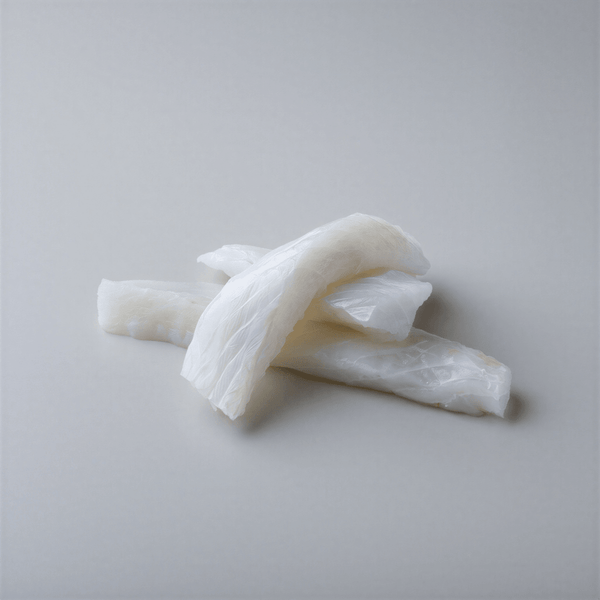
There's a third aspect that few mention: texture. Shredded cod has fibers that are noticeable in the mouth, and that's precisely what makes these croquettes special. Unlike a pure béchamel croquette, here you're looking for a contrast between the creaminess of the base and the small pieces of fish you encounter when you bite. The shredded cod should be neither too fine (it would become a bland paste) nor too coarse (long fibers make shaping and breading difficult). The ideal size is that of a large grain of rice: enough to be noticeable, small enough for the croquette to maintain its shape.
One last difference: the aroma. Cod has a strong smell that can be excessive if not sautéed beforehand with onion and a touch of nutmeg. These aromatics are not just for decoration: they fulfill the real function of rounding out the flavor and eliminating any overly fishy notes. In the best croquette shops in Barcelona, this prior sautéing of onion with cod is what separates artisanal from industrial.
Ingredients and Proportions for 30 Croquettes
This cod croquette recipe is calculated for about 30 units, enough for 6 people as an appetizer or 4 as a main course. The proportions are tested to achieve a firm mixture that is easily shaped and a creamy interior after frying.

For the mixture
- 300 g desalted shredded cod (or the equivalent in Extra Desalted Shredded Cod from Bacalalo)
- 80 g unsalted butter
- 80 g all-purpose flour
- 750 ml whole milk
- 1 medium onion, finely chopped
- 1 tablespoon extra virgin olive oil
- Freshly grated nutmeg (about a quarter of a nutmeg)
- 2 tablespoons chopped fresh parsley
- Ground white pepper
- Salt (only if necessary after tasting)
For the breading
- 2 beaten eggs
- 200 g fine breadcrumbs (Japanese panko for extra crispiness, or traditional breadcrumbs)
- Flour for the first coating (optional, for double breading)
For frying
- 1 liter mild olive oil (0.4) or high oleic sunflower oil
Notes on ingredients
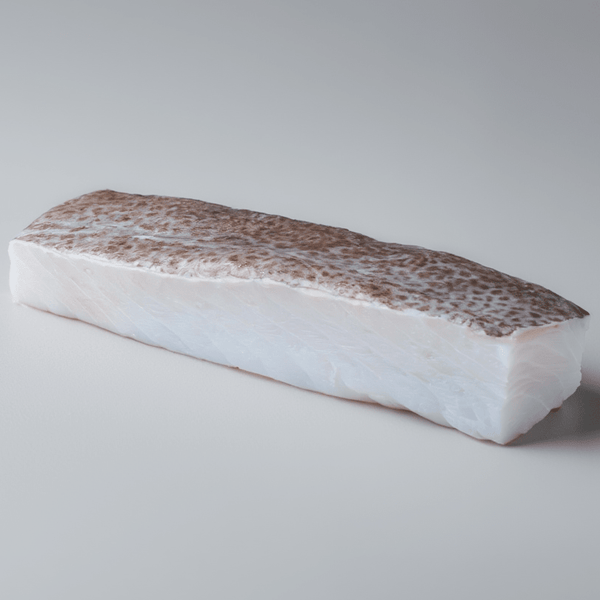
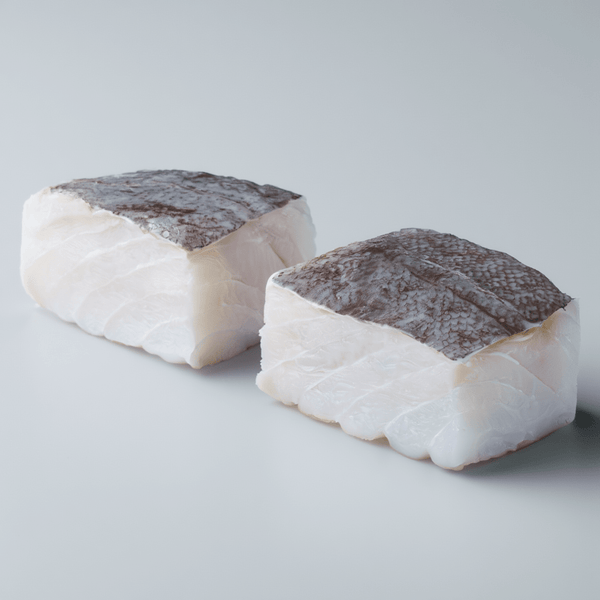
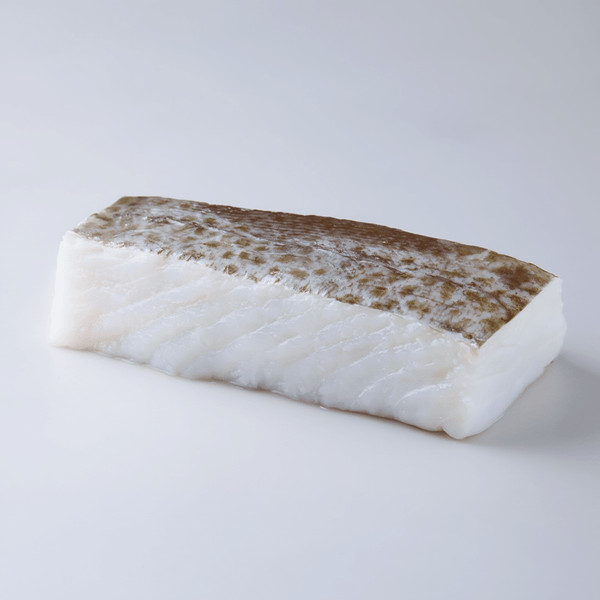
The cod: You need cod that is already desalted and shredded. You have three options. The most convenient: directly use Bacalalo's Extra Desalted Shredded Cod, which comes clean, boneless, skinless, and ready to incorporate. The second: buy loins or thick pieces of desalted cod and shred it yourself. The third: start with salted cod, desalt it at home, and then shred it. Any option works, but the first saves you 24-48 hours of desalting and the work of cleaning and shredding.
The butter: Use unsalted butter to control the overall saltiness. Butter adds a rounded flavor and a silky texture that oil cannot achieve. Do not substitute it with margarine: the result is not comparable.
The milk: Always whole milk. Skim or semi-skimmed milk has less fat and protein, which results in a less creamy béchamel with a poorer texture. Furthermore, the fat in milk carries the aromas of cod and nutmeg in the mouth.
The nutmeg: Grate it at the moment; never use powdered nutmeg from a jar. The difference in aroma is abysmal. You need very little: a quarter of a nutmeg grated directly onto the béchamel. It's the perfect complement to cod and sautéed onion.
The Perfect Béchamel for Cod Croquettes
Béchamel is the soul of the croquette. If the béchamel fails, everything fails. The one you need for cod croquettes is thicker than standard cooking béchamel: the key ratio is 80g butter, 80g flour, and 750ml milk. This ratio is heavier on flour than usual precisely to compensate for the moisture that the cod will bring.

The roux: the base of everything
The roux is the mixture of butter and flour that gives structure to the béchamel. For croquettes, the roux should be cooked slowly, over medium-low heat, for at least 3-4 minutes, stirring constantly. This time is crucial: raw flour has an unpleasant starchy taste that only disappears with sufficient cooking. If the roux is not cooked properly, your croquettes will taste floury. You'll know it's ready when it starts to smell like biscuits and takes on a slightly golden hue.
A common mistake is to turn up the heat to go faster. Don't do it. A burnt roux will make the entire béchamel bitter, and there's no way to fix it. Patience, medium-low heat, and a wooden or silicone spatula that scrapes the bottom well.
Adding the milk: hot and little by little
The milk should be hot, not cold. Heat it in a separate saucepan or in the microwave until it's slightly steaming (about 70-80 degrees Celsius). If you add cold milk to hot roux, lumps will form instantly because the thermal shock prevents the flour from incorporating uniformly.
Add the milk in three or four batches. Pour in one-third, stir vigorously with a whisk until completely incorporated and the mixture is smooth. Repeat with the second third, and then with the rest. Each addition will thin the mixture, which will thicken again as it cooks. This process of adding and thickening is what builds the structure of the béchamel.
After incorporating all the milk, cook the béchamel over medium heat for 8-10 more minutes, stirring constantly with the spatula. Béchamel for croquettes should be noticeably thicker than that for lasagna or cannelloni. You'll know it's the right consistency when, by running the spatula across the bottom of the saucepan, a furrow opens up that takes 2-3 seconds to close. If it closes immediately, it needs more cooking. If it doesn't close, it's too thick and needs a little more milk.
The plate test
There's an infallible trick to know if the béchamel will set well once cold: put a tablespoon of the mixture (with the cod already incorporated) on a plate and place it in the fridge for 10 minutes. If, when you take it out, the mixture is firm and you can form a small ball without it sticking to your fingers, the consistency is correct. If it's soft or sticky, cook the mixture for a few more minutes to evaporate water. This 10-minute test will save you the frustration of discovering, four hours later, that the mixture lacks body.
Related Products from Bacalalo

Step-by-Step Recipe
This is the step-by-step cod croquette recipe that we have perfected with over thirty years of experience at Mercat del Ninot. Follow each step in order and do not skip the timings: they are there for a reason.

1. Sauté the onion with the cod (10-12 minutes)
In a large frying pan, heat the tablespoon of olive oil over medium heat. Add the finely chopped onion and cook slowly for 8-10 minutes, stirring occasionally, until it is completely transparent and sweet. Do not brown it: a browned onion will give a toasted flavor that competes with the cod.
Add the shredded cod and cook for 2-3 more minutes, stirring to integrate it with the onion. The goal is for the cod to release some of its moisture and absorb the sweetness of the onion. If you use pre-prepared shredded cod, you only need to sauté it briefly. Add the chopped parsley, stir, and set aside.
2. Prepare the roux (3-4 minutes)
In a heavy-bottomed saucepan (preferably stainless steel or cast iron), melt the butter over medium-low heat. When it's melted and starts to foam, add all the flour at once and stir vigorously with the spatula. Cook the roux for 3-4 minutes, stirring constantly, until it smells like biscuits and has a slightly golden hue. Do not increase the heat.
3. Add the hot milk (8-10 minutes)
With the hot milk prepared in another saucepan, add it to the roux in three batches. After each addition, whisk until fully incorporated before adding the next. When all the milk is incorporated, cook over medium heat, stirring constantly, for 8-10 minutes, until the béchamel has the thick consistency described in the previous section.
4. Incorporate the cod and aromatics
Remove the saucepan from the heat. Add the sautéed onion and cod mixture, freshly grated nutmeg, and white pepper. Stir well to integrate everything uniformly. Taste the mixture and decide if it needs salt. In most cases, desalted cod provides enough salt. If it tastes bland, add half a teaspoon and taste again.
Return the saucepan to medium-low heat for 2-3 more minutes, stirring. This final step allows the flavors to meld and the mixture to reach its final consistency.
5. Chill the mixture (minimum 4 hours, ideally 8 hours)
Pour the mixture into a wide, shallow dish (a baking tray with sides works well). The more spread out the mixture, the faster it will cool evenly. Cover the surface directly with cling film, pressing it against the mixture to prevent a skin from forming. Let it cool at room temperature for 30 minutes, then place it in the fridge.
Minimum fridge time: 4 hours. Ideally, leave the mixture overnight (8-12 hours). The mixture needs to fully gel so you can shape it without it sticking. If you're in a hurry, you can put it in the freezer for 1-2 hours, but the result isn't as good as a slow rest in the fridge.
6. Shape the croquettes
Take the mixture out of the fridge. It should be firm, like modeling clay. With slightly damp hands (or lightly oiled with sunflower oil), take portions of about 30g and form cylinders about 6-7 cm long and 2.5 cm in diameter. The classic shape is oval, like a thumb. If the mixture sticks, moisten your hands again.
Place the shaped croquettes on a baking tray lined with baking paper, without them touching each other. If you have time, put them back in the fridge for 30 minutes before breading. A cold croquette breads better and maintains its shape during frying.
7. Breading: the triple pass
Prepare three shallow dishes in a line: flour, beaten egg, and breadcrumbs. The process is as follows:
- Roll each croquette in flour, shaking off any excess. The flour creates a dry layer that helps the egg adhere.
- Dip in beaten egg, ensuring the entire surface is covered. Let any excess drain off.
- Roll in breadcrumbs, pressing gently so they adhere well. Cover the entire surface without leaving any gaps.
If you want extra crispy croquettes, do a double breading: after the first pass of breadcrumbs, dip again in egg and then in breadcrumbs. The double breading creates a thicker crust that holds up better during frying and maintains the internal creaminess longer.
8. Fry the croquettes (2-3 minutes)
Heat plenty of oil in a deep frying pan or a deep fryer to 180 degrees Celsius. Fry the croquettes in small batches (4-5 at a time) for 2-3 minutes, until evenly golden. Do not move them for the first minute: they need that time to seal the outer layer. Afterwards, gently turn them with a slotted spoon so that they brown on all sides.
Remove with a slotted spoon and drain on a wire rack (better than on paper towels, because the rack allows air to circulate and the croquette to remain crispy). Serve hot.
Frying tips: crispy on the outside, creamy on the inside
Frying is the decisive moment. You can have the perfect dough and ruin everything in the last two minutes. These are the tricks that make the difference between crispy cod croquettes and ones that break open, soak up oil, or turn out soft.

Temperature: 180 degrees, no more, no less
The ideal temperature for frying croquettes is 180 degrees Celsius. Use a kitchen thermometer: it's the most important tool for proper frying. At 180 degrees, the exterior seals quickly, creating a crispy crust, while the interior heats up without the béchamel liquefying and breaking the croquette.
If the oil is below 170 degrees, the croquette absorbs fat before sealing: the result is oily and soft. If it's above 190, the exterior burns before the interior heats up: the result is raw inside and bitter outside. 180 degrees is the perfect balance.
Don't move them
The most common mistake when frying croquettes is constantly moving them. When you immerse the croquette in hot oil, the coating immediately begins to seal. If you move or turn it before that initial seal is complete (about 45-60 seconds), the breadcrumb layer will detach, the egg will break, and the béchamel will start to come out. Leave them undisturbed for the first minute. Then, gently turn them once and leave them for another minute.
Small batches
Don't fry more than 4-5 croquettes at a time, even if more fit in the pan. Each croquette you add to the oil lowers the temperature by several degrees. If you throw in ten at once, the temperature can drop from 180 to 150 degrees in seconds, and those croquettes will absorb oil like sponges. Small batches, patience between batches (wait 30-60 seconds for the oil to regain temperature) and consistent results.
Clean and abundant oil
The oil should completely cover the croquettes. If the oil only reaches halfway, you will have to turn the croquette several times and the cooking will be uneven. Use at least one liter of oil in a deep pan or, even better, a deep fryer. If the oil starts to darken or smell, change it. Degraded oil transfers rancid flavors that ruin even the best croquette. For more details on frying, see our guide to perfect fried cod.
The air fryer trick
Homemade croquettes also work in an air fryer, although the result is different. Spray the breaded croquettes with a little oil spray, place them in the basket without touching each other and set to 190 degrees for 10-12 minutes, turning them halfway through cooking. They are less crispy than traditional frying, but they are a lighter alternative. This method works especially well if you first freeze the croquettes and fry them directly from the freezer.
With ready-made croquettes: from bag to table in 5 minutes
Making homemade cod croquettes is a time-consuming process: preparing the béchamel, cooling the mixture for at least four hours, shaping, breading, and frying. If you enjoy cooking, it's a perfect plan for a Sunday morning. But if you want quality artisan cod croquettes on a Tuesday night after work, there's a much more practical alternative.
Our Raw Salted Cod Croquettes are made with the same traditional béchamel recipe we described in this guide: butter, flour, whole milk, sautéed onion, and premium flaked salted cod. They are sold raw and frozen, ready to fry directly without thawing.
How to prepare them
- Heat plenty of oil to 180 degrees.
- Take the croquettes from the freezer and place them directly into the hot oil, without thawing.
- Fry for 3-4 minutes until golden brown on all sides.
- Drain on a rack and serve.
The result is indistinguishable from homemade, because in reality they are homemade: they are made with the same ingredients and the same artisanal method, only the preparation work is already done. Freezing raw also has a technical advantage: the contrast between the frozen exterior and the hot oil produces a faster seal and a crispier crust than you get with croquettes at room temperature.
At Bacalalo del Mercat del Ninot we sell them because we know that not everyone has four hours to cool a béchamel, but they do want to eat well. For an impromptu dinner, an appetizer with friends or a quick tapa, they are the perfect solution.
Variations and accompanying sauces
The cod croquette is a perfect canvas for variations. Once you master the basic recipe, you can play with ingredients and accompaniments that take the tapa to another level.
Cod croquettes with alioli
The most classic pairing on the Mediterranean coast. A well-made aioli, with garlic crushed in a mortar and olive oil emulsified drop by drop, provides a powerful and creamy counterpoint that combines perfectly with the smoothness of the croquette. If you prefer a milder version, make an aioli with an egg in a blender and reduce the amount of garlic to one clove. Serve the aioli in a bowl in the center of the table and let each diner dip as they please.
Cod croquettes with piquillo peppers
You can add the piquillo peppers in two ways. The first: incorporate 100 g of chopped piquillo peppers directly into the béchamel along with the cod. This tints the dough an attractive orange color and adds a subtle sweetness. The second: serve the croquettes with a separate piquillo pepper sauce, made by blending a can of preserved piquillo peppers with a clove of garlic and a drizzle of olive oil. The cold sauce contrasts with the hot croquette.
Cod croquettes with squid ink
A spectacular variation for more daring presentations. Add a sachet of squid ink (4 g) to the béchamel when incorporating the milk. The dough will be black, with an intense marine flavor that enhances the cod. When breaded with panko, the visual contrast between the golden exterior and the black interior is striking. It is the version that is most successful in author tapas and dinners with guests.
Romesco sauce as an accompaniment
Romesco is the quintessential Catalan sauce and accompanies cod like few others. For a quick romesco: blend hydrated sun-dried tomatoes, toasted almonds, a clove of garlic, hydrated choricero pepper, a splash of Sherry vinegar, and extra virgin olive oil. The result is a red sauce, with a granular texture and a complex flavor between sweet, smoky, and acidic that elevates any cod croquette.
Other dough variations
- With shrimp: Add 100 g of peeled and chopped shrimp along with the cod. Sea and sea: a combination that works especially well.
- With spinach: Incorporate 100 g of sautéed and well-drained spinach. They provide green color, freshness, and an extra iron boost.
- With La Vera paprika: A teaspoon of smoked paprika in the béchamel transforms the flavor. Be careful with the amount: paprika is potent and can overpower the cod.
Storage: raw vs. fried
Knowing how to store croquettes correctly is almost as important as knowing how to make them. The difference between freezing raw or freezing fried is enormous in the final result.
Freezing raw croquettes (recommended)
This is the best method and the one we use at Bacalalo. Raw croquettes, once shaped and breaded, freeze perfectly and give the best results when fried.
- Place the breaded croquettes on a tray without touching each other. Line the tray with baking paper to prevent sticking.
- Put the tray in the freezer and freeze for 2-3 hours until the croquettes are completely hard.
- Once frozen, transfer them to airtight freezer bags. Since they are already hard, they will not stick together.
- Duration: up to 3 months in the freezer at -18 degrees without appreciable loss of quality.
To consume them, fry directly from the freezer without thawing. Add one more minute to the frying time (3-4 minutes in total). The result is even better than with fresh croquettes: the cold interior creates a thermal contrast with the oil that produces a more aggressive seal and a crispier crust.
Freezing fried croquettes (acceptable, not ideal)
If you have leftover fried croquettes, you can freeze them using the same tray method. However, when reheating them (in an oven at 180 degrees for 10-12 minutes or in an air fryer at 180 degrees for 6-8 minutes) the texture of the breading will not be as crispy as the original. The interior will maintain its creaminess, but the crust will lose some of its crispiness.
Store in the refrigerator
| State | Refrigerator storage | Notes |
|---|---|---|
| Unshaped dough | Up to 48 hours | Covered with film pressed against the surface |
| Raw breaded croquettes | Up to 24 hours | On a tray without touching, covered with film |
| Fried croquettes | Up to 2 days | In an airtight container. Reheat in the oven, never in the microwave |
Important: never reheat croquettes in the microwave. The steam it generates completely softens the breading and turns the croquette into a soft, gummy mass. The oven at 180 degrees for 8-10 minutes or the air fryer are the only methods that restore the crispy texture.
Conclusion
Making homemade cod croquettes that are truly creamy and crispy requires attention to the details we have explained: a béchamel that is thicker than usual to absorb the moisture from the cod, a well-cooked roux that doesn't taste like flour, hot milk added gradually, cooling for at least four hours, a firm breading, and frying at 180 degrees in small batches. These are many steps, but none are difficult if you understand why.
The quality of the raw material is, as in any simple recipe, what makes the biggest difference. Good salted cod with a clean flavor and a texture that flakes into defined layers gives a result that cannot be achieved with second-rate cod. At Bacalalo del Mercat del Ninot, we have been selecting the best cod from the North Atlantic since 1990 so that our customers can cook with the best possible raw material. Cod is also a food with excellent nutritional properties: high in protein, low in fat, and rich in omega-3.
And if you prefer the result without the work, our Raw Salted Cod Croquettes give you exactly that: artisanal croquettes ready to fry in five minutes. From freezer to table, without compromising on flavor or texture.
Conclusions
- Why cod croquettes are different: Making cod croquettes is not the same as making ham or chicken croquettes.
- Ingredients and proportions for 30 croquettes: This cod croquette recipe is calculated for about 30 units, enough for 6 people as an appetizer or for 4 as a main course.
- The perfect béchamel for cod croquettes: Béchamel is the soul of the croquette.
- Step-by-step recipe: This is the step-by-step cod croquette recipe that we have perfected with over thirty years of experience at Mercat del Ninot.
- Frying tips: crispy on the outside, creamy on the inside: Frying is the decisive moment.
Frequently asked questions
Can cod croquettes be frozen?
Yes, and in fact it is the best preservation method. Freeze them raw and breaded on a tray without touching each other, and once hard, transfer them to airtight bags. They can be stored for up to 3 months at -18 degrees. To consume, fry directly from the freezer without thawing, adding an extra minute to the frying time. The result is even superior to fresh croquettes because the thermal contrast between the frozen interior and the hot oil produces a crispier seal. Already fried croquettes can also be frozen, although when reheated the breading loses some of its original crispiness.
Why do my croquettes break open when frying?
Croquettes break open for one or more of these reasons: the dough has not cooled enough (it needs at least 4 hours in the refrigerator to gel); the breading has gaps through which the béchamel escapes when heated; the oil is too hot (above 190 degrees, the croquette bursts before sealing); or you move them too early during frying, detaching the breading before it sets. The solution: respect the cooling time, bread carefully covering the entire surface, control the temperature at 180 degrees with a thermometer, and do not touch the croquettes during the first minute of frying.
How long should the dough be chilled?
The absolute minimum is 4 hours in the refrigerator. Ideally, leave it overnight (8-12 hours). The dough needs the béchamel to gel completely so that it can be shaped without sticking and so that it maintains its shape during breading and frying. If the dough is soft when shaping, it has not rested long enough. A trick to save time: spread the dough in a thin layer (2-3 cm) on a wide tray. The more exposed surface, the faster it will cool. Avoid the freezer as a shortcut: it cools the surface but leaves the center soft.
Can gluten-free cod croquettes be made?
Yes. For the béchamel, replace wheat flour with rice flour or cornstarch (Maizena) in the same proportion. Both thickeners work well, although the texture is slightly different: Maizena gives a more gelatinous result and rice flour, a silkier one. For the breading, use beaten egg and gluten-free breadcrumbs (rice or corn). The result is perfectly comparable to the wheat version. Make sure that the gluten-free breadcrumbs you use do not have traces if the intolerance is severe.
How many calories does a cod croquette have?
A standard-sized cod croquette (about 30 g) has approximately 65-80 kcal, depending on the frying method and the amount of oil absorbed. Breaking it down: about 3 g of protein (from cod and egg), 4-5 g of fat (from frying, butter, and milk), and 5-6 g of carbohydrates (from flour and breadcrumbs). Compared to other fried tapas, cod croquettes are moderate in calories. If prepared in an air fryer, you can reduce calories by 20-30% by using much less oil.
Can fresh cod be used instead of salted cod?
It can, but the result is notably different. Fresh cod has more water and less concentrated flavor than cod that has undergone a salting and subsequent desalination process. Salting transforms the texture of the fish, giving it that ability to flake into defined layers that is characteristic of traditional croquettes. If you use fresh cod, steam it for 6-8 minutes, flake it well drained, and reduce the amount of milk in the béchamel by 50-100 ml to compensate for the extra moisture. You will need to add more salt to the dough. It will work, but it won't be the same: tradition uses desalinated salted cod for a reason of flavor.
Discover more