


Summary: Battered cod is one of the star dishes of Spanish cuisine: crispy on the outside, juicy on the inside, and with an unrivaled flavor. In this complete guide, you will find the classic recipe with flour, tempura batter, Orly batter, beer batter, a comparative table of all types of batter, exact frying temperatures, the best cod cuts for frying, accompanying sauces, nutritional information, and 12 frequently asked questions answered.
At Bacalalo, we have been selecting each piece of cod at the Mercat del Ninot since 1990.
Contents
- What is battered cod and why it triumphs throughout Spain
- The 4 types of batter for cod
- Comparative table: which batter to choose
- Ingredients for classic battered cod (4 servings)
- Step-by-step battered cod recipe
- Pro tip: how to get an extra crispy batter
- Frying temperatures and times by thickness
- The best cod cuts for battering
- Tempura battered cod recipe
- Orly battered cod recipe (with beer)
- 5 sauces to accompany battered cod
- Comparative nutritional table by batter type
- Regional variations of battered cod in Spain
- How to store and reheat battered cod
- Frequently asked questions
Crispy Battered Cod: Step-by-Step Recipe with Pro Tip
What is battered cod and why it triumphs throughout Spain
Battered cod consists of pieces of desalted cod wrapped in a layer of batter (flour, egg, or both) and fried in hot oil until a golden and crispy exterior is achieved that protects the white and juicy flesh inside. It is, without exaggeration, one of the most prepared fried fish recipes in Spanish households.
Its success is explained by three very clear reasons. First: simplicity. You don't need chef technique or rare ingredients; just cod, flour, egg, and oil. Second: versatility. It works as a tapa, as a main dish with salad, as a bar portion, as an appetizer for children, and as part of a Lenten or Holy Week menu. Third: the result is spectacular. Few things in the kitchen give as much satisfaction as biting into a piece of crispy battered cod and finding tender, juicy flesh inside, with that natural saline touch that only quality cod has.
In Spain, battered cod has centuries of history. It already appears in 18th-century cookbooks as a common way to prepare fish on days of abstinence, and it continues to be a protagonist in Andalusian fry shops, Basque bars, Catalan markets, and tables across half of Spain. Each region has its style, but all agree on the essentials: good cod, good batter, and oil at the right temperature.
The 4 types of batter for cod
Not all batters are created equal. Each type provides a different texture, thickness, and result. These are the four main styles you can use for your battered cod recipe:
1. Classic batter with flour and egg
The traditional one. You pass the cod first through flour, shake off the excess, and then through beaten egg. The result is a golden, moderately crispy, and somewhat fluffy layer. It's what our grandmothers used to make, the easiest to execute, and the one that works best when you want a batter that doesn't overshadow the flavor of the cod.
Classic flour-battered cod is ideal for thick pieces like cheek or loin, because the thin layer allows the heat to penetrate well without overcooking the exterior.
2. Tempura batter
The Japanese version adapted to Spanish cod. Tempura batter is prepared with flour, ice-cold water (or sparkling water), and an egg, but the key is to mix as little as possible: lumps are desirable. The result is an ultra-crispy, light, almost translucent coating that crunches when bitten like a thin potato chip.
Tempura-battered cod absorbs less oil than any other batter and is the lightest option. If you are interested in this variant in depth, we have a complete guide to tempura cod with all the tricks.
3. Orly batter (with beer)
Orly batter is what professional fry shops use. It is prepared with flour, light beer (the gas from the beer adds lightness), an egg, and a pinch of yeast. The result is a thicker coating than tempura but more airy than classic batter: crispy, golden, with visible bubbles and a very slight malt aroma.
It is the best option when you want a hearty bar portion, with that texture that makes each piece stand on its own and stay crispy for several minutes after frying.
4. Batter with only flour (Andalusian style)
The most minimalist of all. No egg, no batter, no complications. You simply flour the very dry cod, shake off the excess vigorously, and fry it in very hot oil. The result is a very thin, almost imperceptible layer, tremendously crispy but allowing the fish to be seen. This is the style of the fry shops in Cadiz and Malaga, where the absolute protagonist is the product.
This style works especially well with small pieces or thin strips of cod, and requires oil at a high temperature (180-185 degrees C) for the flour to seal instantly.
Comparative table: which batter to choose
| Type of batter | Texture | Layer thickness | Oil absorption | Difficulty | Best for |
|---|---|---|---|---|---|
| Classic (flour + egg) | Golden, fluffy | Medium | Medium | Easy | Everyday use, children |
| Tempura | Ultra-crispy, light | Thin | Low | Medium | Light dinners, presentations |
| Orly (beer) | Airy, thick crispy | Thick | Medium-high | Medium | Bar portions, tapas |
| Only flour (Andalusian) | Very thin, dry crispy | Very thin | Low | Easy | Small pieces, fry shops |
Ingredients for classic battered cod (4 servings)
- 600 g of desalted cod loins or slices (4 thick pieces)
- 150 g of wheat flour
- 3 large eggs
- Mild olive oil for frying (at least 1 liter)
- Freshly ground black pepper (optional)
- 1 clove of garlic (optional, to flavor the oil)
Note on salt: do not add salt to the batter or the cod. Desalted cod already has its natural saltiness. If you use quality desalted cod, the salt proportion is perfect without additives.
Step-by-step battered cod recipe
- Dry the cod well: this is the most important step and the one most people skip. Place the desalted cod pieces on kitchen paper and dry them thoroughly on both sides, pressing gently. If the cod is damp, the flour won't stick, the egg will slide off, and the batter will come off in the pan. Dedicate 2-3 minutes to this step.
- Prepare the battering station: put the flour on a flat plate and beat the eggs in a wide bowl with a fork. Add a pinch of black pepper to the egg if you like.
- Flour: pass each piece of cod through the flour, covering the entire surface. Shake firmly to remove excess. The flour layer should be thin and even: no lumps or accumulations.
- Dip in egg: submerge the floured piece in the beaten egg, making sure it is well covered on all sides. Let it drain for a second before going to the pan.
- Heat the oil: pour at least 2 cm of mild olive oil into a wide frying pan (or 1 liter into a deep fryer). Heat to 175 degrees C. If you don't have a thermometer, insert a piece of bread: if it bubbles actively in 2-3 seconds without burning, the temperature is correct. Optionally, fry a whole clove of garlic in the oil and remove it before frying the cod; this adds a subtle aroma.
- Fry: place the pieces in the oil without overcrowding (maximum 2-3 at a time in a 28 cm pan). Fry for 3-4 minutes on the first side without touching, until the bottom edge is golden. Carefully flip and fry for 2-3 more minutes on the other side.
- Drain: remove with a slotted spoon and place on a wire rack (better than kitchen paper, because the rack allows air to circulate and the batter stays crispy). If you don't have a rack, use absorbent paper.
- Serve immediately: battered cod is at its best freshly fried. Accompany with a squeeze of lemon, tartar sauce, or aioli.


Pro tip: how to get an extra crispy batter
If you want to take your crispy battered cod to the next level, apply these five tricks used by frying professionals:
- Add a tablespoon of cornstarch to the flour: mix 120 g of wheat flour with 30 g of cornstarch (corn starch). Cornstarch creates a drier, crispier crust because it absorbs less moisture than pure wheat flour. It's the number one trick of Asian fry shops and works wonders with cod.
- Use beaten egg with a tablespoon of sparkling water: carbonic gas creates microbubbles in the batter that expand when fried and generate a more airy and crispy texture. Beat the egg with a tablespoon of soda or sparkling water just before using.
- Double batter: once coated in flour and egg, coat again in flour and egg a second time. The result is a thicker layer that crunches like a croquette but keeps the fish juicy inside. Ideal if you like generous batters.
- Chill the cod before battering: 30 minutes in the fridge before flouring. The contrast between the cold cod and hot oil instantly seals the coating, preventing it from absorbing oil.
- Drain on a rack, never on paper: kitchen paper traps steam between the batter and the surface, softening the bottom layer. A rack over a tray allows air to circulate on all sides and the crispness remains intact for minutes.
Frying temperatures and times by thickness
Oil temperature is what separates perfect battered cod from oily or undercooked cod. Here's the exact reference based on the thickness of the piece:
| Cod thickness | Oil temperature | Time per side | Total time | Internal result |
|---|---|---|---|---|
| Thin strips (1 cm) | 180-185 °C | 1.5-2 min | 3-4 min | Done, firm |
| Medium slices (2 cm) | 175 °C | 3 min | 6 min | Juicy, perfectly cooked |
| Thick loins (3 cm) | 170 °C | 4 min | 8-9 min | Juicy, tender center |
| Whole cheek (4+ cm) | 165 °C | 5 min | 10-12 min | Melty, almost confit |
General rule: the thicker the piece, the lower the temperature. If you fry a thick loin at 185 degrees C, the outside will burn before the center is cooked. Lower to 170 degrees C and be patient. The uniform golden batter will tell you when it's ready.
A trick from professional chefs: fry once at 160 degrees C for 5-6 minutes (to cook the inside), remove, let rest for 2 minutes, and then fry a second time at 190 degrees C for 1 minute (to seal the crispness). This double frying is the secret of starred fry shops.
The best cod cuts for battering
Not all cod cuts work equally well for battering. The choice of cut directly affects the final result:
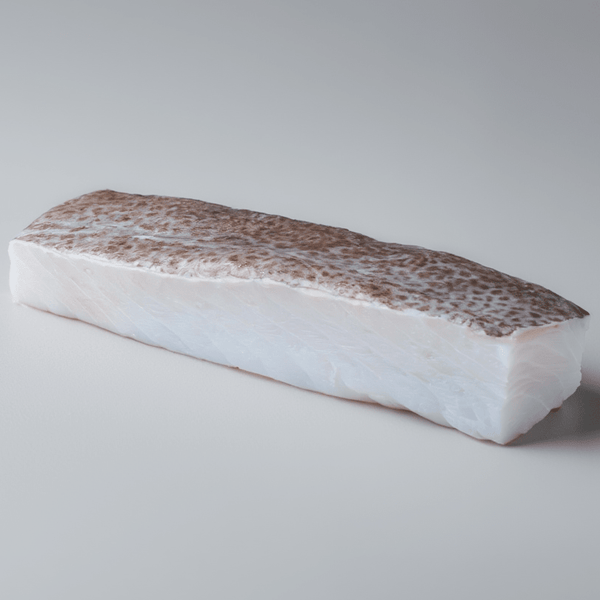
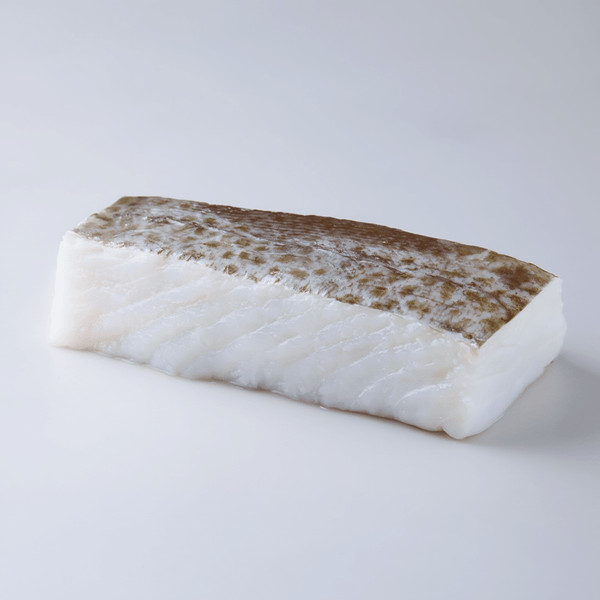
- Loin (the best option): the thickest and meatiest cut, from the central part of the cod. It is the ideal piece for battered cod because it has the perfect thickness (2-3 cm) to achieve the crispy-juicy contrast. Desalted cod loins already come cleaned and in portions ready for battering.
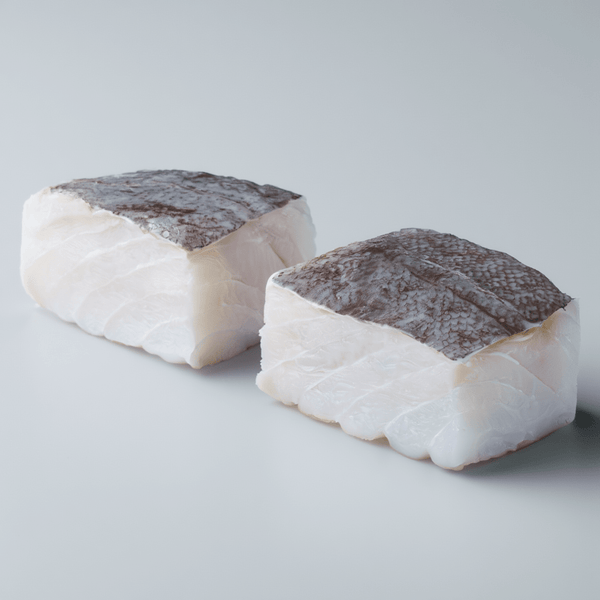
- Cheek: the noblest part, with the thickest and most gelatinous flesh. When battered and fried, the inside is almost confit, with an extraordinary melty texture. Cut the cheek into 3-4 cm pieces before battering. You can use the extra desalted cheek directly.
- Belly: the belly of the cod, somewhat thinner than the loin but with more natural fat. When battered, it is especially juicy. The extra desalted belly is perfect cut into 5x3 cm rectangles.
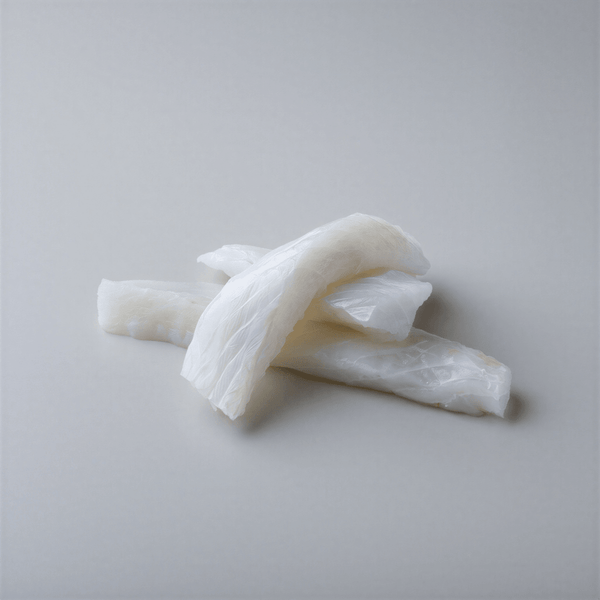
- Tail: thinner and tends to flake. It works well for battered strips like finger food, but it is not the best option for whole pieces. The desalted boneless tail is a good option if you are looking for a more economical result.
In any case, the essential thing is that the cod is well desalted, cleaned of bones and skin, and completely dry before battering. If you start with dried cod that needs desalting, calculate 24-36 hours of soaking, changing the water every 8 hours.
Tempura battered cod recipe
Tempura battered cod is the light and crispy version par excellence. The key lies in three principles: cold batter, minimal mixing, and very hot oil.
Ingredients for the tempura batter
- 100 g wheat flour (preferably pastry flour)
- 50 g cornstarch
- 200 ml very cold sparkling water (straight from the fridge)
- 1 egg yolk
- Ice cubes (2-3 units)
Preparation
- Mix the flour and cornstarch in a bowl. Make a well in the center.
- Lightly beat the egg yolk with the ice-cold sparkling water and pour it into the well.
- Mix with chopsticks or a fork, stirring 10-12 times. The batter should be lumpy and look uneven. If you overmix it, you'll activate the gluten, and the result will be rubbery instead of crispy.
- Add ice cubes to the bowl to keep the batter cold while frying.
- Pat the cod pieces dry, lightly flour them, hold them with a fork, dip them in the batter, and drop them directly into oil at 180-185 degrees C.
- Fry for 2-3 minutes until the coating is golden and crispy. Do not flip unless necessary.
If you want an even more detailed guide on this technique, we recommend our article on step-by-step tempura cod.
Orly battered cod (with beer) recipe
Orly batter is the favorite of many bars and restaurants because it produces a thick, airy, and very crispy batter that stays intact for longer. Beer provides gas (lightness), sugars (browning), and a subtle malt aroma that pairs perfectly with cod.
Ingredients for Orly batter
- 200 g wheat flour
- 200 ml ice-cold lager beer
- 1 egg (separate yolk from white)
- 1 tablespoon olive oil
- 1/2 teaspoon baking powder (like Royal)
- White pepper
Preparation
- Sift the flour with the baking powder into a large bowl.
- Make a well in the center, add the egg yolk, oil, and beer. Mix from the center outwards until you get a smooth batter without lumps, like a thick crepe batter.
- Let it rest for 30 minutes in the refrigerator. Resting allows the baking powder to activate and the batter to develop its airy texture.
- Just before frying, beat the egg white until stiff peaks form and fold it into the batter with enveloping movements.
- Pat the cod dry, lightly flour it, dip it in the Orly batter, and fry in oil at 175 degrees C for 4-5 minutes, flipping halfway through cooking.
The result is spectacular: a puffed, golden coating with visible bubbles and a crispiness that lasts. This is the version we recommend for preparing battered cod as an appetizer or tapa.
5 sauces to accompany battered cod
Battered cod improves exponentially with the right sauce. These are the five combinations that work best:
- Homemade aioli: the quintessential classic combination. Raw garlic and olive oil cut through the greasiness of frying and provide a powerful flavor contrast. All you need is a clove of garlic, a yolk, extra virgin olive oil, and a few drops of lemon.
- Tartar sauce: mayonnaise with very finely chopped pickles, capers, spring onion, and parsley. Its acidity and freshness complement battered cod in an unrivaled way. It's the classic sauce for British fish and chips but works equally well with Spanish cod.
- Green sauce: a mixture of parsley, garlic, olive oil, a little flour, and fish broth. It's the traditional Basque sauce that accompanies baked cod with potatoes but works wonderfully as a dip for battered pieces.
- Roasted piquillo peppers: blend some canned piquillo peppers with a tablespoon of olive oil and a clove of garlic. You get a smooth, slightly sweet cream that pairs well with the salty touch of the cod.
- Squeezed lemon: sometimes simple is best. A good squeeze of fresh lemon juice over the battered cod just before eating. The acidity of the citrus cuts through the fat, enhances the fish's flavor, and refreshes the palate.
Comparative nutritional table by type of batter
These are the approximate nutritional values per 200 g serving of battered cod (cod + coating), taking into account the oil absorbed during frying:
| Nutrient | Classic (flour + egg) | Tempura | Orly (beer) | Just flour |
|---|---|---|---|---|
| Calories | 290 kcal | 240 kcal | 320 kcal | 220 kcal |
| Proteins | 28 g | 26 g | 25 g | 29 g |
| Fats | 12 g | 8 g | 15 g | 7 g |
| Carbohydrates | 16 g | 14 g | 20 g | 10 g |
| Sodium | 480 mg | 460 mg | 490 mg | 450 mg |
Cod by itself is one of the highest protein and lowest fat fish (82 kcal per 100 g). Battering adds calories, but even in the most substantial version (Orly), we are talking about a moderate dish compared to other fried foods. The flour-only version is the lightest of all.
Regional variations of battered cod in Spain
Battered cod has as many versions as regions in Spain. These are the most representative:
- Pavías de bacalao (Madrid and central Spain): cod is cut into rectangular strips, marinated beforehand in lemon and parsley, battered with a light flour and egg mixture (sometimes with a touch of saffron), and fried. Pavías de bacalao are the quintessential tapa of classic Madrid bars and taverns in central Spain.
- Soldaditos de Pavía: miniature version of pavías, in smaller pieces, served as an appetizer skewered with a toothpick. The name comes, according to tradition, from 19th-century Italian soldiers stationed in Pavia. We explain the original version in our soldaditos de Pavía recipe.
- Andalusian battered cod: thin strips, floured without egg, fried at high temperature in olive oil. The style of Cadiz fish fryers: minimalist, crispy, and without additions. The important thing is the product and the quality of the oil. If you want to nail this style, follow our Andalusian cod recipe.
- Basque battered cod: thick pieces of loin, classic flour and egg batter, served with green sauce or choricero peppers. In the Basque Country, battered cod is a meal, not just a tapa, and is served as a main dish with a side.
- Cod fritters: technically not battered cod but cod incorporated into a batter that is fried by the spoonful, but they share the universe of fried cod. We have a complete guide to cod fritters with all variants.
- Grandma's battered cod: the traditional one, no shortcuts. Well-dried desalted cod, battered in flour and beaten egg, and fried in plenty of hot olive oil in just the right pan so the temperature doesn't drop. Grandmas' secret was always the same: good product, clean oil, and patience to fry in small batches. It is, in essence, the classic recipe given above in this guide.
How to store and reheat battered cod
Battered cod is infinitely better fresh, but if you have leftovers, these are the correct ways to store it and recover (as much as possible) its texture:
Storage
- Refrigerator: let the pieces cool completely on a wire rack, place them in an airtight container separated with parchment paper between layers, and store in the refrigerator for up to 2 days.
- Freezer: freeze the already fried pieces on a tray in a single layer (without touching each other). Once frozen, transfer them to a freezer bag. They will keep for 1 month.
Reheating (methods from best to worst)
- Oven at 200 degrees C: the best method. Place the pieces on a wire rack inside an oven tray for 8-10 minutes (12-15 if frozen). The batter recovers a lot of its crispiness.
- Air fryer at 180 degrees C: 5-6 minutes. Very similar result to the oven but faster. If you are interested in this technique, you will like our article on cod in an air fryer.
- Pan with a drop of oil: acceptable. Heat over medium-high heat with hardly any oil for 2-3 minutes per side.
- Microwave: avoid it. It turns the batter into a rubbery and sad layer. If you have no other option, place a glass of water inside the microwave next to the plate to reduce the effect.


🛒 Products mentioned in this article
⭐ 4.9/5 · Cold shipping 24-48h · Since 1990 at Mercat del Ninot
Frequently asked questions
What is the best flour for battering cod?
Regular wheat flour (all-purpose) is the most versatile. If you're looking for a crispier result, mix 80% wheat flour with 20% cornstarch. Chickpea flour is a gluten-free alternative that also provides an attractive golden color and a slightly toasted flavor. Avoid whole wheat flours as they absorb too much oil, resulting in a heavy texture.
Does cod need to be desalted before battering?
Yes, always. Dried or salted cod needs to be desalted for 24-36 hours in cold water, changing the water every 8 hours. If you buy pre-desalted cod, you save this entire process and can go straight to drying and battering. The salt level of quality desalted cod is just right so you don't need to add anything else.
At what temperature should battered cod be fried?
The optimal temperature is 175 degrees C for medium-thick pieces (2 cm). Lower to 165-170 degrees C for thick pieces (3+ cm) and raise to 180-185 degrees C for thin strips. If you don't have a thermometer, use the bread trick: drop a 1 cm piece of bread, and if it rises to the surface bubbling actively in 2-3 seconds without browning instantly, the temperature is good.
Why does the batter come off my cod?
The two main causes are: 1) the cod was not dry enough before flouring (moisture prevents the flour from sticking), and 2) you didn't shake off the excess flour before dipping in egg (loose flour clumps create air pockets where the batter separates). Dry thoroughly, flour lightly, and shake well. Problem solved.
Can battered cod be made in an air fryer?
Yes, and the result is surprisingly good. Batter the cod as you normally would (flour + egg), spray a little olive oil over it, and cook at 200 degrees C for 10-12 minutes, flipping halfway. You won't get exactly the same crispiness as with deep frying in oil, but you will get a very respectable result with a fraction of the fat.
How many calories does battered cod have?
It depends on the type of batter. A 200 g serving of cod with classic batter (flour + egg) is around 290 kcal. The tempura version is around 240 kcal, and the flour-only version is around 220 kcal. Unbattered cod has only 82 kcal per 100 g, so most of the calories come from the flour and absorbed oil.
Can I batter frozen cod?
It is not recommended. Frozen cod releases water when thawing and during frying, causing the batter to detach and oil to splatter. Always thaw completely in the refrigerator (12-24 hours), drain, pat very dry with paper towels, and then batter. The result will be much better.
What is the best oil for frying battered cod?
Mild olive oil (0.4 degrees) is the best option. It has a high smoke point (210 degrees C), imparts a subtle flavor that complements the cod, and is the traditional oil in Spanish cuisine. Extra virgin olive oil is too aromatic for deep frying. High-oleic sunflower oil is a more economical alternative that also works well.
What is the difference between pavías de bacalao and battered cod?
Pavías de bacalao are a specific type of battered cod. The main difference is that pavías are marinated beforehand (lemon, parsley, sometimes saffron) before battering, are cut into uniform rectangular strips, and the batter is usually lighter. Generic battered cod does not involve prior marinating and can be cut into any shape.
Can I prepare battered cod in advance?
You can flour the cod (without dipping in egg) up to 2 hours in advance and store it in the fridge, covered with cling film. The egg and frying should always be done just before serving. If you need to serve a large quantity at once (e.g., for a dinner or celebration), pre-fry at 160°C (without browning completely), let cool, and then do a second fry at 190°C just before serving.
Why does my battered cod turn out oily?
The problem is almost always that the oil wasn't hot enough. When the oil is below 165°C, the batter absorbs fat instead of sealing. Make sure the temperature is correct before you start frying, don't put too many pieces in at once (this lowers the oil temperature), and drain on a rack instead of paper.
Can I use fresh cod (unsalted) for battering?
Yes, of course. Fresh cod is battered exactly the same way as desalted cod, but with two differences: 1) you'll need to add a pinch of salt to the batter or the fish before flouring, and 2) the texture will be slightly different, softer and less firm. Desalted cod has a more compact texture due to the salting-desalting process, which makes it ideal for battering, but fresh cod also gives a very good result.




![Tataki de Atún: Receta Fácil con Salsa al Sésamo [Paso a Paso] - Bacalalo](http://bacalalo.com/cdn/shop/articles/tataki-de-atun-receta-facil-con-salsa-al-sesamo-paso-a-paso-1492742.jpg?v=1772706833&width=480)

