Summary: Bacalao a la vizcaína (cod Biscayan style) is one of the great dishes of Basque cuisine: desalted cod loins covered with a thick red sauce made with choricero peppers, slowly sautéed onion, and broth. In this guide, you will find the complete step-by-step recipe, grandmother's version, an easy and quick version, Arguiñano's method, tips for the sauce, variations (with clams, prawns, gratin), wine pairing, and 12 frequently asked questions.
Contents
- What is Bacalao a la Vizcaína
- The secret: the Vizcaína sauce
- Table: Choricero peppers vs. ñora vs. piquillo
- Ingredients for 4 people
- How to prepare Vizcaína sauce step by step
- Complete Bacalao a la Vizcaína recipe
- Easy and quick version
- Grandmother's recipe
- Arguiñano's method
- What cod to use for Vizcaína
- How to desalt cod for Vizcaína
- Nutritional table and variant comparison
- Accompaniments and presentation
- Pairing: Txakoli, Rioja and more
- Variations: with clams, prawns, gratin
- Storage and reheating
- Frequently asked questions
What is Bacalao a la Vizcaína
Bacalao a la vizcaína is one of the flagship dishes of Basque gastronomy and, by extension, of all Spanish cuisine. Born in the kitchens of Biscay, it combines two ingredients that defined the culinary identity of the Cantabrian Sea for centuries: salted cod brought by fishermen from Newfoundland and Iceland, and choricero peppers cultivated in Basque farmhouses.
What does Bacalao a la Vizcaína contain? The traditional Basque recipe is prepared with very few, but high-quality, ingredients:
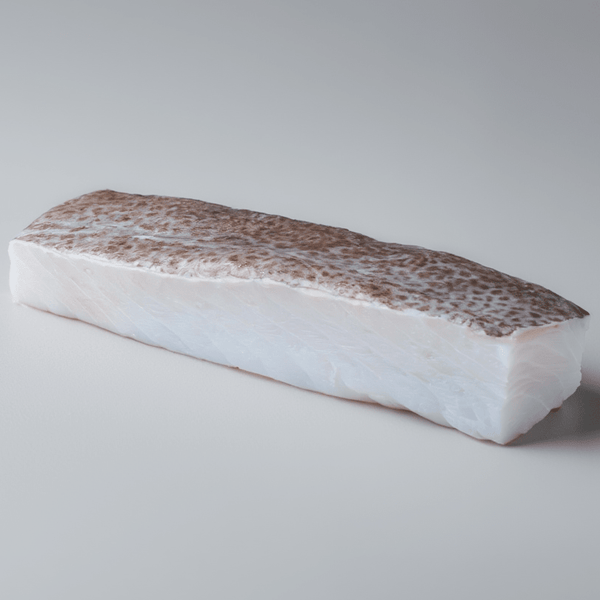
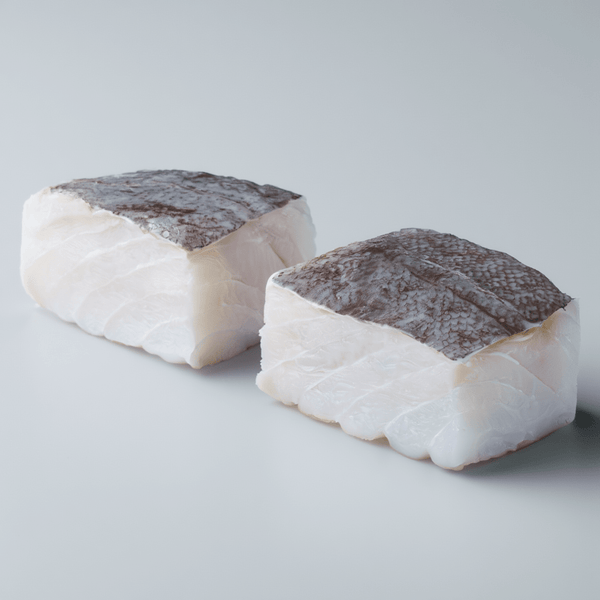
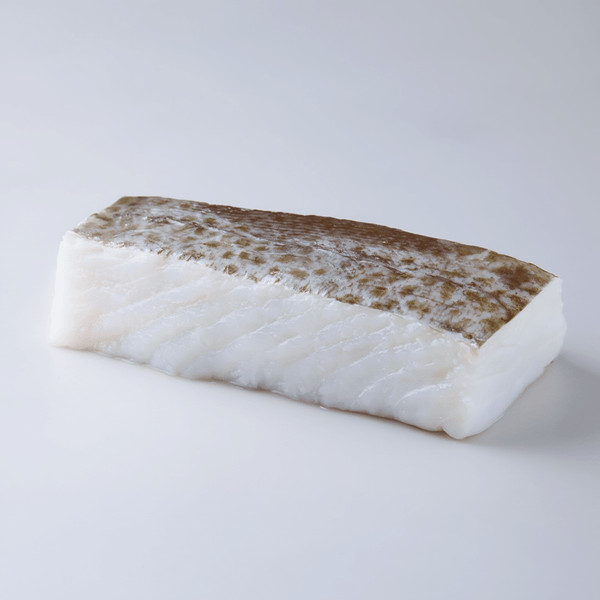
- Desalted cod (preferably loins), which forms the basis of the entire dish. You can buy it pre-desalted in our collection of desalted cod.
- Dried choricero peppers, rehydrated (the ingredient that gives the characteristic red color and sweet flavor).
- Onion slowly sautéed, the base of the sauce.
- Garlic, olive oil and, optionally, a little ham or bacon for the sofrito.
- Fish broth or water from desalting to bind the sauce.
The sauce is blended and passed through a chinois to achieve that velvety texture that defines authentic Vizcaína sauce. It does not contain tomato or spice in the traditional version.
Its origin dates back to the 18th century, when salted cod was the main protein during Lent in the Basque Country. Cooks from Bilbao and the coastal towns of Biscay developed this recipe as a way to transform a dry, salted fish into a sumptuous dish, thanks to a sauce that requires hours of patience but rewards with a depth of flavor difficult to surpass.
Unlike bacalao al pil pil or bacalao en salsa verde, which are relatively quick preparations, Vizcaína is a slow-cooked dish. The onion must be sautéed for at least an hour, the choricero peppers need to be rehydrated, and the sauce is strained to obtain that velvety texture that distinguishes it. It is grandmother's cooking, for Sunday, for celebrations.
The secret: the Vizcaína sauce
The Vizcaína sauce is the soul of the dish. Without it, you just have cooked cod. With it, you have one of the best dishes in Basque cuisine. Its base consists of three elements: choricero peppers, sautéed onion, and broth (fish broth or from the cod desalting itself).
The choricero peppers are key. They are dried peppers of the Capsicum annuum variety, traditionally grown in the Basque Country and Navarre. When rehydrated, their pulp provides a sweet, slightly smoky flavor, with an intense red color that defines Vizcaína. They are not spicy: they provide sweetness and depth.
The onion is sautéed over very low heat for 45-90 minutes until it breaks down and caramelizes gently. This slow cooking eliminates acidity and generates natural sugars that balance the sweetness of the choricero pepper. Many Basque grandmothers say that "Vizcaína cooks itself, it just needs time," and they are right: low heat and patience are irreplaceable.
Once the onion is sautéed and the pulp of the choriceros added, the sauce is blended and passed through a chinois or fine strainer. This removes skins and fibers, leaving a silky, thick, dark red cream that envelops the cod like a blanket.
Table: Choricero peppers vs. ñora vs. piquillo
Choosing the right pepper makes the difference between an authentic Vizcaína and an approximation. This table compares the three most common options:
| Characteristic | Choricero pepper | Ñora | Piquillo pepper |
|---|---|---|---|
| Type | Dried, elongated | Dried, round | Roasted, canned |
| Flavor | Sweet, slightly smoky | Sweet-bitter, earthy | Sweet, mild, fresh |
| Spiciness | None | Very slight | None |
| Sauce color | Intense dark red | Red-brown | Orange-red |
| Sauce texture | Thick, velvety | Finer, somewhat grainy | Smooth but watery |
| Preparation | Rehydrate 30 min, scrape pulp | Rehydrate 20 min, scrape | Use directly |
| For Vizcaína | Ideal, authentic | Acceptable substitute | Not recommended alone |
| Availability | Basque stores, online | Supermarkets | Supermarkets |
If you cannot find choricero peppers, use ñoras as a substitute: you will need 30% more to compensate for the lower intensity. Some cooks mix 2/3 choricero peppers and 1/3 ñoras to round out the flavor. Piquillo peppers alone produce a sauce that is too watery and lacks the necessary depth, but you can add a couple to the mixture for freshness.
Ingredients for 4 people
- 4 desalted cod loins -- 200-250 g each, minimum thickness 2.5 cm. You can use professional desalted cod ready to cook.
- 8-10 dried choricero peppers -- Basque or Navarrese quality. Alternatively, 4 heaped tablespoons of canned choricero pepper pulp.
- 3 large onions -- thinly sliced (julienne). Approximately 600 g.
- 4 cloves of garlic -- finely chopped.
- 1 ripe tomato -- grated (optional, some versions do not include it).
- 100 ml extra virgin olive oil -- mild, Arbequina type.
- 200 ml fish broth -- or water from the last desalting change. If not available, hot water.
- 1 teaspoon sweet paprika -- optional, enhances color.
- Flour -- for dusting the cod (1-2 tablespoons).
- Salt -- only if necessary. Remember that cod adds saltiness.


How to prepare Vizcaína sauce step by step
The sauce can (and should) be prepared in advance. Many Basque cooks make it the day before because it rests and matures better. Here are the steps:
- Rehydrate the choricero peppers. Place them in a bowl with hot (not boiling) water for 30 minutes. Once soft, open them, remove the seeds, and scrape out the pulp with a spoon. Discard the outer skin. Reserve the rehydration water.
- Sauté the onion. Heat the oil in a large saucepan over low heat. Add the julienned onion and chopped garlic. Cook, stirring occasionally, for 45-60 minutes until the onion is completely broken down, translucent, and slightly golden. This step is non-negotiable: a poorly sautéed onion produces an acidic, thin sauce.
- Add the choricero pulp and tomato. Incorporate the scraped pulp and, if using, the grated tomato. Sauté for 10 minutes over medium-low heat, stirring to combine.
- Add the broth. Pour in the fish broth or the choricero rehydration water, which has flavor and color. Cook over low heat for 15-20 minutes to concentrate the flavors.
- Blend and strain. Blend the sauce until a homogeneous cream is obtained. Then, strain it through a chinois or fine sieve, pressing with a spoon to extract all the pulp. The final texture should be thick, silky, without lumps or skins.
- Adjust seasoning. Taste the sauce and adjust salt if necessary. If it is too thick, add a tablespoon of broth. If it is too thin, reduce over low heat for 5-10 more minutes. The correct color is dark red, tending towards maroon.
Complete Bacalao a la Vizcaína recipe step by step
With the sauce already made, assembling the dish is relatively simple. Here are the steps for a professional result:
- Dry the cod. Remove it from the desalting water and dry it thoroughly with paper towels. Surface moisture prevents searing and causes splashing on contact with hot oil.
- Lightly flour. Dust the loins with flour, shaking off any excess. The flour forms a thin crust that protects the flesh and slightly thickens the sauce when cooked.
- Sear the cod. In a pan with two tablespoons of oil over medium-high heat, brown the loins for 2 minutes on each side. Do not overcook: you are only looking for a golden exterior. Set aside on absorbent paper.
- Preheat the casserole. If using an earthenware casserole (ideal), heat it gradually to prevent cracking. If using an iron or steel casserole, this step is not necessary.
- Pour the sauce. Place the Vizcaína sauce in the casserole over medium-low heat. It should bubble gently, never boil vigorously.
- Add the cod. Place the loins on the sauce, skin side up. Spoon sauce over the top.
- Cook over low heat for 15-20 minutes. Move the casserole with gentle circular motions every 3-4 minutes so that the sauce envelops the cod. Do not use a spoon to move the loins: they would break.
- Check for doneness. The cod is ready when the flakes separate easily when gently pressed with a fork. The flesh should be juicy inside, never dry.
- Rest for 5 minutes. Remove from heat and let rest, covered. The sauce settles and the cod absorbs more flavor.
- Serve in the casserole. Vizcaína is traditionally served in the same earthenware casserole, directly from the fire to the table.
Easy and quick version of Bacalao a la Vizcaína
If you don't have an hour to sauté onions, this easy version of Bacalao a la Vizcaína reduces the time to 35-40 minutes without sacrificing too much flavor:
- Use canned choricero pulp (sold in jars in Basque stores and online). This saves you 30 minutes of rehydration and scraping.
- Finely dice the onion (brunoise) instead of julienning. Being smaller pieces, it will sauté in 25-30 minutes instead of 50.
- Add a pinch of sugar (half a teaspoon) when sautéing the onion to speed up caramelization.
- Use professional desalted cod. This saves you 36-48 hours of desalting. Bacalalo's desalted cod loins come with the perfect salt level.
- Skip the straining step if you blend well with a powerful blender. The result is slightly less fine but perfectly acceptable for a weeknight dinner.
The quick order: sauté onion (25 min) + mix with choricero pulp and broth (10 min) + blend + sear cod (4 min) + cook in sauce (15 min) = less than 1 hour total.
Grandmother's recipe: traditional Bacalao a la Vizcaína
The grandmother's recipe for Bacalao a la Vizcaína is distinguished by three details that modern versions often omit:
First, the base sofrito with ham. Basque grandmothers added a piece of bacon or cured ham (about 50g, finely chopped) at the beginning of the sofrito, before the onion. The fat from the ham contributed an umami flavor that rounded out the sauce. You will find this step in Nicolasa Pradera's cookbooks and in many gastronomic societies.
Second, very long onion cooking. Grandmothers sautéed the onion for an hour and a half or even two hours, stirring with a wooden spoon, until the onion practically melted into a sweet jam. This extreme patience produces a sauce with a depth of flavor that 45 minutes cannot replicate.
Third, fried bread. Some grandmother's versions include a slice of day-old bread, fried in oil and added when blending the sauce. The bread gives extra body and a touch reminiscent of the thick sauces of ancient Basque cuisine, such as the squid in its ink sauce.
To follow this version, use the complete recipe above but incorporate the bacon at the beginning, extend the onion sautéing to 90 minutes, and add a slice of fried bread before blending.
Arguiñano's method
Karlos Arguiñano, the most media-savvy Basque chef, has his own version of Bacalao a la Vizcaína which has become very popular on television. His method differs in several points:
- Green pepper in the sofrito. Arguiñano adds half a finely chopped green pepper along with the onion, something that purist Biscayans do not approve of but which provides a fresh counterpoint.
- White wine. He deglazes the sofrito with a splash of white wine (ideally Txakoli) before adding the choricero pulp. The alcohol evaporates and leaves an acidity that balances the sweetness.
- Less sautéing time. Arguiñano sautéed the onion for about 30-40 minutes, compensating with a longer final cooking of the complete sauce.
- Presentation with hard-boiled egg. In this version, the dish is often topped with slices of hard-boiled egg and strips of rehydrated choricero pepper, a classic Basque touch for festive vizcaína.
Arguiñano's result is a fresher and lighter vizcaína than the traditional version, ideal if you are looking for a less concentrated flavor.
What cod to use for vizcaína
Vizcaína is a hearty dish where the sauce dominates, but that doesn't mean just any cod will do. You need pieces that maintain their structure after 15-20 minutes in the sauce.
| Piece | Ideal thickness | Result in vizcaína | Recommendation |
|---|---|---|---|
| Loins / small loins | 2.5-4 cm | Compact, juicy, defined flakes | Ideal |
| Snout (large kokotxa) | 3-5 cm | Very gelatinous, unctuous texture | Excellent |
| Center / upper loin | 3-4 cm | Balance between meat and gelatin | Very good |
| Tail / slices | 2-3 cm | More bones, less meat | Acceptable |
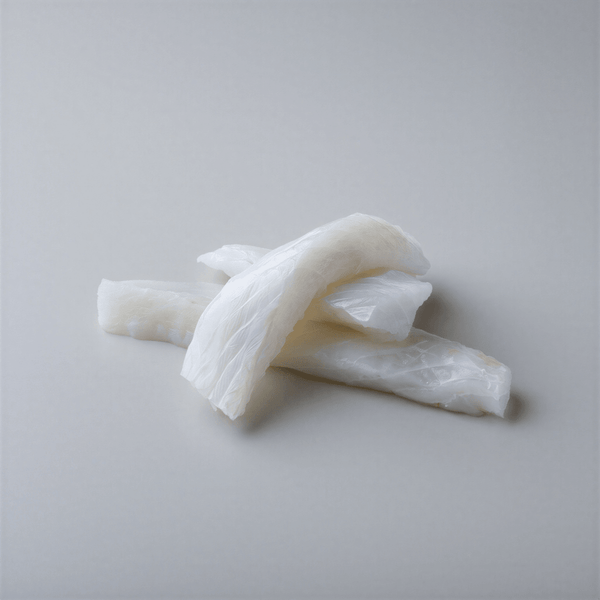
| Shredded | - | Disintegrates in the sauce | Only for croquettes |
The best option is thick loins or small loins, desalted and with skin. The skin provides gelatin that slightly thickens the sauce during cooking. If you prefer a more unctuous texture, desalted cod snout is extraordinary for vizcaína.
The cod should be from cold waters (Iceland, Norway, Faroe). Cold-water cod has firmer meat, higher protein content, and withstands prolonged cooking in sauce better. Cod from temperate waters tends to fall apart. More information in our guide to recipes with desalted cod.
How to desalt cod for vizcaína
If you start with dried salted cod, you need to desalt it correctly. Poor desalting ruins the vizcaína: too much salt masks the sauce and too little leaves the cod bland.
- Cut into portions before desalting. Individual pieces desalt faster and more uniformly than a large block.
- Submerge in plenty of cold water (3 liters per 500 g of cod). Place the piece skin-side up so the salt falls by gravity.
- Change the water 3 times in 36-48 hours: at 12, 24, and 36 hours. Always keep in the refrigerator (5-8 degrees C).
- Taste before cooking. Cut off a corner, boil for 30 seconds in water, and taste. It should be barely salted, because vizcaína sauce does not contain added salt.
If you prefer to avoid this process, Bacalalo's desalted cod loins come with the exact salt level, ready to cook in less than a minute of preparation.
Nutritional table and variant comparison
These are the approximate values per serving (a 220g loin with sauce) of cod a la vizcaína and its variants:
| Variant | Calories | Proteins | Fats | Carbohydrates | Total time |
|---|---|---|---|---|---|
| Classic vizcaína | 380 kcal | 32 g | 22 g | 12 g | 90 min |
| Easy version | 370 kcal | 32 g | 20 g | 12 g | 55 min |
| Grandma's recipe (with ham) | 420 kcal | 35 g | 26 g | 12 g | 150 min |
| With clams | 410 kcal | 38 g | 22 g | 12 g | 100 min |
| Gratin | 430 kcal | 34 g | 28 g | 13 g | 100 min |
Cod a la vizcaína is a moderately caloric dish thanks to olive oil, but rich in high-quality proteins and monounsaturated fats. The vizcaína sauce, being based on vegetables (onion, pepper), provides fiber and vitamins A and C from the choricero pepper.
Accompaniments and presentation
Vizcaína is traditionally served in an earthenware pot, with the sauce generously covering the loins. These are the classic accompaniments and some alternatives:
- Boiled potatoes. The canonical accompaniment. Sliced thickly and cooked separately, they are added to the casserole for the last 5 minutes to absorb the sauce.
- Farmhouse bread. Essential for dipping in the sauce. A good rustic bread with a crispy crust and spongy crumb.
- Piquillo peppers. Whole or in strips, they provide a sweet counterpoint that complements without competing.
- Hard-boiled egg. Sliced, it is the classic Basque touch for holiday vizcaínas.
- White rice. Less traditional but functional: absorbs leftover sauce.
- Green salad. Lettuce, escarole or lamb's lettuce with a light vinaigrette: the fresh contrast that balances the richness of the dish.
For presentation, place the loins centered in the casserole, generously bathe with sauce and decorate with a few strips of rehydrated choricero pepper on top. If you want a modern touch, a sprig of fresh parsley adds color.
Pairing: txakoli, Rioja and more
Vizcaína is a dish with intense flavor, sweet from the onion and pepper, slightly oily from the oil. It needs wines that balance without dominating:
- Txakoli from Getaria (Getariako Txakolina). The natural pairing. Its high acidity, subtle bubbles and marine salinity cut through the fat and refresh the palate between bites. Serve very cold, at 6-8 degrees C.
- Rioja Crianza. A young red with good acidity and soft tannins complements the sweetness of the choricero pepper without overpowering the cod. Look for Crianza wines made from Tempranillo with 12-14 months in barrel.
- Godello or Albariño. Galician whites with enough body to withstand the intensity of the sauce. Godello, with its mineral notes, works especially well.
- Rosé from Navarra. A well-structured Navarre Garnacha rosé offers versatility: it works with the sauce and refreshes like a white.
- Basque natural cider. The informal option. Its acidity and natural carbonation wonderfully cleanse the palate. Ideal if serving vizcaína at a txoko or cider house meal.
Variants: with clams, prawns, gratin
Vizcaína sauce is so versatile that it allows for multiple variations on the basic recipe:
Cod a la vizcaína with clams. Add 500g of clams (previously purged in salt water for 2 hours) to the pot during the last 5 minutes of cooking. They open with the heat of the sauce and provide a marine juice that enhances the overall flavor. Remove any that do not open.
Cod a la vizcaína with prawns. Sear 8-12 peeled prawns (leave tails on) in a separate pan for 1 minute per side. Incorporate them into the casserole along with the cod for the last 3 minutes. The prawns add sweetness and elegance without altering the base sauce.
Gratin cod a la vizcaína. Once the cod is cooked in its sauce, cover it with a thin layer of light béchamel or simply grated Parmesan cheese. Gratin in the oven at 220 degrees C for 5-7 minutes until golden brown. The crunchy crust contrasts with the smoothness of the sauce and cod.
Vizcaína with eggs. In the Basque Country, poached eggs are served over vizcaína sauce as a Lenten dish. Heat the sauce in an individual casserole, make a well, and crack an egg. Cover and cook for 4-5 minutes until the white sets. A spectacular dinner with minimal effort.
Storage and reheating instructions
Cod a la vizcaína is one of those dishes that improves with resting. Properly stored, the next day the sauce has penetrated the cod more, and the flavors are integrated.
- In the refrigerator: up to 3 days in an airtight container. Store the sauce and cod together so it continues to marinate.
- In the freezer: up to 2 months. Freeze in individual portions with plenty of sauce. Vizcaína sauce freezes very well; the cod loses some texture but is still good.
- To reheat: always over low heat in a pot, never in the microwave. Add a spoonful of broth or water if the sauce has thickened too much. Heat for 8-10 minutes, gently swirling the pot. The cod should reach temperature without boiling.
- The sauce alone keeps for 5 days in the refrigerator and 3 months in the freezer. Make a double batch and you'll have vizcaína sauce ready for next time.


Tips for a perfect vizcaína
- Patience with the onion: 80% of the success of this sauce lies in slowly sautéing the onion. If you rush it, the sauce will have a raw flavor and a grainy texture.
- Good choricero peppers: the quality of the pepper determines the color and flavor of the sauce. Look for choricero peppers from Rioja or Navarra, which have thicker, sweeter flesh.
- Always strain the sauce: passing it through a chinois or strainer removes fibers and skins that ruin the velvety texture.
- Do not stir with a spoon: move the pot with circular motions so the cod doesn't break apart but the sauce binds well.
- Make the sauce the day before: vizcaína sauce gains a lot of flavor with 24 hours of rest in the refrigerator. Make the sauce one day, assemble the dish the next.
- Save the desalting water: the last water from desalting the cod contains collagen and gelatin. Use it as part of the liquid for the sauce for a silkier texture.
Common mistakes when making cod a la vizcaína
- Adding tomato: the original recipe does not include tomato. If you add it, you get a tasty dish but not an authentic vizcaína. The red color comes solely from the choricero peppers.
- Burning the onion: if the onion browns too quickly, the sauce will have a bitter taste. Low heat and patience.
- Sauce too runny: if the sauce is too runny, reduce it over low heat before adding the cod, or add more bread to thicken it.
- Overcooking the cod: during the final cooking, the cod only needs 10-15 minutes in the sauce. If you cook it longer, it will fall apart and lose its flaky texture.
- Using overly thin loins: thin cuts break easily in the sauce. Always use thick loins of 3-4 cm.
- Insufficient desalting: poorly desalted cod with excess salt will ruin all the work on the sauce. Check the salt level by cutting a corner and tasting it.
🛒 Products mentioned in this article
⭐ 4.9/5 · Cold shipping 24-48h · Since 1990 at Mercat del Ninot
Frequently asked questions
What is the difference between cod a la vizcaína and cod a la bilbaína?
Vizcaína has a sauce made from choricero peppers and sautéed onion. Bilbaína is a different preparation: the cod is cooked in oil with sliced garlic, and then chili and vinegar are added. They are completely different dishes, although both are from Bizkaia.
Can cod a la vizcaína be made without choricero peppers?
Not with an authentic result. You can partially substitute with ñoras (you'll need 30% more) or with a mix of ñoras and piquillo peppers. There is also preserved choricero pulp that simplifies the process. What you should not do is use paprika as the main substitute: the flavor is completely different.
How long does cod a la vizcaína take to make?
The traditional version takes about 2 hours: 30 minutes to rehydrate the choriceros, 45-60 minutes to sauté the onion and prepare the sauce, and 20-25 minutes to cook the cod in the sauce. The easy version can be made in 55 minutes. If using dried cod, add 36-48 hours for prior desalting.
Can I make the vizcaína sauce in advance?
Yes, and it's highly recommended. Vizcaína sauce keeps for 5 days in the refrigerator and 3 months in the freezer. Many Basque chefs prepare it in large quantities and store it in portions. The day you want to eat vizcaína, you just have to heat the sauce and cook the cod in it for 15-20 minutes.
Does cod a la vizcaína contain tomatoes?
It's a debated question. The most purist recipe does not contain tomatoes: only choricero pepper, onion, garlic, and broth. However, many popular versions include a grated tomato in the sofrito. Arguiñano uses it in some of his versions. Tomatoes add acidity that some people prefer, but it is not essential.
Which cut of cod is best for 'a la vizcaína'?
Thick loins or fillets (2.5-4 cm) are ideal: they maintain their structure during cooking in sauce and offer juicy, well-defined flakes. Cod kokotxas are an excellent alternative due to their gelatinous texture. Avoid thin pieces or shredded cod, as they tend to fall apart in the sauce. Professional desalted cod ready for 'a la vizcaína'.
Can I freeze cod 'a la vizcaína' once it's cooked?
Yes. Freeze in individual portions with plenty of sauce, in an airtight container or vacuum-seal bag. It will last up to 2 months without significant loss of flavor. The sauce freezes perfectly; the cod may lose some firmness but will still be very good. Thaw in the refrigerator 24 hours before and reheat over low heat.
Which wine pairs best with cod 'a la vizcaína'?
Getaria Txakoli is the classic pairing: its acidity and salinity balance the intensity of the sauce. A Rioja Crianza with soft tannins also works very well. If you prefer a full-bodied white, a Galician Godello or Albariño holds up well to the dish's intensity. And for an informal meal, natural Basque cider.
Why is my Vizcaína sauce bitter?
The most common causes are: onion not properly sautéed (it needs at least 45 minutes over low heat), choricero pepper seeds not properly removed, or burnt garlic. Make sure to scrape only the inner pulp of the choricero without any skin residue. If it's already bitter, add a teaspoon of sugar or honey to compensate.
How do I know when the cod is properly desalted for Vizcaína?
Cut a corner of the thickest piece, boil it for 30 seconds in unsalted water, and taste it. It should be barely salty, tending towards bland, because the Vizcaína sauce provides intense flavor. If it's still too salty, change the water and leave it for another 12 hours. If you don't want to risk it, use professional desalted cod.
Is cod 'a la vizcaína' suitable for children?
Yes. Vizcaína sauce is not spicy (choricero pepper is sweet) and desalted cod is a mild fish. Make sure to remove all bones before serving it to children. The velvety sauce and its red color are usually very popular with little ones.
Can I use Vizcaína sauce for other dishes?
Vizcaína sauce is extremely versatile. It works with hake, sea bass, poached eggs, stuffed potatoes, cod croquettes as an accompaniment, and even with chicken or pork. Prepare a double batch and you'll have a premium sauce base for several meals during the week.
Related Guides
- Cod al pil pil: step-by-step Basque recipe
- Cod in green sauce: traditional recipe
- Baked cod with potatoes: the ultimate recipe
- Recipes with desalted cod: quick and easy ideas
- Cod croquettes: creamy step-by-step recipe
- Premium desalted cod from Iceland
- Dried salted cod: all cuts
Get the perfect cod for your Vizcaína: desalted cod loins ready to cook, desalted cod kokotxas for a gelatinous texture, or the Cod Gran Reserva Box to try all cuts. Refrigerated shipping throughout Spain in 24-48 hours. At Bacalalo we work only with cod from Iceland and Norway, selected for recipes that demand uncompromising quality.