


Summary: Oily fish is one of the most potent sources of omega-3, high-quality protein, and B vitamins available. In this comprehensive guide, you'll find a list of over 30 species of oily fish, their nutritional properties, the real differences from white fish, how much to eat per week, and how to choose the best oily fish for your health and cooking.
At Bacalalo, we have been selecting every piece of cod at Mercat del Ninot since 1990.
Contents
- What is oily fish
- Difference between oily and white fish
- Complete list of oily fish (30+ species)
- Nutritional properties of oily fish
- Omega-3 and its health benefits
- List of white fish
- How to identify oily fish
- Best oily fish to buy
- Oily fish recipes
- Canned oily fish
- How much oily fish to eat per week
- Mercury and heavy metals in fish
- Oily or white fish: which is better?
- The 3 fish to avoid
- Frequently asked questions
Oily Fish: Complete List, Nutritional Properties, and Benefits
Oily fish is one of the most complete and healthy foods available. Organizations like the WHO, AESAN, and the Spanish Heart Foundation unanimously recommend it as an essential part of a balanced diet. However, many people don't know exactly which fish are oily, what their true properties are, or how much they should consume.
In this guide, we answer all your questions: from scientific classification to practical buying tips and recipes. We explain why oily fish is different from white fish, provide a complete list of species, and tell you how to intelligently include it in your weekly diet.
What is oily fish
Oily fish is fish whose fat content exceeds 5% of its weight. Unlike white fish, which stores fat in its liver, oily fish distributes it throughout its muscles. This intramuscular fat is primarily omega-3 (polyunsaturated fatty acids EPA and DHA), which makes oily fish a food with proven anti-inflammatory and cardioprotective properties.
The name "blue" (azul) does not refer to the color of the flesh (which can be pink, reddish, or even light), but to the bluish or greenish tone of the back that many of these species display on their dorsal side. Sardines, mackerel, anchovies, and tuna share this external characteristic.
Another peculiarity is that oily fish are usually pelagic species: they live in open waters and travel long distances migrating. This constant physical activity and the need for energy reserves explain why they accumulate more fat than demersal (bottom-dwelling) fish, which lead a more sedentary life.
Difference between oily and white fish
The classification of oily, white, and semi-oily fish is based on a single criterion: the percentage of fat in the flesh. Everything else (flavor, texture, nutritional value, cooking techniques) derives from this fundamental difference.
| Characteristic | White fish | Semi-oily fish | Oily fish |
|---|---|---|---|
| Fat in flesh | Less than 2% | Between 2% and 5% | More than 5% |
| Fat storage | Liver | Mixed | Muscle |
| Calories (100 g) | 60-90 kcal | 90-130 kcal | 120-230 kcal |
| Omega-3 (100 g) | 0.1-0.3 g | 0.3-1.0 g | 1.0-3.5 g |
| Flavor | Mild, delicate | Medium | Intense, marine |
| Texture | Firm, flaky | Intermediate | Juicy, unctuous |
| Flesh color | White or very light | Light to pinkish | Pink, reddish, or dark |
| Ideal cooking | Steamed, baked, stews | Versatile | Grilled, pan-fried, raw |
| Examples | Cod, hake, monkfish | Sea bream, sea bass, trout | Sardine, salmon, tuna |
Important fact: cod is a white fish (only 0.7% fat in its flesh). However, its liver contains one of the highest concentrations of omega-3 in the animal kingdom, which is why cod liver oil has been a traditional supplement for centuries.
Complete list of oily fish (30+ species)
This table lists all common oily fish species found in Spanish markets, along with their omega-3 content, optimal season for consumption, and most common culinary uses. We have organized it from highest to lowest fat content.
| Species | Fat (%) | Omega-3 (g/100g) | Optimal season | Most common use |
|---|---|---|---|---|
| Eel | 25% | 1.3 | Autumn-winter | Smoked, stewed, elvers |
| Bluefin tuna | 15% | 2.7 | May-July | Raw (sashimi), grilled, tataki |
| Atlantic salmon | 13% | 2.3 | Year-round | Smoked, baked, raw, grilled |
| Herring | 12% | 2.0 | Autumn-winter | Smoked, escabeche, pickled |
| Mackerel (verdel) | 11% | 2.5 | February-May | Canned, grilled, escabeche |
| Pomfret | 10% | 1.5 | Summer-autumn | Baked, grilled |
| Sardine | 10% | 1.5 | June-October | Skewered, grilled, canned, fried |
| Horse mackerel (chicharro) | 9% | 1.4 | Summer-autumn | Fried, escabeche, baked |
| Swordfish (emperador) | 8% | 1.0 | Spring-summer | Grilled, baked |
| Shad | 8% | 1.3 | Spring | Baked, roasted |
| Lamprey | 8% | 0.9 | January-April | Stewed (à la bordelaise) |
| Pacific salmon | 8% | 1.8 | June-September | Smoked, grilled, baked |
| Red mullet | 7% | 1.1 | Spring-summer | Fried, grilled, baked |
| Large horse mackerel | 7% | 1.2 | Summer | Escabeche, fried |
| Anchovy / boquerón | 6% | 1.5 | April-July | Vinegar, salted, fried |
| Albacore tuna (bonito del norte) | 6% | 1.8 | June-October | Canned, marmitako, baked |
| Skipjack tuna (rabil) | 6% | 1.3 | Year-round | Canned, salad, grilled |
| Frigate tuna | 6% | 1.2 | Spring-summer | Canned, salad |
| Bullet tuna | 6% | 1.3 | Autumn-winter | Fried, escabeche |
| Atlantic chub mackerel | 6% | 1.8 | March-June | Grilled, canned |
| Pink salmon | 6% | 1.0 | July-September | Canned, smoked |
| Smooth-hound shark | 6% | 0.8 | Spring-summer | Fried (bienmesabe), marinated |
| Sardina pilchard | 6% | 1.1 | Summer | Canned, grilled |
| Greater amberjack (seriola) | 5.5% | 0.9 | Autumn-winter | Raw (sashimi), grilled |
| Sprat | 5.5% | 1.4 | Year-round | Canned, fried |
| Sea bream (sargo) | 5% | 0.8 | Winter-spring | Baked, grilled |
| Small-spotted catshark | 5% | 0.7 | Year-round | Fried, stewed |
| Mako shark | 5% | 0.9 | Summer-autumn | Grilled, baked |
| Mullet (mújol) | 5% | 0.7 | Autumn | Baked, smoked, roe (mojama) |
| Bluefish (serviola) | 5% | 0.8 | Summer-autumn | Grilled, raw, ceviche |
| Common sea bream (breca) | 5% | 0.7 | Summer | Baked, fried |
Note: Fat percentage can vary significantly depending on the time of year (before spawning, fish are fattier), catch area, and whether it is wild or farmed. The values shown are annual averages.
Nutritional properties of oily fish
Oily fish is not just omega-3. It is a nutritionally dense food that provides a combination of macronutrients and micronutrients difficult to find in other foods.
Macronutrients
- High biological value protein: between 18 and 25 g per 100 g. Contains all essential amino acids in ideal proportions for human absorption.
- Healthy fats: predominance of polyunsaturated (omega-3) and monounsaturated fatty acids. Low saturated fat content (less than 30% of total fat).
- No carbohydrates: like all animal protein, it contains no carbohydrates or fiber.
Vitamins
- Vitamin D: oily fish is one of the best dietary sources of vitamin D. A serving of salmon (150 g) covers 100% of daily needs.
- B vitamins: especially B12 (essential for the nervous system), B6, and niacin. Sardines with bones also provide an exceptional amount of B12 (8.9 μg/100 g).
- Vitamin A: present in higher concentration in sardines, mackerel, and herring.
- Vitamin E: acts as an antioxidant, protecting omega-3 fatty acids from oxidation.
Minerals
- Selenium: key antioxidant, with concentrations of 30-52 μg per 100 g (50-95% of the recommended daily value).
- Phosphorus: essential for bones and teeth, with 200-300 mg per 100 g.
- Iodine: fundamental for the thyroid, especially in marine fish.
- Calcium: sardines and anchovies consumed with bones (as in canned products) provide more calcium than a glass of milk.
- Iron: in heme form (high absorption), especially in bluefin tuna, albacore, and sardines.
Omega-3 and its health benefits
Long-chain omega-3 fatty acids (EPA and DHA) are the main reason health professionals recommend eating oily fish. Unlike plant-based omega-3 (ALA, found in walnuts and flaxseed), EPA and DHA from fish do not require conversion and are directly usable by the body.
Cardiovascular benefits
Omega-3 reduces blood triglycerides (up to 30% in therapeutic doses), lowers blood pressure, improves vascular endothelial function, and has an antithrombotic effect. The European Society of Cardiology recommends consuming oily fish at least twice a week for primary prevention of cardiovascular diseases.
Brain function
DHA constitutes 40% of the fatty acids in the brain. Adequate intake is associated with better cognitive function, lower risk of cognitive decline in older adults, and better neural development in children and infants. During pregnancy, DHA intake is especially important for fetal nervous system development.
Anti-inflammatory effect
EPA is a precursor to resolvins and protectins, molecules that regulate inflammation. Regular consumption of omega-3 is associated with a lower incidence of chronic inflammatory diseases such as rheumatoid arthritis, asthma, and autoimmune diseases.
Other documented benefits
- Eye health: DHA is a structural component of the retina. Its intake protects against macular degeneration.
- Joint health: reduces stiffness and pain in inflamed joints.
- Skin and hair: helps maintain skin hydration and elasticity.
- Mental health: growing evidence of its role in the prevention and adjuvant treatment of depression.
Canned Oily Fish — Bacalalo
Sardines in Olive Oil
€3.25
Cantabrian Anchovies "0" Gourmet
38,90 €
Olasagasti Northern White Tuna
13,95 €
Northern White Tuna Belly
12,95 €
24-48h shipping throughout the Peninsula · Spanish gourmet preserves
List of white fish
To complete the picture, these are the main white fish (less than 2% fat) available in Spanish markets. Combining oily and white fish in your weekly diet is the optimal nutritional strategy recommended by AESAN.
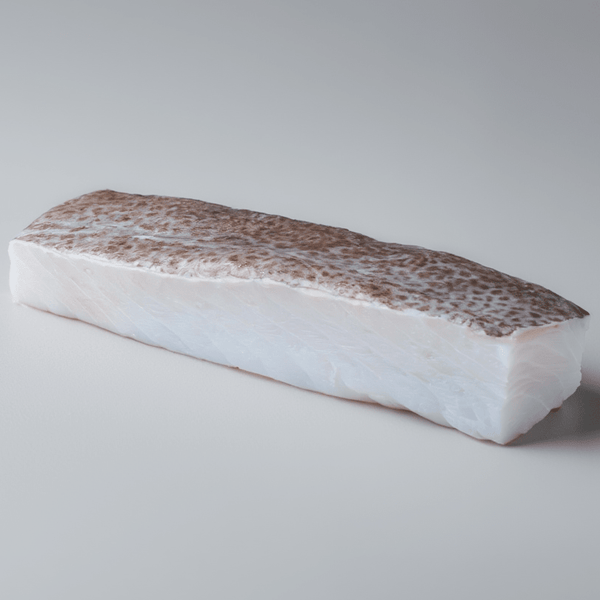
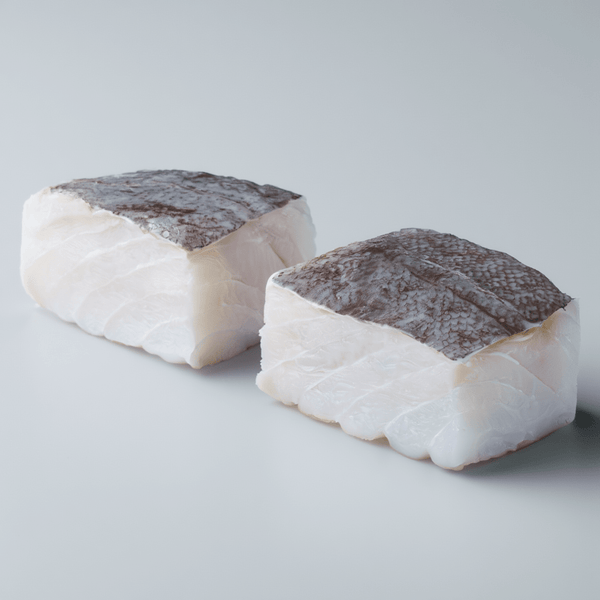
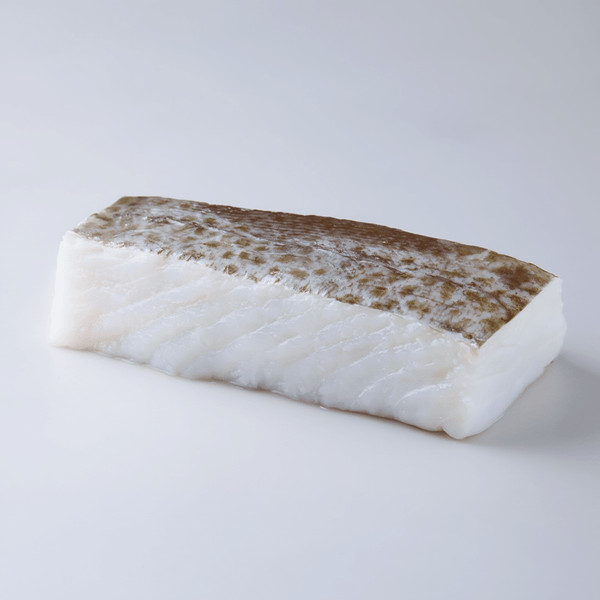
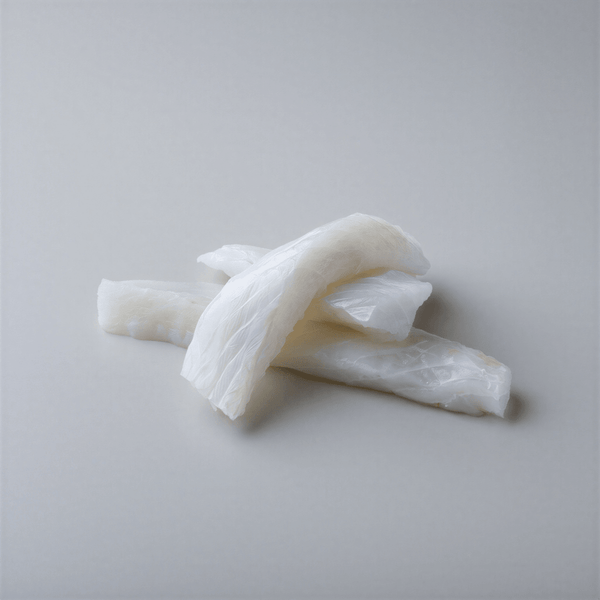
- Cod (0.7% fat): the king of white fish. Firm flesh, clean flavor, extraordinarily versatile in cooking. Available at Bacalalo in multiple formats.
- Hake (1.8%): arguably the most consumed white fish in Spain. Smooth and delicate texture.
- Monkfish (0.3%): the leanest of all. Firm, boneless flesh, ideal for children.
- Sole (1.5%): fine, delicate, and elegantly flavored. A classic of haute cuisine.
- John Dory / St. Peter's Fish (1.2%): white, soft flesh in thin flakes.
- Turbot (1.7%): a flat fish with firm texture and an intense flavor for a white fish.
- Grouper (0.9%): compact and juicy flesh, increasingly scarce and protected.
- Whiting (1.0%): young hake, more economical and widely used for frying.
- Sea Bream (1.8%): a Christmas classic, fine and flavorful flesh.
- Pomfret (1.5%): not to be confused with black pomfret (which is semi-fatty).
Semi-fatty fish (2-5% fat) fall in between: sea bream (2.5%), sea bass (3.4%), trout (3%), and seasonal sea bream. Depending on the time of year, some may be classified as oily or semi-fatty.
How to identify oily fish
If you're at the fishmonger's and want to know if a fish is oily or white, there are several visual clues that will help you identify it without needing to consult charts:
- Arrow-shaped tail (forked caudal fin): oily fish are fast swimmers and their tails have a pronounced V-shape. White fish usually have rounder or straighter tails.
- Bluish-green back: the upper part of the body usually has intense blue, green, or silvery reflections. Sardines, anchovies, and mackerel are clear examples.
- Fusiform (torpedo-shaped) body: designed for speed. White fish are usually flatter (turbot, sole) or have less hydrodynamic shapes.
- Relative head size: in oily fish, the head is usually proportionally smaller relative to the body than in white fish.
- Flesh color: when cut open, pink, reddish, or orange flesh indicates fat content. Very white flesh is usually white fish.
The most reliable trick: ask the fishmonger. A good fish professional knows how to classify each species and will also tell you its origin and freshness, two factors as important, or even more so, than the type of fish.
Best oily fish to buy
Not all oily fish are equal in terms of quality-price ratio, nutritional value, and sustainability. Here is our selection of the most recommended:
For fresh consumption
- Sardines: unbeatable in terms of quality-price-nutrition. In season (June-October), grilled with coarse salt they are an affordable delicacy and one of the most nutritious foods available. High in Omega-3, exceptional calcium if eaten with bones, and very accessible price.
- Anchovies (Boquerones): in vinegar they are a national tapas dish. Fried or in vinaigrette, another sure hit. Optimal season from April to July.
- Mackerel: underutilized in Spain compared to other countries. Grilled or baked with lemon it is extraordinary and very cheap.
- Northern white tuna: when the fishing season arrives (June-October), fresh Cantabrian tuna is one of the great oily fish. Softer and more elegant than regular tuna.
For preserves
- Canned sardines: perhaps the preserve with the best nutritional-price ratio on the market. Sardines in olive oil improve with age.
- Cantabrian anchovies: the gourmet product par excellence of Spanish canning. Pure umami and concentrated omega-3.
- Northern white tuna: in olive oil, it is a Spanish pantry staple. Protein, omega-3, and culinary versatility.
- Light tuna: more affordable than white tuna and the most consumed fish preserve in Spain.
For smoking
- Smoked salmon: the most popular smoked oily fish in the world. Cold smoking preserves most of the omega-3 and provides a complex, unmistakable flavor.
- Smoked sardines: a more intense and less known alternative, with a deep flavor and buttery texture.
Oily fish recipes
The fat content of oily fish allows it to withstand more aggressive cooking methods without drying out, making it very versatile in the kitchen. Here are the most classic and effective preparations:
Classic Spanish preparations
- Sardine espeto: skewered on reeds and grilled over an open fire, the quintessential Malaga technique. They only need salt and lemon.
- Anchovies in vinegar (Boquerones en vinagre): marinated in vinegar and seasoned with garlic and parsley. The most iconic tapas dish of the Spanish Mediterranean.
- Marmitako: a Basque stew of white tuna with potatoes, bell pepper, and tomato. One of the most comforting dishes of the Cantabrian coast.
- Mackerel escabeche: preservation in vinegar, oil, and spices that transforms humble mackerel into a sophisticated bite.
- Mussels in escabeche: although mussels are not strictly fish, they are another omega-3 rich seafood product with a huge canning tradition.
International preparations
- Sashimi and tataki: raw cuts of bluefin tuna or salmon, where the intramuscular fat of oily fish is fundamental for texture and flavor.
- Gravlax: salmon cured with salt, sugar, and dill. A Scandinavian technique that results in a product similar to smoked fish but without smoke.
- Ceviche: acidic marinade with citrus that "cooks" the fish cold. White tuna and tuna work especially well.
Quick ideas for everyday
- Smoked salmon toasts with cream cheese and chives: dinner or appetizer in 5 minutes.
- Canned sardines on bread with tomato: the Catalan pa amb tomàquet with sardines is a nutritionally unbeatable breakfast or snack.
- Salad with tuna belly: the fat from the tuna belly replaces part of the dressing.
- Pasta with sardines and cherry tomatoes: a complete dish in 15 minutes.
Canned oily fish
Canned oily fish is one of the best ways to incorporate omega-3 into the diet in a practical, economical way, without worrying about expiry dates. The sterilization process does not destroy omega-3 fatty acids, and preserves in olive oil also add the benefits of oleic acid.
The main canned oily fish available in Spain are:
- Canned sardines: in olive oil, escabeche, tomato, or natural. Artisan brands from Galicia and Portugal improve with age, developing more complex flavors.
- Salted and oil-packed anchovies: Cantabrian anchovies are the jewel of Spanish canning. The maturation process in salt for 6-12 months gives them an unmistakable umami flavor.
- Canned white tuna and tuna: in olive oil, natural, or escabeche. Northern white tuna in a glass jar is the premium format.
- Canned mackerel: more economical than tuna and with more omega-3. In Southern Europe, it is a very popular preserve that deserves more attention.
- Tuna belly: the fattiest and most prized part of white tuna or tuna, packaged separately as a gourmet product. Northern white tuna belly is a true luxury bite.
The key to choosing quality canned oily fish is to look at three things: the covering oil (extra virgin olive oil always beats vegetable oil), the origin of the fish (Cantabrian Sea, Galician Rías, and North Atlantic are guarantees) and the production date (not the expiry date: old, well-stored preserves are usually better).
Premium Smoked Salmon — Bacalalo
Smoked Salmon Loins
24,90 €
Hand-Cut Smoked Salmon
23,90 €
Gourmet Smoked Sardine 900g
38,95 €
Domínguez Smoked Salmon
8,90 €
Refrigerated shipping 24-48h throughout the Peninsula
How much oily fish per week
The main health organizations agree on their recommendations:
- WHO: 1-2 servings of fatty fish per week (equivalent to 200-300 g).
- AESAN (Spain): 3-4 servings of fish per week in total, of which at least 2 should be oily fish.
- American Heart Association: at least 2 servings of oily fish per week.
- EFSA (Europe): intake of 250 mg/day of EPA+DHA (one serving of sardines already covers 2-3 days).
The practical recommendation is simple: eat fish 3-4 times a week, alternating between oily and white fish. An example of a balanced week:
- Monday: grilled sardines (oily)
- Wednesday: cod pil pil (white)
- Friday: baked salmon (oily)
- Sunday: hake in green sauce (white)
For children under 10 and pregnant women, AESAN recommends avoiding large species (swordfish, bluefin tuna, shark, pike) due to their higher mercury concentration. Sardines, anchovies, small mackerel, and salmon are safe options for the whole family.
Mercury and heavy metals in fish
Mercury is the main contaminant of concern in fish consumption. It is found in the marine environment as methylmercury and bioaccumulates up the food chain: large fish that eat small fish for years accumulate more mercury than small, short-lived species.
Oily fish with low mercury (safe for everyone)
- Sardines
- Anchovies / boquerones
- Small mackerel (not king mackerel)
- Herring
- Salmon (especially farmed)
- Northern white tuna
Oily fish with medium-high mercury (limited consumption)
- Bluefin tuna (Thunnus thynnus)
- Swordfish / emperor fish
- Shark (dogfish, mako, small-spotted catshark)
- King mackerel
The general rule is simple: the smaller and shorter-lived the fish, the less mercury it contains. Sardines, anchovies, and common mackerel are the safest options and, paradoxically, the richest in omega-3 in relation to their price. Another reason why the humble sardine is the perfect oily fish.
Premium Seafood Products — Bacalalo
Since 1990, selecting the best from the sea at Mercat del Ninot, Barcelona. Refrigerated shipping 24-48h.
View Icelandic cod →Oily or white fish: which is better?
This is the most frequent doubt, and the short answer is clear: neither oily nor white fish is "better"; they are complementary, and the ideal is to combine them. The key difference lies in the fat, and from there derive their distinct virtues.
- Choose oily fish when looking for omega-3, vitamin D, and a more intense flavor. It is the best option for cardiovascular and brain health. Examples: sardine, salmon, mackerel, anchovy.
- Choose white fish when you want a lighter, more digestible, and low-calorie option, ideal for dinners, low-calorie diets, or for introducing fish to younger children. Examples: cod, hake, monkfish, sole.
AESAN recommends eating fish 3-4 times a week, alternating between oily and white fish: this way you get omega-3 from oily fish and lean, light protein from white fish. It's not a competition, but a balance. If you could only choose one for its nutritional density, it would be oily fish; but a varied diet that includes both is always superior to focusing on just one.
The 3 fish to avoid (or limit)
One of the most searched questions is which fish should not be eaten regularly. It's not that they are "toxic", but rather that they accumulate more mercury due to their size and longevity. Health authorities (AESAN, EFSA) recommend limiting or avoiding these three, especially for pregnant women, breastfeeding mothers, and children under 10 years old:
- Swordfish (emperador): large predator with a high concentration of methylmercury. Completely advised against for pregnant women and young children.
- Bluefin tuna: large specimens bioaccumulate mercury for years. For adults, no more than one serving per week; avoid in sensitive populations.
- Shark (dogfish, mako, starry smooth-hound) and pike: long-lived predators with the highest mercury levels. AESAN includes them in its list of species to avoid for at-risk groups.
The good news: the healthiest and safest oily fish are also the cheapest. Sardines, anchovies, small mackerel, and salmon offer the best omega-3 with the lowest mercury. They are suitable for the whole family and you can also find them in quality preserves to always have them on hand.
Frequently Asked Questions
Is salmon an oily or white fish?
Salmon is an oily fish. With 13% fat and 2.3 g of omega-3 per 100 g, it is one of the oily fish richest in healthy fatty acids. Both smoked salmon and fresh salmon retain this classification.
Is cod an oily fish?
No. Cod is a white fish, with only 0.7% fat in its flesh. It stores its fat in the liver, which is why cod liver oil is so rich in omega-3, but the flesh is lean, firm, and white.
Which are the healthiest oily fish?
Sardines, salmon, mackerel, and anchovies are the healthiest oily fish considering the balance between omega-3, low mercury, availability, and price. Sardines, in particular, combine the highest omega-3 per euro with one of the lowest mercury levels.
Is canned tuna oily fish?
Yes. Tuna (both light and skipjack) is an oily fish, even in preserves. The canning process slightly reduces the fat content but maintains most of the omega-3 and protein intact. Tuna in olive oil better preserves its properties than tuna in water.
How many times a week can you eat oily fish?
The recommendation is to eat oily fish at least 2 times a week. There is no upper limit established for small species (sardines, anchovies, mackerel). For large species (bluefin tuna, swordfish), AESAN recommends not exceeding 1 serving per week for adults and avoiding them in children under 10 and pregnant women.
Which oily fish has the most omega-3?
Bluefin tuna (2.7 g/100 g), mackerel (2.5 g/100 g), and Atlantic salmon (2.3 g/100 g) concentrate the most omega-3. However, sardines (1.5 g/100 g) offer the best omega-3/price/low mercury ratio on the market.
Are canned anchovies oily fish?
Yes. Anchovies (boquerones cured in salt) are oily fish. Fresh boquerones have 6% fat. The salting and curing process concentrates nutrients and flavor, making Cantabrian anchovies one of the products richest in umami and omega-3 per gram.
What is the difference between "pescado azul" and "pescado graso"?
They are synonyms. "Pescado azul" is the term used in Spain and Latin America. In English, it is called "oily fish" or "fatty fish." Both refer to species with more than 5% fat in their flesh.
Does oily fish make you gain weight?
Oily fish has more calories than white fish (120-230 kcal vs 60-90 kcal per 100 g), but its fat is fundamentally omega-3, which has beneficial anti-inflammatory and metabolic properties. As part of a balanced diet, oily fish does not cause weight gain and is associated with a lower risk of obesity in epidemiological studies.
Can children eat oily fish?
Yes, and they should. The DHA in oily fish is essential for children's brain development. The key is to choose species with low mercury: sardines, salmon, anchovies, and small mackerel are safe options from 6 months (introduction of complementary feeding). Avoid swordfish, bluefin tuna, and shark until age 10.
Is fresh or canned oily fish better?
Both are excellent options. Fresh fish retains 100% of its nutrients, but canned oily fish in olive oil maintains almost all of the omega-3, is more economical, does not require refrigeration, and has a shelf life of years. For daily consumption, preserves are the most practical option.
Are sea bream and sea bass oily fish?
Not exactly. Sea bream (2.5% fat) and sea bass (3.4% fat) are classified as semi-fatty fish: an intermediate point between white and oily. They have more omega-3 than a white fish like cod, but less than a sardine or salmon.
Oily fish is not just a healthy food: it is one of the pillars of the Mediterranean diet and Spanish gastronomic tradition. From canned sardines as an appetizer to smoked salmon for a celebration, including Cantabrian anchovies or canned albacore tuna, incorporating oily fish into your weekly diet is one of the best decisions you can make for your health.
And if you also seek balance with great white fish, remember that at Bacalalo, we have been specialists in Icelandic cod since 1990. Because the perfect diet combines both worlds: the omega-3 of oily fish and the lean protein of the best cod.



![Salmón Marinado Casero: Receta Nórdica Gravlax Paso a Paso [Fácil] - Bacalalo](http://bacalalo.com/cdn/shop/articles/salmon-marinado-casero-receta-nordica-gravlax-paso-a-paso-facil-8788777.jpg?v=1772706831&width=480)
