

Summary: When to introduce cod into a child's diet? Nutritional benefits of cod for children Omega-3 and brain development Essential minerals for growth Precautions and contraindications Sodium content management Identification of food allergies Safe preparation methods for babies Steaming: preferred technique Poaching in homemade broth Recipes adapted by age 6-8 months: First textures 9-12 months: Chewing development 12+ months: Family preparations Selection and preservation of cod for children Indicators of freshness var coll = document.
- When to introduce cod into a child's diet?
- Nutritional benefits of cod for children
- Omega-3 and brain development
- Essential minerals for growth
- Precautions and contraindications
- Sodium content management
- Identification of food allergies
- Safe preparation methods for babies
- Steaming: preferred technique
- Poaching in homemade broth
- Recipes adapted by age
- 6-8 months: First textures
- 9-12 months: Chewing development
- 12+ months: Family preparations
- Selection and preservation of cod for children
- Indicators of freshness
When to introduce cod into a child's diet?
Introducing fish into babies' diets raises many questions for families. Cod, as a white fish of excellent nutritional value, deserves special attention for its benefits and particular considerations. Pediatricians generally recommend introducing white fish from 6 months of age, coinciding with the start of complementary feeding.
This noble Nordic fish has ideal organoleptic characteristics for developing infant palates. Its soft texture and delicate flavor facilitate taste adaptation, while its nutritional profile provides high biological value proteins essential for growth. However, the exact timing and preparation method require specialized knowledge to ensure a safe and pleasant gastronomic experience.
Nutritional benefits of cod for children
Cod stands out for its exceptional nutritional composition, making it a marine superfood for child development. Its protein content reaches approximately 18-20 grams per 100 grams of fresh product, providing all the essential amino acids necessary for infant protein synthesis.
"Icelandic and Norwegian cod have minimal mercury levels compared to predatory species, making them a safe option for regular consumption by children."
B vitamins are abundant in this Arctic fish. Vitamin B12 is crucial for neurological development, while niacin contributes to cellular energy metabolism. Phosphorus strengthens bone and dental mineralization, a crucial process during infancy. Additionally, its low fat content facilitates digestion, reducing the risk of gastrointestinal discomfort in immature digestive systems.
Omega-3 and brain development
Although cod contains moderate amounts of omega-3 fatty acids compared to oily fish, these essential lipids actively participate in neuronal myelination. The DHA (docosahexaenoic acid) present contributes to retinal development and higher cognitive functions. This characteristic makes it a strategic ally to enhance intellectual capacities during the first years of life.
Essential minerals for growth
The mineral profile of cod includes iodine, zinc, selenium, and iron in bioavailable proportions. Iodine regulates thyroid function, directly influencing basal infant metabolism. Zinc participates in healing processes and strengthening the immune system, while selenium acts as a natural antioxidant protecting cell membranes from oxidative stress.
Precautions and contraindications
Food safety is the absolute priority when introducing fish into a child's diet. Cod, especially in its traditional salted presentation, requires specific considerations due to its high sodium content. The desalting process must be carried out meticulously to remove excess salt that could overload immature kidneys.
Sodium content management
Traditional salted cod can contain up to 20 grams of salt per kilogram of product. This level is completely unsuitable for direct infant consumption. Professional desalting, through successive changes of cold water for 24-48 hours, significantly reduces these levels to acceptable ranges for babies and young children.
Identification of food allergies
Allergic reactions to fish, although less frequent than those associated with shellfish, can occur at any time during food introduction. Symptoms include skin rashes, breathing difficulties, vomiting, or diarrhea. Gradual introduction, starting with small quantities, allows for the detection of possible intolerances before they become serious problems.
- Start with 1-2 teaspoons of cooked cod
- Observe reactions for the next 24-48 hours
- Gradually increase portions if there are no adverse symptoms
- Consult a pediatrician immediately if any signs of allergy appear

Related Cod Products


Safe preparation methods for babies
Proper cooking of cod for babies requires specific techniques that preserve its nutritional properties while ensuring microbiological safety. Steaming emerges as the preferred method, maintaining the fish's natural moisture without adding unnecessary fats. This culinary technique preserves the tender texture ideal for developing infant palates.
Steaming: preferred technique
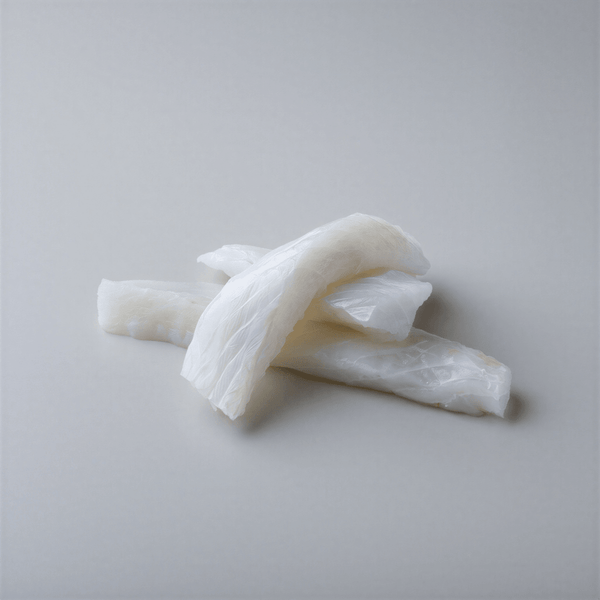
Steaming for 8-10 minutes at a constant temperature eliminates potential pathogens without compromising protein integrity. The optimal cooking point is reached when the fibers separate easily with a fork, indicating complete protein denaturation. This methodology preserves water-soluble vitamins that could be lost through direct boiling.
Poaching in homemade broth
Poaching in homemade vegetable broth provides additional flavors while maintaining the characteristic softness of cod. Using low-sodium broth, made with carrots, celery, and onion, enriches the taste profile without overwhelming immature taste buds. The poaching temperature should be maintained between 70-80°C to prevent the muscle fibers from hardening.
Recipes adapted by age
The culinary progression of cod should adapt to the chewing and digestive capacities of each stage of infant development. From silky purees to more textured preparations, each phase requires specific adjustments in preparation and presentation.
6-8 months: First textures
During this initial phase, cod should be presented as a completely smooth puree, free of lumps that could cause choking. Mixing with familiar vegetables such as zucchini or sweet potato facilitates taste acceptance. Processing with an immersion blender should be thorough, creating a consistency similar to natural yogurt.
| Age | Texture | Quantity | Frequency |
|---|---|---|---|
| 6-8 months | Smooth puree | 1-2 tablespoons | 2-3 times/week |
| 9-12 months | Finely flaked | 2-3 tablespoons | 3-4 times/week |
| 12+ months | Small pieces | 30-50 grams | 4-5 times/week |
9-12 months: Chewing development
The transition to more complex textures should be gradual. Flaked cod in small pieces allows for the development of chewing skills while reducing choking hazards. Combining it with cooked brown rice or quinoa provides complex carbohydrates complementary to the fish's protein.

12+ months: Family preparations
From one year old, children can enjoy more elaborate preparations that integrate cod into adapted family recipes. Baked croquettes, steamed meatballs, or mild stews expand the culinary repertoire while maintaining food safety principles. Culinary creativity can flourish without compromising fundamental nutritional aspects.
Cod selection and preservation for children
The quality of cod intended for infant consumption must meet superior standards of freshness and traceability. Nordic origin, particularly from Icelandic and Norwegian waters, guarantees less exposure to industrial contaminants. An uninterrupted cold chain from catch to consumption preserves both organoleptic properties and microbiological safety.

Freshness indicators
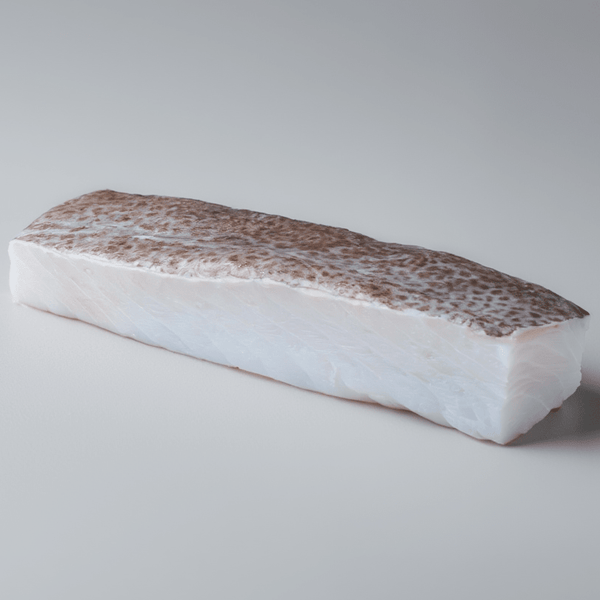
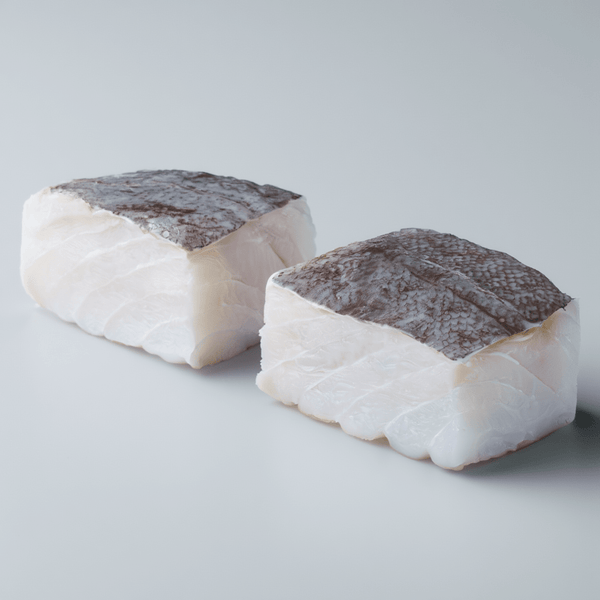
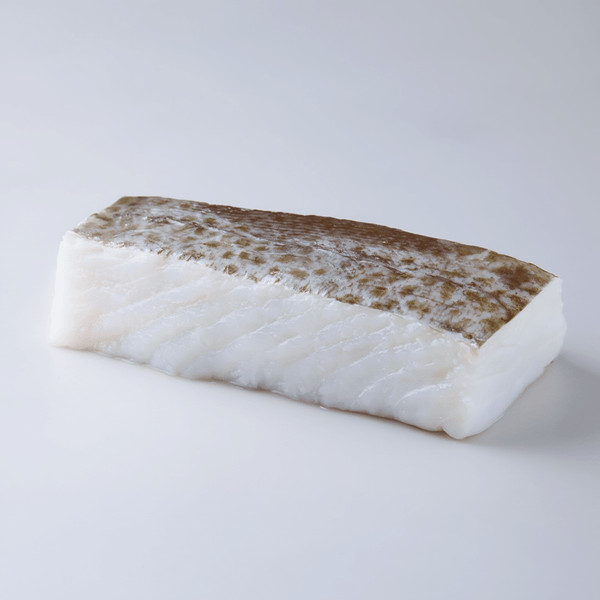
Fresh cod exhibits distinctive visual and tactile characteristics that indicate its optimal state of preservation. The flesh should display a uniform pearlescent color, without yellowish or brownish spots that suggest deterioration. A firm texture to the touch, without soft or viscous areas, confirms the product's integrity. A mild marine aroma, free from ammoniacal odors, completes the selection criteria for infant consumption.
Discover our selection of desalted cod at Bacalalo.
→ See our selection of desalted cod from Iceland
Conclusions
- When to introduce cod into children's diets?: Introducing fish into babies' diets raises many questions for families.
- Nutritional benefits of cod for children: Cod stands out for its exceptional nutritional composition, making it a marine superfood for child development.
- Precautions and contraindications: Food safety is the absolute priority when introducing fish into an infant's diet.
- Safe preparation methods for babies: Proper cooking of cod for babies requires specific techniques that preserve its nutritional properties while ensuring microbiological safety.
- Age-appropriate recipes: The culinary progression of cod must adapt to the chewing and digestive capabilities at each stage of infant development.
- Cod selection and preservation for children: The quality of cod intended for infant consumption must meet superior standards of freshness and traceability.
Frequently asked questions
When can a child eat cod?
Cod stands out for its exceptional nutritional composition, making it a marine superfood for child development. Its protein content reaches approximately 18-20 grams per 100 grams of fresh product, providing all the essential amino acids necessary for infant protein synthesis.
Can my 2-year-old eat cod?
Cod stands out for its exceptional nutritional composition, making it a marine superfood for child development. Its protein content reaches approximately 18-20 grams per 100 grams of fresh product, providing all the essential amino acids necessary for infant protein synthesis.
What fish should a child not eat?
Although cod contains moderate amounts of omega-3 fatty acids compared to oily fish, these essential lipids actively participate in neuronal myelination. The DHA (docosahexaenoic acid) present contributes to the development of the retina and higher cognitive functions. This characteristic makes it a strategic ally to enhance intellectual capacities...
Is cod good for children?
Cod stands out for its exceptional nutritional composition, making it a marine superfood for child development. Its protein content reaches approximately 18-20 grams per 100 grams of fresh product, providing all the essential amino acids necessary for infant protein synthesis.