

Summary: Hake or cod? Complete nutritional analysis Basic nutritional profile of both fish Calorie comparison: hake vs cod Impact on weight loss diets Protein: quality and bioavailability Essential amino acids and muscle recovery Micronutrients: essential vitamins and minerals Omega-3 and beneficial fatty acids Special considerations: salted vs desalted cod Desalting process and nutritional retention Which to choose according to your nutritional goal?
- Hake or cod? Complete nutritional analysis
- Basic nutritional profile of both fish
- Calorie comparison: hake vs cod
- Impact on weight loss diets
- Protein: quality and bioavailability
- Essential amino acids and muscle recovery
- Micronutrients: essential vitamins and minerals
- Omega-3 and beneficial fatty acids
- Special considerations: salted vs desalted cod
- Desalting process and nutritional retention
- Which to choose according to your nutritional goal?
- Recommendations for specific populations
- Culinary preparations and nutritional retention
Hake or cod? Complete nutritional analysis
When we stand in front of the fish counter, the question inevitably arises: hake or cod? Both white fish enjoy great culinary and nutritional prestige, but they present substantial differences that can tip the balance depending on your specific dietary goals.
The choice between these two magnificent marine specimens should not be taken lightly. Each contributes unique organoleptic and nutritional characteristics that make them preferred options for different dietary purposes. Understanding these differences will allow you to make more informed decisions in your nutritional planning.
Basic nutritional profile of both fish
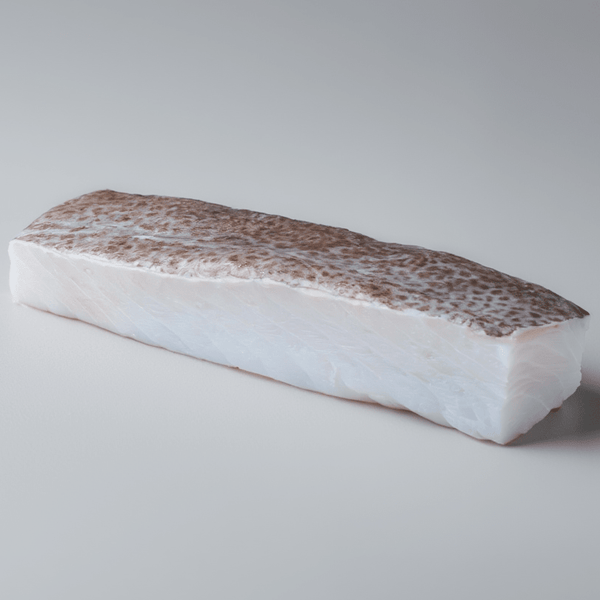
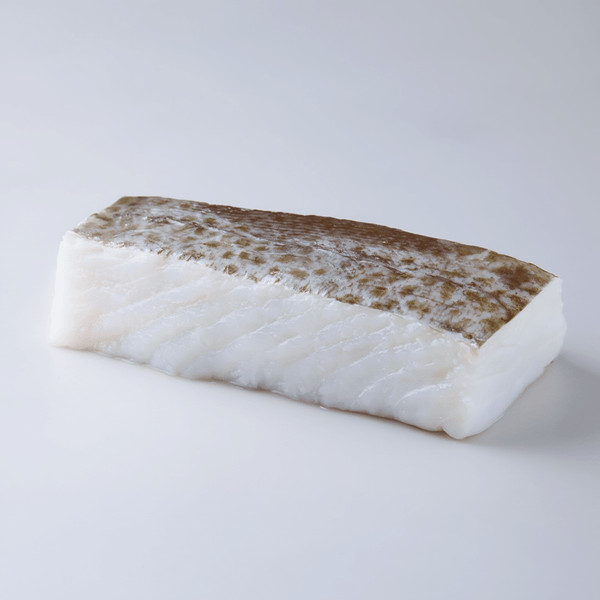
Fresh cod has an exceptional protein composition, reaching 18-20 grams per 100 grams of edible portion. Its fat content is minimal, barely around 0.7%, making it a preferred option for strict low-calorie diets.
Hake, for its part, offers between 17-19 grams of protein per 100 grams. Its lipid content is slightly higher, ranging between 1-2%, although it is still classified as a lean fish. This seemingly insignificant difference can be decisive in certain dietary contexts.
Calorie comparison: hake vs cod
The caloric differences between both species are more pronounced than we might initially expect. Fresh cod provides approximately 82 calories per 100 grams, while hake ranges between 86-92 calories in the same amount.
| Fish (100g) | Calories | Proteins | Fats | Carbohydrates |
|---|---|---|---|---|
| Fresh cod | 82 kcal | 18g | 0.7g | 0g |
| Hake | 90 kcal | 18g | 1.8g | 0g |
This caloric difference is mainly due to the higher fat content of hake. However, we must contextualize these numbers: we are talking about minimal differences that will rarely significantly impact the total daily energy balance.
Impact on weight loss diets
For those pursuing weight loss goals, cod offers clear advantages. Its lower caloric density and higher relative protein content generate greater satiety with less energy intake. Cod protein has a high thermic effect, increasing post-meal metabolic expenditure.
However, hake should not be dismissed hastily. Its more delicate texture and less pronounced flavor make it a more versatile option for various culinary preparations, facilitating long-term dietary adherence.
Protein: quality and bioavailability
Protein is the star macronutrient of both fish. Cod stands out for its complete amino acid profile, with exceptional concentrations of lysine, methionine, and tryptophan. These essential amino acids are fundamental for muscle protein synthesis and the maintenance of lean tissue.
"Cod protein has a digestibility of 95%, even surpassing some reference terrestrial protein sources."
Hake practically matches these nutritional values, although with slight variations in the concentration of certain amino acids. Its digestibility reaches 93-94%, remaining in excellent ranges for metabolic utilization.
Essential amino acids and muscle recovery
Both fish provide leucine in significant amounts, a key amino acid for activating muscle protein synthesis. Cod has slightly higher concentrations, which could translate into marginal advantages for athletes or people in tissue recovery processes.
Methionine, a precursor to cysteine and fundamental for glutathione synthesis, appears in optimal proportions in both species. This characteristic makes them valuable allies for the endogenous antioxidant system.
Related Cod Products


Micronutrients: essential vitamins and minerals
The micronutrient profile reveals substantial differences between both options. Cod stands out for its exceptional vitamin B12 content, providing up to 2.6 micrograms per 100 grams. This amount represents more than 100% of the daily recommendations for adults.
- Vitamin D: Cod provides moderate amounts, while hake has lower levels
- Phosphorus: Both fish are excellent sources, with a slight advantage for cod
- Selenium: High concentrations in both species, crucial for thyroid function
- Iodine: Cod has higher levels, beneficial for endocrine health
Omega-3 and beneficial fatty acids
Although both are classified as lean fish, they contain appreciable proportions of omega-3 fatty acids. Hake has slightly higher concentrations of EPA and DHA, the most bioactive long-chain omega-3s.
These polyunsaturated fatty acids play anti-inflammatory and neuroprotective roles. Their presence, although modest compared to oily fish, contributes to the favorable nutritional profile of both species.

Special considerations: salted vs desalted cod
Traditional salted cod has a radically different nutritional profile. The salting process exponentially increases the sodium content, reaching values that can exceed 1,500 mg per 100 grams before desalting.
Professional desalting, like the one we carry out by hand, significantly reduces these levels. However, the residual sodium content is still higher than that of fresh cod or hake. This characteristic requires special consideration for people with hypertension or sodium restrictions.
Desalting process and nutritional retention
During controlled desalting, there is a partial leaching of water-soluble minerals. However, protein and most fat-soluble vitamins remain practically intact. The result is a product with unique organoleptic characteristics and a favorable nutritional profile.
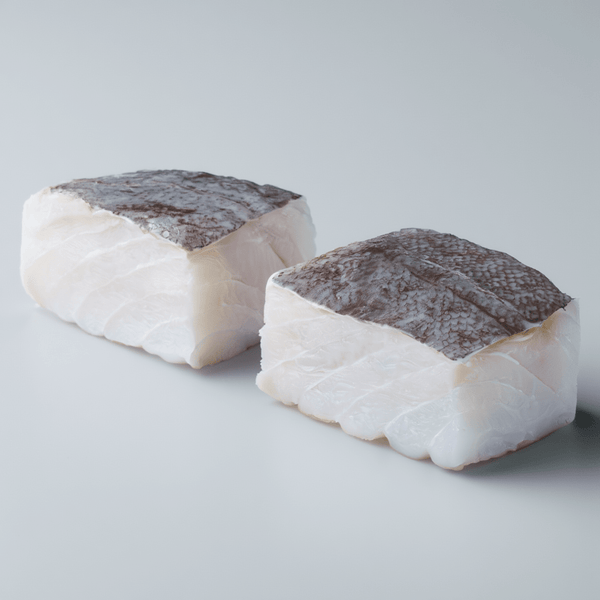
The characteristic texture of desalted cod, firmer and with greater juice retention capacity, makes it an exceptional culinary option that facilitates sophisticated gastronomic preparations.
Which to choose according to your nutritional goal?
For strict weight loss, fresh cod emerges as the preferred option. Its lower caloric density and greater satiating effect position it favorably in restrictive low-calorie diets.
If you are looking for muscle gain or are in a bulking phase, both options are equally valid. The choice could be based on organoleptic preferences or seasonal availability.
Recommendations for Specific Populations
Endurance athletes can particularly benefit from cod due to its higher content of B vitamins, essential for aerobic energy metabolism.
For older adults or those in recovery, hake might be more suitable due to its tenderer texture and optimized digestibility.
During pregnancy and lactation, both species are safe and recommended options, providing high-quality protein without risks associated with contaminants typical of larger fish.
Culinary Preparations and Nutritional Retention
The cooking method decisively influences nutrient retention. Steaming or cooking en papillote optimally preserves heat-sensitive vitamins and minimizes mineral loss through leaching.
Baking at moderate temperatures (160-180°C) maintains protein integrity and concentrates flavors without significantly compromising the nutritional profile. Avoid excessive temperatures that can denature proteins and degrade sensitive vitamins.
Discover our selection of desalted cod at Bacalalo.
→ See our selection of desalted cod from Iceland
Conclusions
- Hake or cod? Complete nutritional analysis: When we are in front of the fish counter, the question inevitably arises: hake or cod?
- Caloric comparison: hake vs cod: The caloric differences between both species are more pronounced than we might initially expect.
- Protein: quality and bioavailability: Protein is the star macronutrient of both fish.
- Micronutrients: essential vitamins and minerals: The micronutrient profile reveals substantial differences between both options.
- Special considerations: salted vs desalted cod: Traditional salted cod has a radically different nutritional profile.
- Which to choose based on your nutritional goal?: For strict weight loss, fresh cod emerges as the preferred option.
- Culinary preparations and nutritional retention: The cooking method decisively influences nutrient retention.
Frequently asked questions
What is the main difference?
Hake, for its part, offers between 17-19 grams of protein per 100 grams. Its lipid content is slightly higher, at 1-2%, although it is still classified as a lean fish. This seemingly insignificant difference can be decisive in certain dietary contexts.
Which is the best value for money option?
Summary: Hake or cod? Complete nutritional analysis Basic nutritional profile of both fish Caloric comparison: hake vs cod Impact on weight loss diets Protein: quality and bioavailability Essential amino acids and muscle recovery Micronutrients: essential vitamins and minerals Omega-3 and beneficial fatty acids Special considerations: salted cod v...
How to choose between the available options?
Summary: Hake or cod? Complete nutritional analysis Basic nutritional profile of both fish Caloric comparison: hake vs cod Impact on weight loss diets Protein: quality and bioavailability Essential amino acids and muscle recovery Micronutrients: essential vitamins and minerals Omega-3 and beneficial fatty acids Special considerations: salted cod v...
What factors should I consider when comparing?
In this article about hake vs cod, you will find detailed information to answer this question. We recommend reading the complete guide for a more precise answer.