Summary: Why is it crucial to know how to identify quality cod? The 10 infallible signs to recognize prime cod 1.
- Why is it crucial to know how to identify quality cod?
- The 10 infallible signs to recognize prime cod
- 1. Coloration and visual appearance
- 2. Texture to the touch
- 3. Characteristic aroma
- 4. Thickness and cut of the fillets
- 5. Absence of salt crystals
- 6. Flexibility without breakage
- 7. Surface without suspicious spots
- 8. Balanced hydration
- 9. Proper packaging and preservation
- 10. Origin and traceability
- Common mistakes when selecting cod
- Frequently asked questions about cod quality
- Why does my cod fall apart when cooked?
- Is it normal for cod to have a rubbery texture?
- How to store cod once the package is opened?
- The art of perfect desalting
- Conclusion: invest in quality for exceptional results
Why is it crucial to know how to identify quality cod?
Cod is one of the most prized fish in Mediterranean cuisine, but choosing a quality piece can make the difference between an exceptional dish and a disappointing culinary experience. When we talk about premium cod, we refer to a product that has undergone a meticulous process from its capture until it reaches your table.
The quality of cod depends on multiple factors: the origin of the fish, the salting techniques used, the storage conditions, and the desalting process. Deficient cod can present unpleasant textures, bitter flavors, or even health risks.
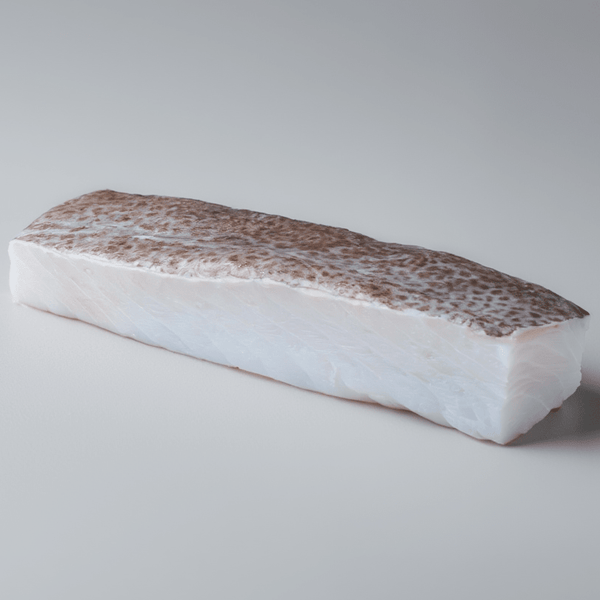
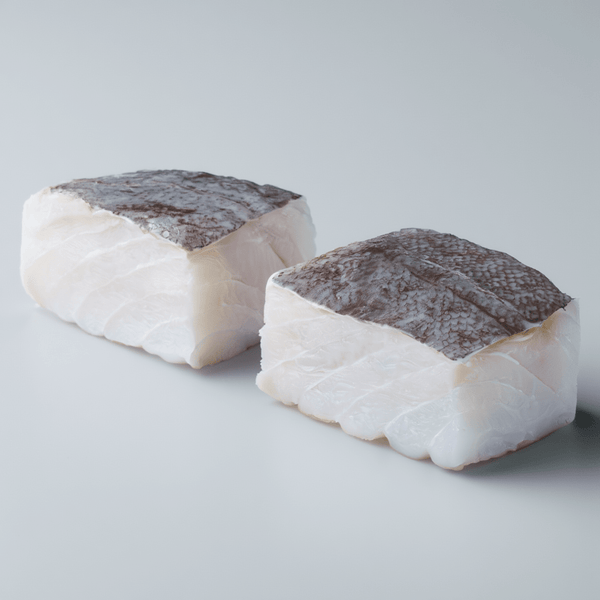
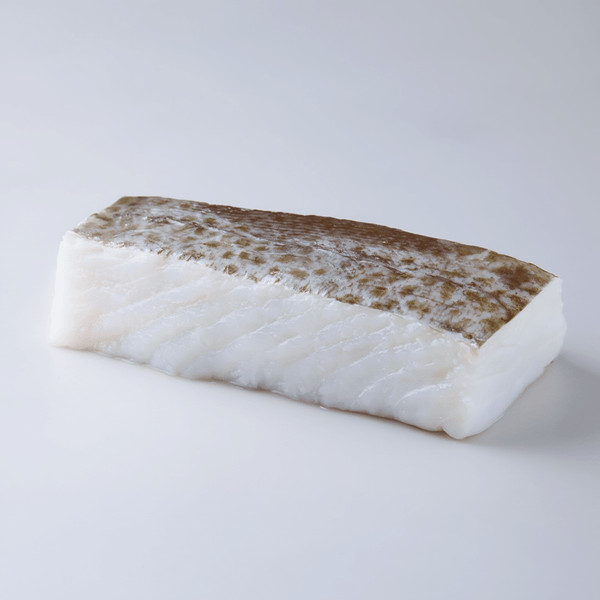
Superior quality cod should maintain its characteristic firmness, present a uniform color, and give off a fresh marine aroma, never putrid or excessively intense.
The 10 infallible signs to recognize prime cod
1. Coloration and visual appearance
Quality cod exhibits a uniform pearly hue, with nuances ranging from pearly white to slightly yellowish. Premium pieces present a translucent surface without dark spots or irregular discolorations.
Avoid specimens with grayish, brownish, or dull-looking areas. These chromatic alterations usually indicate protein deterioration or deficient preservation processes.
2. Texture to the touch
Firmness is fundamental. When gently pressed with a finger, the flesh should immediately regain its original shape. Optimal cod has an elastic but compact consistency, never soft or spongy.
The surface should feel slightly moist but not slimy. If you detect a sticky or overly dry texture, it is likely that the product has lost its ideal organoleptic properties.
3. Characteristic aroma
Smell is your best ally to discern quality. Cod in optimal condition gives off a subtle marine aroma, reminiscent of an ocean breeze. It should never present ammoniacal, acidic, or putrid odors.
If the cod emits overly intense or unpleasant fragrances, it is an unequivocal sign of deterioration. Freshness manifests in faint and pleasant aromas, never pungent.
4. Thickness and cut of the fillets
Premium cod fillets should have a uniform thickness, generally between 8 and 12 millimeters for standard pieces. Irregular or overly thin cuts may indicate inadequate processing techniques.
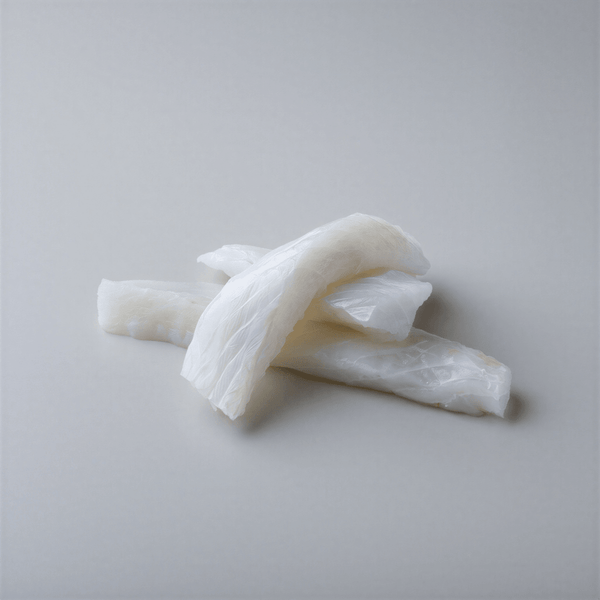
Observe the edges: they should be well-defined, without excessive fraying. A professional cut respects the muscle structure of the fish, preserving its integrity.
5. Absence of salt crystals
In desalinated cod, the presence of residual salt crystals indicates an incomplete process. The surface should be free of whitish or granular residues that betray deficient desalting.
For salted cod, the crystals should be evenly distributed, without excessive accumulations that could create hypersaline areas in the final product.
6. Flexibility without breakage
A quality piece maintains some flexibility without fracturing. When a fillet is slightly bent, it should curve without cracking or crumbling.
Excessive rigidity or extreme fragility are indicative of inadequate dehydration or defective preservation processes that compromise protein structure.
7. Surface without suspicious spots
Carefully examine the surface for reddish, greenish, or blackish spots. These alterations can indicate bacterial contamination or advanced oxidative processes.
Small natural imperfections are normal, but extensive discolorations or unnatural shades should alert you to the quality of the product.
8. Balanced hydration
Cod must have an optimal level of hydration: neither excessively dry nor soaked. Moisture should be evenly distributed, creating a slightly shiny but not watery surface.
An overly dehydrated product will be tough, while excessive moisture can promote undesirable microbial growth.
9. Proper packaging and preservation
Vacuum packaging is essential to preserve organoleptic qualities. Verify that there are no breaks in the seal and that the internal atmosphere is free of air.
The cold chain must be maintained uninterrupted. Properly preserved cod will arrive at a constant refrigerated temperature, without thermal fluctuations that compromise its stability.
10. Origin and traceability
Cod from Iceland and Norway is considered the gold standard due to the pristine conditions of their waters and traditional processing techniques. These regions guarantee fish with greater muscle density and a more refined flavor.
Demand detailed information about the origin, capture dates, and processing. Transparency in traceability is synonymous with a commitment to quality.
Common mistakes when selecting cod
Many consumers confuse a low price with a good buying opportunity. However, lower quality cod often presents problems during cooking: it falls apart easily, develops rubbery textures, or releases excess water.
Another common mistake is not checking the storage conditions at the point of sale. An establishment that does not maintain the cold chain compromises the quality of the product, regardless of its origin.
| Characteristic | Quality Cod | Deficient Cod |
|---|---|---|
| Color | Uniform pearly white | Grayish or stained |
| Texture | Firm and elastic | Soft or rubbery |
| Aroma | Mild marine | Strong or unpleasant |
| Cooking behavior | Maintains shape | Falls apart or hardens |
Related Cod Products


Conclusions
- Why is it crucial to know how to identify quality cod?: Cod is one of the most prized fish in Mediterranean cuisine, but choosing a quality piece can make the difference between an exceptional dish and a disappointing culinary experience.
- The 10 infallible signs to recognize prime cod: Quality cod exhibits a uniform pearly hue, with nuances ranging from pearly white to slightly yellowish.
- Common mistakes when selecting cod: Many consumers confuse a low price with a good buying opportunity.
- Frequently asked questions about cod quality: This phenomenon, known as protein breakdown, occurs when cod has undergone repeated freezing and thawing processes, or when desalting has been excessively prolonged.
- The art of perfect desalting: If you opt for salted cod, the desalting process requires patience and technique.
- Conclusion: invest in quality for exceptional results: Choosing superior quality cod is not just a matter of price, but of knowledge and demanding standards.
Cod that meets all 10 signs ✓
Our Icelandic cod exceeds every point in this guide. See for yourself.
Extra Desalted Jowl — €44.90 →
⭐ 4.9/5 · Refrigerated shipping 24-48h · Since 1990
Frequently asked questions about cod quality
Why does my cod fall apart when cooked?
This phenomenon, known as protein disgregation, occurs when cod has undergone repeated freezing and thawing processes, or when the desalting has been excessively prolonged. The muscle structure weakens and loses its cohesive capacity during cooking.
To avoid this, it is essential to purchase cod from specialized suppliers who maintain strict conservation and processing protocols.
Is it normal for cod to have a rubbery texture?
Rubbery texture generally indicates overcooking or an inferior quality product. Premium cod, cooked correctly, should present flakes that separate easily but maintain their integrity.
Low-quality cod can develop this unpleasant texture even with gentle cooking, due to alterations in its structural proteins.
How to store cod once the package is opened?
Once opened, consume cod within a maximum of 48-72 hours. Store the pieces wrapped in cling film or in airtight containers in the coldest part of the refrigerator.
Avoid leaving cod exposed to the air, as it dehydrates quickly and can absorb odors from other foods.
The art of perfect desalting
If you opt for salted cod, the desalting process requires patience and technique. Submerge the pieces in cold water, changing the liquid every 6-8 hours for 24-48 hours, depending on the thickness.
Optimal desalting removes excess salt without compromising texture. The perfect point is reached when the cod retains a slight salty flavor that enhances its marine character without being aggressive to the palate.
- Use wide containers that allow water circulation
- Maintain a constant temperature between 2-4°C
- Do not excessively prolong the process to avoid loss of flavor
- Perform taste tests to determine the optimal point
Properly desalted cod has a firm but tender texture, a uniform color, and a balanced flavor that allows its natural nuances to be appreciated without excessive saline interference.
Conclusion: invest in quality for exceptional results
Choosing superior quality cod is not just a matter of price, but of knowledge and demanding standards. The ten signs we have detailed will allow you to identify exceptional products that will transform your culinary preparations.
Remember that premium cod requires less handling during cooking, better maintains its nutritional properties, and offers an incomparably superior gastronomic experience. The initial investment translates into results that more than justify the cost difference.
Next time you buy cod, apply these selection criteria. Your palate and that of your diners will thank you, and every dish will be a celebration of the culinary excellence that this extraordinary fish deserves.
Discover our selection of salted cod at Bacalalo.