

Summary: What are the actual mercury levels in cod? Detailed comparison: cod versus other popular fish Cod versus tuna: significant differences in mercury Cod versus salmon: comparative mercury analysis Factors influencing mercury concentration in cod Recommended fish for low mercury content Specific recommendations for pregnancy and children Quality indicators that minimize risks Nutritional benefits that offset moderate mercury presence var coll = document.
- What are the actual mercury levels in cod?
- Detailed comparison: cod versus other popular fish
- Cod versus tuna: significant differences in mercury
- Cod versus salmon: comparative mercury analysis
- Factors influencing mercury concentration in cod
- Recommended fish for low mercury content
- Specific recommendations for pregnancy and children
- Quality indicators that minimize risks
- Nutritional benefits that offset moderate mercury presence
What are the actual mercury levels in cod?
Cod is positioned as one of the fish with moderate-to-low mercury concentrations, placing it in an intermediate category that makes it a relatively safe option for regular consumption. The levels of this heavy metal in cod typically range between 0.10 and 0.40 parts per million (ppm), depending on multiple factors such as origin, fish size, and environmental habitat conditions.
This concentration places cod well below predatory species like bluefin tuna or swordfish, which can reach levels above 1.0 ppm. However, it is not in the category of fish with minimal mercury content like Cantabrian sardines or anchovies.
Cod specimens from colder, pristine waters, such as the coasts of Iceland and Norway, tend to exhibit slightly lower concentrations due to less industrial pollution in these Arctic ecosystems. This geographical difference is particularly relevant for consumers looking to minimize their mercury exposure without sacrificing the exceptional nutritional properties of this white fish.
Detailed comparison: cod versus other popular fish
Cod versus tuna: significant differences in mercury
The disparity in mercury levels between cod and different varieties of tuna is considerable. While cod maintains average concentrations of 0.10-0.40 ppm, tuna exhibits a much broader spectrum depending on the specific species.
Canned white tuna contains approximately 0.32 ppm, placing it in the upper range of cod. However, fresh bluefin tuna can reach concentrations of 1.0 ppm or higher, tripling the typical levels of cod. This difference is mainly due to body size and position in the food chain: tunas are larger apex predators that bioaccumulate mercury over their longer life cycle.
Cod versus salmon: comparative mercury analysis
Salmon emerges as the clear winner in terms of low mercury levels, with average concentrations of 0.01-0.05 ppm, significantly lower than cod. This advantage of salmon is attributed to its diet primarily based on small crustaceans and its relatively short life cycle compared to other fish of similar size.
However, cod compensates for this mercury disadvantage with other distinctive nutritional characteristics: higher protein content per serving, lower saturated fat, and a more complete essential amino acid profile. The choice between both fish should consider not only mercury content but also the overall nutritional context and individual culinary preferences.
It is essential to remember that both cod and salmon are considered safe options for regular consumption when sourced from suppliers that guarantee traceability and rigorous sanitary controls.
Factors influencing mercury concentration in cod
Mercury accumulation in cod is not a uniform phenomenon, but rather responds to a complex interaction of environmental, biological, and geographical variables that determine the final levels present in muscle tissue.
Size and age are determining factors: larger and older specimens tend to concentrate higher amounts of mercury due to the progressive bioaccumulation process. A 5-year-old cod will typically have lower concentrations than a 15-year-old specimen from the same region.
Geographical origin has a decisive influence. The waters of the North Atlantic, particularly around Iceland and the Norwegian coasts, maintain significantly lower levels of mercury contamination than other more industrialized fishing regions. This difference directly translates into the sanitary quality of the final product.
The specific dietary patterns of each cod population also modulate mercury incorporation. Populations that primarily feed on benthic invertebrates exhibit lower concentrations than those with diets based on small fish, which have already begun the bioaccumulation process.
Related Cod Products


Recommended fish for low mercury content
For consumers particularly sensitive to mercury exposure, there is a selection of marine species that combine excellent nutritional properties with minimal concentrations of this heavy metal.
- Sardines: 0.01-0.05 ppm, rich in omega-3 and calcium
- Cantabrian anchovies: 0.02-0.04 ppm, exceptional in flavor and tradition
- Atlantic salmon: 0.01-0.05 ppm, a premium source of essential fatty acids
- Hake: 0.05-0.25 ppm, versatile and mild white fish
- Sole: 0.03-0.15 ppm, delicate texture and refined flavor
- Sea bass: 0.10-0.30 ppm, ideal for gourmet preparations
These species represent safe alternatives that allow for a fish-rich diet without exceeding the safety limits established by international health authorities.

Specific recommendations for pregnancy and children
During pregnancy and lactation, nutritional needs intensify while tolerance to certain contaminants decreases. Cod, with its moderate mercury levels, requires a balanced approach that maximizes its nutritional benefits while minimizing potential risks.
Health authorities recommend that pregnant women and young children limit cod consumption to 2-3 servings per week, approximately 100-150 grams each. This frequency allows them to benefit from its exceptional protein content, B vitamins, and essential minerals without exceeding mercury safety thresholds.
For children under 3 years old, the recommended portion is reduced to 50-75 grams per serving, maintaining the frequency of 2-3 times a week. It is crucial to alternate cod with lower mercury species like sardines or anchovies to diversify exposure and optimize the overall nutritional profile.
| Population group | Recommended frequency | Serving size | Observations |
|---|---|---|---|
| Pregnant women | 2-3 times/week | 100-150g | Alternate with low-mercury fish |
| Children 1-3 years | 2 times/week | 50-75g | |
| Children 4-8 years | 2-3 times/week | 75-100g | Include variety of species |
| Healthy adults | 3-4 times/week | 150-200g | No specific restrictions |
Quality indicators that minimize risks
Selecting high-quality cod not only guarantees an exceptional culinary experience but also helps minimize exposure to contaminants such as mercury. Specimens from sustainable fisheries and less polluted waters invariably exhibit better sanitary profiles.
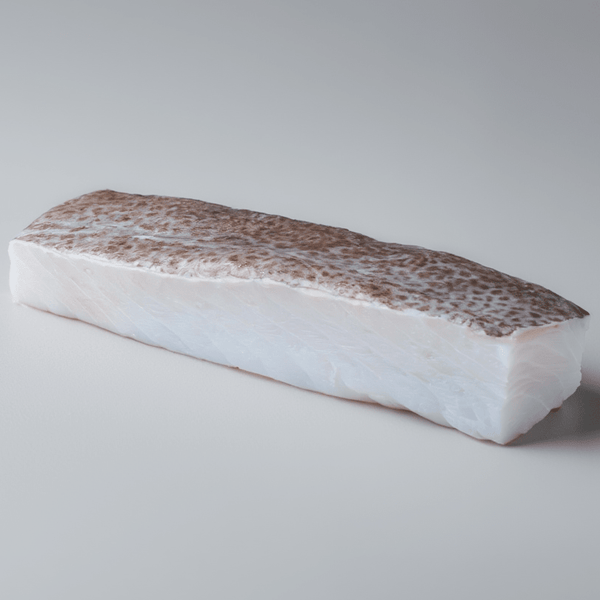
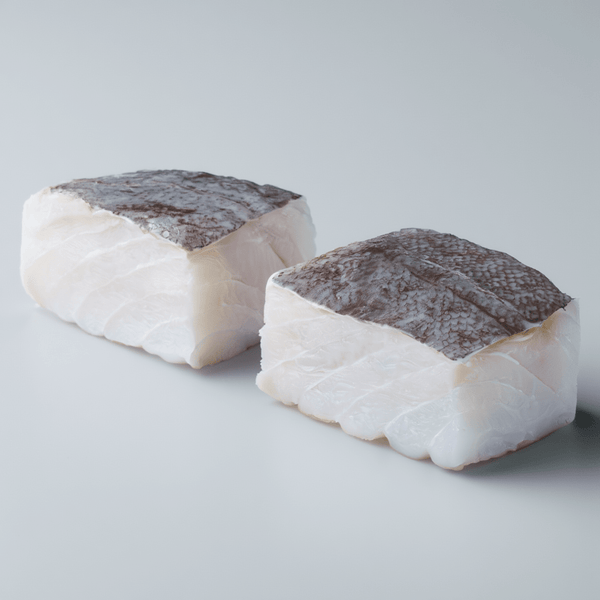
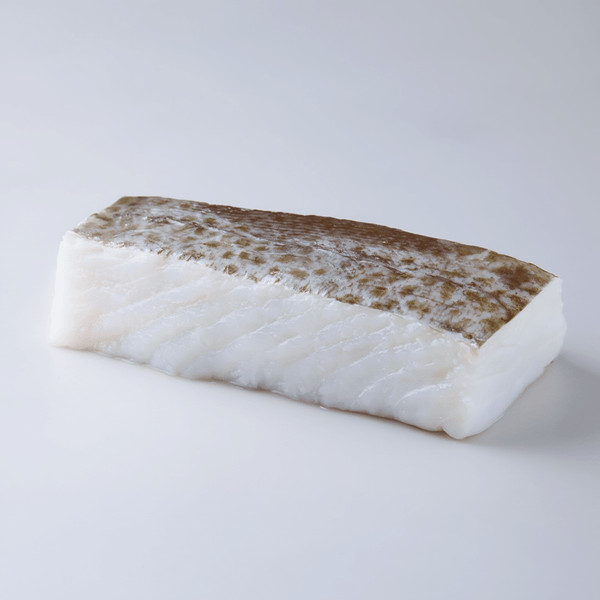
Artisan cod, desalted and processed using traditional techniques, better preserves its original nutritional properties while facilitating the removal of potential surface residues. Vacuum packaging and a continuous cold chain preserve the product's integrity from catch to final consumption.
Complete traceability, including information on catch area, processing date, and preservation methods, allows consumers to make informed decisions based on objective quality and food safety criteria.
Nutritional benefits that offset moderate mercury presence
Despite containing moderate levels of mercury, cod offers such an exceptional nutritional profile that the benefits far outweigh the risks when consumed within recommended frequencies.
Its protein content reaches 20-25% of the total weight, providing all essential amino acids in optimal proportions for human protein synthesis. This characteristic is particularly valuable during growth, pregnancy, and recovery from illness.
Cod is an exceptional source of vitamin B12, essential for red blood cell formation and nervous system function. A 150-gram serving provides more than 200% of the daily requirements for this vitamin, which is especially crucial for people following meat-restricted diets.
Its selenium content acts as a natural antioxidant, partially counteracting the oxidative effects of mercury and other environmental pollutants. This endogenous protective effect represents an additional defense mechanism that reinforces the safety of moderate consumption.
Discover our selection of desalted cod at Bacalalo.
→ View our selection of desalted cod from Iceland
🛒 Products mentioned in this article
⭐ 4.9/5 · Cold shipping 24-48h · Since 1990 at Mercat del Ninot
Conclusions
- What are the actual mercury levels in cod?: Cod is positioned as one of the fish with moderate-low concentrations of mercury, placing it in an intermediate category that makes it a relatively safe option for regular consumption.
- Detailed comparison: cod versus other popular fish: The disparity in mercury levels between cod and different varieties of tuna is considerable.
- Factors influencing mercury concentration in cod: Mercury accumulation in cod is not a uniform phenomenon but responds to a complex interaction of environmental, biological, and geographical variables that determine the final levels.
- Recommended fish for low mercury content: For consumers particularly sensitive to mercury exposure, there is a selection of marine species that combine excellent nutritional properties with minimal concentrations of this.
- Specific recommendations for pregnancy and children: During pregnancy and lactation, nutritional needs intensify while tolerance to certain contaminants decreases.
- Nutritional benefits that compensate for moderate mercury presence: Despite containing moderate levels of mercury, cod offers such an exceptional nutritional profile that the benefits far outweigh the risks when consumed within the recommended frequencies.
Frequently Asked Questions
Which fish has the least mercury?
Cod specimens from colder, pristine waters, such as the coasts of Iceland and Norway, tend to show slightly lower concentrations due to less industrial pollution in these Arctic ecosystems. This geographical difference is particularly relevant for consumers looking to minimize their mercury exposure without sacrificing the p...
Does cod have high mercury content?
Summary: What are the actual mercury levels in cod? Detailed comparison: cod versus other popular fish Cod versus tuna: significant mercury differences Cod versus salmon: comparative mercury analysis Factors influencing mercury concentration in cod Recommended fish for low mercury content Specific recommendations for ...
Which fish has the most mercury?
Cod specimens from colder, pristine waters, such as the coasts of Iceland and Norway, tend to show slightly lower concentrations due to less industrial pollution in these Arctic ecosystems. This geographical difference is particularly relevant for consumers looking to minimize their mercury exposure without sacrificing the p...
Does cod contain mercury?
Summary: What are the actual mercury levels in cod? Detailed comparison: cod versus other popular fish Cod versus tuna: significant mercury differences Cod versus salmon: comparative mercury analysis Factors influencing mercury concentration in cod Recommended fish for low mercury content Specific recommendations for ...