Summary: Yes, cod is one of the safest and most recommended fish during pregnancy. It is low in mercury, high in protein, rich in omega-3 (DHA), iodine, and selenium — essential nutrients for fetal development. Both AESAN (Spanish Agency for Food Safety) and the American FDA include cod on the list of safe fish for pregnant women, with a recommended consumption of 2-3 servings per week.

Contents
- Quick answer: can cod be eaten during pregnancy?
- Benefits of cod in pregnancy
- Key nutrients in cod for pregnancy
- Cod and mercury: what science says
- Anisakis and pregnancy: precautions
- Safe ways to eat cod during pregnancy
- What forms of cod to avoid during pregnancy
- How much cod to eat per week?
- Practical tips for cooking cod during pregnancy
- Cod vs other fish in pregnancy
- Frequently asked questions
- Conclusions
Quick answer: can cod be eaten during pregnancy?
Yes, cod is one of the safest and most recommended fish during pregnancy. It is low in mercury, high in protein, rich in omega-3 (DHA), iodine, and selenium — essential nutrients for fetal development. Both AESAN (Spanish Agency for Food Safety) and the American FDA include cod on the list of safe fish for pregnant women, with a recommended consumption of 2-3 servings per week.

The only precautions are: always cook it thoroughly (do not consume it raw or undercooked) to avoid anisakis, and buy it from reliable sources. Salted cod that has undergone an industrial salting and freezing process (like that from Bacalalo) is completely safe, but as a precaution, it is recommended to cook it during pregnancy.
In this guide, we analyze in depth the nutritional benefits, real risks (mercury, anisakis), safe and unsafe preparation methods, recommended quantities, and how cod compares to other fish during gestation. All backed by official sources (AESAN, FDA, WHO).
Benefits of cod in pregnancy
Cod offers multiple benefits for both mother and fetus:
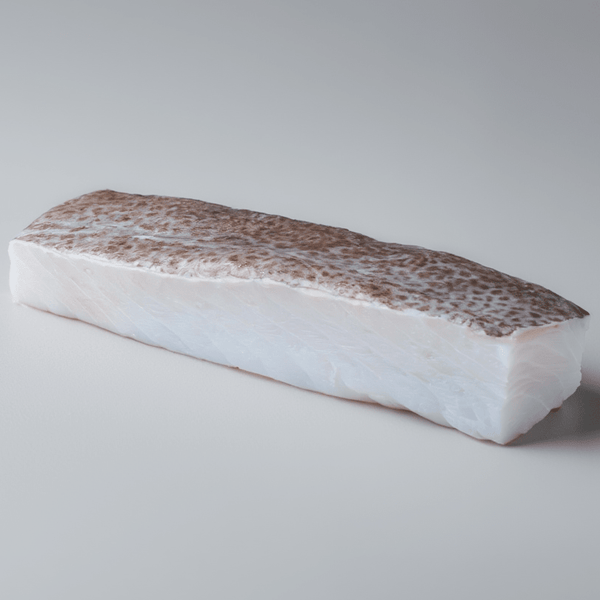
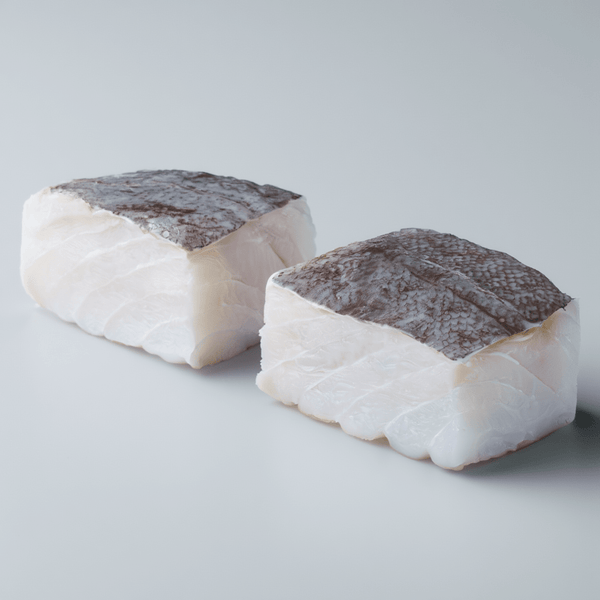
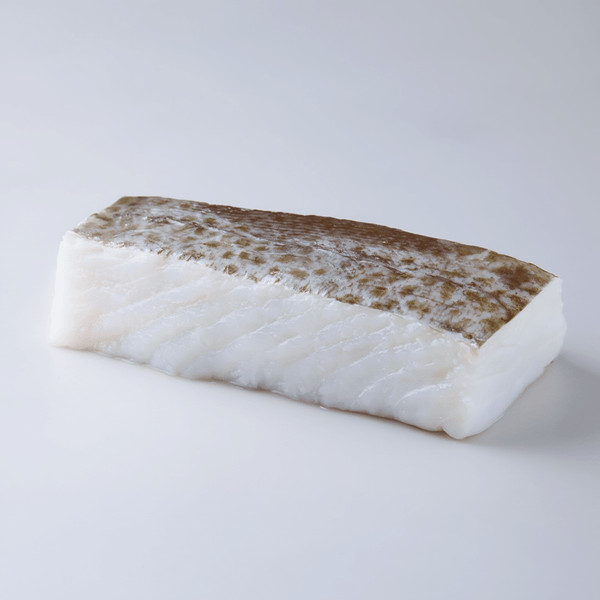
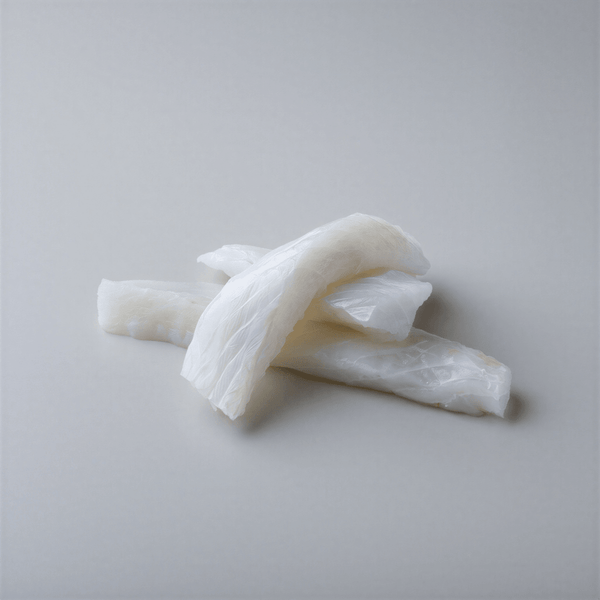
You can find our selection of cod directly on the catalog page: desalted, salted, Icelandic, smoked, cod cheeks, and brandade, all selected piece by piece.
For baby's development
- DHA (omega-3): essential for the development of the fetal brain and retina, especially during the third trimester. Cod provides DHA without the mercury load of other fish.
- Iodine: fundamental for fetal thyroid function and neurological development. Cod has 110 µg of iodine per 100 g, a significant contribution.
- High-quality protein: 18-20 g of complete protein per 100 g, with all the essential amino acids needed for fetal tissue formation.
For the mother
- Low in calories: at 74-108 kcal/100 g, cod helps maintain a healthy weight during pregnancy without sacrificing nutrients.
- Selenium: 33 µg/100 g (60% RDI), an antioxidant that protects cells and supports the immune system, which naturally weakens during pregnancy.
- Vitamin B12: necessary for red blood cell formation and the prevention of anemia, a common problem in pregnancy.
- Phosphorus: 203 mg/100 g, contributes to the formation of fetal bones and teeth and helps maintain the mother's.
Key nutrients in cod for pregnancy
Nutritional values of cod per 100 g and their relevance in pregnancy:

- Calories: 74-108 kcal — perfect for protein intake without excess calories
- Protein: 17-20 g — complete protein for fetal tissue formation
- Total fat: 0.7 g — one of the leanest fish, ideal for weight control
- Omega-3 (DHA+EPA): 0.2-0.3 g — contributes to fetal brain and visual development
- Iodine: 110 µg — essential for thyroid and neurological development
- Selenium: 33 µg — antioxidant, cell protection
- Vitamin B12: 1.2 µg — anemia prevention
- Vitamin D: 1 µg — calcium absorption, bone health
- Phosphorus: 203 mg — fetal bone formation
Related products from Bacalalo


Cod and mercury: what science says
Mercury is the main concern when talking about fish in pregnancy. The good news is that cod is one of the fish with the lowest mercury content.
According to AESAN, fish are classified into three mercury risk categories:
- High content (AVOID in pregnancy): swordfish, bluefin tuna, shark, pike
- Medium content (limit to 1-2 servings/week): canned albacore tuna, monkfish, large hake
- Low content (SAFE, 2-3 servings/week): cod, sardines, anchovies, salmon, small hake, trout
Cod (Gadus morhua) has an average mercury content of 0.07-0.11 mg/kg, well below the legal limit (0.5 mg/kg) and far from the levels of swordfish (0.97 mg/kg) or shark (0.99 mg/kg). This means you can eat 2-3 servings of cod per week throughout your pregnancy without any risk.
Anisakis and pregnancy: precautions
Anisakis is a parasite present in many marine fish. During pregnancy, it is especially important to avoid it because an infection can cause intense allergic reactions and gastrointestinal complications.

Ways to eliminate anisakis from cod are:
- Freezing: at -20 °C for a minimum of 5 days (Spanish legislation requires this for raw or undercooked consumption)
- Cooking: at over 60 °C for at least 1 minute in the center of the piece
- Industrial salting: more than 4 weeks in dry salt, the standard process for commercial cod
Commercial desalted cod (like Bacalalo's) has undergone industrial salting AND freezing, so anisakis is eliminated. Even so, during pregnancy, it is recommended to always cook cod as an additional precaution. Avoid esqueixada (raw cod) during these months.
Safe ways to eat cod during pregnancy
All these preparations are safe because the cod reaches over 60 °C in its center:
- Baked: 100% safe. Oven heat cooks cod uniformly.
- With tomato: cooking in sauce ensures a high internal temperature.
- Biscay style: slow cooking in sauce is completely safe.
- In green sauce: safe if cooked for the indicated 12-15 minutes.
- Battered and fried: frying at 180 °C cooks the inside quickly.
- Grilled: safe if cooked until the center is opaque (not translucent).
- Croquettes and fritters: the batter and frying ensure complete cooking.
What forms of cod to avoid during pregnancy
- Esqueixada (raw cod): although desalted cod is safe, during pregnancy it is better to avoid any raw preparation as a precaution.
- Cod confit at low temperature (55-60 °C): sashimi-type confit versions do not reach the necessary temperature to ensure safety. If you want to confit cod during pregnancy, do it at a minimum of 70 °C.
- Raw smoked cod: cold smoking does not reach sufficient temperatures. Cook it before consuming.
How much cod to eat per week during pregnancy?
According to AESAN and WHO recommendations:

- General recommendation: 2-3 servings of fish per week during pregnancy
- Cod specifically: you can eat up to 3 servings of cod per week without problems, alternating it with other low-mercury fish (sardines, salmon, trout)
- Serving size: 150-200 g of cod per serving
- Variety: ideally, don't eat only cod, but alternate with other fish to obtain different nutrient profiles
Practical tips for cooking cod during pregnancy
Beyond which preparations are safe, these practical tips will help you enjoy cod with complete peace of mind:
- Use a kitchen thermometer: if in doubt, insert it into the center of the piece. If it reads over 63 °C, the cod is safe. It's the most useful investment for a pregnant woman who cooks fish.
- Buy quality desalted cod: cod from specialized establishments like Bacalalo has undergone strict food safety controls. Avoid buying cod from dubious sources or in bulk without labeling.
- Correct storage: consume desalted cod within 2-3 days once opened. During pregnancy, extreme caution with the cold chain is advised. If you notice a strong smell, viscous texture, or change in color, discard it.
- Avoid reheating: reheated fish can lose nutritional properties. Cook fresh portions whenever possible.
- Combine with vegetables and grains: a dish of baked cod with vegetables and brown rice provides protein, omega-3, fiber, iron, and folic acid in a single balanced meal.
Cod vs other fish in pregnancy
- Cod vs salmon: salmon has more omega-3 but also more fat and calories. Both are safe and recommended. Alternating them is ideal.
- Cod vs tuna: bluefin tuna has high mercury content (avoid). Canned albacore tuna has medium content (limit to 1-2/week). Cod is safer.
- Cod vs sardines: sardines have more omega-3 and calcium, but less protein per serving. Both are excellent during pregnancy.
- Cod vs swordfish: swordfish has one of the highest mercury contents. AVOID completely during pregnancy. Cod is a much safer alternative.
Conclusions
- Quick answer: can cod be eaten during pregnancy?: Yes, cod is one of the safest and most recommended fish during pregnancy.
- Cod and mercury: what science says: Mercury is the main concern when talking about fish in pregnancy.
- Anisakis and pregnancy: precautions: Anisakis is a parasite present in many marine fish.
- Cod vs other fish in pregnancy: Yes, it is completely safe as long as it is cooked.
Frequently asked questions
Is it safe to eat desalted cod during pregnancy?
Yes, it is completely safe as long as it is cooked. Desalted cod has undergone salting and usually freezing, which eliminates anisakid worms. Cook it at over 60°C as an additional precaution. Desalted cod that has undergone an industrial salting and freezing process (like Bacalalo's) is completely safe, but as a precaution, it is recommended to cook it during pregnancy.
Does cod contain mercury?
It has very low levels of mercury (0.07-0.11 mg/kg), well below the legal limit. It is one of the safest fish in terms of mercury. You can eat 2-3 portions weekly without risk. Benefits of cod in pregnancy Key nutrients of cod for pregnancy Cod and mercury: what science says Anisakis and pregnancy: precautions Safe ways to eat cod in pregnancy What forms of cod to avoid during pregnancy How much cod to eat per week?
Can I eat esqueixada (raw cod) while pregnant?
Although quality desalted cod is safe raw, during pregnancy it is always recommended to cook fish as an additional precaution. Wait until after childbirth for esqueixada. Content Quick answer: can you eat cod while pregnant?
Is cod good for breastfeeding?
Yes, the same benefits apply during breastfeeding. The DHA (omega-3) from cod passes into breast milk and contributes to the baby's brain development. You can continue to eat 2-3 portions per week.
At what age can children eat cod?
Cod can be introduced into infant feeding from 6 months of age, like any other white fish. Start with small amounts (20-30 g) and in mild preparations (steamed, in puree).
Is fresh or desalted cod better during pregnancy?
Both are safe when cooked. Desalted cod has an advantage: the salting process has eliminated possible parasites. Fresh cod must have been previously frozen at -20 °C for 5 days if there is a risk of anisakid worms.
Buy premium desalted cod from Iceland at Bacalalo.