Summary: Cod in green sauce is the most representative dish of Basque cuisine, along with pil pil. This definitive guide consolidates everything you need to know: the classic step-by-step recipe, the "vaivén" technique that transforms a simple sofrito into a silky sauce, variations with clams, potatoes, shrimp, and kokotxas, the mistakes that ruin the dish, and the answers to all the questions you've ever had about this classic. Three pages in one: this is the only guide you'll ever need.
Cod in Green Sauce: The Definitive Basque Recipe with the "Vaivén" Trick
Cod in green sauce is one of those dishes that seems simple until you try it and the sauce turns out like a watery broth with parsley. Or worse: it splits, the cod falls apart, and you end up with a dish that looks nothing like what you were served in that San Sebastian restaurant.
The difference between a mediocre green sauce and a memorable one lies in a gesture that takes less than a minute: the "vaivén". It's the technique that transforms oil, flour, broth, and parsley into a silky, shiny, full-bodied emulsion. And it's exactly what most online recipes don't explain to you.
This guide consolidates everything you need to know about cod in green sauce: the classic Basque recipe, variations with clams, potatoes, shrimp, and kokotxas, the fatal errors that ruin the dish, and the answers to the 12 most frequently asked questions. It's the only page you need to save.
What is green sauce and why is it the best sauce for cod
Fish green sauce is a hot emulsion of olive oil, garlic, flour, fish stock (or fumet), and fresh parsley. It originates from Basque and Navarran cuisine, where it has been prepared since at least the 18th century as a natural accompaniment to cod and hake.
It is the best sauce for cod for three reasons:
- Potency without overpowering. Unlike tomato sauce or "Vizcaína" sauce, green sauce respects and amplifies the flavor of the cod instead of masking it. Parsley provides freshness, garlic depth, and flour body.
- Complementary texture. The smooth and slightly thick emulsion coats the flakes of cod without competing with its gelatinous texture. The result is a unctuous and harmonious bite.
- Infinite versatility. The green base accepts clams, peas, asparagus, potatoes, shrimp, or hard-boiled egg. Each addition creates a different dish while maintaining the same soul.
If you're interested in comparing the main Spanish sauces for cod, our cod in sauce guide analyzes six classic options. But if what you're looking for is to truly master green sauce, stay here.
Ingredients for fish green sauce
The ingredients for making fish green sauce are few, but each one fulfills a specific function. There's no filler:
- Extra virgin olive oil -- the base fat of the emulsion. Use a mild one (Arbequina, Hojiblanca). A strong Picual will compete with the parsley.
- Garlic -- the aromatic base. It is sautéed in thin slices until lightly browned. Never black.
- Wheat flour -- the thickener that distinguishes green sauce from pil pil. One tablespoon is enough: it thickens without turning it into béchamel.
- Fish stock or fumet -- the liquid for the emulsion. Homemade, ideally with hake bones or shrimp heads. Store-bought is fine if it's good quality. Water is not.
- Fresh parsley -- only the leaves, finely chopped. It's the soul of the dish. Dried parsley is useless: it loses 90% of its aroma and its color fades.
- White wine -- optional but recommended. Half a glass, deglazed in the pan, adds acidity and complexity. Txakoli is the classic option.
- Salt -- in moderation if the cod is desalted, as it already has residual salt.
The key is not exotic ingredients but the quality of each one. Wilted parsley, rancid oil, or cheap carton broth will show in the final result. If you want to delve deeper into the best cuts of cod for this dish, consult our guide to cod loins and their recipes.
Ingredients and proportions table for 4 people
| Ingredient | Quantity | Function | Possible substitution |
|---|---|---|---|
| Desalted cod loins with skin | 4 units (200 g each) | Main protein + gelatin | Fresh cod (reduce salt) |
| Mild extra virgin olive oil | 100 ml | Fat base of the emulsion | None suitable |
| Garlic cloves | 4 large | Aromatic base | Black garlic (milder) |
| Wheat flour | 1 heaped tablespoon | Sauce thickener | Rice flour (gluten-free) |
| Fish stock / fumet | 400 ml | Liquid of the emulsion | Homemade shrimp stock |
| Fresh parsley (leaves) | 1 large bunch (30 g) | Aroma, color, and flavor | Never dried parsley |
| Dry white wine (Txakoli) | 100 ml | Acidity and complexity | Another young dry white wine |
| Cayenne pepper (optional) | 1 unit | Subtle spice | Omit |
| Salt | To taste | Seasoning | Taste first (cod already salted) |
Classic Basque recipe step by step
This is the cod in green sauce recipe as prepared in the kitchens of Donostia, Bilbao, and Vitoria. No shortcuts or reinterpretations. If you follow these steps and apply the "vaivén" technique detailed below, your sauce will be perfect.
- Prepare the cod. Pat the loins dry with kitchen paper. If using desalted cod, make sure it has the correct salt level (48 hours soaking with three changes of water). Lightly flour, shaking off any excess.
- Sear the cod. In a wide casserole dish (earthenware if you have it, steel if not), heat the oil over medium heat. Place the loins skin-side up and sear for 2 minutes on each side. Do not cook them through: this is just to create a light crust. Remove and set aside on a plate.
- Sauté the garlic. In the same oil (with the flavor of the cod), lower the heat and add the sliced garlic and chili if using. Sauté for 2-3 minutes until lightly golden. If they burn, discard the oil and start over: the bitterness of burnt garlic cannot be corrected.
- Add the flour. Stir in the tablespoon of flour and cook with a wooden spoon for 1 minute. It should toast lightly without turning dark. This step removes the raw taste of the flour.
- Deglaze with wine. Pour in the white wine and let it reduce by half, stirring to dissolve the flour. This will take 1-2 minutes.
- Incorporate the stock. Gradually add the fumet, stirring to prevent lumps. Slightly raise the heat until it reaches a gentle simmer. Cook for 5 minutes for the flour to thicken the sauce.
- Add the parsley. Stir in three-quarters of the chopped parsley (reserve the rest for later). Mix well.
- Return the cod. Place the loins in the casserole dish, skin-side down. The sauce should cover at least half of the loin. Cook over low heat for 8-10 minutes. Do not flip the cod.
- Apply the "vaivén" technique. This is the crucial step. We detail it in the next section.
- Finish and serve. Sprinkle with the reserved parsley, remove the chili, and serve directly in the casserole dish. Green sauce is served hot, never lukewarm. Accompany with country bread for dipping.
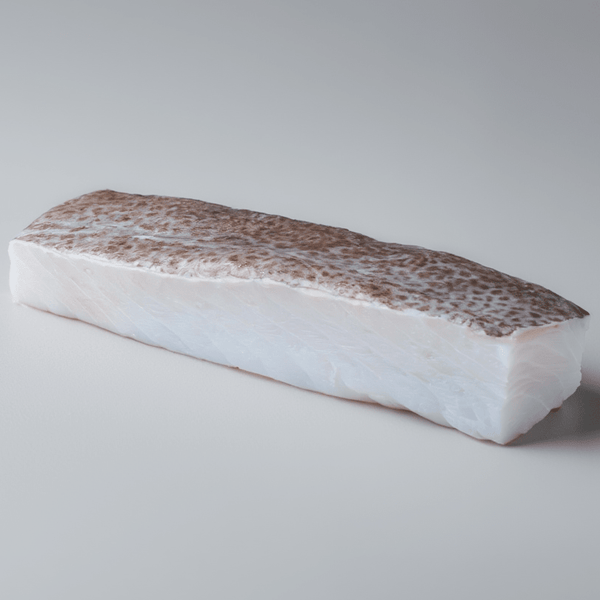
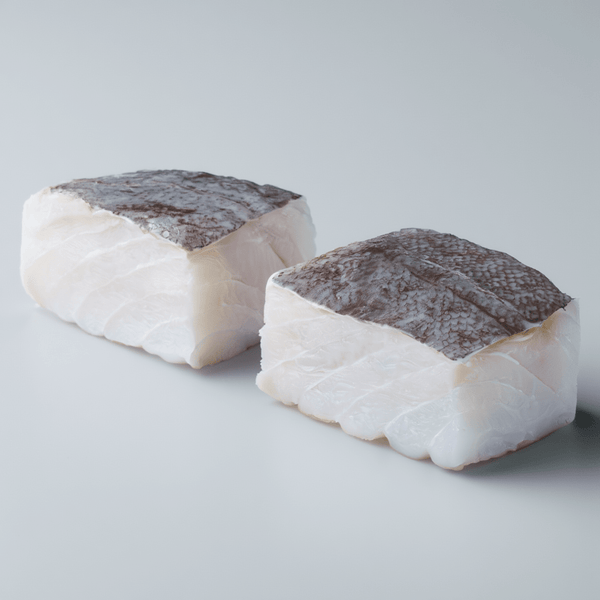
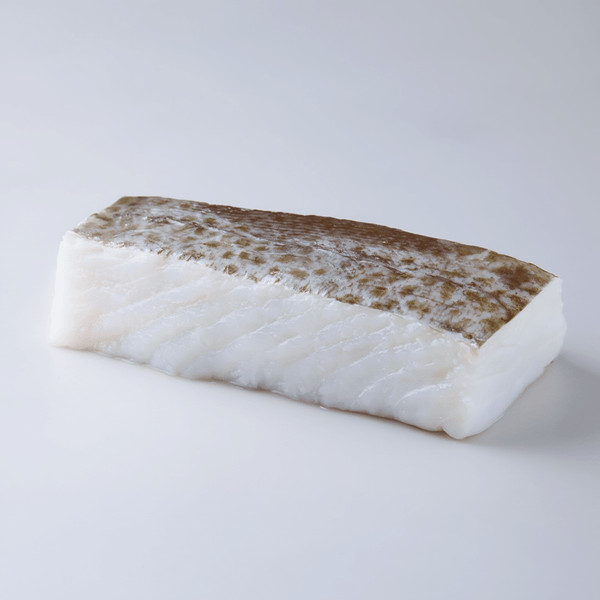
Bacalalo Tip: For this recipe, we recommend desalted cod loins with thick skin, at least 3 cm thick. Thin pieces fall apart during cooking and do not provide enough gelatin to emulsify the sauce.
Extra Clean Desalted Cod Cheeks (2 pcs) - 500g
The classic piece for green sauce: perfect thickness, intact skin, and professionally desalted. Ready to cook without pre-soaking.
22.90 EUR | Buy at Bacalalo
The "vaivén" technique: the key to emulsion
The "vaivén" (or casserole rocking) is the gesture that separates an amateur green sauce from a professional one. It's the same principle used in pil pil, but adapted to a sauce with flour and stock.
It involves shaking the casserole with circular and rocking movements (back and forth) while the cod cooks in the sauce. This movement does three things:
- Releases gelatin from the cod skin into the hot liquid.
- Emulsifies that gelatin with the oil and stock, creating a bound, shiny, and full-bodied sauce.
- Prevents the cod from sticking to the bottom without needing to touch it with a spatula (which would break it).
How to do it correctly:
- Hold the casserole by the handle (or with a cloth if it's earthenware) with your dominant hand.
- Shake with short, rapid, back-and-forth movements. Not wide circles.
- Do this for 30-45 seconds every 2 minutes during the final 8-10 minutes of cooking.
- You'll see the sauce thicken and acquire a silky sheen. When it coats the spoon (sticks to the back), it's ready.
If your casserole is very heavy, you can use a wooden spoon with wide movements, but the result will be slightly inferior: shaking the entire casserole integrates the gelatin more uniformly.
Which cod to choose for green sauce
Unlike pil pil, where the cut is everything, green sauce is more forgiving: it accommodates various cuts of cod. But not all work equally well.
- "Morro" (thick loin with skin): the ideal piece. 3-5 cm thick, maximum gelatin, stays intact during cooking. It's the classic option in Basque restaurants.
- "Penca" (belly): thinner and more tender than the "morro," with intramuscular fat that makes it unctuous. Excellent if you prefer texture over structure.
- Tail: an economical piece, with less gelatin but good flavor. Ideal for cod with potatoes in green sauce where the potato compensates for the thinner body.
- Fresh cod: works, but loses the curing notes that desalted cod provides. The sauce will be milder. Consult our fresh cod recipes to maximize its flavor.
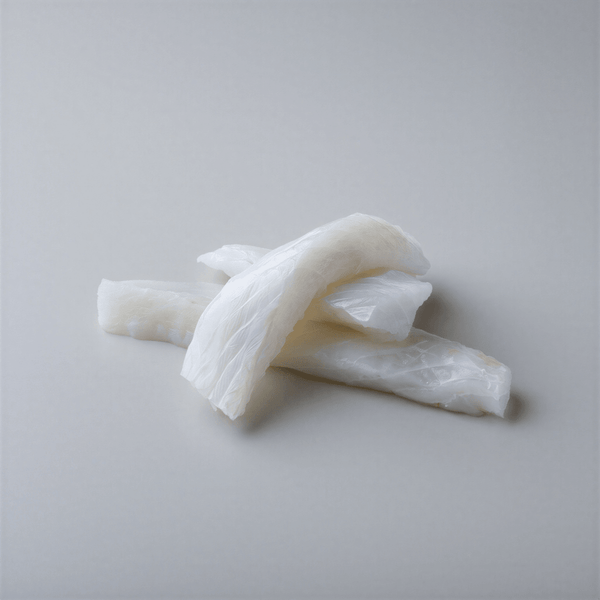
- Flaked cod: not recommended for this dish. It will completely fall apart in the sauce.
Clam variation
Cod in green sauce with clams is the festive version of the dish. Clams contribute a saline broth that enhances the sauce and a textural contrast with their firm flesh and shells.
Adaptation:
- Use 500 g of small or Japanese clams per 4 diners. Purge them in salted water (30 g/liter) for 2 hours to release sand.
- Prepare the base green sauce as per the classic recipe.
- Add the clams 3 minutes before finishing. Cover the casserole. They will open in 2-3 minutes. Discard any clams that don't open.
- Clams release liquid which can dilute the sauce. If it becomes too thin, remove the cod, raise the heat, and reduce for 2 minutes.
Potato variation
Cod in green sauce with potatoes transforms a second course into a hearty main dish. The potatoes absorb the sauce and provide additional body thanks to their starch.
Adaptation:
- Peel and slice 4 medium potatoes into 1 cm rounds. Do not cut them thinner: they would fall apart.
- After making the garlic and flour sofrito, add the potatoes and cover them with stock. Cook for 15-18 minutes over medium heat until tender but intact.
- Place the cod on top of the potatoes and cook for the final 8-10 minutes with the "vaivén" technique.
- The starch from the potatoes naturally thickens the sauce. Reduce the flour to half a tablespoon to compensate.
Grandma's recipe: the most comforting version
Grandma's cod in green sauce is the slow version, made with more broth, more time, and no rush. The main difference is in the method: grandma didn't sear the cod first. She put it raw directly into the sauce and cooked it over very low heat for 20-25 minutes.
What changes from the classic recipe:
- The cod is not floured or seared beforehand. It is placed raw on top of the sauce.
- More stock is used (600 ml instead of 400 ml) because the cooking time is longer and more liquid evaporates.
- Peas (150 g) and pieces of hard-boiled egg are added at the end.
- The heat is kept at a minimum throughout the preparation. The sauce never boils: it bubbles very slowly.
- The result is a more tender, flakier cod, with a thinner, more brothy sauce. Less elegant, but more comforting.
Shrimp variation
Cod in green sauce with shrimp is a less traditional but spectacular sea-sea combination. The shrimp heads provide a quick fumet that enriches the sauce.
Adaptation:
- Peel 12 large prawns, reserving the heads and shells.
- Sauté the heads and shells in the oil before frying the garlic. Squeeze well to extract the juices. Strain the oil and continue with the recipe.
- Sauté the prawn tails for 1 minute on each side and set aside. Add them to the dish in the last minute of cooking.
- The sauce will acquire an orange-greenish hue and a more intense seafood flavor.
Bacalao a la Vasca: the formal version
Bacalao a la Vasca is, in essence, cod in green sauce elevated to a restaurant dish. The difference lies in the accompaniments and presentation:
- Peas, white asparagus tips, and clams are added to the basic green sauce.
- The cod is presented skin-side up, browned under the oven grill for a final 1 minute.
- The sauce is passed through a fine-mesh sieve and whisked with a knob of cold butter off the heat (a French technique adopted by Basque cuisine in the 20th century).
- It is garnished with strips of red pepper and whole fresh parsley leaves.
This is the version you will find in the finest restaurants in Donostia. The base is identical; the difference is the attention to detail in the presentation.
Comparative Table of Variants
| Variant | Difficulty | Total time | Key extra ingredient | Best for |
|---|---|---|---|---|
| Classic Basque | Medium | 30 min | None | Mastering the basic technique |
| With clams | Medium | 35 min | 500 g clams | Festive dinners and celebrations |
| With potatoes | Easy | 45 min | 4 medium potatoes | Family one-dish meal |
| Grandma's style | Easy | 50 min | Peas + hard-boiled egg | Cold days, comfort food |
| With prawns | Medium-high | 40 min | 12 large prawns | Impressing guests |
| A la Vasca (formal) | High | 50 min | Asparagus + butter | Special meals, restaurant at home |
Cocochas and kokotxas in green sauce
Cocochas in green sauce (or kokotxas en salsa verde in Basque) is a different dish from cod in green sauce, although they share the same base sauce. Cocochas are the muscle located under the chin of the cod, extraordinarily rich in gelatin and collagen.
The preparation differs in three key points:
- They are not floured. Cocochas have so much natural gelatin that they would thicken the sauce excessively.
- They are cooked less. Only 4-5 minutes in the sauce, with constant swirling. Cocochas overcook in seconds.
- Swirling is mandatory. Without it, the cocochas do not release their gelatin and the sauce does not emulsify.
The result is a denser and richer sauce than the loin version, with bites of unparalleled texture. If you have never tried cocochas, our complete guide to cod cocochas explains everything about this unique piece. And if you want the best cocochas to cook at home, Bacalalo's desalted cod cocochas come ready for the pan.
Desalted Cod Cocochas - 500g
The piece with the highest concentration of cod gelatin. Ideal for green sauce and pil pil. Desalted and ready to cook.
19.90 EUR | Buy at Bacalalo
Common mistakes: sauce splitting and dry cod
These are the 5 mistakes that ruin cod in green sauce, ordered from most frequent to most serious:
- Sauce splitting (oil separating). Cause: heat too high or lack of swirling. Solution: lower the heat, add a tablespoon of cold broth, and shake the pot vigorously for 30 seconds. If it doesn't emulsify, remove the cod, add a teaspoon of flour dissolved in cold broth and stir.
- Dry and fibrous cod. Cause: excessive cooking or high heat. Desalted cod needs only 8-10 minutes in the sauce over low heat. If it boils vigorously, the proteins contract and expel all the water. Cod should never boil: gentle simmering is key.
- Watery sauce without body. Cause: too much broth, too little flour, or scarce parsley. Solution: reduce the sauce for 5 minutes without the cod before adding it. The correct proportion is 400 ml of broth for 1 heaped tablespoon of flour.
- Bitter taste. Cause: burnt garlic. Garlic burns in seconds: it should be light golden, never dark. If you burn it, discard that oil and start over. Do not try to rescue it.
- Cod falling apart. Cause: piece too thin, moving the cod with a spatula, or boiling it. Use loins at least 3 cm thick and move them only by swirling the pot, never with utensils.
What spices and seasonings to use with cod
Cod in green sauce is a dish of deliberate aromatic austerity: parsley, garlic, and little else. But if you want to vary, these are the spices that combine with cod without ruining the balance:
- Fresh parsley -- essential. It is the main seasoning and has no substitute.
- Cayenne pepper -- a subtle touch of spice. Use a single whole one and remove it before serving.
- Sweet paprika (from La Vera) -- only in the "a la bilbaina" version, never in classic green sauce.
- Bay leaf -- one leaf in the base fumet adds depth without being overpowering.
- White pepper -- a very discreet touch at the end. Better than black pepper for white fish.
What you should never add to cod in green sauce: oregano, cumin, curry, rosemary, or cilantro. They compete with the parsley and denature the dish. If you are looking for more ideas for cod recipes, our guide to desalted cod recipes has options for all levels.
Pairing: what wine to serve with cod in green sauce
The classic pairing is undeniable: txakoli. Its sharp acidity, fine bubbles, and Atlantic freshness complement the richness of the green sauce without competing with the cod.
Options in order of affinity:
- Txakoli from Getaria (Getariako Txakolina) -- the perfect option. Hondarribi Zuri, served very cold (6-8 degrees C) in a glass or wide goblet.
- Albariño Rias Baixas -- if you can't find txakoli. Similar acidity and Atlantic profile.
- Godello del Bierzo -- more body than the previous ones, ideal for the prawn variant or the Basque version with butter.
- Young Verdejo de Rueda -- a more accessible and easy-to-find option. Works well.
- Cava Brut Nature -- the bubbles cleanse the palate between bites. Surprisingly good with cocochas in green sauce.
Avoid red wines (tannins + fish = metallic taste), white wines with oak (wood covers the parsley) and fruity rosés (too sweet for the sauce).
Premium Seafood Products — Bacalalo
Since 1990, selecting the best from the sea at Mercat del Ninot, Barcelona. Refrigerated shipping 24-48h.
View desalted cod →🛒 Products mentioned in this article
⭐ 4.9/5 · Cold shipping 24-48h · Since 1990 at Mercat del Ninot
Frequently Asked Questions
What is the best sauce for cod?
Green sauce is the best sauce for cod according to Basque culinary tradition and the majority preference in Spain. It enhances the flavor of the cod without overpowering it, perfectly combines with its gelatinous texture, and allows for multiple variations (clams, potatoes, prawns). Other classic options are Vizcaina sauce and tomato sauce, but green sauce is the most versatile and the most associated with quality cod.
What are the ingredients for making green sauce for fish?
The basic ingredients are: extra virgin olive oil, sliced garlic, a tablespoon of flour, fish stock (400 ml), chopped fresh parsley (a large bunch), dry white wine (optional), and salt. No additional spices are needed. The quality of the fresh parsley and fish stock determines 80% of the result.
What spices are added to cod?
Cod in green sauce uses fresh parsley as the main seasoning and, optionally, a whole cayenne pepper. For other cod preparations, the most suitable spices are white pepper, sweet paprika from La Vera (in "a la bilbaina"), and bay leaf (in the fumet). Intense spices like oregano, cumin, curry, or rosemary, which denature the fish's flavor, should be avoided.
What is the best seasoning to put on cod?
Fresh parsley is the best seasoning for cod, especially in green sauce and Basque-style preparations. It provides freshness, color, and an herbal aroma that complements the depth of the cod without masking it. The combination of parsley + garlic + olive oil is the basis of Basque cod cuisine and works with all cuts: loins, collars, cocochas, and tail.
Can cod in green sauce be made with fresh cod?
Yes, but the result will be different. Fresh cod has a softer texture and a more delicate flavor than desalted cod. The green sauce will be lighter because fresh cod releases less gelatin. If using fresh cod, add a pinch more salt and reduce the cooking time to 6-7 minutes to prevent overcooking.
How long does cod cook in green sauce?
Desalted cod needs 8-10 minutes in the sauce over low heat, without boiling. Fresh cod needs 6-7 minutes. Cocochas only need 4-5 minutes. In all cases, the heat should be gentle (slow bubbling, never boiling). The cod is ready when the flakes separate when gently pressed with a fork.
Why does the green sauce split?
Green sauce splits (oil separates from the broth) for two reasons: heat too high or lack of movement. The solution is to lower the heat and apply the swirling technique by shaking the pot with short movements for 30 seconds. If it has already split, add a tablespoon of cold broth and shake vigorously. You can also add a teaspoon of flour dissolved in cold broth as an emergency rescue.
Can cod in green sauce be frozen?
It can, but the texture of the cod suffers. The sauce freezes well and maintains its flavor, but the cod loses firmness and may fall apart when thawed. If you need to prepare it in advance, the best option is to freeze only the green sauce (without the cod) and cook the fresh fish on the day you plan to serve it.
What is the difference between green sauce and pil pil?
Pil pil is an emulsion of oil, garlic, and the gelatin from the cod, without flour or broth. Green sauce uses flour as a thickener, fish stock as liquid, and parsley as the dominant flavor. Pil pil is pure technique (three ingredients); green sauce is more accessible and has a more herbal flavor. Both use the swirling technique to emulsify.
Can hake be used instead of cod?
Yes, hake in green sauce is another Basque classic. The main difference is that hake has less gelatin and a more neutral flavor, so the sauce will naturally thicken less. Add half a tablespoon more flour to compensate. Hake cooks 2-3 minutes less than cod (6-7 minutes).
How to make Arguinano's cod in green sauce recipe?
Karlos Arguiñano's recipe follows the classic Basque base with some particularities: he uses an earthenware pot, fries the garlic in abundant oil, adds the flour directly to the garlic, incorporates white wine before the broth, and finishes with the classic swirling. The main difference is that Arguiñano usually adds peas and chopped hard-boiled egg, bringing it closer to the "grandma's style" version.
What accompaniment to serve with cod in green sauce?
The classic accompaniment is rustic bread for dipping in the sauce. If you want something more, loose white rice absorbs the sauce exceptionally well. Avoid strong-flavored garnishes (salad with vinaigrette, roasted vegetables with spices) that compete with the parsley. Boiled or steamed potatoes also work well if you haven't made the potato variant.
More cod recipes: if you liked this guide, explore our complete collection of desalted cod recipes and our guide to premium desalted cod from Iceland to find the perfect piece for each preparation.