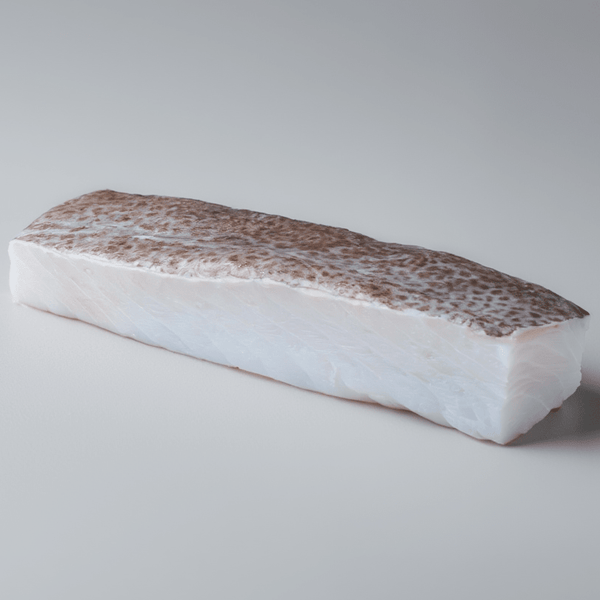
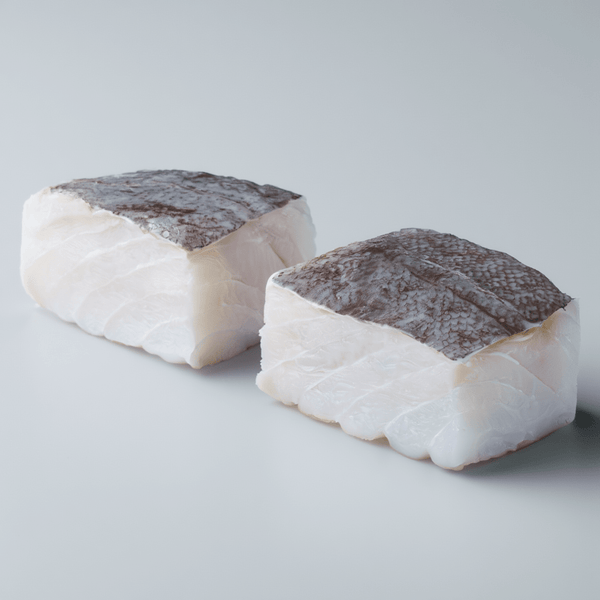
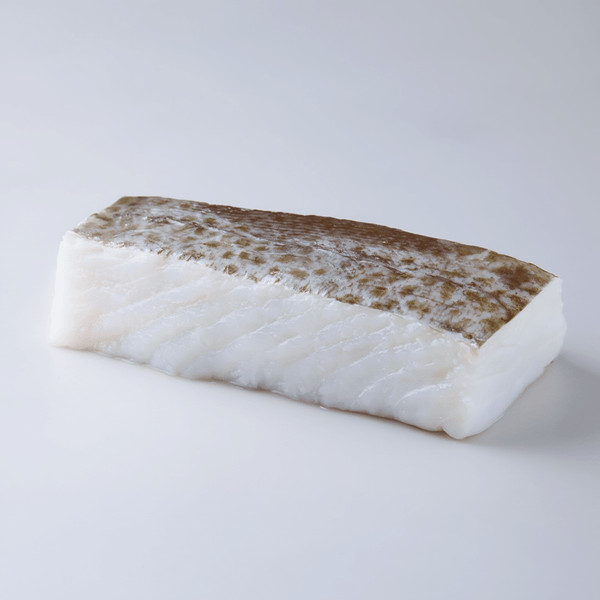
Summary: Cod (Gadus morhua) belongs to the order Gadiformes. It is a white fish because it stores fat in its liver, not in its muscles, which gives it that white, clean flesh with barely 1-2% fat. This differentiates it from oily fish (such as salmon or sardines), which accumulate fat throughout their musculature.
- The short answer: cod is white fish
- Why does this classification really matter?
- Nutritional advantages of white fish
- Nutritional properties of cod: more than just protein
- Essential amino acids and digestibility
- Cod quality: how to recognize excellence
- The artisanal desalting factor
- Frequently asked questions about cod
The short answer: cod is white fish
Cod (Gadus morhua) belongs to the order Gadiformes. It is a white fish because it stores fat in its liver, not in its muscles, which gives it that white, clean flesh with barely 1-2% fat. This differentiates it from oily fish (such as salmon or sardines), which accumulate fat throughout their musculature.

Let's get straight to the point. Cod is a white fish, not an oily fish. This classification is based on its fat content, which is only around 0.5-1% of its total weight. Oily fish like sardines or tuna easily exceed 5% fat, while our protagonist stays at much more modest figures.
But here's the interesting part: this distinction goes far beyond a simple nutritional label. It determines how we preserve, cook, and make the most of every fiber of this Nordic treasure that reaches our tables.
Why does this classification really matter?
The difference between white fish and oily fish is not arbitrary. It directly affects three crucial aspects: digestibility, preservation, and the organoleptic properties of the final product.

White fish like cod have firmer and less oily flesh. This facilitates traditional processes such as salting and drying, ancient techniques that have made cod the king of European preserved gastronomy.
Nutritional advantages of white fish
Its low lipid content makes it an ideal option for low-calorie diets without sacrificing high-biological-value proteins. In addition, its texture allows for better absorption of flavors during cooking, something that professional chefs greatly appreciate.

Nutritional properties of cod: more than just protein
Key nutritional facts about cod
- Calories: only 74-108 kcal per 100g, one of the lightest fish
- Protein: approximately 17.7g per 100g, of high biological value
- Omega-3: essential fatty acids that benefit cardiovascular health and brain function
- B vitamins: B1, B2, B6, B9, and B12, essential for energy metabolism and red blood cell production
- Vitamin D: contributes to bone health and the immune system
- Selenium: powerful antioxidant that protects cells
- Phosphorus and potassium: strengthen bones, improve brain function, and regulate heart rhythm
These properties make cod an ideal ally for weight control diets, athletes, and people seeking a healthy diet without sacrificing flavor.

The nutritional profile of cod transcends its classification as lean fish. We are talking about a true marine superfood with exceptional characteristics.
Every 100 grams of fresh cod provides approximately 82 calories, 18 grams of protein, and less than 1 gram of fat, making it an extraordinarily clean protein source.
But its virtues go beyond basic macronutrients. Cod is rich in vitamin B12, essential for the nervous system, and contains significant amounts of phosphorus, selenium, and iodine. This last mineral is especially relevant for proper thyroid function.
Essential amino acids and digestibility
Cod protein stands out for its complete amino acid profile. It contains all essential amino acids in optimal proportions, with a digestibility greater than 95%. This characteristic makes it a preferred option for athletes and people in recovery processes.
Health benefits
Regular consumption of cod provides specific benefits:
- Cardiovascular health: omega-3 and niacin help reduce triglycerides and LDL cholesterol
- Muscle maintenance: its high-quality proteins promote tissue regeneration
- Immune system: vitamin D and selenium strengthen natural defenses
- Brain function: omega-3 contributes to cognitive development and maintenance
Important: salted cod contains high levels of sodium, which people with hypertension should consider. Correct desalting of cod is essential to reduce this intake.
Related Cod Products


Cod quality: how to recognize excellence
Not all cod is created equal. The origin, catching method, and subsequent processing make vast differences in the final product.
| Quality criterion | Premium cod | Standard cod |
|---|---|---|
| Origin | Cold waters (Iceland/Norway) | Various origins |
| Texture | Firm, flaky | Soft, crumbly |
| Color | Pearly white | Yellowish or grayish |
| Desalting | Artisanal, controlled | Industrial, rapid |
Superior quality cod has translucent flesh when fresh, which turns white and firm after cooking. Its aroma should be marine but never ammoniacal, an unmistakable sign of spoilage.
The artisanal desalting factor
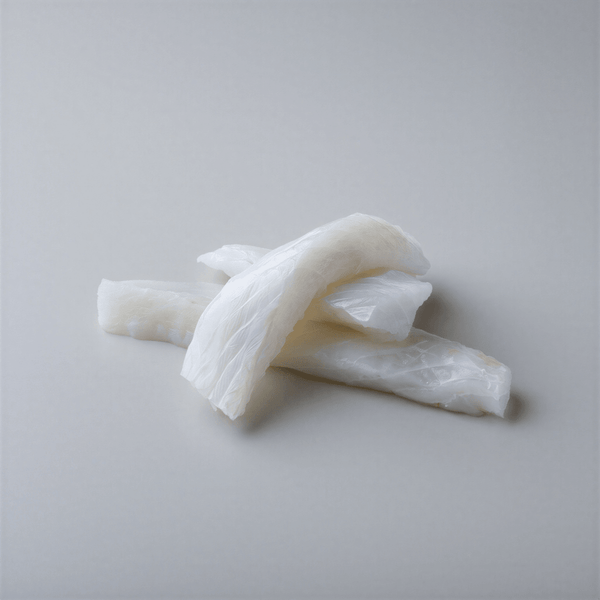
The desalting process makes the difference between mediocre and exceptional cod. Artisanal desalting, carried out with frequent water changes and controlled times, preserves the original texture and removes excess salt without compromising the protein structure.

Ways to consume cod
- Fresh cod: ideal for low-sodium diets — fresh or frozen?
- Salted cod: requires prior desalting — how to desalt cod
- Desalted cod: ready to cook — desalted cod
- Versatile preparations: baked, grilled, in sauces (bacalao al pil-pil), steamed, in salads or in cod croquettes
Frequently asked questions about cod
Does salted cod retain its nutritional properties? Yes, but with nuances. The salting process concentrates proteins and some minerals, but requires proper desalting to control the final sodium content.
Why is Icelandic cod so highly valued? The cold waters of the North Atlantic provide ideal conditions for cod development. Lower temperatures mean slower growth and, consequently, firmer and tastier flesh.
- Colder waters = slower growth
- Lower population density = larger size per specimen
- Natural diet = better lipid profile
- Traditional fishing methods = less stress on the fish
Cod, definitely a white fish, represents much more than a simple nutritional classification. It is tradition, quality, and gastronomic versatility concentrated in every fiber of its immaculate flesh.

Discover more about cod
- hake vs cod — detailed nutritional comparison
- cod vs salmon — which is healthier depending on your goal
- cod for children — at what age can children eat cod
- the 5 cuts of cod — the 5 cuts and when to use each
- Icelandic vs. Norwegian cod — differences in origin and quality
- fake cod — how to distinguish real cod from imitations
- ling vs cod — tips to avoid confusion
🛒 Products mentioned in this article
⭐ 4.9/5 · Cold shipping 24-48h · Since 1990 in Mercat del Ninot
Conclusions
- The short answer: cod is white fish: Cod (Gadus morhua) belongs to the order Gadiformes.
- Why does this classification really matter?: These properties make cod an ideal ally for weight control diets, athletes, and people looking for a healthy diet without sacrificing flavor.