Summary: "Basque fishermen not only caught cod, but transformed a perishable food into a durable commodity that fed Europe for centuries."
The historical origin of salted cod
The art of preserving cod in salt has deep roots dating back to the medieval Nordic peoples. The Vikings were pioneers in developing rudimentary salting techniques, although they initially used open-air drying methods, taking advantage of the icy Arctic winds.

The real revolution came with the Basque fishermen of the 13th century. These masters of the sea perfected the wet salting process, creating what we know today as traditional salted cod. Their technique consisted of alternating layers of fresh fish with coarse sea salt, creating a hypersaline environment that inhibited bacterial growth.
"Basque fishermen not only caught cod, but transformed a perishable food into a durable commodity that fed Europe for centuries."

The pioneers of Atlantic trade
The Portuguese expanded these techniques during their expeditions to Newfoundland in the 15th century. They established processing factories on the Canadian coasts, where traditional dried cod became a medium of exchange. This flourishing industry connected the North Seas with the Mediterranean markets, creating the first transatlantic trade routes dedicated exclusively to preserved fish.
The science behind salt preservation
Why is salt so effective as a preservative? The answer lies in the process of osmosis and selective dehydration. When we apply salt to fresh cod, a gradual extraction of cellular water occurs, reducing water activity (aw) below 0.95.

This hostile environment prevents the proliferation of pathogenic microorganisms. Simultaneously, muscle proteins undergo controlled denaturation that modifies the texture, creating that characteristic firm consistency of historic salted cod.

Biochemical transformations during curing
During the first 48 hours, autolytic enzymes partially break down protein fibers, releasing free amino acids that intensify the umami flavor. This process, known as controlled autolysis, is fundamental for developing the distinctive organoleptic profile.
| Curing phase | Duration | Main changes |
|---|---|---|
| Initial salting | 0-24h | Surface dehydration |
| Salt penetration | 1-7 days | Osmotic balance |
| Maturation | 2-4 weeks | Aromatic development |
Traditional methods vs. modern techniques
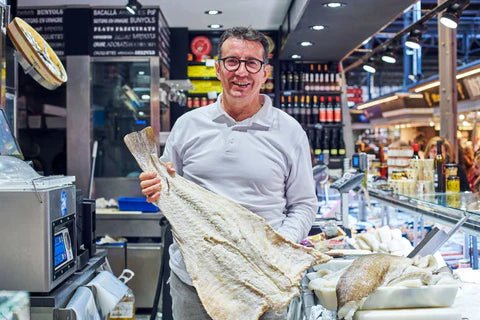
Artisan cod shops like those in Mercat del Ninot keep ancestral methods alive, but incorporate contemporary quality controls. Manual selection of fish, precise cutting, and gradual desalting require expertise passed down through generations.
Industrial processes, while efficient, often compromise the final quality. They use concentrated brines and accelerated curing chambers that reduce times, but sacrifice the gustatory complexity characteristic of authentic salted cod.

Innovations in artisanal processing
Modern techniques include:
- Relative humidity control using digital hygrometers
- Temperature monitoring in maturation chambers
- Vacuum packaging to preserve post-desalting freshness
- Traceability from origin to final consumer
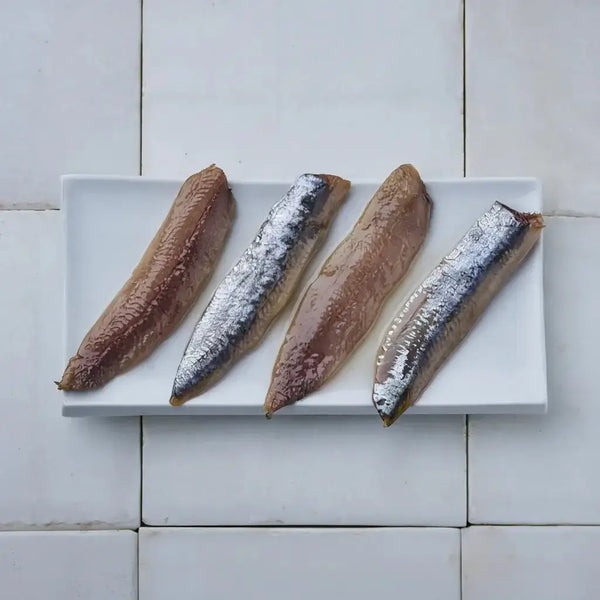
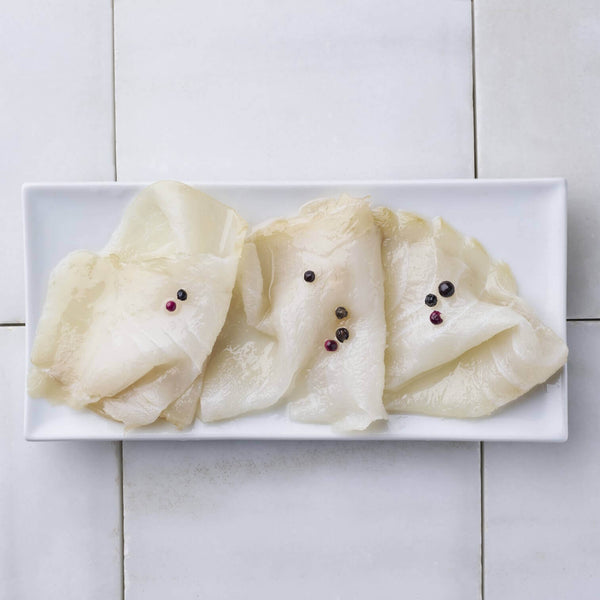
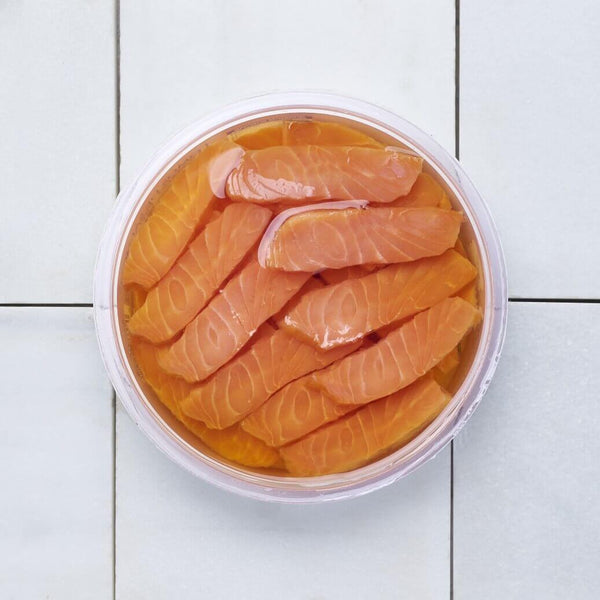
Related Cod Products


How to choose and buy quality salted cod?
When buying salted cod, visual appearance reveals a lot about its quality. A good specimen has a uniform pearly color, without yellowish spots that indicate lipid oxidation. The texture should be firm but not rigid, a sign of balanced curing.
The thickness of the cut directly influences desalting times. Pieces 2-3 centimeters thick require 24-36 hours of soaking, while thinner fillets rehydrate in 12-18 hours. Do you need advice on specific grammages? Specialists can calculate exact quantities according to the number of diners and the planned culinary preparation.
Discover our selection of desalted cod at Bacalalo.
Discover our premium selection
Seafood products carefully selected since 1990 at Mercat del Ninot, Barcelona. Refrigerated shipping in 24-48h.
Conclusions
- The historical origin of salted cod: The art of preserving cod in salt has deep roots dating back to the medieval Nordic peoples.
- The science behind salt preservation: Why is salt so effective as a preservative?
- Traditional methods vs. modern techniques: Artisan cod shops like those in Mercat del Ninot keep ancestral methods alive, but incorporate contemporary quality controls.
- How to choose and buy quality salted cod?: When buying salted cod, visual appearance reveals a lot about its quality.
Frequently asked questions
What is most important about why cod is preserved in salt?
The real revolution came with the Basque fishermen of the 13th century. These masters of the sea perfected the wet salting process, creating what we know today as traditional salted cod. Their technique consisted of alternating layers of fresh fish with coarse sea salt, creating a hypersaline environment that inhibited bacterial growth.
How can I learn more about this topic?
In this article about why cod is preserved in salt, you will find detailed information to answer this question. We recommend reading the complete guide for a more precise answer.
Where to buy quality cod in Barcelona?
When buying salted cod, visual appearance reveals a lot about its quality. A good specimen has a uniform pearly color, without yellowish spots that indicate lipid oxidation. The texture should be firm but not rigid, a sign of balanced curing.
Does Bacalalo ship throughout Spain?
Discover our selection of desalted cod at Bacalalo.