Summary: Highest risk area: Anisakis larvae are especially concentrated in the belly and abdominal area of cod. In these parts, they are easiest to detect with the naked eye: look for small white or pinkish worms, often coiled on themselves.
Discover our entire catalog at Bacalalo, cod specialists since 1990.
What is anisakis and why does it appear in cod?
Highest risk area: Anisakis larvae are especially concentrated in the belly and abdominal area of cod. In these parts, they are easiest to detect with the naked eye: look for small white or pinkish worms, often coiled on themselves.

Anisakis is a parasitic nematode that naturally inhabits the cold marine waters of the North Atlantic, precisely where the best specimens of Icelandic and Norwegian cod are caught. This small worm is part of the marine ecosystem and does not indicate poor fish quality; quite the opposite: its presence confirms that the cod comes from pristine, cold waters.
Crustaceans and small fish act as intermediate hosts. When cod ingest them, the anisakis migrates to their muscles and viscera. This is a completely natural process that does not affect the gastronomic quality of the fish, but requires specific protocols to ensure food safety.
"Anisakis is not an indicator of poor quality, but a natural characteristic of wild fish from cold waters. The key is to know the correct inactivation methods."
Effective methods to eliminate anisakis from cod
Minimum freezing times according to regulations: cod must be frozen at -20 °C or lower for at least 5 days to ensure the total elimination of anisakis. In domestic freezers with 3 stars (***) or more, 24-48 hours at that temperature are sufficient. If your freezer does not reach -20 °C, freeze for at least a week.

Freezing: the safest method
Freezing cod at -20°C for a minimum of 24 hours completely inactivates anisakis. This cryogenic process destroys the cellular structure of the parasite without altering the organoleptic properties of the fish. For very thick specimens, we recommend extending the period to 48 hours.
Fresh cod should be frozen immediately after purchase. Use the domestic freezer at its lowest temperature and ensure that the center of the fish reaches -18°C. A kitchen thermometer can verify that the process is effective.
High-temperature cooking
Cooking at 60°C for a minimum of 10 minutes at the core of the product eliminates any risk. Techniques such as poaching, baking, or deep frying guarantee homogeneous temperatures. Cod confit at low temperature is also safe if maintained at 65°C for 15 minutes.
Traditional salting
The artisanal salting process we use at Bacalalo naturally inactivates anisakis. Osmotic dehydration and high salt concentration create a hostile environment for the parasite. Our salted cod spends months under sea salt, ensuring total safety.
Safe cooking: cooking cod to an internal temperature of over 60 °C for at least one minute eliminates any larvae. Frying, baking, and prolonged stews ensure this temperature if the heat reaches the center of the piece.
How to buy safe cod: professional guarantees
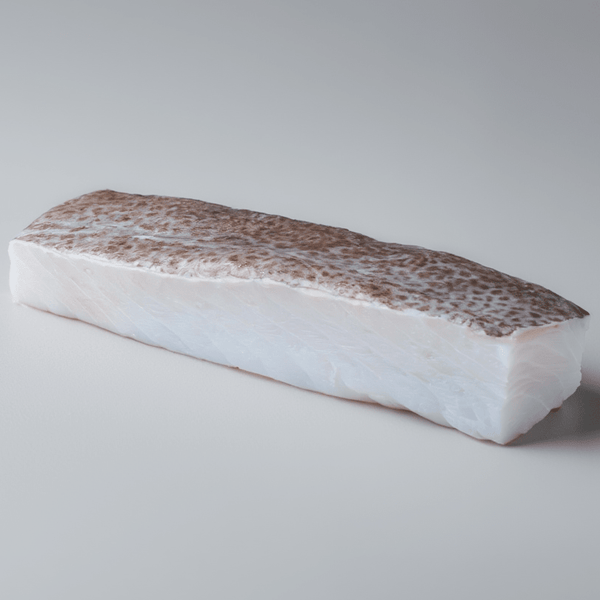
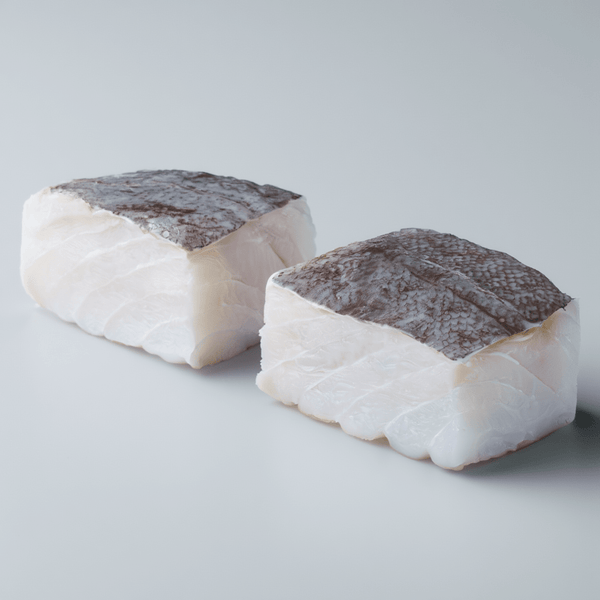
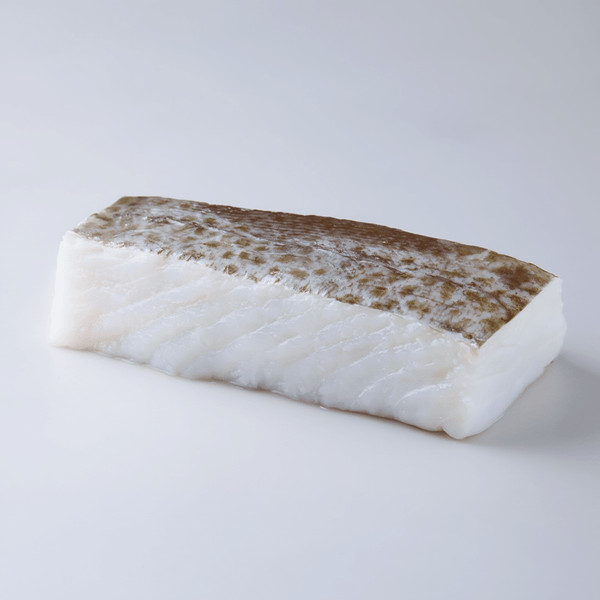
Choosing a specialized supplier makes the difference between paranoia and peace of mind. In an artisanal cod shop, each specimen undergoes exhaustive controls during manual butchering. We detect and eliminate any visible presence of anisakis before vacuum packaging.

Refrigerated shipping with SEUR Frío maintains the cold chain from Barcelona to your home. This specialized logistics preserves freshness and prevents bacterial proliferation that could compromise food safety.
| Purchase method | Inspection level | Guarantees |
|---|---|---|
| Supermarket | Basic | Limited |
| Artisanal cod shop | Exhaustive manual | Complete |
| Specialized online store | Professional + traceability | Maximum |
Related products from Bacalalo


Safe preparation at home: practical tips
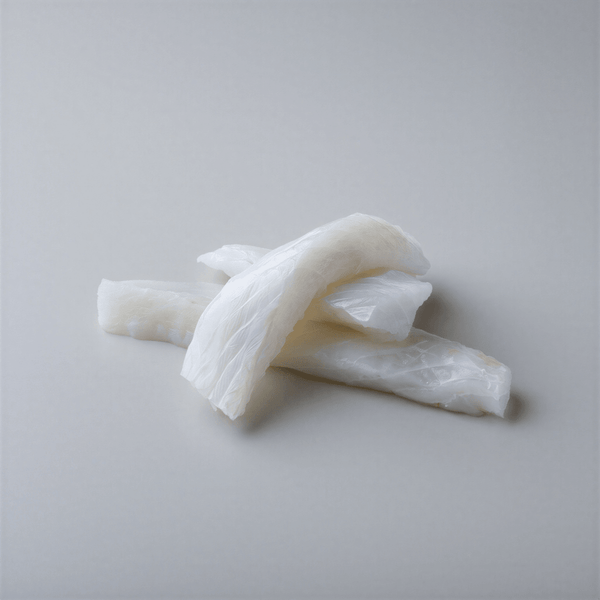
What about salted cod? Although the salting process helps, anisakis can survive in desalted cod if it has not been previously frozen. Therefore, if you buy salted cod and desalt it at home, make sure it has been frozen before or freeze it yourself before desalting. At Bacalalo, our desalted cod meets all food safety controls.
Once you receive the cod, visually inspect the surface before cooking. Visible anisakis appear as white or pinkish filaments 1-3 centimeters long. Remove them with tweezers if you detect them, although this step is preventive since our prior control minimizes this possibility.
Maintain refrigeration temperature below 4°C until cooking. Anisakis can remain viable at higher temperatures, which is why the cold chain is essential.
- Always thaw in the refrigerator, never at room temperature
- Consume thawed cod within 24 hours
- Wash hands and utensils after handling raw fish
- Avoid raw preparations unless previously frozen
When to really worry?
Human anisakiasis is exceptional when basic protocols are followed. Symptoms appear between 1-12 hours after consuming infected raw fish: intense abdominal pain, nausea, or vomiting. However, these cases are anecdotal in Spain thanks to current health regulations.
People allergic to anisakis represent a group of higher sensitivity. Even dead parasites can trigger reactions. If you have experienced hives after consuming fish, consult an allergist before including cod in your regular diet.
Smart prevention eliminates unnecessary risks. Trust specialized suppliers, respect storage temperatures, and enjoy the authentic taste of Nordic cod without food paranoia.

Conclusions
- What is anisakis and why does it appear in cod?: Highest risk area: anisakis larvae are especially concentrated in the belly and abdominal area of cod.
- Effective methods to eliminate anisakis from cod: Minimum freezing times according to regulations: cod must be frozen at -20 °C or lower for at least 5 days to ensure the total elimination of anisakis.
- How to buy safe cod: professional guarantees: What about salted cod?
Frequently asked questions
What is the most important thing about anisakis and cod?
Summary: Highest risk area: anisakis larvae are especially concentrated in the belly and abdominal area of cod. In these parts, they are easiest to detect with the naked eye: look for small white or pinkish worms, often coiled on themselves.
How can I learn more about this topic?
In this article about anisakis and cod, you will find detailed information to answer this question. We recommend reading the complete guide for a more precise answer.
Where to buy quality cod in Barcelona?
Anisakis is a parasitic nematode that naturally inhabits the cold marine waters of the North Atlantic, precisely where the best specimens of Icelandic and Norwegian cod are caught. This small worm is part of the marine ecosystem and does not indicate poor fish quality; quite the opposite: its presence confirms that the cod comes from pristine, cold waters.
Does Bacalalo ship throughout Spain?
The artisanal salting process we use at Bacalalo naturally inactivates anisakis. Osmotic dehydration and high salt concentration create a hostile environment for the parasite. Our salted cod spends months under sea salt, ensuring total safety.