Summary: Cod is a white fish. But what exactly does that mean? Is it better or worse than oily fish? Here we explain the real differences between white and oily fish, where cod fits in, and why this classification matters for your health and cooking.
Contents
Quick Answer
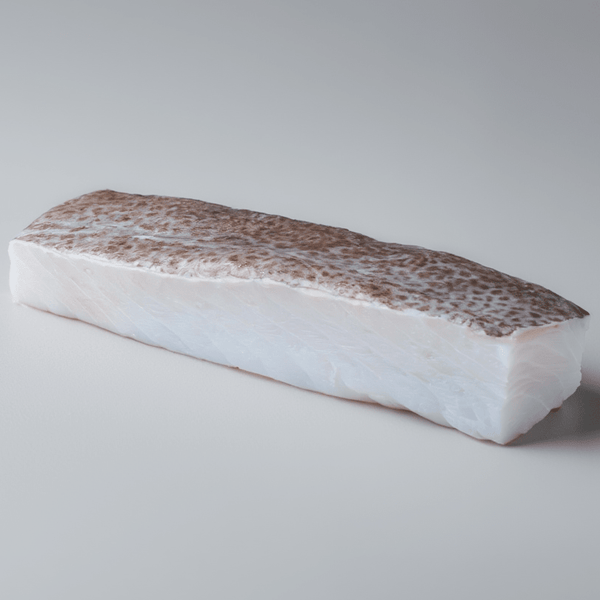
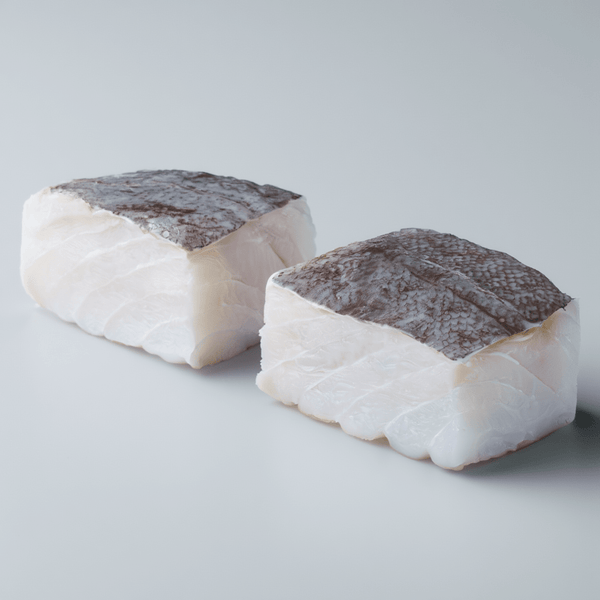
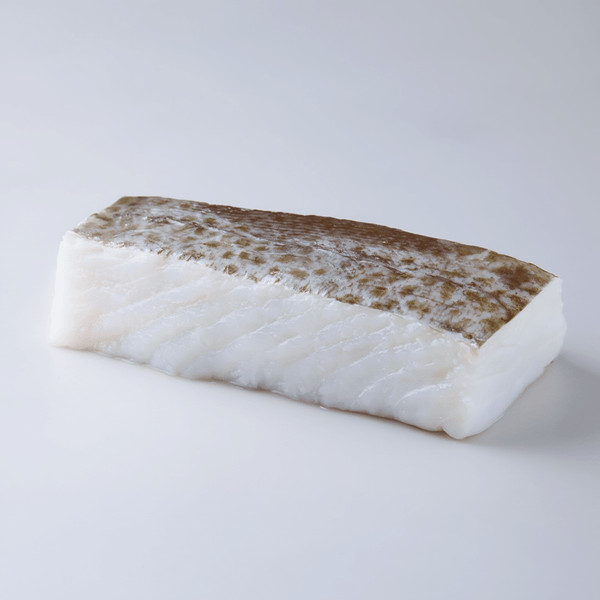
Cod is a white fish. Its fat content is low (less than 2%), it stores fat in its liver (not in the flesh), and it has firm, white flesh. In fact, it is one of the most consumed white fish in the world.
What Differentiates White Fish from Oily Fish
The fundamental difference is the fat content of the flesh:
| Characteristic | White Fish | Oily Fish |
|---|---|---|
| Fat in the flesh | Less than 2-3% | More than 5% |
| Where fat is stored | In the liver | In the flesh (muscle) |
| Flesh color | White or very light | Darker, pinkish or reddish |
| Flavor | Mild, delicate | More intense, seafood flavor |
| Texture | Firm, flaky | More juicy, unctuous |
| Calories (100g) | 60-90 kcal | 120-220 kcal |
| Omega-3 | Low | High |
There is also an intermediate category: semi-oily fish (between 2% and 5% fat), which includes sea bream, sea bass, and trout.
Classification of Common Fish
White fish (< 2% fat)
- Cod: 0.7% fat
- Hake: 1.8% fat
- Monkfish: 0.3% fat
- Sole: 1.5% fat
- Megrim: 1.2% fat
- Turbot: 1.7% fat
Semi-oily fish (2-5% fat)
- Sea Bream: 2.5% fat
- Sea Bass: 3.4% fat
- Trout: 3% fat
- Swordfish: 4% fat
Oily fish (> 5% fat)
- Sardine: 10% fat
- Salmon: 12% fat
- Mackerel: 11% fat
- Bluefin Tuna: 15% fat
- Anchovy: 6% fat
- Bonito: 6% fat
Related Cod Products


Recommended Products

Natural Cod Liver Foie Gras - 120g | Cod L...
3,90 €

CHATKA Wild King Crab 60% Legs 40% Shredded...
95,00 €

Smoked Cod Carpaccio Artisan Cut | 1 Tray P...
15,90 €

Dried Cod Tongues (1 tray) - 500g
19,95 €
Refrigerated shipping 24-48h throughout the Peninsula
Nutritional Value Compared
Comparison per 100g edible portion:
| Nutrient | Cod (white) | Salmon (oily) | Sardine (oily) |
|---|---|---|---|
| Calories | 82 kcal | 208 kcal | 185 kcal |
| Protein | 18 g | 20 g | 25 g |
| Total Fat | 0.7 g | 13 g | 10 g |
| Omega-3 | 0.2 g | 2.3 g | 1.5 g |
| Vitamin B12 | 1 μg | 3.2 μg | 8.9 μg |
| Selenium | 33 μg | 36 μg | 52 μg |
Which is Better for Health
Neither is "better" than the other: they are complementary.
- White fish (cod): ideal for low-fat, low-calorie diets. High in quality protein. Low in mercury. Perfect for weight management.
- Oily fish (sardine, salmon): rich in omega-3 (cardiovascular protection, anti-inflammatory). More caloric but the fat is healthy. More iron and B vitamins.
The recommendation from AESAN (Spanish Agency for Food Safety) is to consume fish 3-4 times a week, alternating white and oily fish. Cod, sardines and salmon are excellent options to cover both groups.
Implications in Cooking
The fat content of fish directly affects how it is cooked:
- White fish (cod): having little fat, it dries out easily if overcooked. The best techniques are confit, steaming, quick baking or stewing. It needs oil or sauce to compensate.
- Oily fish: intramuscular fat keeps it juicy even with strong cooking methods. It holds up well to grilling, barbecuing, and baking without drying out.
This is why cod is traditionally cooked in oil (pil pil, confit) or in sauce (Vizcaína, Ajoarriero): the external fat compensates for the lack of internal fat in the fish.
🛒 Products mentioned in this article
⭐ 4.9/5 · Cold shipping 24-48h · Since 1990 at Mercat del Ninot
Frequently Asked Questions
Does cod have omega-3?
Yes, but little in the flesh (0.2 g/100g). However, cod liver is very rich in omega-3, which is why cod liver oil has been a traditional supplement. If you're looking for omega-3, combine cod with oily fish like sardines or salmon.
Is salted cod fattier than fresh cod?
No. The salting process does not add fat; it only partially dehydrates the fish. Desalted salted cod has essentially the same nutritional composition as fresh cod, with slightly more residual sodium.
Does cod make you gain weight?
At 82 kcal/100g, cod is one of the leanest foods available. What can add calories is the way it's prepared: pil pil (with abundant oil) or gratins (with béchamel) are indeed more caloric due to the added ingredients.
Is Skrei white or oily fish?
Skrei is fresh seasonal cod (caught during the winter migration in Norway). It is white fish, like all cod. Its difference is that it is fattier than regular cod (being in its spawning period) but it is still white fish.
What fish is best for children?
White fish (cod, hake) is ideal for children: mild flavor, low in fat, high in protein, and low in mercury. Small sardines are also excellent for their omega-3 and calcium content.
Related Guides
- Cod liver oil: benefits
- Omega 3 in fish: ranking
- Canned sardines: complete guide
- 15 recipes with desalted cod
Incorporate premium white fish into your diet. Discover our desalted cod from Iceland and smoked salmon rich in omega-3 at Bacalalo.