Summary: Cod is one of the most versatile fish in Spanish and European cuisine. It can be prepared in dozens of ways: baked, grilled, fried, confited, stewed, in sauce, raw...

Table of Contents
- Cooking cod: where to start
- Preliminary step: proper desalting
- Which cut to use for each technique
- 1. Baked cod
- 2. Grilled cod
- 3. Fried and battered cod
- 4. Cod confit
- 5. Cod stew
- 6. Cod in green sauce
- 7. Cod al pil-pil
- 8. Steamed cod
- 9. Garlic cod
- 10. Raw cod (esqueixada)
- Common mistakes when cooking cod
- Temperature and time chart
- Frequently Asked Questions
- Conclusions
Cooking cod: where to start
Cod is one of the most versatile fish in Spanish and European cuisine. It can be prepared in dozens of ways: baked, grilled, fried, confited, stewed, in sauce, raw... Each technique produces a completely different result from the same ingredient. The problem is that cod is also a demanding fish: it dries out if overcooked, tastes salty if not properly desalted, and flakes if handled too much.

In this guide, we cover the 10 main techniques for cooking cod, with timings, temperatures, and professional cooking tips. Whether it's your first time cooking cod or you've been doing it for years, here you'll find useful information to improve your dishes. The starting point is always the same: good quality desalted cod and the right cut for each technique.
Preliminary step: proper desalting
Before cooking, salted cod needs proper desalting. If you buy already desalted cod (like from Bacalalo), you can skip this step.
Desalting rules
- Time: 24-48 hours in cold water in the refrigerator (thin pieces: 24h; thick loins: 36-48h)
- Water changes: every 8-12 hours (minimum 3 changes)
- Cold water: never desalt in hot or warm water (denatures protein)
- Skin side up: salt descends by gravity
- Salt test: cut a small piece from the center of the thickest piece and taste it. It should be slightly salty (cooking will reduce the perceived saltiness)
Which cut to use for each technique
The 5 main cuts of cod have different properties that make them ideal for different techniques:

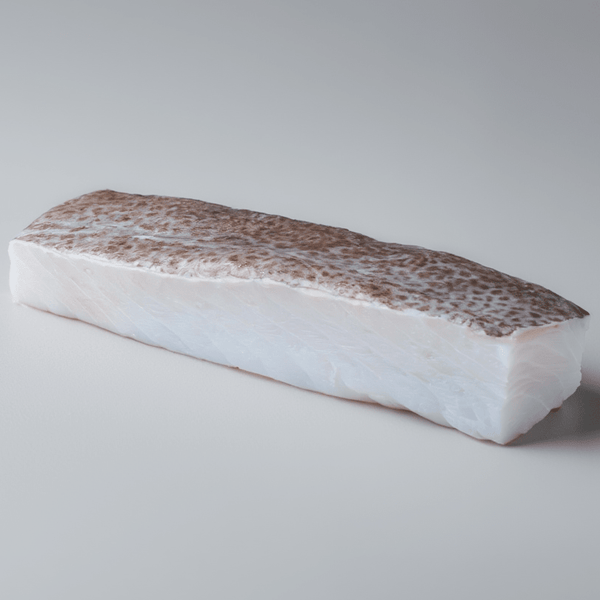
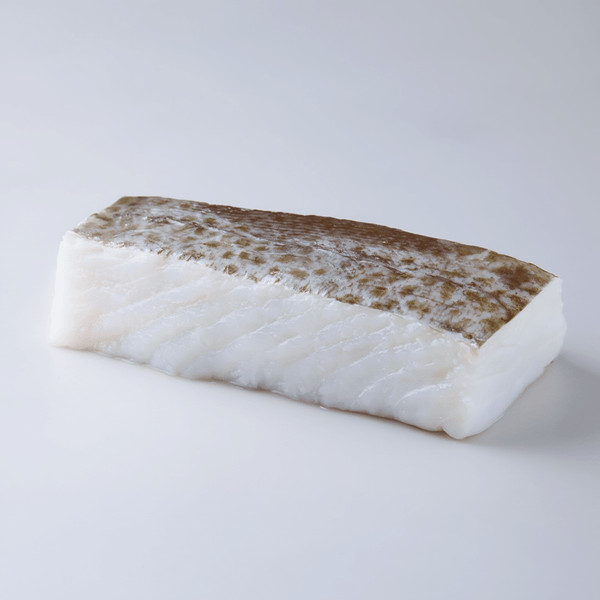
- Loin: the premium piece. Thick, juicy, boneless. Ideal for baking, grilling, confit, pil-pil, and individual presentations.
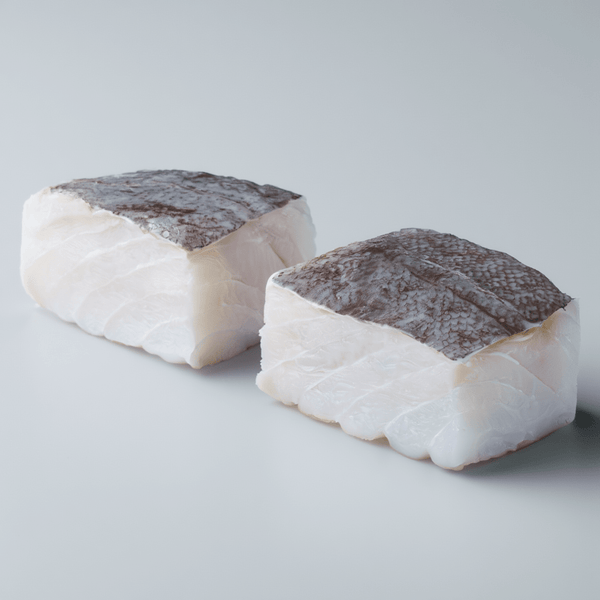
- Penca: with central bone. More economical than the loin. Perfect for stews, frying, and green sauce (the bone provides collagen).
- Tail: thinner and drier. For stews, croquettes, and preparations where it flakes apart.
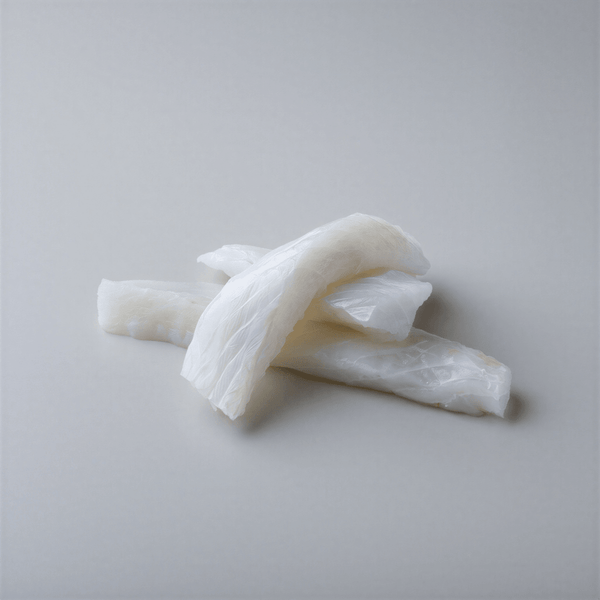
- Flakes: small pieces. Croquettes, fritters, omelets, salads.
- Kokotxas: the lower part of the head. Unique gelatinous texture. For pil-pil and grilling.
Related Products from Bacalalo


1. Baked cod
The easiest technique with the least risk of error. Baked cod turns out juicy, cooks evenly, and doesn't require constant monitoring.
How to do it
- Temperature: 200 °C (without fan) or 180 °C (with fan)
- Time: 12-18 minutes depending on thickness (2 cm: 12 min / 3 cm: 15 min / 4 cm: 18 min)
- Cut: skin-on loin
- Tip: place a bed of onion and bell pepper under the cod. The vegetables release steam that keeps the cod moist.
2. Grilled cod
The quickest and lightest way. Grilled cod requires technique to prevent it from drying out or sticking.

How to do it
- Temperature: very hot griddle, high heat
- Time: 3-4 min on the skin side, 2 min on the flesh side
- Cut: skin-on loin (the skin protects the flesh)
- Tip: pat the cod dry with paper towels before cooking. Moisture prevents a crispy crust from forming. Oil the fish, not the griddle.
3. Fried and battered cod
Battered and fried cod is an absolute classic of Spanish cuisine: fritters, "soldaditos de Pavía", cod in tempura...
How to do it
- Oil temperature: 180 °C (use a thermometer)
- Time: 3-4 minutes until uniformly golden
- Cut: "penca" or loin cut into 3-4 cm pieces
- Batters: flour + egg (classic), tempura (crispy and light), beer (more airy)
- Tip: do not move the pieces during the first 2 minutes. The batter needs time to seal before turning it.
4. Cod confit
Confit produces the juiciest and most tender cod possible. A low-temperature technique that requires patience but is foolproof.

How to do it
- Oil temperature: 55-65 °C (thermometer essential)
- Time: 15-25 minutes at 60 °C
- Cut: thick, skinless loin
- Tip: cod confited at 55 °C will be sashimi-like (silky, translucent). At 65 °C, it will be firmer and opaque. Choose according to your preference.
5. Cod stew
Cod stew is comfort food: the cod is gently cooked in a broth with potatoes, vegetables, and a sofrito.
How to do it
- Temperature: low heat, never boil vigorously
- Time: 10-12 minutes for the cod to cook (add it when potatoes are almost done)
- Cut: "penca" (adds collagen to the broth) or loin in pieces
- Tip: add the cod in the last 10-12 minutes. If you cook it from the beginning, it will fall apart completely.
6. Cod in green sauce
Cod in green sauce is one of the great dishes of Basque cuisine: cod in an emulsion of oil, garlic, parsley, and fish stock.

How to do it
- Temperature: medium heat, moving the casserole (back and forth)
- Time: 12-15 minutes
- Cut: skin-on loin (the gelatin from the skin helps thicken the sauce)
- Tip: the back-and-forth movement of the casserole is what emulsifies the sauce. If you don't move the casserole, you'll have oil with water instead of green sauce.
7. Cod al pil-pil
Pil-pil is the most difficult and also the most spectacular technique. An emulsion of oil, garlic, and the natural gelatin of the cod.
How to do it
- Temperature: low-medium heat, never high
- Time: 15-20 minutes confiting + 10-15 minutes emulsifying
- Cut: thick skin-on loin with maximum gelatin (the upper loin from the nape area is ideal)
- Tip: the oil must be at 55-60 °C for the cod's gelatin to release. If the oil is too hot, the gelatin denatures and won't emulsify.
8. Steamed cod
The healthiest way to cook cod: no oil, no added fat, retaining all nutrients.
How to do it
- Temperature: water vapor (100 °C)
- Time: 8-12 minutes depending on thickness
- Cut: loin or "penca"
- Tip: add aromatic herbs (bay leaf, thyme) and lemon slices to the steamer water to perfume the fish. Serve with a good extra virgin olive oil drizzled raw.
9. Garlic cod
Garlic cod is the 15-minute recipe par excellence: sliced garlic, chili pepper, and olive oil.
How to do it
- Temperature: medium-low heat for the garlic, medium-high for searing the cod
- Time: 15 minutes total
- Cut: skin-on loin or "penca"
- Tip: brown the cod first, set aside, make the garlic in the pan, and pour the hot oil over the cod. The sizzling oil finishes the cooking.
10. Raw cod (esqueixada)
Esqueixada is the only raw cod preparation in Spanish tradition: desalted cod flaked with tomato, onion, olives, and olive oil.
How to do it
- Temperature: no cooking (cold)
- Cut: loin or flakes, hand-flaked (never with a knife)
- Tip: the texture of raw cod should be like shredded petals, not cut pieces. Flake along the natural grain of the meat.
Common mistakes when cooking cod
- Overcooking: the most frequent mistake. Cod continues to cook with residual heat. Remove it from the heat when the center is still slightly translucent.
- Poor desalting: cod that is too salty ruins any recipe. If in doubt, taste a piece before cooking.
- Not drying the cod: excess moisture prevents it from browning correctly on a griddle or in a pan. Always pat dry with paper towels.
- Heat too high: cod is a delicate fish. Except for quick searing on a griddle, low-medium heat is your friend.
- Stirring too much: cod flakes easily. Move the casserole, not a spoon inside it. Use wide spatulas to turn.
- Cooking without skin: the skin protects the flesh from direct heat and provides gelatin. Remove it afterwards if you don't like it, but cook with it.
Temperature and time chart
- Oven: 200 °C / 12-18 min
- Griddle: high heat / 5-6 min total
- Fried: 180 °C (oil) / 3-4 min
- Confit: 55-65 °C / 15-25 min
- Stew: low heat / 10-12 min (cod in stew)
- Green sauce: medium heat / 12-15 min
- Pil-pil: 55-60 °C / 15-20 min + emulsion
- Steamed: 100 °C / 8-12 min
- Garlic: medium-low (garlic) + medium-high (searing) / 15 min
- Raw: no cooking
Universal rule: the ideal internal temperature for cooked cod is 55-60 °C. With a kitchen thermometer, you can nail the exact doneness for any technique.
Conclusions
- Cooking Cod: Where to Start: Cod is one of the most versatile fish in Spanish and European cuisine.
- Preliminary step: proper desalting: Before cooking, salted cod needs proper desalting.
- 1. Baked Cod: The easiest technique with the least risk of error.
- 2. Grilled Cod: The fastest and lightest way.
- 3. Fried and Breaded Cod: Breaded and fried cod is an absolute classic of Spanish cuisine: fritters, "soldaditos de Pavía," tempura cod.
Frequently Asked Questions
What is the easiest way to cook cod?
The oven. You just need to place the cod in a tray with a little oil and vegetables, and wait 15 minutes. It's hard to go wrong. Content Cooking cod: where to start Previous step: properly desalting What cut to use for each technique 1.
How do I know when the cod is done?
Cod is done when the flesh changes from translucent to opaque (white) and flakes easily when pressed with a fork. With a thermometer: 55-60 °C in the center.
Why does my cod dry out?
Because of overcooking or too high heat. Cod only has 0.7g of fat: there's no margin for error. Cook it less than you think: residual heat finishes the job. The problem is that cod is also a demanding fish: it dries out if you overcook it, tastes salty if you don't desalt it properly, and crumbles if you handle it too much.
What cod cut is best to start with?
The loin. Thick, boneless, easy to handle. It's the most versatile piece and the hardest to ruin. Content Cooking cod: where to start Previous step: properly desalting What cut to use for each technique 1.
Can frozen cod be cooked directly?
For stews, yes (add it frozen, it will take a few more minutes). For grilling, baking, or frying, defrost in the refrigerator 12-24 hours beforehand. Frozen cod releases a lot of water, which prevents browning. Content Cooking cod: where to start Previous step: properly desalting What cut to use for each technique 1.
Is desalted cod already cooked?
No. Desalted cod is raw cod that has been salted and then rehydrated. It needs cooking (except for esqueixada, where it is eaten raw) before consumption. The starting point is always the same: good quality desalted cod and the right cut for each technique.
Buy premium desalted cod from Iceland at Bacalalo.