Summary: What truly differentiates market cod from supermarket cod? The art of artisanal cutting versus industrial mechanization Filleting techniques and their impact on texture Thickness and uniformity: keys to culinary success Product rotation: freshness versus volume Why does juiciness depend on origin and treatment?
- What truly differentiates market cod from supermarket cod?
- The art of artisanal cutting versus industrial mechanization
- Filleting techniques and their impact on texture
- Thickness and uniformity: keys to culinary success
- Product rotation: freshness versus volume
- Why does juiciness depend on origin and treatment?
- Factors determining the final texture
Content
What truly differentiates market cod from supermarket cod?
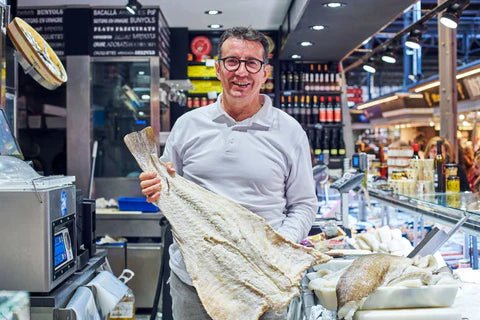
Provenance marks the first significant difference. Artisanal cod comes from specialized fish markets where traceability is fundamental, while large retailers prioritize massive volumes and competitive prices. This initial distinction directly impacts the organoleptic quality of the final product.
Artisanal suppliers maintain direct relationships with Nordic fishermen, guaranteeing specific species such as Icelandic Gadus morhua. In contrast, supermarkets often market mixtures of different origins without clear specification of the fishing ground.
The art of artisanal cutting versus industrial mechanization
Filleting techniques and their impact on texture
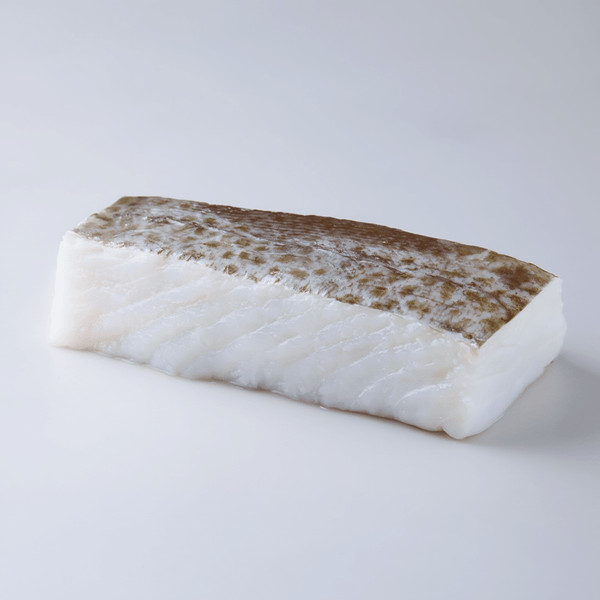
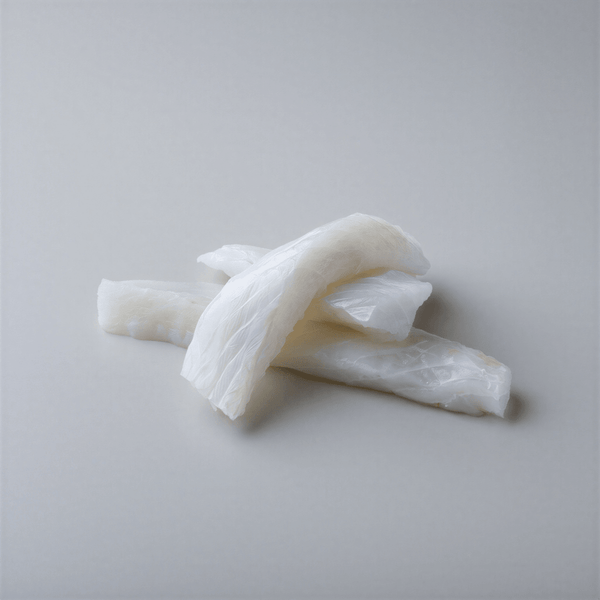
Manual cutting respects the natural muscle structure of the fish. Each cut follows anatomical lines, preserving the integrity of the fibers and preventing tears that compromise subsequent juiciness. This artisanal meticulousness contrasts sharply with mechanized processes.
A carefully respected cut retains up to 15% more natural moisture during the rehydration process, compared to industrially processed pieces.
Thickness and uniformity: keys to culinary success
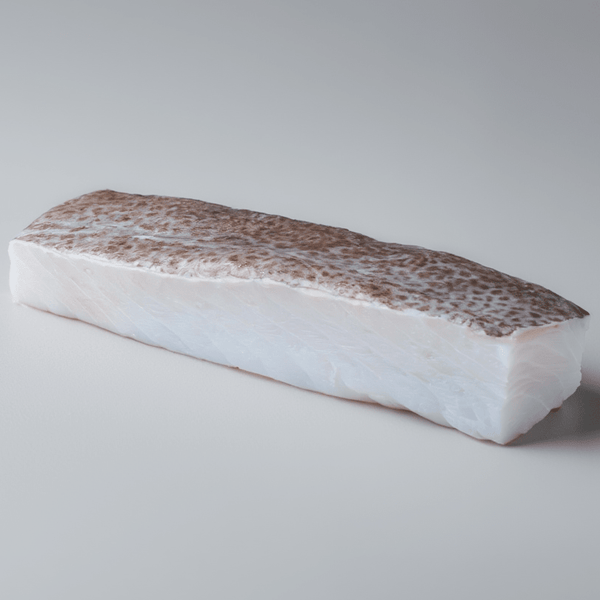
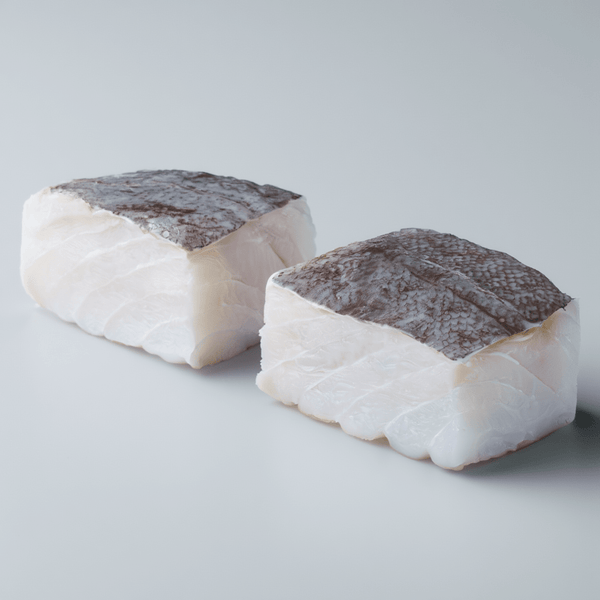
Artisanal cuts are adapted to the intended culinary use. Are you going to prepare a traditional stew or a salad? The thickness varies accordingly. This customization is unthinkable in mass distribution, where standardization trumps gastronomic functionality.
Industrial uniformity, paradoxically, can be counterproductive. Perfectly rectangular loins lose areas of different densities that provide unique textural nuances to the final dish.
Product rotation: freshness versus volume
Traditional markets handle small volumes with accelerated rotation. This means that cod spends less time in storage, better preserving its nutritional and organoleptic properties. Supermarkets, due to economies of scale, maintain prolonged stocks that can affect quality.
Artisanal management allows the optimal salt point to be adjusted according to daily demand. Cod that has been desalting for exactly 48 hours offers an incomparable texture versus one that has remained for days in industrial chambers.
| Aspect | Artisanal Market | Supermarket |
|---|---|---|
| Rotation time | 2-3 days | 7-15 days |
| Salt level | Customizable | Standard |
| Traceability | Specific fishing ground | Multiple origins |
Related products from Bacalalo


Why does juiciness depend on origin and treatment?
Juiciness results from multiple interconnected factors. First, the quality of the raw material determines the initial content of myofibrillar proteins responsible for water retention. Second, the artisanal salting process preserves these structures better than accelerated industrial methods.
Controlled desalting allows gradual rehydration that restores the original texture without oversaturation. Industrial products, frequently over-desalted to speed up processes, lose this natural retention capacity.
Factors determining the final texture
- Constant storage temperature throughout the process
- Maturation time in salt respecting natural rhythms
- Minimal handling to avoid fiber breakage
- Optimal moisture point according to the specific cut
Have you wondered why some cod falls apart when cooked? The answer lies in these seemingly invisible but crucial details for the final result in your kitchen.
The difference between market vs. supermarket cod transcends price. We are talking about completely different philosophies of understanding gastronomy and respect for raw materials.
Discover our selection of desalted cod at Bacalalo.
→ See our selection of desalted cod from Iceland
Conclusions
- What truly differentiates market cod from supermarket cod?: Provenance marks the first significant difference.
- The art of artisanal cutting versus industrial mechanization: Manual cutting respects the natural muscle structure of the fish.
- Product rotation: freshness versus volume: Traditional markets handle small volumes with accelerated rotation.
- Why does juiciness depend on origin and treatment?: Juiciness results from multiple interconnected factors.
Frequently asked questions
What is fake cod called?
Summary: What truly differentiates market cod from supermarket cod? The art of artisanal cutting versus industrial mechanization Filleting techniques and their impact on texture Thickness and uniformity: keys to culinary success Product rotation: freshness versus volume Why does juiciness depend on origin and treatment?
What is the best quality cod?
Traditional markets handle small volumes with accelerated rotation. This means that cod spends less time in storage, better preserving its nutritional and organoleptic properties. Supermarkets, due to economies of scale, maintain prolonged stocks that can affect quality.
Is frozen cod desalted?
Discover our selection of desalted cod at Bacalalo.
Who cuts the cod?
Summary: What truly differentiates market cod from supermarket cod? The art of artisanal cutting versus industrial mechanization Filleting techniques and their impact on texture Thickness and uniformity: keys to culinary success Product rotation: freshness versus volume Why does juiciness depend on origin and treatment?