

Summary: When a fishmonger offers you "Icelandic cod" or "Norwegian cod," it's not just marketing—they are genuinely different products. The waters where they are fished, the fish's diet, and processing methods create differences that a good cook notices at first bite.
Content
Why does cod origin matter?
When a fishmonger offers you "Icelandic cod" or "Norwegian cod," it's not just marketing—they are genuinely different products. The waters where they are fished, the fish's diet, and processing methods create differences that a good cook notices at first bite.
Both are Gadus morhua (Atlantic cod), the same species. But just as a Rioja wine doesn't taste the same as a Ribera del Duero, cod from Icelandic waters has distinct characteristics from Norwegian cod. Understanding these differences helps you choose better depending on what you're going to cook.
Direct comparison: Iceland vs. Norway
| Characteristic | Icelandic Cod | Norwegian Cod |
|---|---|---|
| Fishing waters | North Atlantic, cold waters (1-5°C) | Norwegian Sea and Barents Sea (2-8°C) |
| Typical size | Large pieces (3-8 kg) | Variable, smaller to medium pieces |
| Texture | Firm, large flakes, flakes cleanly | Softer, finer fiber |
| Flavor | Clean, slightly sweet, very little "fishy" taste | More pronounced, natural saline nuance |
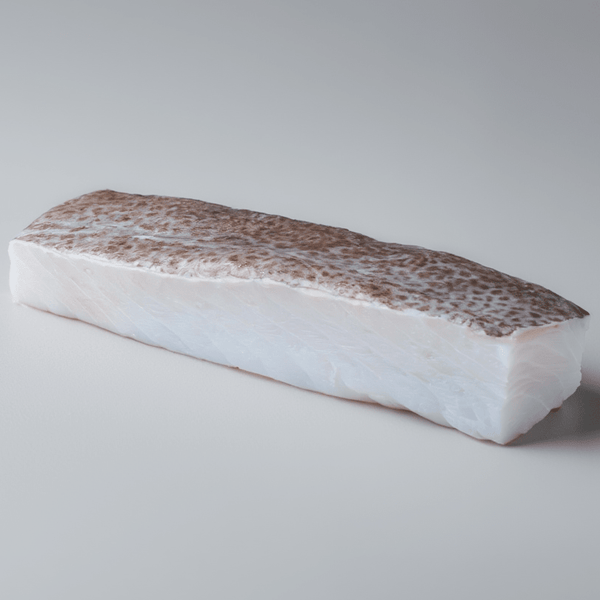
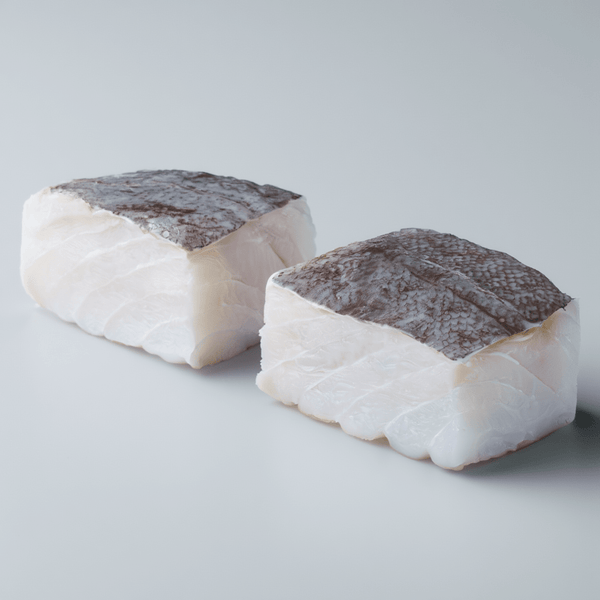
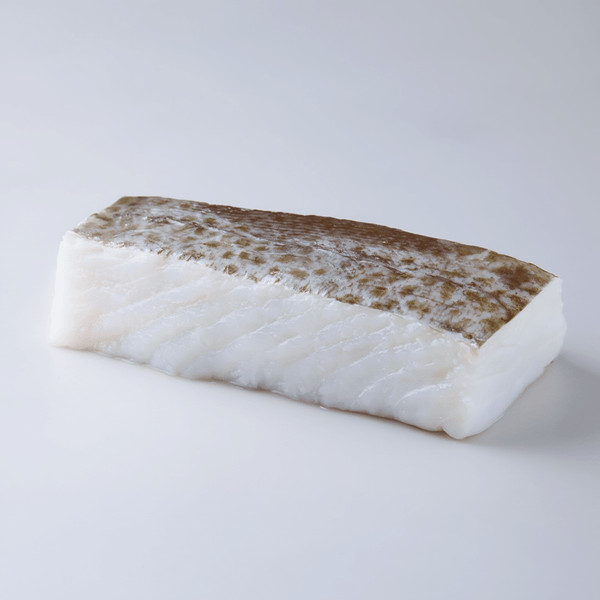
| Flesh color | Pure white to ivory | White with slightly yellowish tones |
| Best for | Pil-pil, confit, "a la llauna", dishes where cod is the star | Stews, thick soups, brandade, croquettes |
| Cooking yield | 95-98% (loses little water) | 90-95% (slightly more shrinkage) |
| Estimated price/kg | €45-60 (premium desalted) | €35-50 (desalted) |
Flavor and aroma: differences that matter on the plate
Icelandic cod has a clean and slightly sweet flavor, a consequence of colder waters and a diet rich in capelin and krill. This clean flavor makes it the preferred option when cod is the absolute star of the dish — such as in a pil-pil or a low-temperature confit, where there are no strong sauces to mask nuances.
Norwegian cod, on the other hand, has a more "sea-like" flavor, slightly more intense. This is not a defect — it is a characteristic that makes it ideal for preparations with rich sauces, tomato, peppers, or long stews where the fish flavor needs to stand up against other strong ingredients.
Related Cod Products


Texture: why Icelandic cod flakes differently
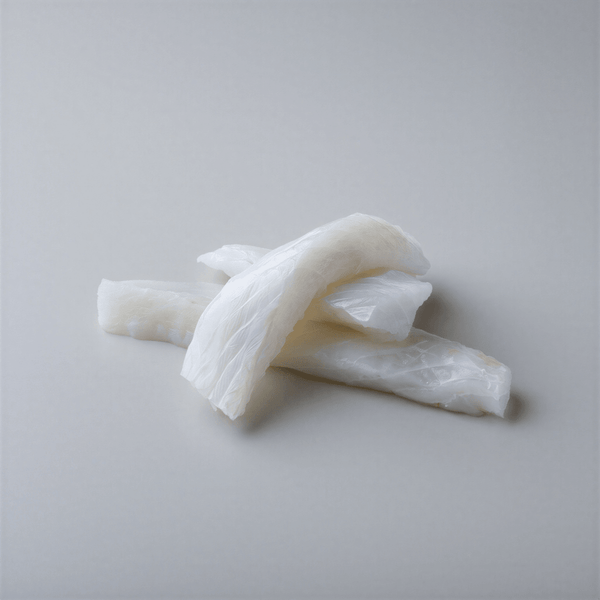
Texture is perhaps the most noticeable difference. Icelandic cod has larger and more defined muscle fibers. When confited or cooked at a gentle temperature, it separates into clean, large flakes — the perfect visual effect for a restaurant presentation.
Norwegian cod has finer fiber, which means that when flaked, it tends to remain in smaller pieces. This is not necessarily worse: for croquettes, brandade, or fritters, a finer texture integrates better into the mixture.
Which to choose based on your recipe?
Choose Icelandic cod for:
- Pil-pil — you need large flakes that release gelatin, and the firm texture holds the emulsion
- Low-temperature confit — the result is silky and flakes into perfect pieces
- Bacalao a la llauna — Icelandic loin maintains integrity in the oven
- Dishes where cod is served alone — its clean flavor doesn't need strong accompaniment
Choose Norwegian cod for:
- Brandade and croquettes — the fine fiber mixes perfectly with béchamel/potato
- Stews with tomato or bell pepper — the more intense flavor holds up against strong sauces
- Esqueixada — works well flaked cold, although Icelandic cod is also excellent
- Fried or battered cod — more economical, and the batter evens out textures
How to identify the origin when buying
At a fishmonger or specialty store, ask directly for the origin. A good supplier knows and indicates it. Visual cues:
- Icelandic cod usually has thicker, whiter loins
- Norwegian cod tends to be slightly more yellowish (due to the salting process)
- If buying dried (salted) cod, Icelandic cod usually has lighter skin
For packaged products, look for the FAO capture area on the label. Iceland generally corresponds to FAO area 27 (sub-area Va), while Norway is usually in FAO 27 (sub-areas I, II).
Can they be mixed in the same recipe?
It is not recommended. Having different cooking times and textures, mixing origins in the same dish can lead to uneven results — some portions more cooked than others, or inconsistent textures.
If you are cooking for a large group and need both due to availability, cook them separately and serve each origin as a distinct dish.
Conclusions
- Why does cod origin matter?: When a fishmonger offers you "Icelandic cod" or "Norwegian cod," it's not just marketing—they are genuinely different products.
- Flavor and aroma: differences that matter on the plate: Norwegian cod, on the other hand, has a more "sea-like" flavor, slightly more intense.
- Texture: why Icelandic cod flakes differently: Norwegian cod has finer fiber, which means that when flaked, it tends to remain in smaller pieces.
- Which to choose based on your recipe?: At a fishmonger or specialty store, ask directly for the origin.
- How to identify the origin when buying: For packaged products, look for the FAO capture area on the label.
- Can they be mixed in the same recipe?: If you are cooking for a large group and need both due to availability, cook them separately and serve each origin as a distinct dish.
Frequently Asked Questions
Is Icelandic cod always better than Norwegian?
No. It's different, not better. For croquettes or brandade, quality Norwegian cod can yield better results than premium Icelandic cod, because its texture integrates better into mixtures.
Does the price justify the difference?
Yes, if you use it for dishes where cod is the main ingredient (pil-pil, confit, "a la llauna"). For preparations where it's mixed with other ingredients, Norwegian cod offers excellent value for money.
Is there cod from other origins?
Yes: Faroe, Canada, Russia. Faroese cod is similar to Icelandic. Canadian and Russian cod are usually of lower quality and cheaper — for industrial use.
Does desalted cod lose properties depending on its origin?
The desalting process is the same for both. The difference in origin remains after desalting — the texture and flavor are still distinguishable.
Taste the difference: premium desalted Icelandic cod at Bacalalo.
Which cod is better, Icelandic or Norwegian?
Icelandic cod. The best cod in the world comes from the coldest waters, which is why the most valued cod comes from Iceland, which has the purest and cleanest fishing grounds.
What is the best cod in the world?
How can I tell if the cod is Norwegian?
Checklist to identify authentic Norwegian Cod ⬜ Look for the NSC label. ⬜ Eye-catching white color. ⬜ Firm flesh that feels to the touch.
→ View our selection of desalted Icelandic cod
Discover more