


Summary: Why your choice of cod is crucial for your cooking Characteristics of premium quality cod Key visual aspects Optimal texture and consistency Geographical origin: Iceland vs. other provenances Salted vs. desalted cod: advantages and disadvantages Traditional salted cod Ready-to-cook desalted cod How to identify fresh and well-preserved cod Where to buy quality cod Frequently asked questions about buying cod var coll = document.getElementsByClassName("tpt-toc-collapsible"); var i; console.
- Why your choice of cod is crucial for your cooking
- Characteristics of premium quality cod
- Key visual aspects
- Optimal texture and consistency
- Geographical origin: Iceland vs. other provenances
- Salted vs. desalted cod: advantages and disadvantages
- Traditional salted cod
- Ready-to-cook desalted cod
- How to identify fresh and well-preserved cod
- Where to buy quality cod
- Frequently asked questions about buying cod
Why your choice of cod is crucial for your cooking
The right selection of cod determines the culinary success of your most exquisite dishes. This gadiform fish, revered by generations of Mediterranean and Nordic chefs, requires specific knowledge to distinguish between commercial varieties and truly exceptional specimens.
Authentic cod comes exclusively from the cold waters of the North Atlantic, where oceanographic conditions are ideal for the development of firm and flavorful flesh. Tropical imitations lack the characteristic flaky texture and deep flavor that defines genuine Gadus morhua.
The difference between mediocre and exceptional cod lies in multiple factors: geographical origin, catch method, salting process, curing time, and preservation techniques. Each element directly influences the final quality of the product that will reach your table.
Characteristics of premium quality cod
Key visual aspects
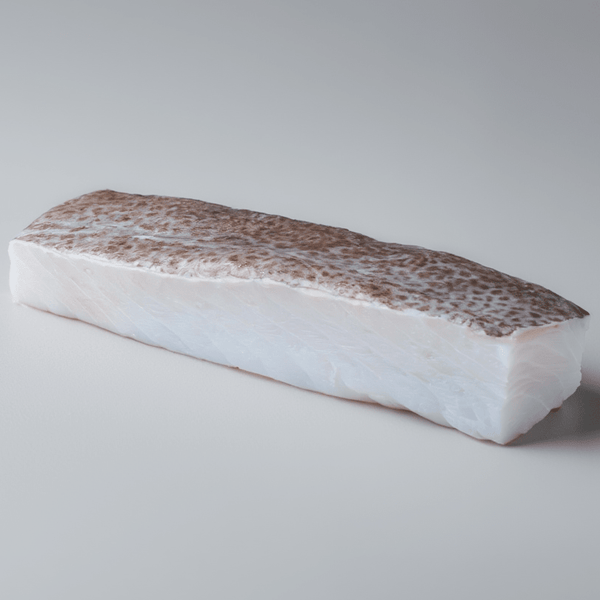
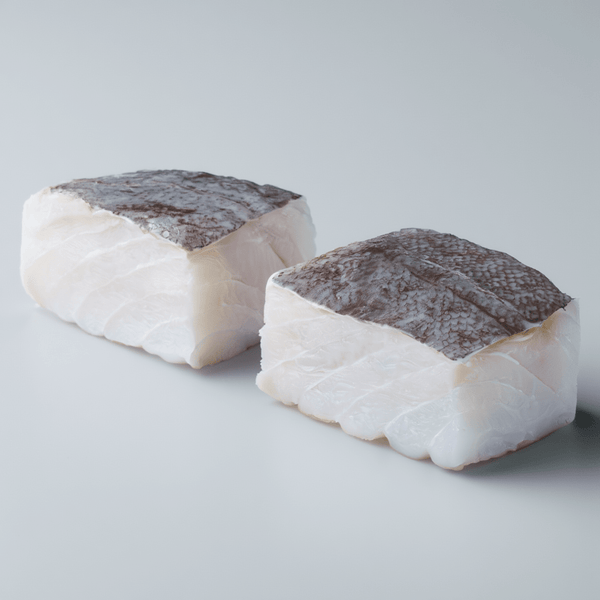
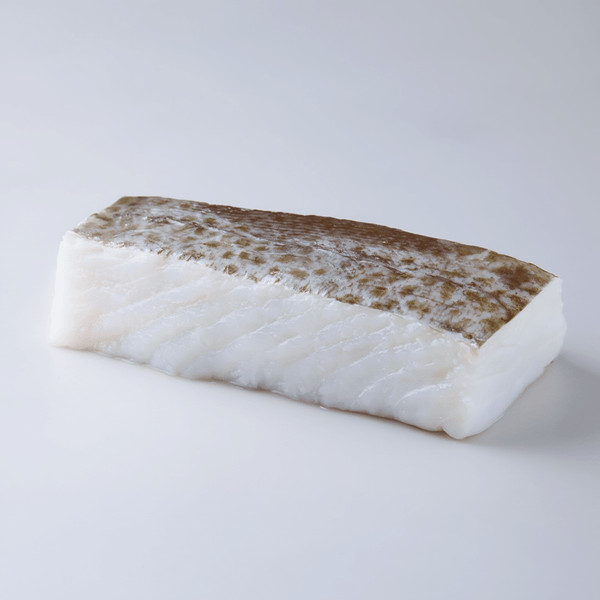
Superior cod presents a uniform ivory coloration, without yellowish stains or brownish areas that indicate lipid oxidation. The surface should exhibit a natural pearlescent appearance, free of excessive saline crystallizations or foreign adhesions.
The muscle flakes should be clearly differentiated, creating that characteristic stratified pattern of well-cured cod. Deficient specimens show compacted or disintegrated fibers, a clear sign of improper handling or inferior raw material.
The absence of residual bones indicates careful processing. Remaining bone fragments not only compromise the gastronomic experience but also reveal unrefined filleting techniques.
Optimal texture and consistency
To the touch, premium cod should offer elastic firmness without excessive rigidity. Genuine flesh regains its shape after moderate pressure, while deteriorated pieces remain sunken or disintegrate easily.
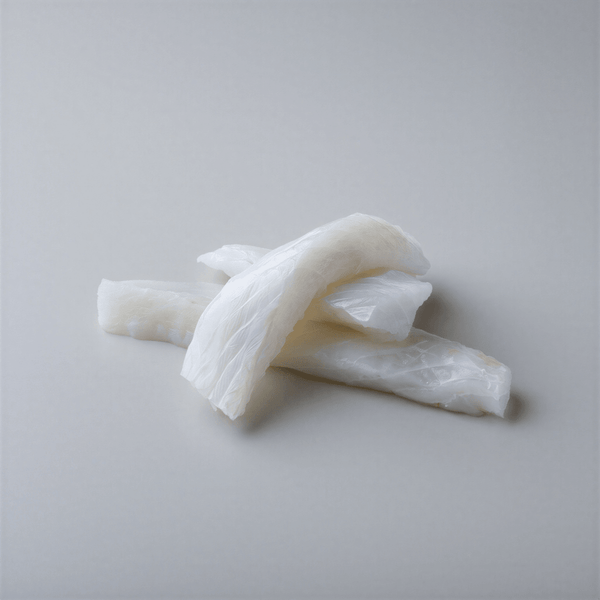
The ideal texture of quality cod resembles flexible parchment: resistant yet malleable, with the ability to separate into defined flakes without crumbling.
Surface hydration should be minimal. Excess moisture suggests deficient desalting or inadequate storage, factors that compromise both preservation and the organoleptic properties of the product.
Geographical origin: Iceland vs. other provenances
The circumpolar waters of Iceland and Norway produce the most coveted cod worldwide. The icy Arctic currents and abundant krill create ideal conditions for the muscular development of these pelagic fish.
Icelandic cod stands out for its slow growth in pristine waters, resulting in dense flesh and concentrated flavors. Norwegian specimens, especially those from the Lofoten Islands, offer similar characteristics with particular nuances derived from their specific diet.
Canadian or Faroese alternatives maintain high standards, albeit with slightly different taste profiles. Systematically avoid products of uncertain origin or from industrialized Pacific fisheries, often marketed as "cod" when they are not truly so.
| Origin | Characteristics | Quality |
|---|---|---|
| Iceland | Dense flesh, slow growth | Exceptional |
| Norway | Intense flavor, firm texture | Premium |
| Canada | Good consistency, mild flavor | Good |
| Others | Variable, less consistency | Commercial |
Related Cod Products


Salted vs. desalted cod: advantages and disadvantages
Traditional salted cod
Salted cod retains all its nutritional and gustatory properties, allowing the consumer to completely control the desalting process. This traditional presentation offers greater durability and culinary flexibility.
However, it requires prior planning and technical knowledge to perform desalting correctly. The process takes between 24 and 48 hours, with regular water changes and constant temperature control.
Advantages include:
- Extended preservation without refrigeration
- Total control over residual salt level
- Full retention of nutrients
- Generally more economical price
Ready-to-cook desalted cod
Pre-desalted cod offers immediate convenience for urgent preparations. Specialized processors use controlled techniques that ensure optimal salt levels and homogeneous textures.
However, its shelf life is considerably reduced, requiring constant refrigeration and relatively quick consumption. Quality critically depends on the processor's expertise and transport conditions.
Main benefits:
- Immediate availability for cooking
- Elimination of the desalting process
- Predictable and consistent results
- Ideal for occasional cooks
How to identify fresh and well-preserved cod
Freshness in desalted cod is manifested by a subtle marine aroma, never pungent or ammoniacal. Intense odors indicate incipient decomposition or defective handling during processing.
The surface should be slightly moist but never slimy. A mucilaginous film indicates advanced bacterial proliferation, rendering the product unsuitable for consumption.
Uniform color is a crucial indicator of quality. Irregular tones, especially grayish or greenish areas, signal oxidative deterioration or microbial contamination.
Where to buy quality cod
Specialized cod shops offer superior guarantees compared to conventional supermarkets. These establishments maintain direct relationships with select importers and employ artisanal processing techniques.
Traditional markets often house expert vendors with decades of experience. Their empirical knowledge complements modern sanitary guarantees, providing invaluable advice on preparation and preservation.
Specialized online stores have revolutionized access to premium products, offering refrigerated shipping that maintains an unbroken cold chain. This modality is particularly advantageous for consumers far from urban centers with limited offerings.
Conclusions
- Why the choice of cod is crucial for your cooking: The right cod selection determines the culinary success of your most exquisite preparations.
- Characteristics of premium quality cod: Superior cod presents a uniform ivory coloration, without yellowish spots or brownish areas that betray lipid oxidation.
- Geographical origin: Iceland vs other provenances: The circumpolar waters of Iceland and Norway produce the most coveted cod worldwide.
- Salted vs desalted cod: advantages and disadvantages: Salted cod retains all its nutritional and taste properties intact, allowing the consumer to completely control the desalting process.
- How to identify fresh and well-preserved cod: Freshness in desalted cod is manifested by a subtle marine aroma, never pungent or ammoniacal.
- Where to buy quality cod: Specialized cod shops offer superior guarantees compared to conventional supermarkets.
- Frequently asked questions about buying cod: How much cod should I calculate per person?
Frequently asked questions about buying cod
How much cod should I calculate per person? For main dishes, consider approximately 150-200 grams of cleaned cod per diner. This amount adjusts according to the accompaniment and the particular appetite of the diners.
Can I freeze desalted cod? Although technically possible, freezing significantly alters the characteristic flaked texture. If you need to preserve desalted cod, preferably use it within 48 hours refrigerated.
How to recognize adulterated cod? Fraudulent substitutes lack the typical flaked structure and present different muscle fibers. An excessively low price is usually the first indicator of questionable products.
The careful selection of premium cod will transform your culinary creations, elevating them from homemade preparations to creations worthy of specialized restaurants. The investment in quality invariably reflects in exceptional gastronomic results.
Discover our selection of salted cod at Bacalalo.




![Desalar bacalao en casa: tiempos exactos [2026]](http://bacalalo.com/cdn/shop/articles/02cb7a170c6d1475c02e0534b22064a2.jpg?v=1780954293&width=480)

