

Summary: Why does choosing the right cut of cod matter? The 5 essential cuts every chef should know Thick loin: the king of noble preparations Thin loin: versatility in its purest form Tail: concentrated intensity Belly: supreme delicacy Flakes and irregular pieces: the hidden treasure Perfect pairing: which cut to use in each recipe Bacalao al pil pil: the technique that demands excellence Bacalao a la llauna: Catalan tradition Frequently asked questions about cod cuts var coll = document.
- Why does choosing the right cut of cod matter?
- The 5 essential cuts every chef should know
- Thick loin: the king of noble preparations
- Thin loin: versatility in its purest form
- Tail: concentrated intensity
- Belly: supreme delicacy
- Flakes and irregular pieces: the hidden treasure
- Perfect pairing: which cut to use in each recipe
- Bacalao al pil pil: the technique that demands excellence
- Bacalao a la llauna: Catalan tradition
- Frequently asked questions about cod cuts
Why does choosing the right cut of cod matter?
🔥 Looking for the pil pil recipe? See the complete step-by-step bacalao al pil pil recipe →
Cod is not just cod. This statement may sound obvious, but the reality is that many home cooks do not know how the specific cut can completely transform a recipe. From texture to flavor absorption capacity, each portion of the noble Gadus morhua has its culinary purpose.
In the professional gastronomic world, the choice of cut determines the success of a dish. Have you ever wondered why some cod croquettes turn out perfect while others fall apart? The answer lies in selecting the best cod cuts for specific recipes.
The 5 essential cuts every chef should know
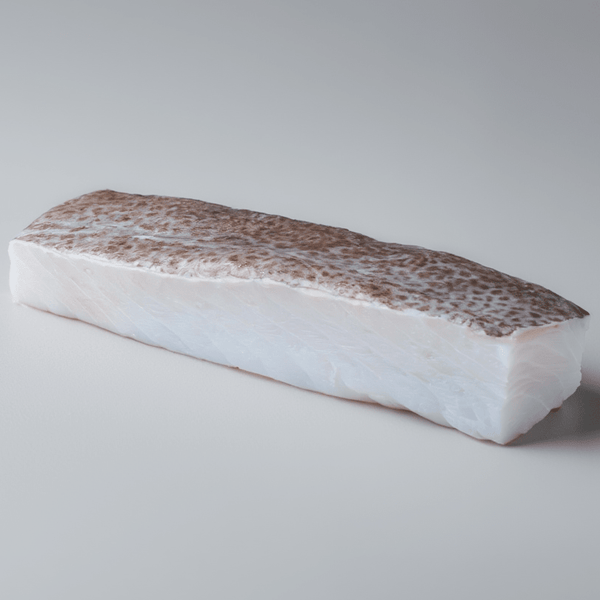
Thick loin: the king of noble preparations
The thick loin represents the aristocracy of cod. This central, thick, and compact-fibered piece is ideal for preparations where the fish needs to maintain its structure. Its firm texture makes it the perfect protagonist for bacalao al pil pil, where it needs to withstand constant emulsification without flaking.
"Icelandic thick cod loin better preserves its organoleptic properties due to the cold waters of the North Atlantic, resulting in greater firmness and a more intense flavor."
Thin loin: versatility in its purest form
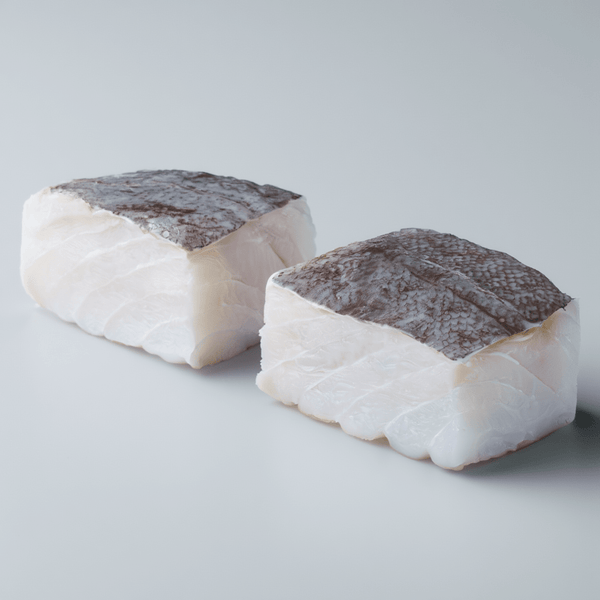
More tender than its larger counterpart, the thin loin offers an intermediate texture that makes it extraordinarily versatile. It is the preferred cut for stews, braises, and grilled preparations where we seek juiciness without excessive firmness.
Tail: concentrated intensity
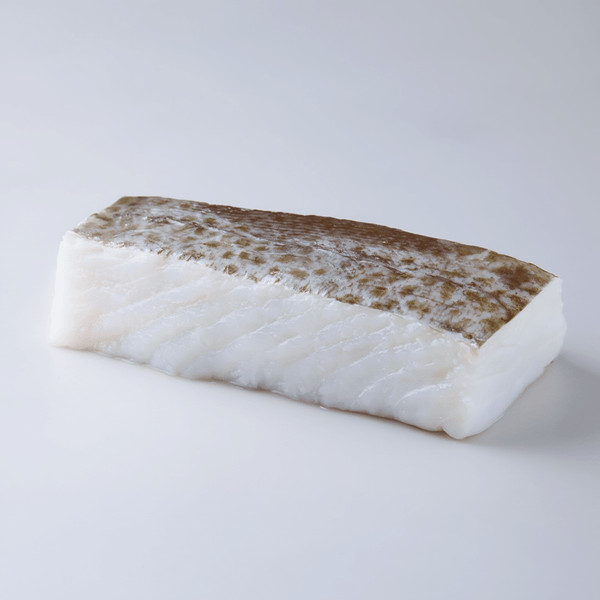
The cod tail, with its characteristic triangular shape, concentrates flavors exceptionally well. Its denser fiber requires prolonged cooking, making it the perfect choice for broths, soups, and confit preparations.
Belly: supreme delicacy
The belly part of the cod offers an incomparable silky texture. Rich in natural fat, it practically melts in your mouth. This premium cut finds its maximum expression in carpaccios, ceviches, and raw preparations.
Flakes and irregular pieces: the hidden treasure
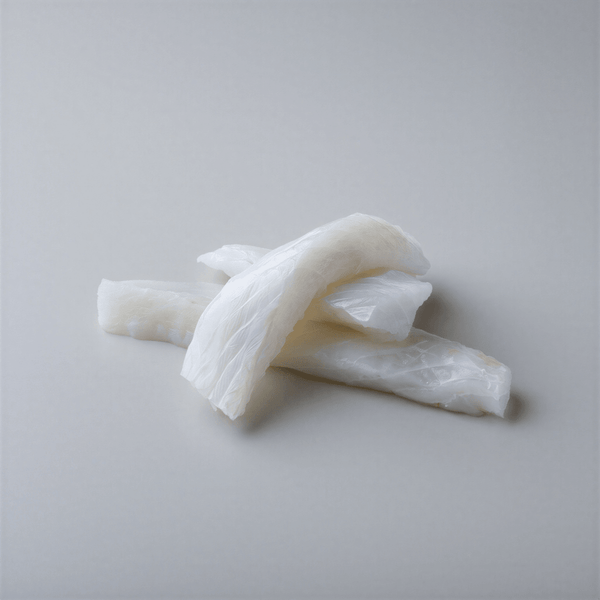
These seemingly minor fragments hide extraordinary potential. Perfect for croquettes, fritters, and fillings, where the shredded texture is precisely what we are looking for.
Cheeks: the jewel of cod
Cod cheeks are the lower part of the cod's jaw, an extremely gelatinous and unctuous piece considered a true delicacy. Their high collagen content makes them perfect for pil-pil, where the natural gelatin binds the sauce incomparably. They can also be prepared battered or in green sauce. Discover our selected cod cheeks at Mercat del Ninot.
Perfect pairing: which cut to use in each recipe
Quick guide: which cut to use in each recipe
- Pil-pil and oven: thick loin or supreme — cod loins
- Stews and rice dishes: thin loin or flaked — desalted cod
- Fried and battered: tail, belly, or fillets
- Croquettes and salads: flaked — cod flakes
- Perfect pil-pil: cod cheeks or skin-on loin
Bacalao al pil pil: the technique that demands excellence
For this iconic Basque preparation, the thick loin is indispensable. Its ability to maintain integrity during slow confit and subsequent emulsification makes it the only viable option for achieving the characteristic silky texture of authentic pil pil.
Bacalao a la llauna: Catalan tradition
The Catalan llauna preparation requires cuts that can withstand direct baking. Both the thick and thin loin work perfectly, although the thin loin adds more juiciness to the final dish.
| Recipe | Recommended Cut | Reason |
|---|---|---|
| Croquettes | Flakes | Flaky texture |
| Brandade | Thin loin + Tail | Combination of textures |
| Confit | Belly | Natural fat |
Commercial formats
Cod is sold in various formats: whole salted cod (whole unsplit piece), fillets (cut from the loin), supremes (thick boneless cuts, ideal for elegant dishes), and flaked cod (perfect for cod croquettes, cod fritters, and cod brandade).
Related Cod Products


Conclusions
- Why does choosing the right cut of cod matter?: Cod is not just cod.
- The 5 essential cuts every chef should know: The thick loin represents the aristocracy of cod.
- Perfect pairing: which cut to use in each recipe: For this iconic Basque preparation, the thick loin is indispensable.
- Frequently asked questions about cod cuts: Can one cut be exchanged for another in recipes?
- Keep learning: → See our selection of desalted cod.
Frequently asked questions about cod cuts
Can one cut be exchanged for another in recipes?
Although technically possible, each cut brings specific characteristics that directly influence the final result. Substituting thick loin for tail in a pil pil, for example, can result in a less satisfactory texture.
How to identify the quality of each cut?
Quality cod has a uniform pearly color, no yellowish spots, and a firm texture to the touch. The cuts should show well-defined fibers and a clean marine aroma, never ammoniacal.
- Look for pieces with uniform thickness
- Avoid cuts with excessive surface moisture
- Prefer specialized suppliers who guarantee traceability
- Consider origin: Icelandic and Norwegian cod offer higher quality
Mastering cod lies in understanding that each cut is a specific culinary tool. Dominating these differences transforms amateur cooks into true culinary artisans.
→ See our selection of desalted cod from Iceland
Products that may interest you
Discover more