Summary: North Atlantic waters: home of the world's best cod The Icelandic marine ecosystem: wild purity Fishing methodologies: tradition versus innovation Icelandic artisanal fishing: quality over quantity Curing processes: the ancient art of salting Icelandic sea salt: crystalline purity Organoleptic characteristics: identifying excellence The importance of loin thickness The desalting process: revealing true quality Desalting times according to origin Denominations and certifications: guarantee of authenticity var coll = document.getElementsByClassName("tpt-toc-collapsible"); var i; console.
- The North Atlantic Waters: Cradle of the World's Best Cod
- The Icelandic Marine Ecosystem: Purity in the Wild
- Fishing Methodologies: Tradition Versus Innovation
- Icelandic Artisanal Fishing: Quality Over Quantity
- Curing Processes: The Ancient Art of Salting
- Icelandic Sea Salt: Crystalline Purity
- Organoleptic Characteristics: Identifying Excellence
- The Importance of Loin Thickness
- The Desalting Process: Revealing True Quality
- Desalting Times According to Origin
- Denominations and Certifications: Guarantee of Authenticity
The North Atlantic Waters: Cradle of the World's Best Cod
When we talk about premium cod, the cold waters of the North Atlantic emerge as the epicenter of piscicultural excellence. Both Norway and Iceland have, for centuries, forged an unblemished reputation in the capture and processing of this prized Gadus morhua, but subtle differences exist that determine the supremacy of one over the other.
The cod swimming in these icy waters develops firm muscles and intramuscular fat that gives it that unmistakable flavor. The water temperature, which ranges between 2 and 6 degrees Celsius, slows down the fish's growth, allowing it to develop a denser texture and a superior organoleptic profile.
The Icelandic Marine Ecosystem: Purity in the Wild
The waters surrounding Iceland enjoy exceptional purity. The Gulf Stream meets the Arctic waters here, creating a virtually virgin marine ecosystem where cod finds optimal conditions for its development. This confluence of currents provides essential nutrients that result in specimens of higher nutritional quality.
Icelandic cod feeds mainly on capelin, herring, and small crustaceans that abound in these seas. This natural diet, free from industrial contaminants, is directly reflected in the purity of the final product. Iceland's extremely rigorous environmental controls ensure that no discharges compromise the quality of the fish.
Fishing Methodologies: Tradition Versus Innovation
The difference between Icelandic and Norwegian cod transcends their geographical origin. The fishing techniques employed mark a decisive turning point in the final quality of the product.
"Well-fished cod is cod that has experienced minimal stress during capture, thus maintaining the integrity of its muscle fibers and preserving its authentic flavor."
In Iceland, smaller vessels that carry out more selective fishing predominate. This methodology allows for more careful handling of the fish from the moment of capture. The time elapsed between extraction from the sea and the start of the salting process is crucial to maintain optimal freshness.
Icelandic Artisanal Fishing: Quality Over Quantity
Icelandic fishermen keep alive a centuries-old tradition that prioritizes quality over quantity. They use individual hooks instead of massive trawl nets, which minimizes damage to the fish and ensures that only specimens in perfect condition are caught.
This artisanal philosophy results in cod with fewer bruises, less muscle deterioration, and superior preservation of its organoleptic properties. The stress of the fish during capture directly influences the acidity of the meat and its subsequent storage capacity.
Curing Processes: The Ancient Art of Salting
The traditional salting process is where artisanal mastery becomes crucial. Both in Iceland and Norway, there are ancient traditions, but each region has developed particularities that affect the final result.
Icelandic cod benefits from exceptional climatic conditions for natural drying. The constant winds and controlled humidity of the North Atlantic create an ideal microclimate for the gradual dehydration of the fish. This slow and natural process allows the salt to penetrate evenly, creating that characteristic texture of premium cod.
Icelandic Sea Salt: Crystalline Purity
The salt used in the curing process of Icelandic cod comes from the same waters where it is fished. This sea salt, extracted by natural evaporation, contains trace elements that enhance the fish's flavor and contribute to its optimal preservation.
The curing time varies according to the thickness of the loin, but generally ranges between 21 and 45 days. During this period, the cod develops that characteristic crust that protects the interior and concentrates the flavors. The experience of the master salter is fundamental in determining the exact curing point.
Related Cod Products


Organoleptic Characteristics: Identifying Excellence
Recognizing superior quality cod requires knowledge and experience. Premium Gadus morhua cod has distinctive characteristics that clearly differentiate it from inferior products.
| Characteristic | Premium Cod | Standard Cod |
|---|---|---|
| Flesh color | Uniform pearly white | Opaque or yellowish white |
| Texture | Firm and elastic | Soft or too hard |
| Aroma | Fresh marine | Intense salty or rancid |
| Loin thickness | Greater than 5 cm | Variable, generally smaller |
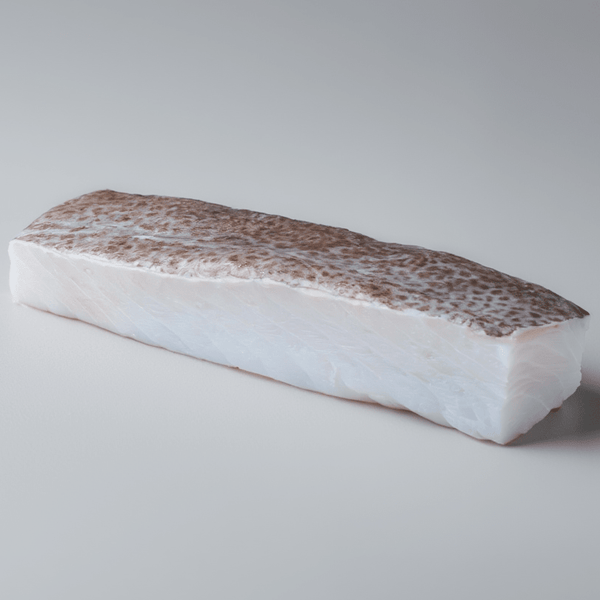
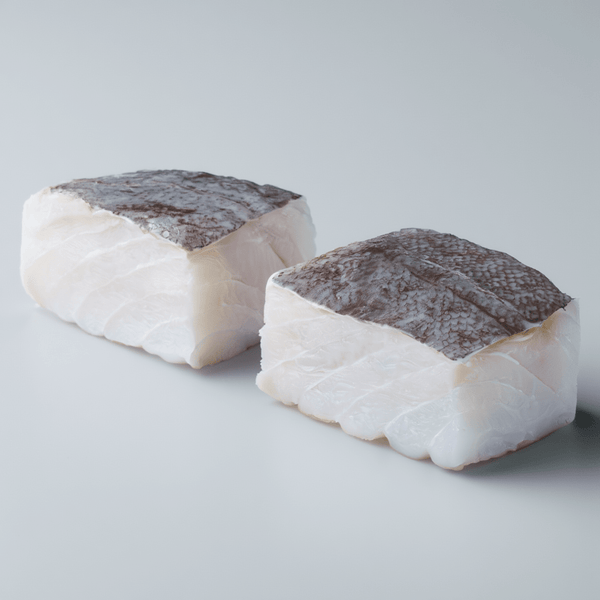
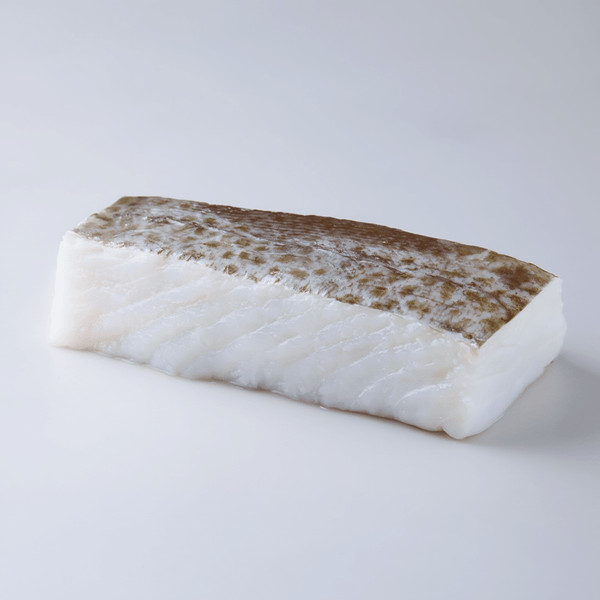
The flesh of premium Icelandic cod has a pearly white color that indicates its original freshness. To the touch, it should offer resistance without being stony, regaining its shape after slight pressure. The aroma should evoke the fresh sea, without ammoniacal or excessively salty notes.
The Importance of Loin Thickness
Thicker loins, generally exceeding five centimeters, indicate that the cod comes from mature specimens that have reached their nutritional peak. These fish have had enough time to develop the intramuscular fat that characterizes extra-quality cod.
Icelandic cod tends to have more consistent loins due to natural growth conditions. The caught specimens are usually larger on average, which translates into more usable and higher quality pieces.
The Desalting Process: Revealing True Quality
The desalting moment is the definitive test to evaluate the quality of the cod. A premium product must maintain its structure during this process, revealing mastery in both fishing and curing.
To check the quality during desalting, we must observe several fundamental aspects:
- The flesh should swell uniformly without presenting soft or frayed areas
- The desalting water should remain clear, without excessive turbidity
- It should not shed particles of flesh during the process
- The final texture should be firm but not rubbery
- The color should intensify towards a purer white
Desalting Times According to Origin
Icelandic cod, due to its slower and deeper curing process, generally requires slightly longer desalting times. This characteristic, far from being a drawback, indicates a more homogeneous penetration of salt, which guarantees better preservation and a more balanced flavor.
An Icelandic cod loin approximately 3-4 centimeters thick needs between 36 and 48 hours of desalting in cold water, changing the water every 8-10 hours. Patience during this process is rewarded with an exceptional texture and a flavor that preserves all the marine essence.
Denominations and Certifications: Guarantee of Authenticity
In the current market, distinguishing between authentic Gadus morhua cod and other similar species requires specialized knowledge. Certifications and designations of origin have become fundamental tools to guarantee product authenticity.
Icelandic cod has rigorous traceability controls that allow each piece to be tracked from capture to the final consumer. This transparency in the supply chain represents a significant competitive advantage over other origins.
How can we verify that we are acquiring authentic Gadus morhua? The answer lies in several key indicators that we must know to make an informed purchase.
Discover our selection of salted cod at Bacalalo.
→ See our selection of desalted cod from Iceland
Conclusions
- North Atlantic waters: the birthplace of the world's best cod: When we talk about premium cod, the cold waters of the North Atlantic emerge as the epicenter of piscicultural excellence.
- Fishing methodologies: tradition versus innovation: The difference between Icelandic and Norwegian cod goes beyond their geographical origin.
- Curing processes: the ancient art of salting: The traditional salting process represents the moment where artisanal mastery becomes decisive.
- Organoleptic characteristics: identifying excellence: Recognizing superior quality cod requires knowledge and experience.
- The desalting process: revealing true quality: The desalting moment is the ultimate test to evaluate cod quality.
- Denominations and certifications: guarantee of authenticity: In today's market, distinguishing between authentic Gadus morhua cod and other similar species requires specialized knowledge.
Frequently asked questions
What is the best quality cod?
The waters surrounding Iceland boast exceptional purity. The Gulf Stream meets Arctic waters here, creating a practically virgin marine ecosystem where cod find optimal conditions for their development. This confluence of currents provides essential nutrients that result in specimens of higher nutritional quality.
Which country has the best cod?
The cod that swims in these icy waters develops firm muscle and intramuscular fat that gives it that unmistakable flavor. The water temperature, which ranges between 2 and 6 degrees Celsius, slows down the fish's growth, allowing it to develop a denser texture and a superior organoleptic profile.
Is Icelandic cod good?
The waters surrounding Iceland boast exceptional purity. The Gulf Stream meets Arctic waters here, creating a practically virgin marine ecosystem where cod find optimal conditions for their development. This confluence of currents provides essential nutrients that result in specimens of higher nutritional quality.
What is the best cod in the world?
The cod that swims in these icy waters develops firm muscle and intramuscular fat that gives it that unmistakable flavor. The water temperature, which ranges between 2 and 6 degrees Celsius, slows down the fish's growth, allowing it to develop a denser texture and a superior organoleptic profile.
Discover more