

Summary: Types of cod based on origin and curing Icelandic vs. Norwegian cod Cod cuts: anatomy of the perfect choice Loin, tail, and intermediate parts The perfect cod for pil pil Specific characteristics of the pil pil cut Ideal cod for baked preparations Cutting techniques for baking Selection for stews and long preparations Pre-preparation for stews Quality and freshness criteria Visual indicators of quality Cod storage and handling Desalting techniques according to use var coll = document.getElementsByClassName("tpt-toc-collapsible"); var i; console.
- Types of cod based on origin and curing
- Icelandic vs. Norwegian cod
- Cod cuts: anatomy of the perfect choice
- Loin, tail, and intermediate parts
- The perfect cod for pil pil
- Specific characteristics of the pil pil cut
- Ideal cod for baked preparations
- Cutting techniques for baking
- Selection for stews and long preparations
- Pre-preparation for stews
- Quality and freshness criteria
- Visual indicators of quality
- Cod storage and handling
- Desalting techniques according to use
Types of cod based on origin and curing
The world of salted cod is fascinating and much more complex than many imagine. Not all cod are created equal, and understanding these differences will help you choose the perfect product for each preparation.
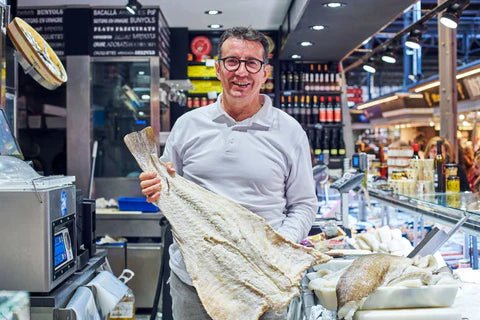
North Atlantic cod, especially from Icelandic and Norwegian waters, is considered the gold standard. Its flesh is firmer, with long fibers that remain intact during the desalting and cooking process. The freezing temperatures of these waters produce a fish with superior texture and a more pronounced flavor.
The curing process also makes substantial differences. Cod traditionally cured in coarse salt develops a more consistent texture than industrially processed cod. The salt penetrates gradually, better preserving the organoleptic characteristics of the fish.
Icelandic vs. Norwegian cod
These two varieties represent excellence in the world of salted cod. Icelandic cod stands out for its extraordinarily white flesh and more compact fibers, ideal for preparations where visual presentation is crucial. Its flavor is more subtle but deeply marine.
Norwegian cod, on the other hand, offers a slightly softer texture and a more intense flavor. It is especially appreciated in Mediterranean cuisine for its ability to absorb the flavors of the sofrito without losing its identity.
Cod cuts: anatomy of the perfect choice
Each part of the cod has unique characteristics that make it more or less suitable for different culinary preparations. Knowing these cuts is essential to maximize the result of your dishes.
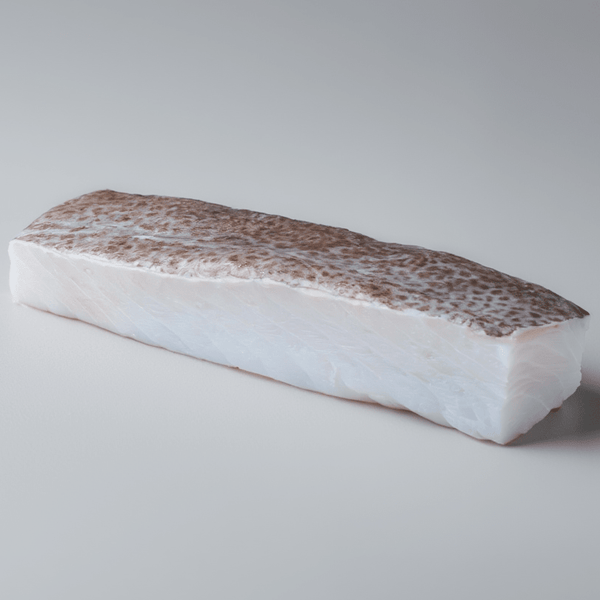
The upper loin represents the noblest part of the fish. Its long, uniform fibers make it the preferred choice for elegant preparations. The tail, traditionally more economical, offers a more gelatinous texture that works exceptionally well in long stews.
"Choosing the right cut can transform a common dish into a memorable gastronomic experience. It's not just about price, but about understanding what each preparation needs."
Loin, tail, and intermediate parts
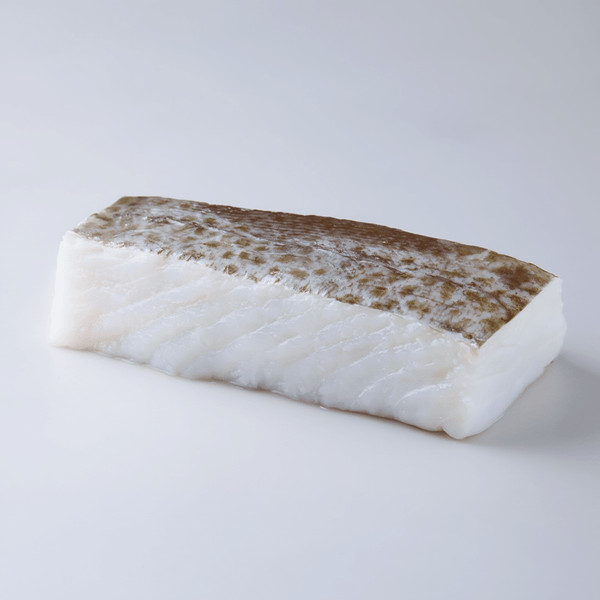
The loin is traditionally divided into upper and lower loin. The upper, thicker and more regular, is perfect when you need uniform pieces that maintain their shape. The lower, slightly more irregular, works well in preparations where the fish is flaked.
Intermediate parts offer an interesting balance between price and quality. They include areas with different thicknesses, which can be advantageous in certain preparations where you are looking for varied textures.
The tail, often underestimated, contains more natural collagen. This makes it ideal for stews where you want the broth to acquire body and natural creaminess.
The perfect cod for pil pil
Pil pil represents one of the greatest culinary challenges of cod. This iconic preparation requires a fish that allows for the perfect emulsion between its natural gelatin and olive oil.
To achieve the ideal pil pil, you need cod with long, consistent fibers. The upper loin of Icelandic or Norwegian cod is your best ally. Its structure allows it to gradually release gelatin without falling apart, creating that characteristic silky sauce.
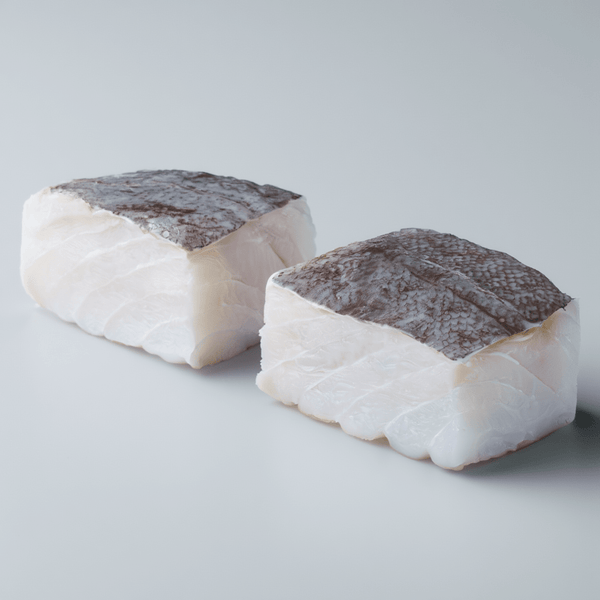
Thickness also matters crucially. Pieces between 3 and 4 centimeters ensure uniform cooking and allow the center to remain juicy while the surface releases the juices necessary for the emulsion.
Specific characteristics of the pil pil cut
The pieces must be regular and boneless. The skin, if kept on, must be well adhered to prevent it from separating during slow cooking. Some experts prefer skinless cod for pil pil, arguing that it facilitates the controlled release of gelatins.
The salt level is critical. Over-desalted cod will not provide enough protein for the emulsion, while under-desalted cod can disrupt the delicate harmony of flavors.
Related Bacalao Products


Ideal cod for baked preparations
Baked preparations require cod that maintains its structure during longer cooking times and at moderately high temperatures. Here, the choice of cut becomes strategic.
The loin, both upper and lower, works exceptionally well when baked. Its density allows for even cooking, while its low fat content prevents it from drying out. For gratins or preparations with béchamel, the upper loin cut into thick medallions is unsurpassed.
The tail, traditionally relegated to stews, can shine when baked in specific preparations. Its higher collagen content makes it perfect for long roasts where you want the fish to integrate with vegetables and sauces.
Cutting techniques for baking
For baking, medallion cuts of 4-5 centimeters are ideal. They allow for even cooking and an elegant presentation. If you opt for larger pieces, consider making superficial incisions to facilitate heat penetration.
Cod with skin can be advantageous when baked, acting as a natural protection against dehydration. However, it requires specific techniques to prevent it from curling during cooking.
Selection for stews and long preparations
Stews allow more flexibility in the choice of cut, but this does not mean that any cod will do. Each type of stew has its specific preferences.
For stews where the cod is flaked, such as certain pottages or preparations with legumes, the tail is exceptionally suitable. Its softer texture and ability to gradually release flavor enrich the overall dish.
In stews where you want to keep recognizable pieces of fish, the lower loin offers the necessary resistance without the cost of the upper loin. Its heterogeneous texture adds textural interest to the final dish.
| Type of stew | Recommended cut | Cooking time |
|---|---|---|
| Pottage with chickpeas | Flaked tail | 45-60 minutes |
| Stew with potatoes | Lower loin in pieces | 30-40 minutes |
| Stew with vegetables | Intermediate parts | 35-45 minutes |
Pre-preparation for stews
Desalting for stews can be less thorough than for other preparations. A slight residual saltiness can benefit the overall flavor of the stew, especially in preparations with legumes that tend to absorb salt.
The dicing technique also varies. For quick stews, smaller pieces ensure even cooking. For long preparations, more generous pieces better maintain their integrity.
Quality and freshness criteria
Identifying superior quality cod requires knowledge and experience. Visual indicators are your first line of evaluation.
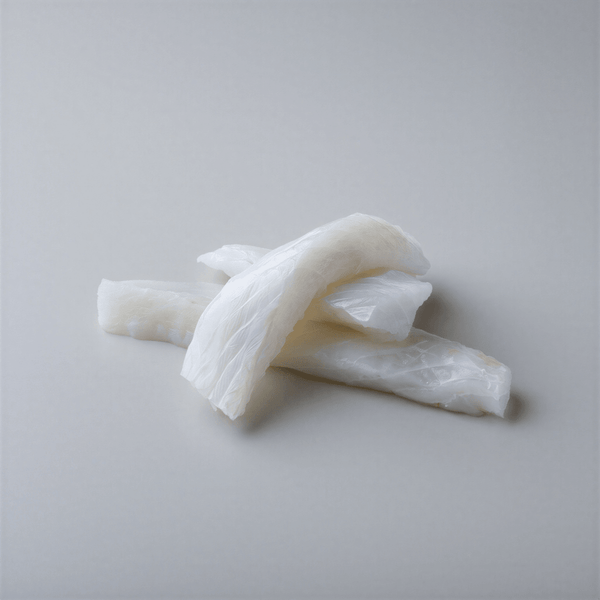
Exceptional cod has a uniform pearly white color, with no yellowish stains indicating oxidation. The surface should be dry to the touch but not parched. The fibers should be visible and well-defined, without soft spots or inconsistent texture.
The aroma is equally revealing. Quality cod smells of clean sea, with no ammoniacal or rancid notes. The smell should be intense but pleasant, evoking the freshness of the Arctic ocean.
Visual indicators of quality
The absence of visible salt crystals on the surface indicates a controlled curing process. Excessive crystals can indicate hurried curing or inadequate storage conditions.
The fibers must maintain their natural structure. Cod that flakes easily when gently handled has lost its optimal organoleptic properties.
Cod preservation and handling
Proper handling of cod from purchase to final preparation is crucial for maintaining its exceptional quality.
Salted cod should be stored in the refrigerator, wrapped in absorbent paper that is changed regularly. Excessive humidity can lead to bacterial proliferation, while extreme dryness hardens the fibers.
Once the desalting process has begun, the cod should be consumed within a maximum of 48 hours. During this period, keeping it submerged in cold water changed regularly preserves its optimal texture and flavor.
- Constant refrigeration between 2-4°C
- Wrapped in absorbent paper changed daily
- Avoid direct contact with ice
- Best consumed within 72 hours of purchase
- Desalted in cold water changed every 6-8 hours
Desalting techniques according to use
Desalting is not a uniform process. Each preparation requires a specific residual salt point to optimize the final result.
For pil pil, desalting for 24-36 hours is usually sufficient. You need to retain a certain salinity to enhance the emulsion. For baked preparations, a longer desalting period of 36-48 hours ensures that the salt does not interfere with other flavors of the dish.
Discover our selection of salted cod at Bacalalo.
→ See our selection of desalted cod from Iceland
📋 Summary: what to buy according to your recipe
| Recipe | Ideal cut | Our product | Price |
|---|---|---|---|
| Pil-pil, confit | Cheek | Extra Desalted Cheek | €44.90 |
| Oven, griddle | Loin | Desalted Loins 500g | €21.45 |
| Stews, potages | Collar | Extra Desalted Collar | €19.97 |
| Fritters, croquettes | Shredded | Extra Shredded Cod | €19.97 |
| First time | Assorted | Discover Bacalalo Pack | €19.90 |
⭐ 4.9/5 · 24-48h cold shipping · 100% Gadus morhua from Iceland
Conclusions
- Types of cod according to origin and curing: The world of salted cod is fascinating and much more complex than many imagine.
- Cod cuts: anatomy of the perfect choice: Each part of the cod has unique characteristics that make it more or less suitable for different culinary preparations.
- The perfect cod for pil pil: Pil pil represents one of the greatest culinary challenges of cod.
- Ideal cod for baked preparations: Baked preparations require cod that maintains its structure during longer cooking times and at moderately high temperatures.
- Selection for stews and long preparations: Stews allow more flexibility in the choice of cut, but this does not mean that any cod will do.
- Quality and freshness criteria: Identifying superior quality cod requires knowledge and experience.
- Cod preservation and handling: Proper handling of cod from purchase to final preparation is crucial for maintaining its quality.
Frequently Asked Questions
What is the best quality cod?
Identifying superior quality cod requires knowledge and experience. Visual indicators are your first line of evaluation.
What is the best cod to buy?
North Atlantic cod, especially from Icelandic and Norwegian waters, is considered the gold standard. Its flesh is firmer, with long fibers that remain intact during the desalting and cooking process. The freezing temperatures of these waters produce a fish with superior texture and a more pronounced flavor.
How long does cod take to cook in a frying pan?
North Atlantic cod, especially from Icelandic and Norwegian waters, is considered the gold standard. Its flesh is firmer, with long fibers that remain intact during the desalting and cooking process. The freezing temperatures of these waters produce a fish with superior texture and a more pronounced flavor.
What to consider when buying cod?
North Atlantic cod, especially from Icelandic and Norwegian waters, is considered the gold standard. Its flesh is firmer, with long fibers that remain intact during the desalting and cooking process. The freezing temperatures of these waters produce a fish with superior texture and a more pronounced flavor.
Products you might be interested in