Summary: The truth behind cod: fresh vs. frozen The determining factor: the moment of freezing Ultra-fast freezing on board What happens to "fresh cod"? Glazing: the technique that makes a difference Correct thawing: the key to success Gradual thawing technique Post-thawing quality indicators Practical comparison: when to choose each option Which one to choose for your kitchen?
- The truth behind cod: fresh vs. frozen
- The determining factor: the moment of freezing
- Ultra-fast freezing on board
- What happens to "fresh cod"?
- Glazing: the technique that makes a difference
- Correct thawing: the key to success
- Gradual thawing technique
- Post-thawing quality indicators
- Practical comparison: when to choose each option
- Which one to choose for your kitchen?
The truth behind cod: fresh vs. frozen
In the culinary world, few controversies generate as much debate as the eternal question of whether fresh cod is superior to frozen. The reality is more complex than you might imagine. It's not just about the state of the product, but about determining factors such as fishing technique, the moment of freezing, and the thawing process.
The quality of cod depends mainly on three critical elements: freshness at the time of capture, immediate preservation conditions, and subsequent handling. Cod correctly frozen on the high seas can surpass in quality "fresh" cod that has spent days on ice during transport.
The determining factor: the moment of freezing
Ultra-fast freezing on board
Modern factory ships apply cryogenic freezing techniques at -40°C immediately after capture. This process stops cellular degradation and preserves the original texture of the fish. Cod processed in this way maintains superior organoleptic properties compared to specimens that have been refrigerated for several days.
Immediate freezing prevents the formation of histamine and other compounds that alter the flavor. In addition, it eliminates possible parasites such as anisakis, offering greater food safety.
What happens to "fresh cod"?
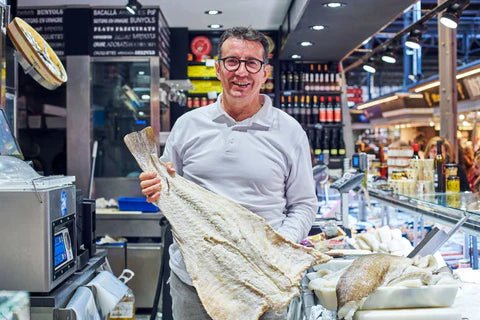
"Fresh" in fishmongers usually refers to refrigerated product, not freshly caught. This cod has gone through a period of rigor mortis and subsequent muscle relaxation, processes that can last between 24 and 72 hours depending on the storage temperature.
"Truly fresh cod should be consumed within the first 48 hours after its capture to experience its maximum gastronomic potential."
Glazing: the technique that makes a difference
Glazing consists of applying a thin layer of ice over the frozen fish. This artisanal technique protects the product from oxidation and dehydration during prolonged storage. A glaze of 10-15% is indicative of premium quality.
Cod from Iceland and Norway typically have more uniform glazes due to their strict quality controls. This protective layer must be completely removed during thawing to obtain the actual net weight of the product.
Related Bacalalo Products


Correct thawing: the key to success
Gradual thawing technique
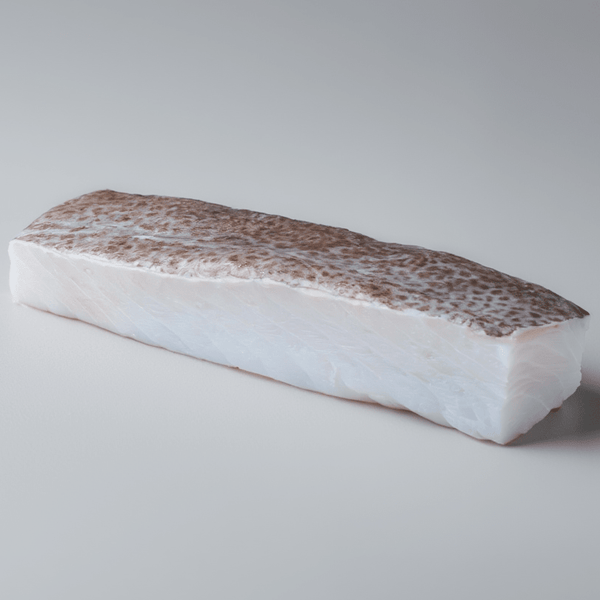
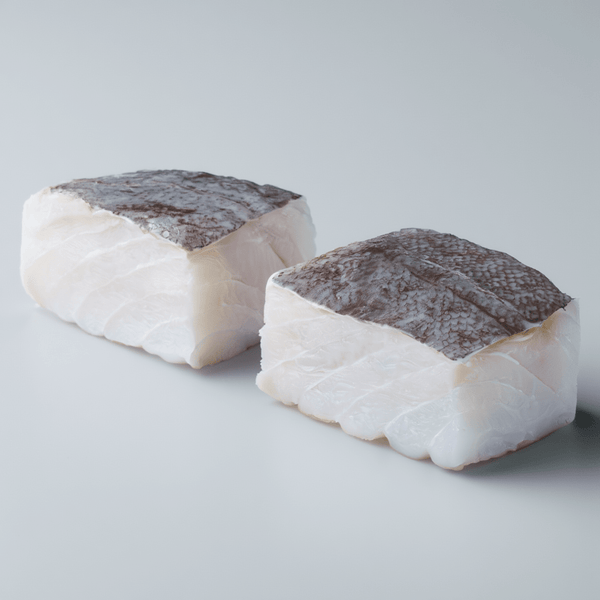
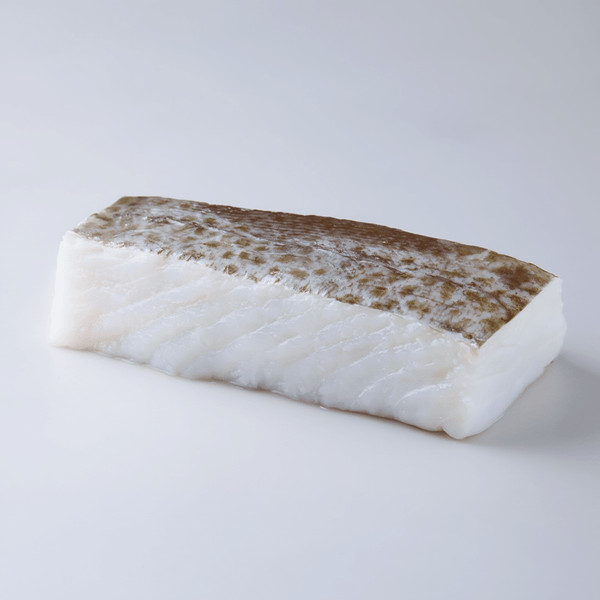
Thawing should be done slowly under refrigeration at 4°C for 12-24 hours, depending on the thickness of the piece. This gradual process allows muscle fibers to recover their original structure without losing cellular juices.
Never use hot water or a microwave to speed up the process. These techniques cause irregular protein coagulation and undesirable rubbery textures.
Post-thawing quality indicators
- Firm and elastic flesh to the touch
- Pearly white color without discoloration
- Absence of excessive exudate
- Fresh marine aroma, never ammoniacal
Practical comparison: when to choose each option
| Aspect | Fresh Cod | Frozen Cod |
|---|---|---|
| Availability | Seasonal only | Year-round |
| Shelf life | 2-3 days | 6-12 months |
| Price | Variable by season | More stable |
| Texture | Excellent if genuinely fresh | Excellent if thawed correctly |
Which one to choose for your kitchen?
For preparations such as brandade or cod al pil pil, both types offer similar results. However, for dishes that require firmer textures, such as pan-seared cod, prioritize genuinely fresh or top-quality frozen specimens with artisanal thawing.
The key lies in knowing the origin, preservation conditions, and applying appropriate handling techniques. A frozen product from a controlled source, correctly glazed and patiently thawed, can perfectly rival the best fresh cod on the market.
Discover our selection of salted cod at Bacalalo.
→ View our selection of salted cod from Iceland
Conclusions
- The truth behind cod: fresh vs. frozen: In the culinary world, few controversies generate as much debate as the eternal question of whether fresh cod is superior to frozen.
- The determining factor: the moment of freezing: Modern factory ships apply cryogenic freezing techniques at -40°C immediately after capture.
- Glazing: the technique that makes a difference: Glazing consists of applying a thin layer of ice over the frozen fish.
- Correct thawing: the key to success: Thawing should be done slowly under refrigeration at 4°C for 12-24 hours, depending on the thickness of the piece.
- Practical comparison: when to choose each option: For preparations such as brandade or cod al pil pil, both types offer similar results.
Frequently Asked Questions
Is it necessary to freeze fresh cod?
Summary: The truth behind cod: fresh vs. frozen The determining factor: the moment of freezing Ultra-fast freezing on board What happens to "fresh cod"? Glazing: the technique that makes a difference Correct thawing: the key to success Gradual thawing technique Post-thawing quality indicators Practical comparison: when to choose each option Which...
Is frozen cod good?
Summary: The truth behind cod: fresh vs. frozen The determining factor: the moment of freezing Ultra-fast freezing on board What happens to "fresh cod"? Glazing: the technique that makes a difference Correct thawing: the key to success Gradual thawing technique Post-thawing quality indicators Practical comparison: when to choose each option Which...
Does salted cod have anisakis?
Discover our selection of salted cod at Bacalalo.
What's the best way to buy cod?
Summary: The truth behind cod: fresh vs. frozen The determining factor: the moment of freezing Ultra-fast freezing on board What happens to "fresh cod"? Glazing: the technique that makes a difference Correct thawing: the key to success Gradual thawing technique Post-thawing quality indicators Practical comparison: when to choose each option Which...