Summary: Is it safe to freeze desalted cod? The definitive answer When to freeze desalted cod Perfect timing for freezing Recommended situations Professional freezing techniques Pre-preparation of cod Packaging methods Storage and thawing times Optimal storage duration Correct thawing Frequently asked questions about freezing var coll = document.
- Is it safe to freeze desalted cod? The definitive answer
- When to freeze desalted cod
- Perfect timing for freezing
- Recommended situations
- Professional freezing techniques
- Pre-preparation of cod
- Packaging methods
- Storage and thawing times
- Optimal storage duration
- Correct thawing
- Frequently asked questions about freezing
Is it safe to freeze desalted cod? The definitive answer
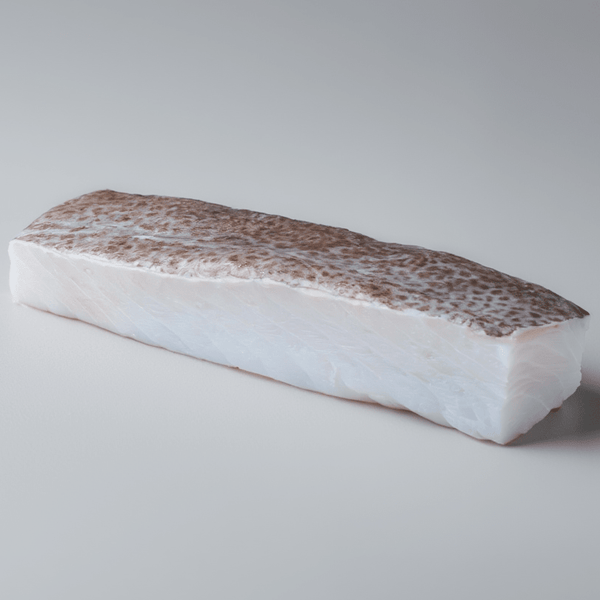
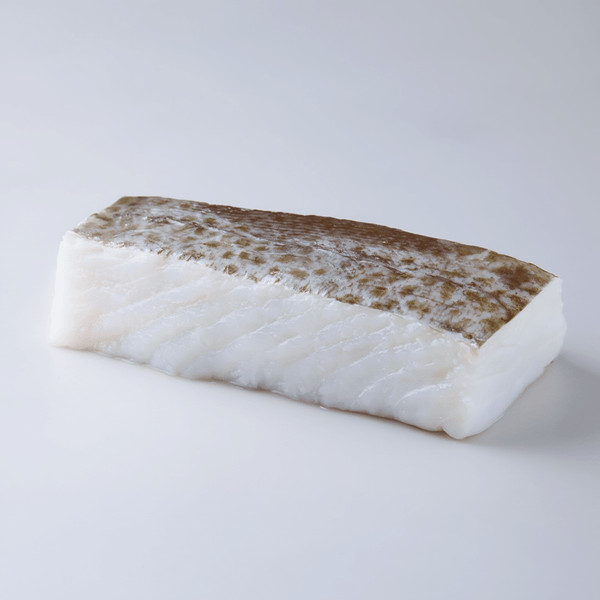
Freezing desalted cod raises questions among fish lovers. Yes, you can freeze desalted cod without problems, but there are important nuances you should be aware of. As specialists in artisanal cod, we tell you everything you need to know to maintain the organoleptic quality of this prized product.
The desalting process does not prevent subsequent freezing. In fact, many culinary professionals use this technique to optimize their inventories. The key is to follow the correct procedures.
When to freeze desalted cod
Perfect timing for freezing
The ideal time to freeze desalted cod is immediately after complete desalting. Once you have removed all the salt and the fish has its characteristic texture, proceed without delay. Waiting more than 24 hours in refrigeration can compromise the protein structure.
If you have purchased pre-desalted cod, freeze it on the same day of purchase. The tissues of Gadus morhua (the scientific name for cod) are delicate after the rehydration process.
Recommended situations
- When you have desalted more than necessary
- To take advantage of fresh desalted cod offers
- Advance meal planning
- Inventory management in hospitality
Professional freezing techniques
To prevent freezer burn (dry white spots on the surface), make sure to remove all air from the airtight bags before sealing them. Contact with air is the main enemy of frozen cod.
Do not refreeze: Once thawed, cod should not be refrozen raw. If you need to preserve it, cook it first and then freeze the prepared dish.
Pre-preparation of cod
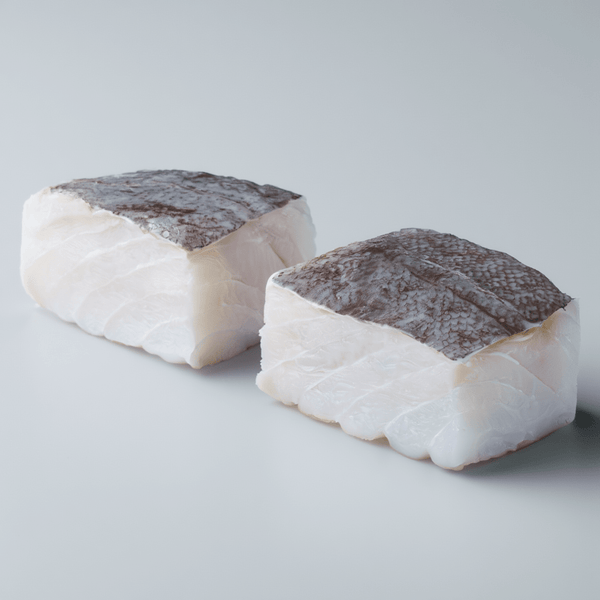
Before freezing, thoroughly dry the cod with absorbent paper. Residual moisture forms ice crystals that deteriorate the texture. Cut the pieces into individual portions according to your future needs.
In our artisanal cod shop, we apply vacuum packing techniques that completely remove air, thus preserving the nutritional and taste properties of desalted cod for months.
Packaging methods
Vacuum packing is the most effective method. If you don't have a vacuum sealer, use cling film, removing as much air as possible. Then, place the pieces in airtight freezer bags. Always label with the freezing date.
For individual portions, separate each piece with parchment paper. This technique prevents them from sticking together during freezing.
Related Bacalao Products


Storage and thawing times
Properly frozen desalted cod can be stored between 2 and 6 months depending on the packaging method. In cling film or airtight bags it lasts 2-3 months; vacuum-packed it can last up to 6 months without losing its properties.
Optimal storage duration
| Packaging method | Maximum time | Expected quality |
|---|---|---|
| Vacuum packed | 6 months | Excellent |
| Airtight bag | 3 months | Good |
| Cling film | 1 month | Acceptable |
Correct thawing
Thawing should be done gradually in the refrigerator. Never use a microwave or hot water, as they would alter the cellular structure of the fish. Plan for 12 to 24 hours depending on the thickness of the pieces.
Once thawed, consume the cod within a maximum of 48 hours. Never refreeze a product that has been previously thawed.
Ideal thawing: transfer it to the refrigerator 12-24 hours before cooking. This slow method preserves the texture and is the safest from a sanitary point of view. Avoid thawing at room temperature or in hot water.
Better than freezing? Buy fresh and desalted when you need it
Desalted Loins 500g — €21.45
⭐ 4.9/5 · Cold shipping 24-48h · Since 1990
Discover our premium selection
Seafood products selected with care since 1990 in Mercat del Ninot, Barcelona. Refrigerated shipping in 24-48h.
Conclusions
- Is it safe to freeze desalted cod? The definitive answer: Freezing desalted cod raises questions among fish lovers.
- When to freeze desalted cod: The ideal time to freeze desalted cod is immediately after complete desalting.
- Professional freezing techniques: To prevent freezer burn (dry white spots on the surface), make sure to remove all air from the airtight bags before sealing them.
- Storage and thawing times: Properly frozen desalted cod can be stored between 2 and 6 months depending on the packaging method.
- Frequently asked questions about freezing: Does frozen desalted cod lose flavor?
Frequently asked questions about freezing
Does frozen desalted cod lose flavor? With proper freezing techniques, organoleptic loss is minimal. The texture may vary slightly, but the flavor remains virtually intact.
Can I freeze partially desalted cod? It is not recommended. The desalting process must be completed before freezing to avoid imbalances in the final texture.
Does it work for all cod species? Yes, both Icelandic and Norwegian cod respond well to post-desalting freezing, maintaining their distinctive characteristics.
→ View our selection of desalted Icelandic cod
Discover more