

Codfish fritters are one of the most representative tapas of Cadiz's gastronomy. Thin, crispy, and full of flavor, they are made with a light batter of chickpea flour, desalted cod, fresh spring onion, and parsley. In this guide, you will find the traditional step-by-step recipe, frying tips to achieve the perfect crispiness, the differences with codfish balls, and the most popular variations prepared throughout Andalusia.
Table of Contents
- Origin in Cadiz: The Tapa That Conquered Andalusia
- Ingredients for Perfect Fritters
- Why Use Chickpea Flour
- The Cod: How to Prepare it Well Before Starting
- How to Make the Batter: Consistency and Resting Time
- Frying Technique: Temperature, Thickness, and Oil
- Frying Temperature Guide
- Fritters vs. Codfish Balls vs. Croquettes
- Popular Variations: Shrimp, Red Pepper, and Mint
- How to Serve and Accompany the Fritters
- Common Mistakes and How to Avoid Them
- Frequently Asked Questions
Origin in Cadiz: The Tapa That Conquered Andalusia
Codfish fritters were born in Cadiz, a city with an incomparable frying tradition forged over centuries of coexistence between Mediterranean and Atlantic cultures. Cadiz frying is an art in itself: light, dry to the touch, and extraordinarily crispy, very different from the heavy or greasy frying that can be found in other cuisines. In the "ventas" (roadside inns) and "freidurías" (fry shops) in the historic center of Cadiz, codfish fritters are inseparable from a glass of manzanilla or a good fino sherry wine from Jerez.
The origin of these fritters is closely linked to salted cod, a product that for centuries was the most accessible protein source for the working classes of southern Spain. Fishermen and humble families used trimmings and scraps of salted cod to make fried doughs that were filling and inexpensive. Over time, the recipe was refined, chickpea flour was incorporated to give it more body and character, and the fritters ascended from a subsistence food to a staple tapa throughout the region.
Today, codfish fritters are served in almost all bars in Cadiz, Seville, Huelva, and Malaga, and have transcended Andalusian borders to become a classic of Spanish tapas cuisine. Their success lies in the simplicity of the ingredients and the technique: with a good batter and oil at the correct temperature, the result is spectacular.
Ingredients for Perfect Fritters
To prepare Andalusian codfish fritters for four people, you will need very basic ingredients, although the quality of each one directly influences the final result. The cod must be of good quality, properly desalted, and the chickpea flour must be fine and lump-free for the batter to be homogeneous.
- 200 g desalted cod (flaked or in small pieces)
- 100 g chickpea flour
- 50 g all-purpose wheat flour
- 1 medium fresh spring onion (about 80 g)
- 1 bunch fresh parsley
- 200-220 ml cold water
- Salt to taste (use sparingly, cod already provides saltiness)
- Extra virgin olive oil for frying (plenty)
Some recipes add a touch of finely minced garlic or a pinch of sweet paprika, but the purest Cadiz version omits these additions and focuses on the flavor of the cod, spring onion, and parsley. If you want to get closer to the original, less is more.
Why Use Chickpea Flour
Chickpea flour is the ingredient that distinguishes Cadiz fritters from other similar preparations. It provides three fundamental advantages that no wheat flour can replicate on its own. Firstly, its high vegetable protein content creates an alternative gluten network that gives cohesion to the dough without making it elastic or sticky. Secondly, its starch gelatinizes at higher temperatures than wheat starch, meaning the fritter withstands the oil's heat without falling apart and forms an especially crispy outer crust. Thirdly, it provides a slightly toasted and earthy flavor that perfectly complements the saltiness of the cod.
The ideal mixture is approximately two parts chickpea flour to one part wheat flour. Wheat flour acts as a binder and softens the intense flavor of the chickpea, while chickpea flour ensures the characteristic crispiness. If you only use wheat flour, the fritters will be softer and tend to absorb more oil during frying. If you only use chickpea flour, the batter may be denser and the flavor too strong.
You can find chickpea flour in health food stores, organic product stores, and most well-stocked supermarkets. Make sure it is fine flour, not lumpy, so that it integrates well with the water without needing to sift multiple times.
Related Bacalalo Products

Recommended Products

Natural Cod Liver Foie Gras - 120g | Smoked Co...
3,90 €

CHATKA Wild King Crab 60% Legs 40% Shredded | ...
95,00 €

Artisan Cut Smoked Cod Carpaccio | 1 Tray Pack
15,90 €

Dried Cod Cheeks (1 tray) - 500g
19,95 €
Refrigerated shipping 24-48h to all of Peninsular Spain
The Cod: How to Prepare it Well Before Starting
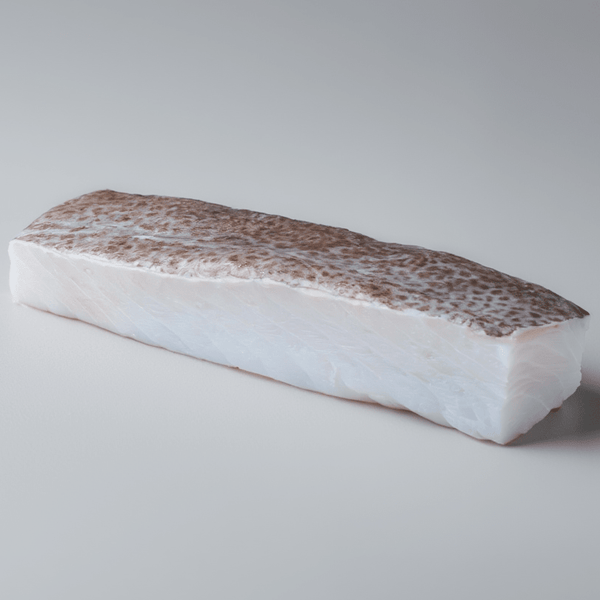
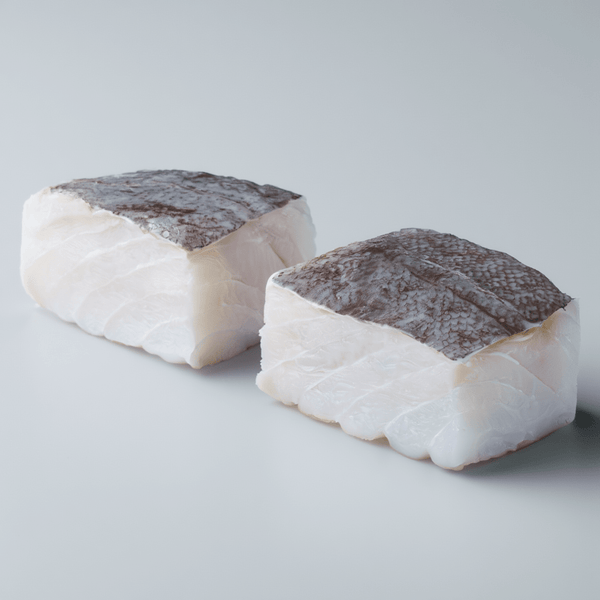
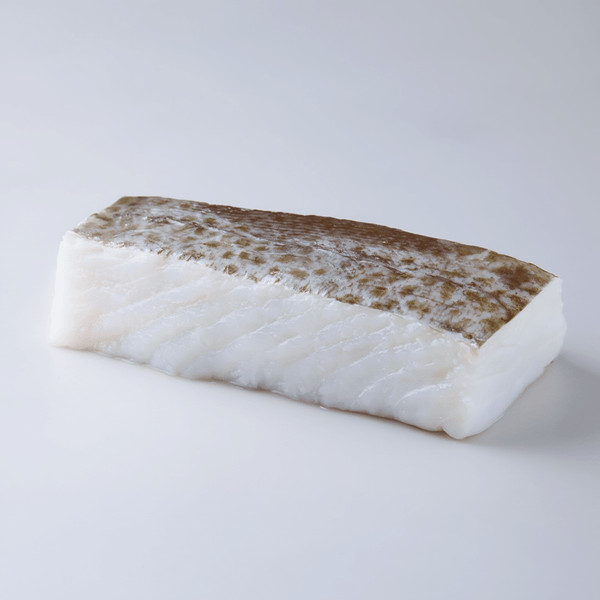
The quality of the cod is crucial for the final result. For this recipe, it's ideal to use desalted cod flakes or small pieces, as they integrate better into the batter than thick fillets. If you're starting with salted cod, you'll need to desalt it properly so the fritters aren't excessively salty and the fish's texture is juicy but not rubbery. You can learn the complete process in our guide on how to quickly and properly desalt cod at home.
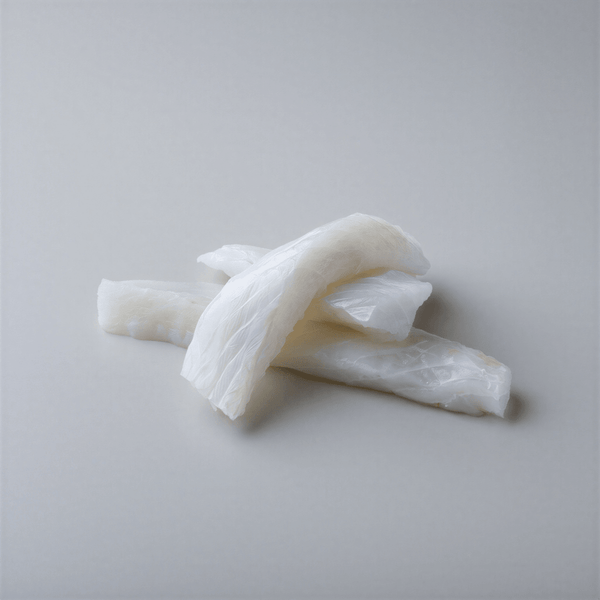
Once desalted, drain the cod carefully and pat it dry with paper towels. Excess water in the cod can dilute the batter and ruin the consistency of the fritters. Then, shred the fish with your fingers into small, irregular pieces, no more than 1-1.5 cm. If the pieces are too large, the fritter won't be thin and will lose its characteristic almost translucent texture in the center. If you have access to premium desalted cod, the process is much simpler: you just need to drain and shred it.
You can also use cod flakes directly, which are the ideal format for this recipe because they already come in the correct size, and the desalting process is optimized for that type of cut.
How to Make the Batter: Consistency and Resting Time
The cod fritter batter should be light, fluid, and lump-free. Its ideal consistency is between a crêpe and a tempura: denser than water but liquid enough so that when it falls into the oil, it spreads to form a thin disk almost on its own. If the batter is too thick, the fritters will be thick, and you won't achieve the characteristic crispiness; if it's too liquid, they will fall apart in the oil.
- In a bowl, mix the chickpea flour and wheat flour.
- Add the cold water little by little while stirring with a whisk to prevent lumps.
- Incorporate the very finely chopped spring onion (including the green part) and finely chopped parsley.
- Add the shredded cod and mix gently.
- Taste the batter and add salt only if necessary; the cod already provides saltiness.
- Let the batter rest in the refrigerator for at least 20-30 minutes before frying.
Chilling the batter is a step that many recipes omit but makes a noticeable difference. During resting, the chickpea flour fully hydrates, and the starches organize better, resulting in a more cohesive batter and crispier, more uniform fritters. If you have time, you can prepare the batter up to two hours in advance and store it covered in the refrigerator.
Frying Technique: Temperature, Thickness, and Oil
Frying is the decisive moment in making cod fritters. Three variables determine success: oil temperature, the amount of batter you pour, and the type of oil you use. A mistake in any of these three variables can ruin an otherwise impeccable preparation.
Always use extra virgin olive oil for frying. Although its smoke point is slightly lower than refined oils, it provides an incomparably superior flavor and withstands the temperatures necessary for this type of frying. Use plenty of oil in a wide pan or a deep fryer: the fritters should float freely and not touch each other during cooking.
The optimal oil temperature for cod fritters is 180-185 °C (356-365 °F). At this temperature, the batter immediately seals on contact with the oil, forming a crispy outer crust and cooking through in just 1-2 minutes per side. If the oil is too cold, the batter absorbs too much oil, and the fritters will be greasy and soft. If it's too hot, the exterior will burn before the interior cooks properly.
To pour the batter, use a large soup spoon or a small ladle. Pour the batter into the hot oil in a circular motion so it spreads and forms a thin disk 8-10 cm (3-4 inches) in diameter. The fritter should be very thin, almost translucent in the center. Fry for 1.5-2 minutes until the edges are golden brown, carefully flip, and cook for 1 more minute on the other side. Drain on absorbent paper and serve immediately.
Frying Temperature Guide
Oil temperature is the most important factor in any frying. The following table summarizes the optimal ranges for the most common fried foods in Andalusian and Spanish cuisine, including cod fritters:
| Preparation | Optimal Temperature | Approximate Time | Expected Result |
|---|---|---|---|
| Cod Fritters | 180-185 °C (356-365 °F) | 1.5-2 min/side | Very crispy, thin, golden |
| Codfish Balls | 170-175 °C (338-347 °F) | 3-4 min total | Spongy, puffed, golden |
| Cod Croquettes | 175-180 °C (347-356 °F) | 2-3 min total | Crispy outside, creamy inside |
| Marinated Fish (dogfish) | 180-190 °C (356-374 °F) | 2-3 min/side | Golden, dry, very crispy |
| Shrimp Tempura | 175-180 °C (347-356 °F) | 1-2 min total | Light, crispy, translucent |
| French Fries (first fry) | 140-150 °C (284-302 °F) | 6-8 min | Cooked inside, no color |
| French Fries (second fry) | 190-195 °C (374-383 °F) | 2-3 min | Golden and crispy |
If you don't have a kitchen thermometer, you can check the temperature by immersing the handle of a wooden spoon in the oil: if constant and rapid bubbles appear around the handle, the oil is ready for the fritters. Another classic trick is to drop a tiny bit of batter into the oil: if it rises to the surface in less than two seconds surrounded by bubbles, the temperature is correct.
Fritters vs. Codfish Balls vs. Croquettes
Codfish fritters are often confused with codfish balls or other fried cod preparations. However, the differences are significant in both technique and final result. The following table shows the main characteristics of each:
| Characteristic | Cod Fritters | Codfish Balls | Cod Croquettes |
|---|---|---|---|
| Traditional Origin | Cadiz (Andalusia) | Valencia / Balearic Islands | France / all of Spain |
| Shape | Flat, thin disk | Ball or irregular, puffed | Oval, cylinder |
| Base Flour | Chickpea + wheat | Wheat + yeast/baking soda | Wheat (béchamel) |
| Interior Texture | Almost translucent, very thin | Spongy and airy | Creamy and compact |
| Exterior Texture | Very crispy, no breading | Crispy and light | Crispy (breadcrumbs) |
| Frying Temperature | 180-185 °C (356-365 °F) | 170-175 °C (338-347 °F) | 175-180 °C (347-356 °F) |
| Preparation Time | Quick (batter ready in 5 min) | Quick | Long (béchamel + chilling) |
The fundamental difference between tortillitas and buñuelos is their texture and shape. Tortillitas are flat and very thin, almost a crispy sheet with cod inside. Buñuelos are fluffy and voluminous because their batter incorporates yeast or baking soda, which makes them puff up when fried. If you are interested in exploring more fried cod preparations, our recipe for creamy and crispy ham and cod croquettes is a good starting point to delve into that world.
Popular variations: shrimp, red pepper, and spearmint
The basic cod tortillita recipe allows for numerous variations that have been developed throughout Andalusia, each with its own unique personality. These are the most interesting and popular:
Shrimp tortillitas: This is the most widespread variation after the original. Small raw and peeled shrimp (or Cadiz bay shrimp if available) are added directly to the batter. The result is a tortillita richer in protein, with a more complex seafood flavor and a slightly denser texture. Some bars in Cadiz offer mixed cod and shrimp tortillitas as the premium option on their tapas menu.
Red pepper tortillitas: Roasted or finely chopped raw red pepper is added to the batter along with the cod. The pepper adds a sweet touch that balances the saltiness of the cod, a livelier color, and a distinctive aroma. This variation is especially popular in inland Andalusia, in areas where cod is cooked with more vegetables, as in the tradition of ajoarriero.
Spearmint tortillitas: By substituting parsley with fresh spearmint, a tortillita with a fresh and slightly minty fragrance is obtained, which surprisingly contrasts with the cod. This variation is less known outside Cadiz but highly appreciated by locals. The spearmint is finely chopped and added in the same amount as parsley would be. The result is refreshing and distinct, ideal for summer months.
Garlic and parsley tortillitas (more flavorful version): A finely chopped garlic clove is incorporated into the batter. Garlic adds a point of intensity that some palates appreciate, although it moves the recipe away from the more traditional and subtle version. If you opt for garlic, make sure to chop it very finely so that no large pieces remain that could turn bitter with the heat of the oil.
How to serve and accompany tortillitas
Cod tortillitas should be served freshly fried and very hot. They are one of those tapas that allow little waiting: as minutes pass on the plate, they lose the crispness that defines them and become soft and less appetizing. In Cadiz bars, it is common to see the cook continuously frying in batches to ensure that each serving reaches the table at its optimal point.
The classic accompaniment is a little squeezed lemon juice on top just before eating, which adds acidity and enhances all the flavors. They also pair very well with a mild aioli sauce or a yogurt and mint sauce to contrast the fried element. As for drinks, Sanlúcar manzanilla or a very cold Fino sherry are the ideal companions by tradition, although a cold beer works just as well.
As part of a larger tapas spread, cod tortillitas can accompany other cod preparations such as cod in green sauce or the classic bacalao al pil-pil, forming a very complete cod tasting menu. They also work as a starter before a more hearty stew like cod and chickpea stew.
Common mistakes and how to avoid them
Even with a simple recipe like this, there are several common mistakes that can ruin the result. Knowing them beforehand will save you frustration and failed batches of tortillitas:
- Incorrect oil temperature: This is the most frequent mistake. If the oil is cold, the batter sinks, absorbs oil, and becomes greasy and soft. If it's too hot, the outside burns before the inside cooks. Use a thermometer or do the wooden spoon test before you start frying.
- Batter too thick: If the batter has too much flour, the tortillitas will be thick and lose their characteristic thinness. The consistency should be liquid but not watery: when you lift the spoon, the batter should fall in a continuous stream, not in clumps.
- Cod too salty: If you haven't desalted the cod properly, the tortillitas will be impossibly salty. Always taste the cod before incorporating it into the batter and, if in doubt, give it another hour of soaking in changed cold water. If you use already desalted cod, this problem does not exist.
- Frying too many at once: If you put too many tortillitas in the pan at once, the oil temperature drops sharply and they all turn out soft. Fry in small batches, two or three units maximum, to maintain a constant temperature.
- Not drying the cod well: Excess water in the cod dilutes the batter and can cause oil to splatter when frying. Always pat the cod dry with kitchen paper before flaking and incorporating it.
- Waiting too long to serve: Tortillitas lose their crispness quickly. If you can't serve them immediately, keep them in the oven at 100 °C (212 °F) on a rack (not on paper) so that air circulates and they don't soften.
If you want to explore other ways to use cod with equally simple preparations, check out our selection of desalted cod recipes: quick and easy ideas or the traditional cod migas for using up leftovers.
Frequently Asked Questions
Can I use regular wheat flour instead of chickpea flour?
Yes, you can, but the result will be notably different. Wheat flour produces a softer and less crispy tortillita, and tends to absorb more oil during frying. Chickpea flour is what gives the characteristic crispiness of Cadiz tortillitas and that slightly toasted flavor that differentiates them from other preparations. If you can't find chickpea flour, an acceptable alternative is to use wheat flour with a teaspoon of baking powder, although the result will still be different. Ideally, find chickpea flour, which is available in health food stores, organic stores, and many supermarkets.
How long can the batter be stored once prepared?
The batter can be stored in the refrigerator, covered with cling film, for up to 24 hours. During this time, the flour continues to hydrate, and the batter may thicken slightly; if this happens, add a splash of cold water and mix well before using. However, ideally, the batter should be used the same day it is prepared, preferably after a minimum resting period of 20-30 minutes. Once fried, tortillitas cannot be stored because they lose their crispness almost immediately; it is best to fry them just before serving.
Can cod tortillitas be made gluten-free?
Yes, it is perfectly possible to make gluten-free cod tortillitas by using only chickpea flour and completely omitting wheat flour. The texture will be slightly denser and the chickpea flavor somewhat more intense, but the result is still very good. Make sure to use certified gluten-free chickpea flour (due to cross-contamination at the factory) and that the cod you use has not been processed with any gluten-containing additives. With these precautions, tortillitas are a naturally gluten-free tapa.
What type of cod is best for this recipe: loin, belly, or flakes?
For cod tortillitas, the ideal format is cod flakes, because they are already the right size to integrate into the batter without needing further shredding. Loin also works well if it is shredded into small pieces of 1-1.5 cm after desalting. Belly is too fatty for this preparation and can make the batter greasy instead of crispy. The fundamental thing is that the cod is well desalted and well drained before incorporating it into the batter, regardless of the cut you use.
Can tortillitas be baked instead of fried?
Technically, they can be baked, but the result is very different from the traditional recipe. Baked tortillitas lose their characteristic crispness and resemble more cod pancakes or blinis. If you want to reduce oil use, a better option than baking is to use a non-stick pan with very little oil and a high temperature, although the result will still differ from the original. Frying in abundant oil is essential to achieve the thin and extremely crispy texture that defines Cadiz tortillitas.
Why are my tortillitas soft instead of crispy?
The most common causes of soft tortillitas are three: insufficient oil temperature, batter that is too thick, or excess moisture in the cod. If the oil is below 175 °C when you introduce the batter, the tortillita absorbs oil instead of cooking quickly and becomes greasy and soft. If the batter has too much flour, it becomes thick and never reaches that crispy point. And if the cod had too much un-drained water, that moisture transfers to the batter and ruins the texture. Check these three variables and correct the one that is failing.
How many tortillitas per person as a tapa?
As a tapa in a snacking context with more dishes, three or four tortillitas per person are enough. If the tortillitas are going to be the main dish of an informal meal, estimate between eight and ten units per person. With the quantities of the base recipe (200 g of cod, 150 g of flours), approximately 16-20 standard-sized tortillitas (8-10 cm in diameter) are produced, which is enough for four people as a generous tapa or for two people as a main course.
Can prepared cod for tortillitas be frozen?
Desalted and flaked cod can be perfectly frozen for later use in this recipe. Place it in an airtight freezer bag, remove as much air as possible, and freeze for up to three months. When you are going to use it, thaw it in the refrigerator overnight and drain it well with kitchen paper before incorporating it into the batter. What cannot be frozen is the prepared batter with flour, because the starches are altered by freezing and the resulting texture when frying would not be adequate.
What oil is best for frying tortillitas, extra virgin olive oil or sunflower oil?
Extra virgin olive oil is the traditional choice and yields the best results in terms of flavor. Although it has a slightly lower smoke point than refined sunflower oil (approximately 180-210 °C vs. 230 °C), it is perfectly suitable for the temperature needed in this recipe (180-185 °C) if used carefully and not overheated. Sunflower oil produces tortillitas with a more neutral flavor, without the characteristic taste of olive oil. High oleic sunflower oil is an acceptable middle ground. In no case should you use extra virgin olive oil that has already been used several times, as the smoke point decreases with each use.
Are cod tortillitas a typical Easter dish?
Cod tortillitas are consumed throughout the year in Andalusia, but they play a special role during Lent and Holy Week, when religious tradition dictates abstaining from meat. During these weeks, the fried food establishments and bars in Cadiz and Seville multiply their production of tortillitas, cod fritters, and other fried fish preparations. However, unlike other more elaborate cod recipes, tortillitas are so quick to prepare and so popular that they are served any time of year as a tapa or appetizer.
Can I prepare the batter with sparkling water to make them crispier?
Yes, it's a trick that works. The carbon dioxide in sparkling water creates small bubbles in the batter which, when they burst with the heat of the oil, create a lighter and airier texture, similar to tempura. The result is a slightly more porous and crispy tortillita, although also more delicate to handle because the batter foams slightly. If using sparkling water, add it very cold and directly from the refrigerator, and use the batter as soon as it's ready without letting it rest too long so it doesn't lose its gas. It's an interesting variation, although the classic version with plain cold water already yields excellent results.
What other cod recipes pair well with tortillitas in a tapas menu?
Cod tortillitas work perfectly as an opening tapa within a broader menu dedicated to cod. They pair very well with cold or warm dishes such as Portuguese-style bacalao à Bras or the smooth baked cod with cream. For a complete menu, you can follow with a heartier stew like baked cod with potatoes or the classic bacalao a la bilbaína. The key is to start with the fried dishes (the tortillitas) while the oil is clean and the palate is fresh, and save the more intense stews for the main course.
Related guides
- Cod meatballs in homemade sauce
- Cod with soupy rice
- Piquillo peppers stuffed with cod in three versions
- Gratin cod with aioli and béchamel
- 15 desalted cod recipes
- Ham and cod croquettes
For perfect tortillitas, you need fine flaked cod. Discover our premium cod flakes and the entire selection of desalted cod and salted cod at Bacalalo.
Products you might be interested in