Cod with cream — or Bacalhau com Natas in Portuguese — is one of the most iconic and comforting dishes in Portuguese cuisine. A base of crispy fried potatoes, flakes of desalted cod, a béchamel enriched with cream and egg yolks, all topped with grated cheese that melts and gratinates in the oven until a golden, irresistible crust forms. If you're looking for the authentic recipe, with the tricks that make all the difference, you'll find it here.
Origin and History of Bacalhau com Natas
Portugal has a relationship with cod that goes far beyond gastronomy: it is identity, history, and culture. It is said that there are over 365 cod recipes in the Portuguese cookbook, one for each day of the year. Bacalhau com Natas, however, is a relatively recent appearance compared to other Lusitanian classics. Its origin dates back to the second half of the 20th century, when the use of cooking cream became popular in Portuguese homes as a way to enrich and unify oven preparations.
Unlike Bacalhau à Brás — fried and scrambled, from the Lisbon tradition — or Bacalhau à Gomes de Sá — cooked in water with olives and hard-boiled eggs —, the com Natas belongs to a generation of more domestic and festive recipes. It's the dish that appears on family Sunday tables, in inland restaurants, and in the homes of Portuguese emigrants across Europe, including Barcelona, where the Portuguese community has a significant presence in the Raval neighborhood and around the Mercat del Ninot.
Its popularity in Spain has grown remarkably in the last decade, driven both by gastronomic tourism to Portugal and the spread of recipes on social media. Today, baked cod with cream competes in search engines with Spanish classics like cod al pil-pil or cod in green sauce, and not without reason: it's an irresistible dish that captivates anyone who tries it for the first time.
Cod in Portuguese Cuisine: Four Iconic Recipes
To understand Bacalhau com Natas in its context, it's worth knowing the family of recipes it belongs to. Portuguese cod cuisine is vast, but four recipes account for most of its international fame. The following table compares their main characteristics:
| Recipe | Main Technique | Key Ingredients | Final Texture | Difficulty |
|---|---|---|---|---|
| Bacalhau com Natas | Baked / au gratin | Cream, fried potatoes, cheese | Creamy and golden on top | Medium |
| Bacalhau à Brás | Pan-fried | Eggs, straw potatoes, olives | Juicy, scrambled, loose | Easy-Medium |
| Bacalhau à Gomes de Sá | Boiled + baked | Olives, hard-boiled egg, onion | Dry, crumbled, rustic | Easy |
| Bacalhau à Lagareiro | Roasted in oven with oil | EVOO, "à murro" potatoes, garlic | Juicy, with crispy skin | Easy |
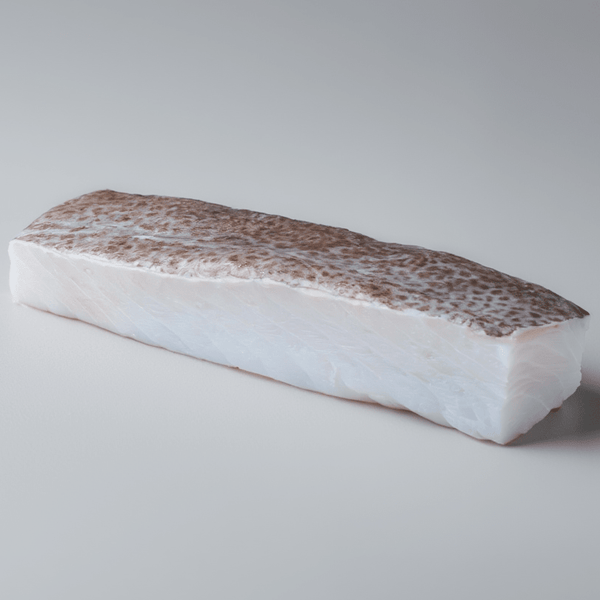
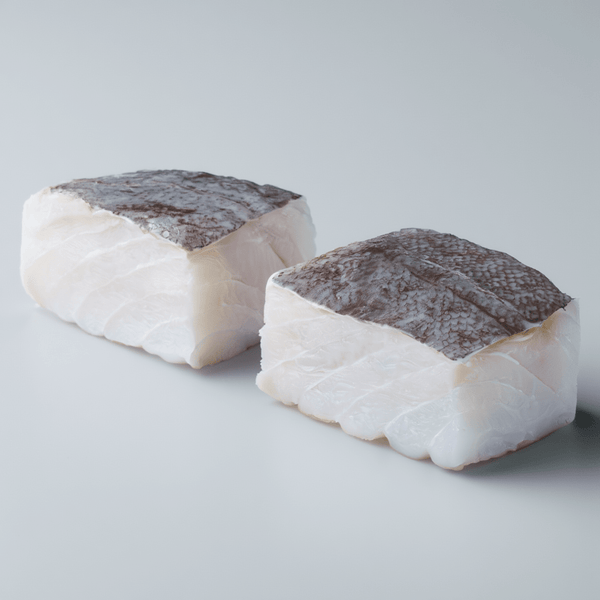
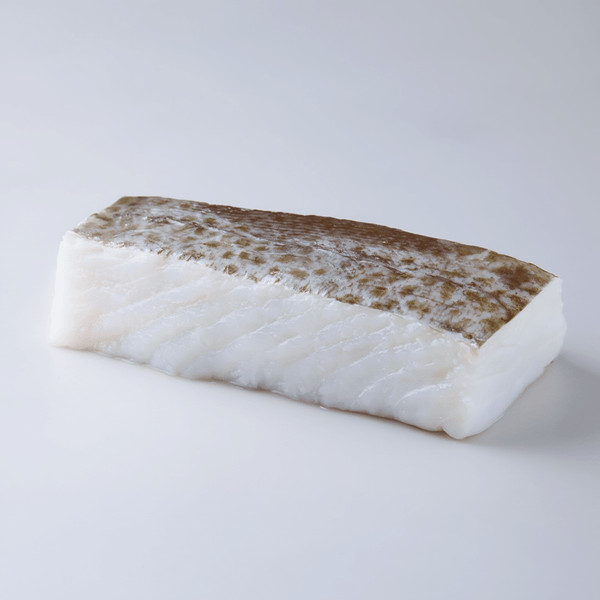
Each of these recipes requires a different quality of cod. For com Natas, the ideal is to use thick loins or cuts of desalted cod that can be flaked into large, juicy pieces without falling apart during the pre-cooking process.
Ingredients for 4 servings
The ingredient list for Bacalhau com Natas is short, but each element plays a fundamental role. It is not advisable to make hasty substitutions: the difference between a mediocre gratin and an exceptional one usually lies in the quality of the cream and the cod.
- 700 g of desalted cod (loins or thick pieces, in large flakes)
- 800 g of potatoes (Agria or Kennebec, for frying)
- 400 ml of cooking cream (minimum 18% fat content)
- 200 ml of whole milk
- 2 egg yolks
- 2 medium onions (finely julienned)
- 3 cloves of garlic
- 40 g of butter
- 30 g of wheat flour
- 100 g of grated cheese (Gruyère, Emmental, or a four-cheese blend)
- Extra virgin olive oil, salt, white pepper, and nutmeg
- Fresh parsley for garnish
If you start with dried salted cod, you will need between 900 g and 1 kg raw (before desalting), as it loses weight during the rehydration process. If you prefer to save time, Bacalalo desalted cod loins are ready to cook and guarantee uniform quality in every flake.
Bacalalo Related Products


Recommended Products

Natural Cod Liver Foie Gras - 120g | Smoked C...
€3.90

CHATKA Wild King Crab 60% Legs 40% Shredded...
€95.00

Smoked Cod Carpaccio Artisan Cut | Pack 1 Tray
€15.90

Dried Cod Cheeks (1 tray) - 500g
€19.95
Refrigerated shipping 24-48h throughout the Peninsula
The First Step: Desalting the Cod Correctly
If you use salted cod, desalting is the most important step and the one that causes the most mistakes among those preparing this recipe for the first time. Poorly desalted cod ruins the dish, because the cream and potatoes do not compensate for the excess salt: they amplify it. The correct process requires patience and plenty of cold water.
For thick loins of 2-3 cm, optimal desalting is 48 hours in the refrigerator, changing the water every 8-10 hours (at least 3 changes). Place the cod skin-side up so that the salt falls by gravity. If the loins are thin or already chopped, 24-36 hours may be enough. Never desalt at room temperature: the cod can deteriorate and develop bacteria.
Once desalted, briefly poach the cod in water or milk over low heat (without boiling, about 70-75 °C) for 5-7 minutes. This step serves two purposes: it finishes fine-tuning the salt level and facilitates flaking into clean pieces. Reserve the strained cooking liquid: you can use it to enrich the béchamel. For a complete guide on times and techniques, consult our article how to desalt cod quickly and properly at home.
The Potatoes: The Secret Nobody Tells You
Bacalhau com Natas does not use boiled potatoes, but rather pre-fried potatoes. This detail is fundamental and makes a huge difference in the final result. Boiled potatoes absorb too much cream and become mushy; pre-fried potatoes, however, maintain their structure during gratinating and provide that contrast of textures — tender inside, with a slight resistance — that makes the dish so addictive.
Cut the potatoes into sticks or slices about half a centimeter thick and fry them in plenty of oil at 160 °C until they are almost cooked but not browned (about 5-6 minutes). They don't need to be crispy at this stage: they will finish cooking in the oven. Drain them well on absorbent paper and lightly salt them. If you want a lighter version, you can bake the potatoes with a drizzle of oil instead of frying them, although the final texture will be less authentic.
The potato variety matters. The best for this recipe are those with yellow flesh and high starch content: Agria, Kennebec, or Monalisa. Avoid new or very watery varieties, which fall apart easily. If you have doubts about what to do with potato trimmings or leftovers, our recipe for baked cod with potatoes offers complementary ideas for using all ingredients.
Cooking Cream vs. Whipping Cream: What to Use and Why
One of the most common mistakes when preparing this recipe is using the wrong type of cream. Not all cream is the same, and the difference in fat content determines whether the gratin will be silky and uniform or if it will curdle in the oven. In Spain, we mainly find three types:
- Cooking cream (18-20% fat): Stabilized with carrageenan or starch. It withstands heat well without curdling, but has a more neutral flavor and a more liquid texture before cooking.
- Whipping cream (35% fat): Without stabilizers. It behaves very well in the oven — it doesn't curdle — and provides much more richness and flavor. It is the preferred option for Portuguese cooks.
- Crème fraîche (30-40% fat): Fermented and slightly acidic. It adds an interesting complexity of flavor, but can be too dense if used in excess.
The recommendation for this dish is to use whipping cream (35% fat) or a 50/50 mix of cooking cream and whipping cream. This combination balances stability and flavor. The egg yolks added to the mixture act as an additional emulsifier and give the sauce that characteristic golden yellow color of authentic com Natas.
Layer-by-Layer Assembly Guide
Assembly is the stage that transforms separate ingredients into a cohesive dish. Follow this order precisely, and the result will be a gratin where each layer fulfills its function:
- Prepare the onion base: Sauté the julienned onions with sliced garlic in olive oil over medium-low heat for 20-25 minutes, until transparent, sweet, and lightly golden. Add a pinch of salt. Set aside.
- Prepare the cream sauce: In a saucepan, melt the butter, add the flour, and cook for 2 minutes (roux). Gradually add the warm milk, stirring with a whisk, then the cream. Cook over low heat for 8-10 minutes until it thickens. Remove from heat, adjust salt, pepper, and nutmeg, and add the beaten egg yolks, mixing quickly to prevent them from curdling.
- First layer — potatoes: Cover the bottom of the oven dish (previously greased) with half of the pre-fried potatoes, forming an even layer.
- Second layer — onion and cod: Distribute half of the sautéed onion over the potatoes. Place the shredded cod flakes on top, ensuring they are well distributed and not clumped together.
- Third layer — remaining potatoes and onion: Cover the cod with the rest of the potatoes and finish with the remaining onion.
- Fourth layer — cream sauce: Pour the cream sauce with egg yolks evenly over the entire surface, allowing it to penetrate between the lower layers.
- Final layer — cheese: Sprinkle generously with grated cheese. For an extra crispy gratin, you can add a tablespoon of breadcrumbs mixed with the cheese.
The ideal dish is ceramic or Pyrex, about 30 x 20 cm for this amount. Metal dishes work less well because they conduct heat less uniformly and can overcook the bottom before the surface gratinates. For similar recipes with layered assembly, you may want to consult our cod-stuffed piquillo peppers recipe.
Oven Time and Temperature
The oven is where Bacalhau com Natas acquires its definitive character. The temperature and time are not arbitrary: they respond to the need to heat the interior (where the ingredients are already cooked) and at the same time gratinate the surface without burning the cheese before the heat penetrates to the bottom.
Preheat the oven to 200 °C with top and bottom heat. Place the dish in the middle third of the oven for 20 minutes. After that time, activate the grill (top heat only) and increase to 220 °C for an additional 5-8 minutes, watching closely: the cheese should be golden and bubbly, but not charred. If you see the surface browning too quickly before the inside is hot, cover it with aluminum foil for the first 15 minutes and remove it at the end.
Let the dish rest for 5 minutes out of the oven before serving. This resting period allows the cream sauce to settle and the layers to stabilize, making cutting and plating much cleaner. Serve directly from the dish, accompanied by a green salad or rustic bread to soak up the sauce.
Lighter version: how to reduce calories without losing flavor
Bacalhau com Natas is a hearty dish by nature, but there are several adjustments that can significantly reduce its caloric load without sacrificing the essence of the dish. The key is to identify what provides flavor (cod, sautéed onion, garlic, cheese) and what primarily provides calories (frying oil and full-fat cream).
- Baked potatoes instead of fried: Slice them thinly, season with a tablespoon of EVOO, and bake at 200 °C for 20 minutes before assembly. This saves 150-200 kcal per serving.
- Light cream (15% fat) or mix with milk: Substitute part of the cream with semi-skimmed milk in a 1:1 ratio. The sauce will be slightly less dense, but the result is still very creamy if you slightly increase the flour in the roux.
- More flavorful cheese in smaller quantity: Use Parmigiano Reggiano (50 g instead of 100 g of mixed cheese). Having a more concentrated flavor, you need less to achieve the same impact on the gratin.
- Reduce butter: You can prepare the roux with extra virgin olive oil instead of butter, resulting in a healthier fat profile.
With these adjustments, the light version is around 420-450 kcal per serving compared to 580-620 kcal for the original version. If you are looking for other lower-calorie cod preparations, check out our quick and easy desalinated cod recipes or our selection of cod flakes, ideal for using leftover cod.
Pairing: Portuguese wines to accompany the dish
A dish of Portuguese origin naturally calls for a Portuguese wine. The richness of the cream and gratinated cheese requires wines with enough acidity to cleanse the palate between bites, and with a moderate body so as not to overpower the delicate flavor of the cod.
Vinho Verde is the most classic and probably the most appropriate choice for an informal family meal. Its natural effervescence, lively acidity, and citrus and floral notes contrast perfectly with the creaminess of the gratin. Look for a Vinho Verde from the Minho sub-region, with Loureiro, Arinto, or Alvarinho grapes as the base.
For a more gastronomic version, Alvarinho de Monção e Melgaço — the noblest variety of Vinho Verde — offers greater aromatic complexity (peach, white flowers, soft spices) and a creamier texture on the palate, which harmonizes exceptionally with the cream. Whites from Dão based on Encruzado, or an aged Bairrada Branco also work well. If you prefer to stay in Spain, a Txakoli or an Albariño from O Salnés are equally good alternatives.
Nutritional information per serving
The values shown below correspond to the original recipe (full version with fried potatoes and full-fat cream), calculated for a portion of approximately 350-380 g, which is typical as a main dish.
| Nutrient | Per serving (approx. 370 g) | % RDI adult |
|---|---|---|
| Energy | 585 kcal | 29% |
| Protein | 42 g | 84% |
| Total fat | 32 g | 46% |
| — of which saturated | 18 g | 90% |
| Carbohydrates | 38 g | 15% |
| — of which sugars | 4 g | 4% |
| Fiber | 3 g | 10% |
| Sodium | 680 mg | 28% |
| Calcium | 310 mg | 39% |
| Phosphorus | 520 mg | 74% |
| Omega-3 | 0.8 g | — |
Cod is one of the most complete lean protein sources from the sea: it provides all essential amino acids with very little intrinsic fat. In this dish, the fat comes mainly from the cream and cheese, so the light version described in the previous section significantly reduces saturated fat without compromising protein intake.
🛒 Products mentioned in this article
⭐ 4.9/5 · Cold delivery 24-48h · Since 1990 at Mercat del Ninot
Frequently asked questions
Can I prepare bacalao com natas in advance?
Yes, it is one of the dishes that lends itself best to two-phase preparation. You can assemble the entire dish the day before — with all the layers, including the cream sauce and grated cheese — and store it covered with plastic wrap in the refrigerator for up to 24 hours before baking. The next day, take the dish out 30 minutes beforehand to allow it to come to room temperature and bake as usual, although you may need an additional 5 minutes in the oven since the inside will start at a lower temperature. This system is ideal for family meals or dinners with guests where you want to enjoy company without spending hours in the kitchen.
What type of cod is best for this recipe: loin, fillet, or flakes?
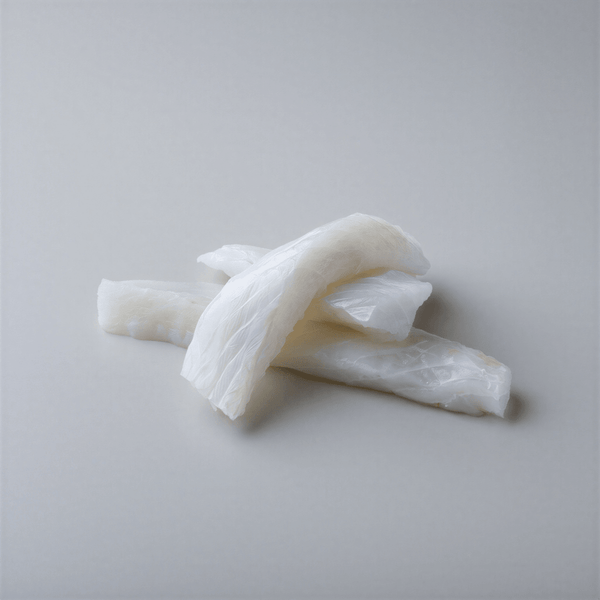
For Bacalhau com Natas, thick cod loins or fillets are the optimal choice, as they allow the fish to be flaked into large, juicy pieces that are visually distinct within the gratin and add more texture to the bite. Cod flakes — smaller, more economical cuts — also work, but the result is more homogeneous and less spectacular in terms of presentation. If you use cod flakes, slightly reduce the pre-blanching time to prevent overcooking. In any case, prioritize the quality of the cod over the cut: a top-quality, properly desalinated cod will make more of a difference than any other factor in the recipe.
Can bacalao com natas be frozen once cooked?
Technically yes, but the result upon thawing is not optimal. Cooked cream tends to separate during freezing and thawing, which can lead to a grainy or watery texture in the sauce. Potatoes also lose their characteristic texture and become somewhat mealy. If you need to store it, it is preferable to keep it in the refrigerator, well covered, and consume it within 2-3 days, reheating it in the oven at 160 °C for 15-20 minutes, covered with aluminum foil (without the grill, to prevent the cheese from burning). If you still want to freeze it, do so in individual portions and thaw it slowly in the refrigerator for 12 hours before reheating.
Why does my cream sauce curdle in the oven?
Cream sauce curdles mainly for two reasons: using low-fat cream (less than 18% fat) without stabilizers, or adding egg yolks to a mixture that is too hot. To avoid this, use quality cooking cream or whipping cream, and always add the yolks with the pan removed from the heat, whisking quickly. If, despite everything, the sauce shows signs of curdling before going into the oven (lumpy appearance or with separated liquid), strain the mixture, heat it again over very low heat, and beat vigorously with a whisk: in most cases, it will recover. Once in the oven, a moderate temperature (200 °C, no more) helps the sauce to remain stable.
Which cheese is the most authentic for gratinating?
In Portugal, the most commonly used cheese is queijo da Serra (DOP from Serra da Estrela), a semi-soft sheep's milk cheese with an intense flavor. However, it is difficult to find outside Portugal, and many Portuguese home recipes use Gruyère or Emmental, which melt excellently and have a neutral flavor that does not compete with the cod. In Spain, a mixture of grated cheeses with an Emmental base and a touch of Parmesan for intensity is a very practical solution. Avoid very aged or excessively fatty cheeses (like aged Manchego), which can release oil during gratinating and result in a shiny but unappetizing surface.
How long should I desalinate the cod for this recipe?
For thick loins or fillets (more than 2 cm thick), the recommended time is 48 hours in the refrigerator with at least three water changes (every 8-10 hours). For thinner cuts, 36 hours are usually sufficient. A trick to check if the cod is well desalinated is to taste a small piece: it should be salty like any well-seasoned fish, neither bland nor excessively salty. If it is too salty, continue the process with two additional water changes for 6-8 more hours. For Bacalhau com Natas in particular, a slightly lower salt point is preferable to an excessive one, as both the cream and cheese add additional sodium during cooking. You can find more information in our guide on how to properly desalinate cod.
Can I make this recipe gluten-free?
Yes, with a simple substitution. Replace the 30 g of wheat flour in the roux with rice flour or cornstarch in the same proportion. Cornstarch results in a slightly more transparent and shiny sauce, while rice flour produces a texture more similar to traditional béchamel. In both cases, dissolve the starch in a little cold milk before incorporating it into the saucepan to avoid lumps. The rest of the ingredients in the recipe — cod, cream, potatoes, eggs, cheese — are naturally gluten-free, although you should check the labeling of commercial grated cheese, as some contain anti-caking agents with gluten. Serve with gluten-free bread or salad to complete the meal.
Is bacalao com natas the same as gratin cod?
Not exactly, although both share the oven and melted cheese. Gratin cod is a generic term that can refer to any cod preparation finished with cheese under the broiler — for example, baked cod covered with aioli and cheese, like our recipe for gratin cod with béchamel and aioli. Bacalhau com Natas, on the other hand, is a specific recipe with a fixed structure: it always includes pre-fried potatoes, sautéed onion, a specific cream sauce with egg yolks, and gratinated cheese on top. It is its combination of layers and the enriched cream sauce that gives it its own identity within the family of cod gratins.
What is the difference between bacalao com natas and bacalao à Brás?
They are two very popular Portuguese recipes but completely different in technique, texture, and result. Bacalhau à Brás is prepared in a pan: finely shredded cod, crispy straw potatoes, and scrambled eggs are mixed over high heat at the last minute, resulting in a juicy, loose, and quick-to-prepare dish. Bacalhau com Natas is an oven-baked dish, with defined layers, a creamy cream sauce, and a cheese gratin that requires more preparation time but can be made in advance. Both are essential preparations in Portuguese cuisine, but à Brás is lighter and more everyday, while com Natas is more festive and hearty.
Can I add other ingredients to the filling?
The recipe allows for variations without losing its essence. Some common additions in regional Portuguese versions include chopped black olives between the layers (they add a touch of bitterness that contrasts well with the cream), roasted bell peppers in strips (they add sweetness and color), or sliced hard-boiled egg between the cod and the sauce. It is also common to add a little dry white wine to the sautéed onion during the last few minutes of cooking. What you should not alter are the pillars of the recipe: the pre-fried potatoes, the cream sauce with egg yolks, and the gratinated cheese. Any addition should be complementary, not substitutive, to preserve the recognizable character of the dish.
What accompaniments should I serve with bacalao com natas?
Being a very complete dish in itself — protein, starch, and abundant fat — the best accompaniment is something fresh and light that cleanses the palate and provides contrast. A simple green salad of arugula, lamb's lettuce, or lettuce with a lemon vinaigrette is the most classic option. Sautéed green beans with garlic or grilled asparagus also work well. Rustic bread is almost mandatory to soak up the cream sauce left at the bottom of the dish. Avoid accompaniments with a strong presence of their own — rice, pasta, other tubers — that compete with the potatoes in the dish and make it excessively heavy. If you are looking for more ideas for cod dishes to complete a meal, you might be interested in our easy homemade fish soup as a light starter.
Is Bacalao com Natas a suitable dish for children?
In terms of ingredients, yes: it does not contain spicy ingredients, alcohol, or elements that should be avoided in children's diets. Cod is an excellent source of protein for little ones, and the combination with cream, potatoes, and cheese makes the dish palatable for children who might otherwise refuse fish. The only point to control is the salt level: if you're preparing it for young children, make sure the cod is perfectly desalted and use low-sodium cheese. The creamy texture and melted cheese are usually a hit with youngsters, making this dish an excellent way to introduce cod into the family diet. Also, check out our cod with chickpeas recipe, another comforting classic suitable for the whole family.
Related guides
- Bacalao à Brás: original Portuguese recipe
- Gratin cod: 4 oven recipes
- Bacalao al pil pil: Basque recipe
- Navarran Ajoarriero Cod
- Cod meatballs in homemade sauce
- Andalusian-style cod fritters
To prepare this recipe with the best raw material, at Bacalalo you will find premium desalted cod ready to use, as well as salted cod in branch or in loins for those who prefer to control the desalting process at home. Product selected, cured and distributed from Mercat del Ninot in Barcelona since 1990.
Products you might be interested in