Summary: Ajoarriero cod is one of the great dishes of Navarre cuisine and, by extension, of all inland Spain. It originated from muleteers who transported goods with mules and cooked salted cod on the road with garlic, peppers, tomato, and olive oil. In this guide, you will find the traditional step-by-step recipe, the differences between Navarre, Riojan, and Aragonese ajoarriero, the piquillo pepper technique, pairing suggestions, and answers to 12 frequently asked questions about this hearty and comforting dish.
Discover our entire catalog at Bacalalo, cod specialists since 1990.
Contents
- Origin of Ajoarriero: The Muleteers' Cuisine
- Which Cod Cut to Use
- Ingredients for 4 People
- Step-by-Step Recipe
- Piquillo Pepper: Preparation and Use
- Regional Variations of Ajoarriero
- Slow Cooking Technique
- Serving and Presentation Suggestions
- Wine Pairing
- Storage and Reheating
- Nutritional Table
- Frequently Asked Questions
Origin of Ajoarriero: The Muleteers' Cuisine
Ajoarriero takes its name from the arrieros, the muleteers who for centuries traveled the roads of the Iberian Peninsula with strings of mules loaded with goods. These men spent weeks on the road and needed food that would preserve well and could be cooked with minimal resources. Salted cod was perfect: it didn't spoil, weighed little once dried, and provided plenty of protein and flavor. They complemented it with garlic (which they always carried), olive oil, and whatever they found along the way: peppers, tomatoes, potatoes, or eggs.
Navarre claims ajoarriero as its own dish, and rightly so. Pamplona was one of the great hubs of the muleteer routes, a crossroads of the Camino de Santiago with the roads that descended from the Pyrenees into the interior of Castile. The taverns of the Navarrese capital adopted the dish and refined it with produce from the Ebro orchards: red and green peppers, ripe tomatoes, and Ribera olive oil. Today, it is a flagship dish of Navarre gastronomy, a must-have in Pamplona's restaurants during the Sanfermines festivities and a star on the menus of steakhouses throughout the community.
But ajoarriero is not exclusive to Navarre. Similar versions are cooked in La Rioja, Aragon, Cuenca, Extremadura, and even Andalusia. Each region adapts it to its local ingredients, from the Basque piquillo pepper to the Manchegan potato, creating a family of dishes that share the same spirit: humble, hearty, and deeply flavorful cuisine. The kind of recipe that reconciles you with Spanish culinary tradition.
Which Cod Cut to Use
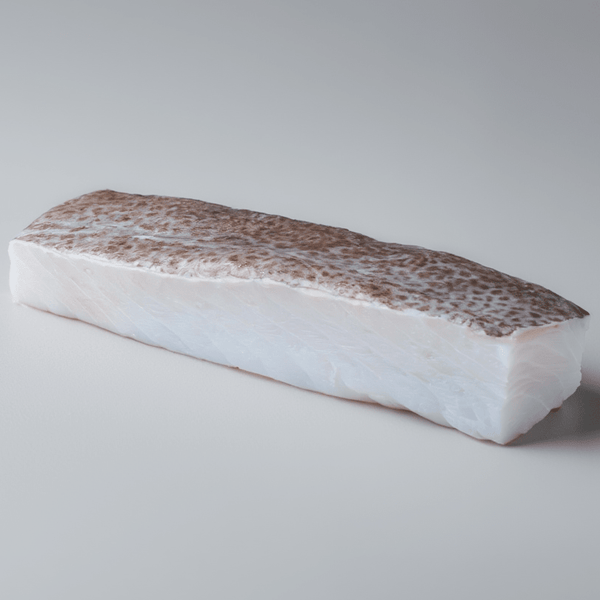
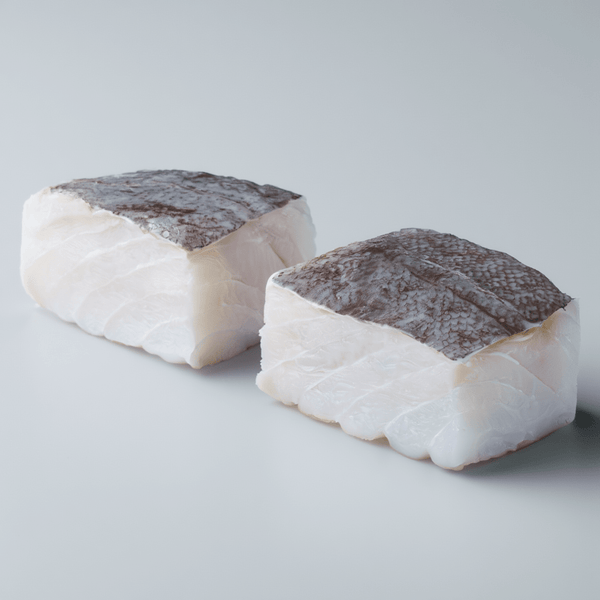
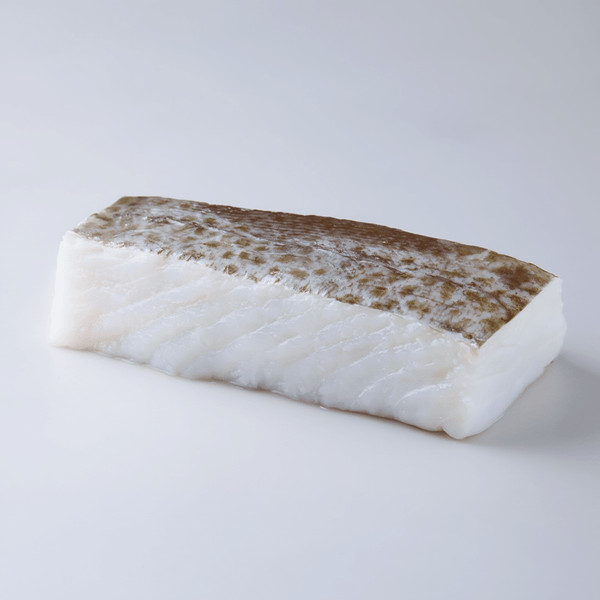
For ajoarriero, the cod cut matters more than it seems. Ideally, use the central part of the loin or the morro (snout), which are fleshy and gelatinous areas with long fibers that flake well and retain some juiciness during slow cooking. The morro, in particular, provides a unctuous texture that enriches the whole sofrito thanks to its high collagen content.
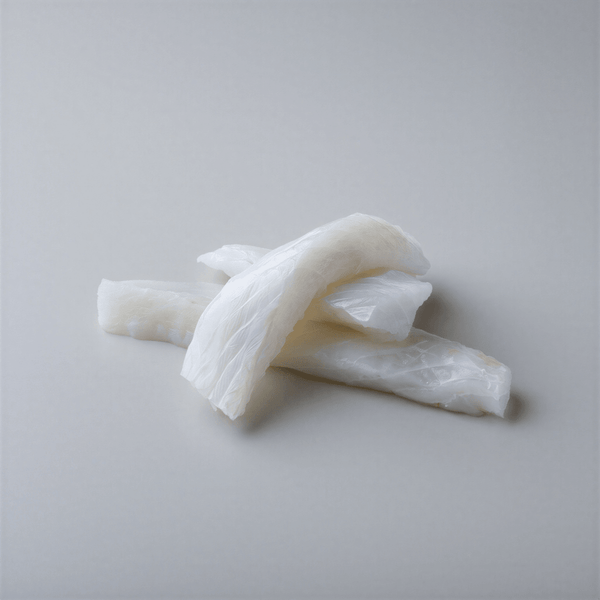
Avoid the cod tail, which is too dry and thin for prolonged cooking, and the thinner parts of the belly, which fall apart too much. If you use quality desalted cod, make sure to thoroughly remove the skin and bones before flaking it. The flaking should be irregular: some larger flakes, some smaller, to create an interesting texture that contrasts with the vegetable sofrito.
For an exceptional result, look for long-cured cod from Iceland or Norway, which has a deeper flavor and firmer texture than short-cured cod. At Bacalalo, we work with selected Nordic pieces to guarantee the quality a dish like this deserves. If you need to review the desalting process, consult our guide on how to properly desalt cod.
Ingredients for 4 People
- 500g desalted cod — flaked into irregular pieces, without skin or bones
- 3 large red bell peppers — or 8-10 quality jarred piquillo peppers
- 2 Italian green peppers — cut into wide strips
- 3 ripe tomatoes — grated and peeled
- 6 cloves garlic — thinly sliced
- 1 large onion — finely chopped
- 150ml extra virgin olive oil — generous amount, don't skimp
- 2 dried choricero peppers — soaked and flesh scraped (optional but recommended)
- 1 dried cayenne chili — optional, for a spicy kick
- 1 bay leaf
- Salt and freshly ground black pepper
- Fresh parsley — chopped, for garnish
The quality of the peppers is crucial. If fresh peppers are not in season, use jarred piquillo peppers with a Lodosa designation of origin, which have a sweet and intense flavor perfect for this dish.
Related Bacalalo Products


Recommended Products

Natural Cod Liver Foie Gras - 120g | Smoked Cod L...
3,90 €

CHATKA Wild King Crab 60% Legs 40% Flaked | L...
95,00 €

Smoked Cod Carpaccio Artisan Cut | 1 Tray P...
15,90 €

Dried Cod Cheeks (1 tray) - 500g
19,95 €
Refrigerated shipping 24-48h throughout the Peninsula
Step-by-Step Recipe
- Roast the red peppers: Preheat the oven to 200 °C. Place the whole peppers on a baking sheet and roast for 30-35 minutes, turning halfway through. They should be well charred on the outside and soft on the inside. Remove them, place them in a sealed bag or covered bowl for 10 minutes to sweat. Peel them, remove the seeds, and cut them into wide strips. Reserve any juices. If using jarred piquillo peppers, skip this step.
- Prepare the choricero pepper: If using, soak the dried choricero peppers in hot water for at least 30 minutes. Cut them in half, remove the seeds, and scrape out the flesh with a spoon. Discard the skin and reserve the pulp.
- Sauté the onion: In a wide earthenware, cast iron, or heavy-bottomed steel casserole dish, heat the olive oil over medium heat. Add the chopped onion and bay leaf. Reduce the heat to medium-low and cook for 15-20 minutes, stirring occasionally, until the onion is completely translucent, soft, and lightly golden. Don't rush: well-poached onion is the foundation of the entire dish.
- Add the garlic and chili: Add the sliced garlic and the whole dried chili (if using). Cook for 2 minutes over low heat, stirring, until the garlic is aromatic but not browned.
- Cook the green peppers: Incorporate the green peppers cut into strips. Slightly increase the heat to medium and cook for 10-12 minutes, stirring occasionally, until tender and their raw edge is gone.
- Add the tomato: Pour in the grated tomato and the choricero pepper pulp. Increase the heat slightly and cook for 10 minutes, stirring frequently, until the tomato has lost its acidity and most of the water has evaporated. You should see the oil starting to separate from the sofrito.
- Add the roasted red peppers: Add the red pepper strips (or piquillos) along with the reserved roasting juices. Mix well and cook for 5 minutes to integrate all the flavors of the sofrito.
- Add the cod: Incorporate the flaked cod, distributing it well throughout the casserole. Stir gently to integrate it without breaking it up completely. Reduce the heat and cook covered over low heat for 10-12 minutes. The cod should partially melt into the sofrito, creating a juicy and unctuous mixture.
- Adjust and rest: Carefully taste for salt (the cod already provides a lot of salinity), add freshly ground black pepper, and remove the chili and bay leaf. Let the casserole rest off the heat for 5-10 minutes, covered, before serving. Sprinkle with chopped fresh parsley.
Piquillo Pepper: Preparation and Use
The choricero pepper is a key ingredient in Northern Spanish cuisine that gives ajoarriero a depth of flavor impossible to achieve with other peppers. It is a dried red pepper, of the Capsicum annuum variety, which is hung in strings to air dry for weeks. Its flavor is sweet, slightly smoky, and has an intensity reminiscent of paprika but with much more nuance.
To prepare it, the dried peppers must be soaked in hot water for at least 30 minutes until they hydrate and soften. Then, they are cut in half, the seeds and veins are removed, and the inner flesh is scraped out with the edge of a spoon or knife. What you get is a red, thick, and aromatic pulp that dissolves into the sofrito, adding body, color, and an unmistakable flavor. The outer skin is discarded because it is tough and does not integrate well.
If you cannot find dried choricero peppers, you can substitute them with a tablespoon of jarred choricero pepper pulp, available in gourmet stores and supermarkets in Northern Spain. As a last resort, half a teaspoon of sweet pimentón de la Vera provides an approximate, though not identical, flavor.
Regional Variations of Ajoarriero
Ajoarriero is a dish that extends throughout much of inland Spain, and each region has adapted it to its local products and culinary traditions. The differences between variants are significant, to the point that a Navarrese ajoarriero and a Cuencan one barely resemble each other in appearance, although they share the same philosophy of muleteer cooking.
| Variant | Region | Distinctive Ingredients | Technique | Texture and Appearance |
|---|---|---|---|---|
| Navarre Ajoarriero | Navarre | Roasted red peppers, green peppers, tomato, onion, abundant garlic | Slow sofrito in a casserole, flaked cod added at the end | Juicy, reddish-orange, unctuous |
| Riojan Ajoarriero | La Rioja | Dried choricero pepper, tomato, potato, chili, sometimes river crab | Prolonged cooking, base of poached potato | Thicker, darker, with potato pieces |
| Aragonese Ajoarriero | Aragon | Lots of crushed garlic, Bajo Aragón olive oil, tomato, fried egg | Garlic crushed in a mortar, short sofrito, egg on top | Drier, garlic is protagonist, crowned with egg |
| Cuencan Ajoarriero | Cuenca (La Mancha) | Crushed garlic, cooked potato, raw oil, no red pepper | Potato and cod bound in a mortar with garlic and oil | Pale, thick brandade-like, without tomato sofrito |
The Navarrese version is the most well-known and balanced, featuring a sofrito of vegetables that serves as a generous aromatic base. The Riojan version incorporates potatoes, giving it more body and making it closer to a stew. The Aragonese version brings garlic to the forefront and is topped with a fried egg whose broken yolk mixes with the dish. And the Cuencan version is almost a different recipe: a mortar of cod and potato bound with raw garlic and oil, closer to a brandade than a sofrito. To explore another recipe with cod and potatoes, you can check our guide to baked or stewed cod with potatoes.
Slow Cooking Technique
Ajoarriero is a dish that rewards patience. Each layer of ingredients needs time to develop flavor before the next is added. Onions require 15-20 minutes of gentle sautéing to transform their acidity into sweetness. Green peppers need another 10-12 minutes to soften and release their aroma. Tomatoes require another 10 minutes of reduction until the water evaporates and the flavor concentrates.
The temptation to turn up the heat to speed up the process is the most common mistake. On high heat, onions brown without sautéing, peppers toast instead of softening, and tomatoes don't reduce properly. The result is a sofrito with a raw texture and poorly integrated flavors. On medium-low heat, each ingredient slowly releases its sugars and aromas, creating a complex and deep base into which the cod melts.
The cod is added at the end and cooked for only 10-12 minutes over low heat. If added too early, it will dry out and harden. The goal is for the flakes to heat up, absorb the flavors of the sofrito, and partially integrate, maintaining some texture without completely falling apart. A final rest of 5-10 minutes off the heat is essential: the flavors finish melding, and the casserole reaches the perfect serving temperature.
Serving Suggestions
Ajoarriero is traditionally served in the same earthenware casserole dish in which it was cooked, brought directly from the heat to the table. This serving method is not just aesthetic: the earthenware casserole keeps the food warm throughout the meal, and the dish is best enjoyed warm rather than piping hot. Sprinkle fresh chopped parsley on top just before serving to add a touch of visual and aromatic freshness.
The classic Navarrese accompaniment is simply crusty country bread for dipping in the sofrito. Nothing more is needed. For a slightly more elaborate presentation, you can serve it on a thick slice of toasted bread rubbed with garlic, in the style of a bruschetta. It also works well as a filling for piquillo peppers: set aside a few whole ones and stuff them with ajoarriero, serving them as an appetizer.
If you want to turn it into a more complete dish, serve it with cooked white rice or with homemade diced fried potatoes. Some Navarrese restaurants serve it with a fried egg on top, Aragonese style: the broken yolk mixed with the sofrito is a delight. For a tapa version, serve it in individual earthenware ramekins with a slice of bread on the side.
Wine Pairing
Ajoarriero is a dish with a powerful and complex flavor that needs a wine with character so as not to be overshadowed. The natural pairing is a Navarre rosé, with enough body to support the pepper and tomato sofrito, and the necessary freshness to balance the richness of the cod and olive oil. Navarre Garnacha rosés are the classic and, in most cases, the best option.
If you prefer red wine, choose a young Navarre or Rioja red with little oak, preferably young Garnacha or Tempranillo. A wine with too much barrel aging would compete with the flavors of the dish instead of complementing them. A light Crianza or a carbonic maceration red from Rioja Alavesa also work well.
For white wine, a Navarre Chardonnay with some body or a Somontano white can work, although it's not the most common pairing. If you prefer beer, an artisanal lager or a mild pale ale complement the dish without overpowering it. The essential thing is that the drink has freshness to cut through the richness of the sofrito. You can also consult our guide to bacalao al pil pil, another great northern classic with its own Basque pairing.
Storage and Reheating
Ajoarriero is one of those dishes that, unlike bacalao à Brás, improves with rest. Preparing it the day before and reheating it the next day is a perfectly valid, even recommendable, strategy, because the flavors of the sofrito integrate and deepen with hours of cold rest.
In the refrigerator, stored in a closed container, ajoarriero keeps in perfect condition for 3-4 days. To reheat it, place it over low heat in the same earthenware casserole dish with a drizzle of olive oil on top and cover it. In 8-10 minutes it will be ready. Avoid the microwave if you can: it dries out the cod and heats unevenly.
It can also be frozen with good results. Divide it into individual portions in airtight containers and freeze for a maximum of 2-3 months. Thaw in the refrigerator overnight and reheat over low heat. Add a drizzle of fresh oil when reheating to restore the richness lost during freezing.
Nutritional Information
Ajoarriero is a dish rich in protein and vitamins thanks to the combination of cod with a generous vegetable base. Below are the approximate nutritional values per serving.
| Nutrient | Per serving (approx.) | % Daily Value* |
|---|---|---|
| Energy | 380-420 kcal | 19 % |
| Protein | 30 g | 60 % |
| Total Fat | 22 g | 31 % |
| Saturated Fat | 3.5 g | 18 % |
| Carbohydrates | 16 g | 6 % |
| Fiber | 4.5 g | 18 % |
| Vitamin C | 95 mg | 106 % |
| Sodium | 620 mg | 26 % |
*Based on a 2,000 kcal diet. Values vary depending on the amount of oil and type of cod used.
It stands out for its high vitamin C content provided by the peppers, which exceeds 100% of the recommended daily value. Extra virgin olive oil provides healthy monounsaturated fats, and cod is a lean protein source with only about 1% fat. It is a lighter dish than it seems if the amount of oil in the sofrito is moderated.
🛒 Products mentioned in this article
⭐ 4.9/5 · Chilled delivery 24-48h · Since 1990 at Mercat del Ninot
Frequently Asked Questions
Can ajoarriero be prepared in advance?
Yes, and in fact, it's one of those dishes that improves most with resting. Prepare it the day before, let it cool to room temperature, cover it, and store it in the refrigerator. The next day, reheat it over low heat in the same casserole with a drizzle of oil on top. The flavors of the sofrito integrate and mellow with hours of cold rest, resulting in an even tastier dish.
What is ajoarriero traditionally served with?
The classic accompaniment in Navarre is crusty country bread, simply for dipping in the sofrito. It also works well with white rice, which absorbs the sauce and balances the flavors. Some restaurants serve it with diced fried potatoes or with a fried egg on top, Aragonese style. As a tapa, it's served in small individual earthenware dishes with a slice of toasted bread.
Can cod ajoarriero be frozen?
Yes, it freezes well for 2-3 months if stored in airtight containers in individual portions. To thaw, transfer it to the refrigerator the night before and reheat over low heat in a casserole with a drizzle of olive oil. Avoid thawing in the microwave because cod tends to dry out. The result after freezing is very acceptable, although always inferior to freshly made or rested in the refrigerator for a day.
What is the difference between Navarrese and Cuencan ajoarriero?
They are very different dishes despite sharing the name. The Navarrese version is a generous sofrito of onion, red and green peppers, tomato, and garlic, with crumbled cod integrated at the end: juicy, red, and with a stew-like texture. The Cuencan version is a cold mash of desalted cod, cooked potato, crushed garlic, and raw olive oil, much drier and paler, almost like a brandade or atascaburras. They are two completely different muleteer traditions.
Can ajoarriero be made with fresh cod?
Traditional ajoarriero is always made with desalted salted cod, never with fresh. The salting process transforms the texture of the cod, making it firmer and concentrating its flavor. These qualities are essential for the cod to withstand prolonged cooking with the sofrito without falling apart and to provide that characteristic saltiness that complements the peppers and tomato. With fresh cod, a good part of the dish's identity is lost.
How much cod is needed per person?
The standard proportion is 125 grams of desalted cod per person, which is equivalent to about 500 grams for 4 diners. Keep in mind that ajoarriero is a hearty dish where the vegetable sofrito is as prominent as the cod, so you don't need an excessive amount. If you want a more generous protein dish, you can increase it to 150 grams per person without altering the balance of the dish.
Can I use piquillo peppers instead of roasting fresh peppers?
Absolutely, and it's a very practical option used by many cooks both at home and in restaurants. Canned piquillo peppers, especially those with the Lodosa Designation of Origin, have a sweet and intense flavor that works perfectly in ajoarriero. This saves you the process of roasting, peeling, and deseeding, reducing preparation time by about 40 minutes. Drain them well before incorporating them into the sofrito.
What is choricero pepper and why is it used in ajoarriero?
The choricero pepper is a typical dried red pepper from the Basque Country, Navarre, and La Rioja, which is hung in strings to air-dry. It provides a sweet, slightly smoky flavor with a depth that greatly enriches the ajoarriero sofrito. It is used by scraping the pulp from the inside of the rehydrated pepper, discarding the skin. It is not essential, but if you can find it, it makes a notable difference in the final result of the dish.
What wine pairs best with cod ajoarriero?
The classic and most suitable pairing is a Navarre Garnacha rosé, with enough body and freshness to balance the dish's powerful sofrito. If you prefer red, choose a young Navarre or a light Rioja Crianza with little oak. For white, a Navarre Chardonnay with some body can work. The key is to avoid overly tannic wines or those with too much oak, which would compete with the complexity of the sofrito.
Is ajoarriero spicy?
In its traditional Navarrese version, it is not spicy. Cayenne pepper is an optional ingredient that is only added if the diner wishes. The red and green peppers it contains are sweet, and choricero pepper also does not add heat. If you want to add a touch of warmth, add the whole cayenne pepper (without breaking it) to the sofrito and remove it before serving for a mild and controllable spice.
Can I make ajoarriero in a slow cooker or Crock-Pot?
Yes, ajoarriero adapts very well to slow cooker cooking. Sauté the onion and garlic in a pan first, then transfer everything to the slow cooker with the peppers, tomato, and choricero pepper. Cook on low for 4-5 hours. Add the crumbled cod in the last hour so it doesn't dry out. The result is a particularly integrated and deep sofrito, although you lose the browning from the bottom of the pot that adds extra nuances.
How many calories are in a serving of ajoarriero?
A standard serving provides between 380 and 420 kilocalories, depending on the amount of olive oil used in the sofrito. It is a dish with a quite balanced nutritional profile: a good amount of protein from the cod, healthy fats from olive oil, and a notable contribution of vitamins, especially vitamin C from the peppers. If you want to lighten it, slightly reduce the amount of oil and increase the proportion of vegetables.
Related Guides
- Bacalao al pil pil: step-by-step Basque recipe
- Cod and chickpea stew: traditional recipe
- 15 recipes with desalted cod
- Bacalao a la bilbaína
- Piquillo peppers stuffed with cod
- Cod in green sauce with clams
- Bacalao al pil pil cocochas
For an authentic ajoarriero, you need quality cod. Discover our premium desalted cod and Nordic salted cod at Bacalalo, your trusted store since 1990.