Summary: Cod croquettes are one of those dishes everyone thinks they can make until they actually try. The usual result: a batter that’s too runny or too dry, cod that’s undetectable, and a coating that breaks open when fried. The good news: with precise proportions and a clear technique, perfect croquettes are within anyone's reach.
Cod Croquettes: Why They're Tricky
Cod croquettes are one of those dishes everyone thinks they can make until they actually try. The usual result: a batter that’s too runny or too dry, cod that’s undetectable, and a coating that breaks open when fried. The good news: with exact proportions and a clear technique, perfect croquettes are within anyone's reach.
The key lies in three independent phases: the béchamel (which must be thick), the integration of the cod (which must be noticeable), and the breading (which must seal the croquette without breaking).
Exact Proportions for 40-50 Croquettes
The Béchamel
- 80g butter
- 100g wheat flour
- 750 ml whole milk (never skimmed — fat adds creaminess)
- Salt, white pepper, grated nutmeg
The Cod
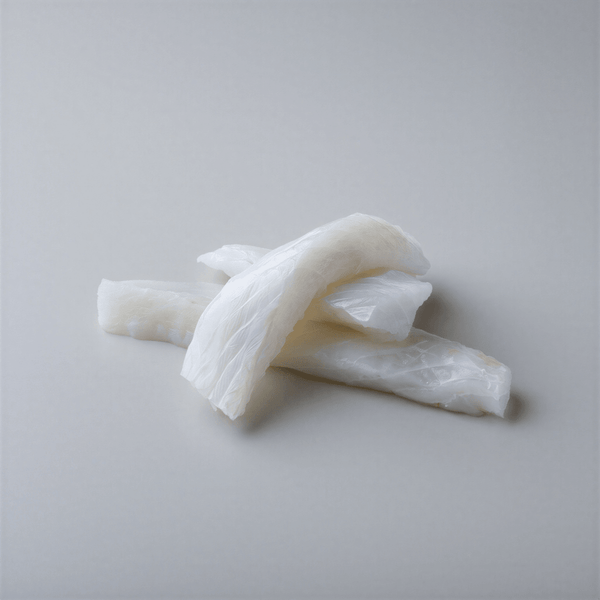
- 300g desalted cod (flaked or shredded — the most practical format)
- If using loin: cook and flake by hand, removing any bones
The Breading
- 2 beaten eggs
- Fine breadcrumbs (Japanese panko for extra crispiness)
- Flour for the first pass
Key proportion: the béchamel/cod ratio should be 70/30. Less cod and you won't taste it; more cod and the mixture falls apart. With the quantities above, cod accounts for 30% of the total weight of the mixture.
Step 1: The Béchamel — The Secret to Texture
Melt the butter over medium heat. When it foams, add all the flour at once and stir with a whisk for 2 minutes (the roux should be blonde, without lumps). Lower the heat.
Add the milk in 3 batches: one-third, stir until thickened. Another third, stir. Final third, stir. This method prevents lumps better than adding it all at once.
The perfect point: the béchamel is ready when, after drawing a spoon across the bottom of the saucepan, the mark takes 3-4 seconds to close. If it closes sooner, it's too runny (add 1 more minute of cooking). If it doesn't close, it's too thick (add a splash of milk).
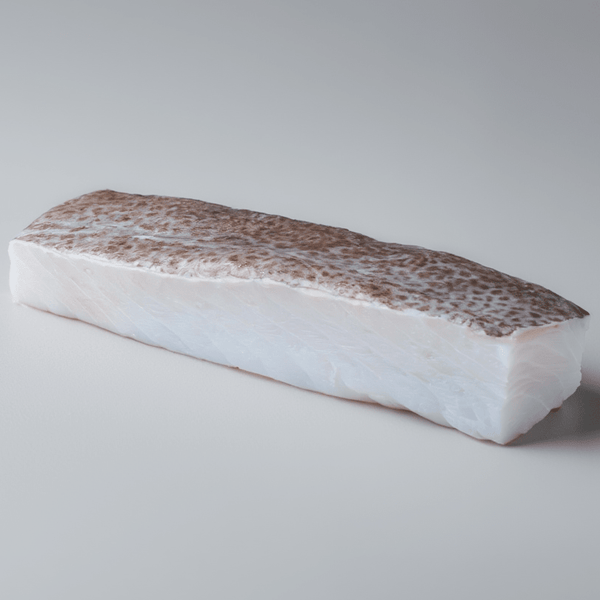
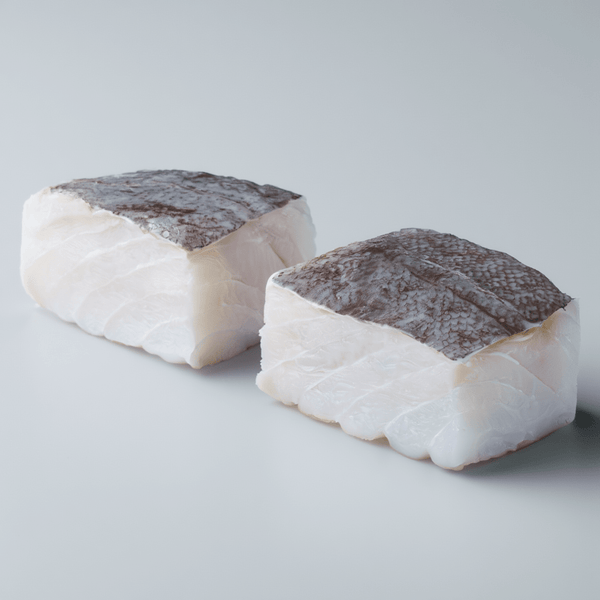
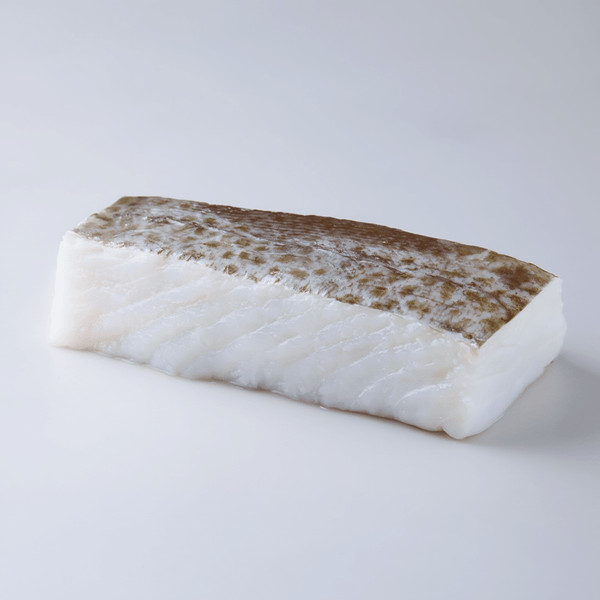
Related Cod Products


Step 2: Incorporating the Cod
Remove the béchamel from the heat. Add the flaked cod and mix with a spatula — not a blender, which would break down the fish fibers. You want to feel pieces of cod when you bite.
Season with white pepper and nutmeg. Be careful with salt: desalted cod still has residual salt. Taste the mixture before adding extra salt — often it doesn't need any.
Pour the mixture onto a tray (not a deep container) to cool quickly. Cover with plastic wrap touching the surface (to prevent a skin from forming). Refrigerate for a minimum of 4 hours, preferably overnight.
Step 3: Shaping and Breading
With slightly damp hands (not wet), shape the croquettes. Ideal size: 5 cm long, 2.5 cm thick. Larger ones don't cook well inside; smaller ones dry out when fried.
The triple breading pass:
- Flour: roll the croquette in flour, shake off excess
- Egg: submerge completely — ensuring no spots are left uncovered
- Breadcrumbs: cover well and press lightly to adhere
Pro tip: do a double pass through egg and breadcrumbs (flour → egg → breadcrumbs → egg → breadcrumbs). This double breading is the secret to croquettes that don't explode when fried.
Step 4: Frying — Temperature and Time
The oil: sunflower oil or mild olive oil (extra virgin smokes at frying temperature). Quantity: enough to completely cover the croquettes.
Temperature: 180°C (350°F). Measure with a thermometer or use the bread test: drop a small piece of bread — if it bubbles immediately without burning, it's perfect.
- Fry in batches of 5-6 croquettes maximum — if you put too many, the oil temperature will drop
- Time: 2-3 minutes, turning them once, until uniformly golden
- Remove onto absorbent paper
Mistakes That Ruin Croquettes
- Béchamel too runny: if the mixture cannot be shaped, it needed more cooking. Solution: reheat, stirring until it thickens.
- Warm mixture when breading: if the mixture is not cold, it will fall apart when handled. A minimum of 4 hours in the fridge.
- Cold oil: below 170°C (340°F), the croquette absorbs fat and becomes greasy.
- Oil too hot: above 190°C (375°F), it browns on the outside and remains cold on the inside.
- Too many at once: the oil temperature drops, and they turn out soggy.
Can They Be Prepared in Advance?
Yes, and it is recommended:
- The mixture: can be made 24-48 hours in advance (better resting = better texture)
- Shaped and breaded: will last 24 hours in the fridge before frying
- Frozen: they freeze perfectly on a tray (without touching). Once frozen, transfer to a bag. Lasts 2-3 months. Fry directly from frozen — add 1 minute to frying time.
Conclusions
- Cod Croquettes: Why They're Tricky: Cod croquettes are one of those dishes everyone thinks they can make until they actually try.
- Exact Proportions for 40-50 Croquettes: Key proportion: the béchamel/cod ratio should be 70/30.
- Step 1: The Béchamel — The Secret to Texture: Add the milk in 3 batches: one-third, stir until thickened.
- Step 2: Incorporating the Cod: Season with white pepper and nutmeg.
- Step 3: Shaping and Breading: Pro tip: do a double pass through egg and breadcrumbs (flour → egg → breadcrumbs → egg → breadcrumbs).
- Step 4: Frying — Temperature and Time: Temperature: 180°C (350°F). Measure with a thermometer or use the bread test: drop a small piece of bread — if it bubbles immediately without burning, it's perfect.
- Can They Be Prepared in Advance?: Yes, but you must desalt it first (24-36 hours for flakes).
Frequently Asked Questions
Can I use salted cod for croquettes?
Yes, but you must desalt it first (24-36 hours for flakes). In fact, many chefs prefer to desalt it themselves to control the exact salt level of the mixture.
How many croquettes per person as a tapa?
As a tapa: 4-5 croquettes. As a shared portion: 8-10. As a main course (with salad): 8-10 per person.
Panko or regular breadcrumbs?
Panko yields a crispier and lighter result. Fine breadcrumbs give a more classic and compact texture. Both work well — it's a matter of preference.
Can they be baked?
Yes, at 200°C (400°F) for 15-20 minutes, turning halfway. They will be less crispy than fried but lighter. Spray with cooking oil before baking for better browning.
→ Prepare it with Bacalalo products: Raw Desalted Cod Croquettes | Extra Desalted Cod Flakes
The perfect cod for your croquettes: cod flakes and shredded cod at Bacalalo.
How long should I let béchamel rest for croquettes?
Considering this, about eight hours is enough for simpler fillings, but if you want your croquettes to be a burst of flavor, you can leave them for twelve hours without worry.
How to thicken béchamel for croquettes?
Melt a tablespoon of butter in a pan and add a tablespoon of flour. Cook for 2-3 minutes, stirring, then gradually add this mixture to your liquid béchamel while stirring. It will thicken evenly and without lumps.
What is the difference between croquettes and croquettes?
Croquettes vs. Croquetas Traditionally, French croquettes have a potato purée-based filling, sometimes mixed with other ingredients, whereas, importantly, Spanish croquettes are typically made with a thick, creamy béchamel sauce mixed with other savory fillings.
→ See our selection of desalted cod from Iceland
Discover more