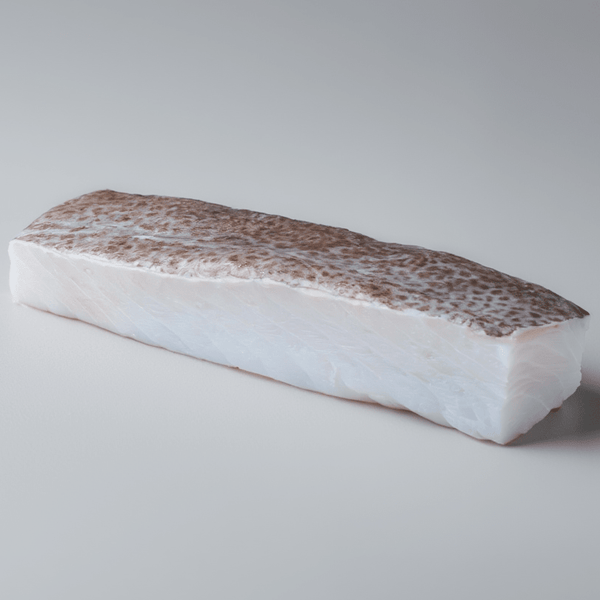
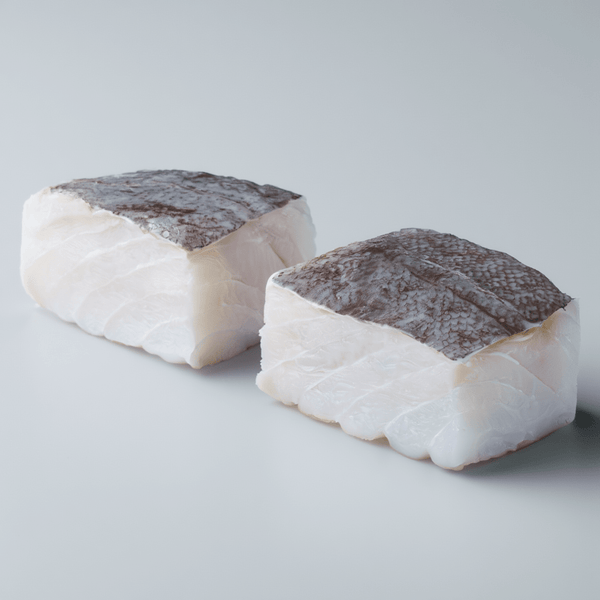
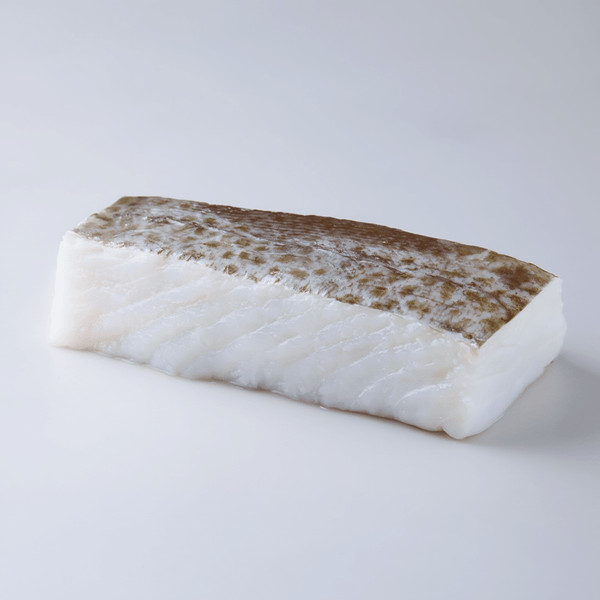
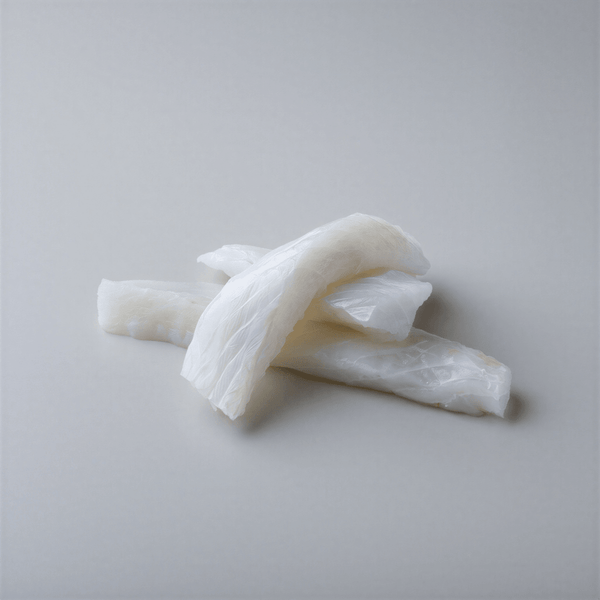
Bacalao a la bilbaína (Bilbao-style cod) is one of the most iconic recipes of Basque cuisine: cod loins slowly confited in olive oil with golden garlic and rehydrated choricero peppers. Its more refined variation, bacalao al Club Ranero, adds roasted bell peppers and a thickened gelatin sauce, making it a more elaborate dish. In this guide, you will find the history of the dish, the step-by-step technique, and all the tricks to achieve a silky sauce without the oil separating.
Table of Contents
- History of Bacalao a la Bilbaína and Club Ranero
- Bilbaína, Vizcaína, and Pil Pil: Key Differences
- Ingredients for 4 servings
- Choricero Peppers: Silent Stars
- Preparation: Soaking and Drying the Cod
- The Low-Temperature Confit Technique
- Step-by-Step Recipe
- Club Ranero Variant: Bell Peppers
- Tips and Common Mistakes
- Pairing: What Wine or Cider to Serve with Cod
- Nutritional Information
- Frequently Asked Questions
History of Bacalao a la Bilbaína and Club Ranero
Cod arrived in the Basque Country with the "arrantzales" —Basque fishermen— who had been fishing in the waters of Newfoundland and Iceland since the 15th century. Salted and dried fish became a currency of exchange and Lenten food, but also the raw material for an "avant la lettre" author's cuisine that we now call "traditional Basque haute cuisine."
The bilbaína as a preparation is documented in 19th-century cookbooks: olive oil, sliced garlic, and the dark, umami flesh of dehydrated choricero peppers. This was how taverns in Bilbao's Old Town served cod on Fridays during Lent. Simple, honest, uncompromising.
The Club Ranero variant is somewhat more recent and bears a proper name. The Sociedad Gastronómica Club Ranero (Club Ranero Gastronomic Society) was founded in Bilbao at the end of the 19th century—some members place it in 1878—as a meeting place for gentlemen fond of cooking and eating well. In these societies, called "txokos," members cooked in shifts and refined classic recipes by adding layers of complexity. Club Ranero elevated the basic bilbaína by incorporating roasted bell peppers, a sauce thickened with the cod's own gelatin, and, in some versions, a touch of fried tomato. The result is a more sumptuous dish than its tavern ancestor, but equally true to the product.
Today, both versions coexist on the menus of pintxos bars and restaurants throughout the Cantabrian coast. The "everyday" bilbaína and the "festive" Club Ranero are, in reality, two moments of the same tradition.
Bilbaína, Vizcaína, and Pil Pil: Key Differences
The three great Basque cod dishes share the same product and the same confit technique, but they differ in the final sauce. Understanding these differences will help you choose which one to prepare based on available time, difficulty level, and desired outcome.
| Characteristic | Bacalao a la Bilbaína | Bacalao a la Vizcaína | Bacalao al Pil Pil |
|---|---|---|---|
| Base sauce | Oil, garlic, choricero pepper | Sautéed onion, tomato, ñoras and choriceros | Oil and cod gelatin emulsion |
| Color | Soft reddish-orange | Intense red, almost maroon | Creamy ivory white |
| Sauce texture | Light-medium, with visible oil | Dense, almost unctuous | Emulsified, very dense |
| Technical difficulty | Low-medium | Medium | High (active emulsification) |
| Total time | 40-50 min | 60-75 min | 50-60 min |
| Choricero pepper | Direct pulp, no long sautéing | Extended sautéing with onion | Not used |
| Festive variant | Club Ranero (+ bell pepper) | With hard-boiled egg and ham | With hake kokotxas |
If you're interested in mastering the most technical version, consult our complete guide on bacalao al pil pil step-by-step, where we explain the rocking motion to emulsify the gelatin without a blender.
Ingredients for 4 servings
The quality of the cod is crucial. For this recipe, you need thick loins, with skin, that have been dry-salted and properly desalted at home. Avoid flakes or scraps: the presentation of the dish depends on the loin maintaining its shape during confiting.
- 4 loins of desalted cod (180-200 g each, with skin)
- 6 dried choricero peppers (or 4 tablespoons of jarred pulp)
- 6 large cloves of garlic
- 200 ml of mild extra virgin olive oil (Arbequina or Hojiblanca variety)
- 1 dried cayenne pepper (optional, for a spicy touch)
- Sea salt to taste (usually not necessary)
- Fresh chopped parsley for garnish
For the Club Ranero version add:
- 2 roasted bell peppers (jarred or roasted at home)
- 1 tablespoon of homemade fried tomato
- 50 ml of the cod soaking water (filtered)
Related Cod Products
Recommended Products
Natural Cod Liver Foie Gras - 120g | Smoked I...
3,90 €
CHATKA Wild King Crab 60% Legs 40% Shredded | ...
95,00 €
Smoked Cod Carpaccio Artisan Cut | 1 Tray Pac...
15,90 €
Dried Cod Kokotxas (1 tray) - 500g
19,95 €
Refrigerated shipping 24-48h to the entire Peninsula
Choricero Peppers: Silent Stars
The choricero pepper (Capsicum annuum) is a sweet and fleshy variety cultivated mainly in Navarre and La Rioja. It is harvested in autumn, strung into garlands, and air-dried for weeks until the skin wrinkles and the color shifts from bright red to dark maroon. Its flavor is deep, smoky, and slightly sweet—without the spiciness of Andalusian ñoras—and it provides a complexity that no powdered paprika can replicate.
Where to buy: In Basque, Navarrese, and Riojan markets, you'll find them hanging in garlands. Outside northern Spain, the best suppliers are gourmet food stores, specialized herbalists, and, of course, online stores for northern products. The already extracted pulp is also sold in glass jars, which is the most convenient option and yields equivalent results.
How to rehydrate dried choricero peppers:
- Open the pepper in half and remove the seeds and stem.
- Submerge them in cold water for at least 2 hours (preferably overnight).
- Drain them and scrape out the pulp with a spoon, discarding the skin.
- If you're in a hurry, you can put them in hot water for 30-40 minutes.
Jarred pulp vs. dried pepper: Jarred pulp is equivalent in flavor if the brand is good. Use 1 heaped tablespoon of pulp for each dried pepper you substitute. Recommended brands: Navarrico, La Chinata, or any artisan Navarrese cannery.
Preparation: Soaking and Drying the Cod
If you're starting with salted cod, desalting is the most important step in the entire recipe. Improperly desalted cod—either too salty or too thoroughly rinsed—will ruin the dish regardless of the cooking technique used.
The standard protocol for thick loins is 48 hours in the refrigerator, changing the water every 8-12 hours. If the loins are thin (less than 2 cm), 24 hours is sufficient. The water should be cold (refrigerator temperature, not room temperature) to prevent the cod from becoming too soft. For more details on the complete process, including quick emergency methods, consult our guide on how to desalt cod quickly and properly at home.
Once desalted, the step that almost no one takes but makes all the difference: thoroughly dry the loins with paper towels, including the skin and sides, and let them rest for 15-20 minutes in the air on a rack before confiting. Surface moisture is the enemy of confiting: it causes the oil to bubble excessively and the skin to detach.
The Low-Temperature Confit Technique
The secret to bacalao a la bilbaína—and any well-executed Basque cod dish—is confit: cooking the cod submerged in olive oil at a temperature between 60 and 70 °C. At this temperature, the fish proteins coagulate gently and progressively, the collagen in the skin transforms into gelatin (which you will then use to thicken the sauce), and the flesh remains moist, juicy, and flaky.
What you should never do is fry the cod. If the oil exceeds 80-90 °C, the cod shrinks violently, expels all its moisture, the flesh dries out, and the skin separates from the loin. The result is tough cod with a watery sauce and cloudy oil.
How to control the temperature without a thermometer: Oil at 60-65 °C produces small bubbles that slowly rise from the edges of the cod. If the bubbles are large and fast, immediately lower the heat. If there are no bubbles at all, raise it slightly. With a kitchen thermometer (an investment of less than €15), control is exact.
Clay pot or frying pan: The clay pot is the traditional and most recommended vessel because it distributes heat evenly and retains it well. A thick-bottomed non-stick frying pan also works. Avoid thin-bottomed stainless steel pots, which create hot spots.
Step-by-Step Recipe
Below is the complete recipe for classic bacalao a la bilbaína. The Club Ranero version is detailed in the next section.
- Rehydrate the choricero peppers in advance (at least 2 hours, preferably overnight). Scrape out the pulp with a spoon and set aside.
- Dry the cod loins with paper towels on all sides. Let them rest for 15 minutes on a rack.
- Heat the olive oil in a clay pot or large frying pan over medium-low heat. Add the sliced garlic to the cold oil (not hot oil) and let it brown very slowly. The goal is a soft golden garlic, never toasted or burned: burned garlic will bitter the entire sauce.
- Remove the garlic when golden and set aside. If using chili, add it with the garlic and remove it at the same time.
- Lower the heat to minimum. The oil temperature should drop to 60-65 °C. Add the choricero pepper pulp and stir gently for 2-3 minutes to integrate it with the oil without frying.
- Place the cod loins with the skin side up (the flesh in contact with the flavored oil). Confit for 8-10 minutes without moving the loins. The oil should bubble very gently.
- Carefully turn them over using a wide spatula. Confit for another 5-6 minutes on the skin side. During this time, you will observe the cod releasing its gelatin, which slightly clouds the oil: this is exactly what you want.
- Remove the loins and place them on the serving plate. Move the pot in gentle circles for 1-2 minutes to lightly emulsify the cod gelatin with the oil and pepper pulp. The sauce will become thicker and more cohesive.
- Pour the sauce over the loins, sprinkle the golden garlic on top, and garnish with fresh chopped parsley. Serve immediately.
Club Ranero Variant: Bell Peppers
The Club Ranero version primarily differs by incorporating roasted bell peppers, which add sweetness, vibrant color, and a soft texture that contrasts with the firm texture of the cod. The sauce is also thickened with a bit more care, aiming for that characteristic unctuousness found in txoko preparations.
Follow all the steps of the base recipe, and in step 8, before emulsifying the sauce, add the bell peppers cut into wide strips and the tablespoon of fried tomato. If the sauce is too thick, incorporate 50 ml of the cod desalting water (previously filtered and not excessively salty) and stir the pot to integrate. The result is a sauce with a brighter red color, slightly sweeter, and with a more velvety texture.
You can roast the bell peppers yourself: place them whole in the oven at 200 °C (390 °F) for 40 minutes, turning them halfway through cooking. Wrap them in aluminum foil for 10 minutes to steam and peel them easily. The flavor is superior to jarred ones, although the latter are perfectly valid for everyday use.
For other classic Basque cod preparations that also use pepper sauces, you might be interested in the recipe for cod in green sauce with clams, another gem of northern cuisine.
Tips and Common Mistakes
These are the points where the recipe most commonly fails, both in home kitchens and in restaurants that don't respect the traditional technique:
- Oil too hot: this is the most common mistake. If the oil smokes or the bubbles are large and fast, the cod fries instead of confiting. Lower the heat and wait 2 minutes before adding the cod.
- Burned garlic: garlic should brown slowly. If it toasts, the bitter taste transfers to all the oil and there's no way to correct it. Always start with cold oil and garlic and heat them together.
- Wet cod: surface moisture causes the oil to splatter, the skin to peel off, and the confit to be uneven. Always dry with paper towels and let it rest before cooking.
- Raw choricero pulp: add the pulp to hot (but not boiling) oil and cook for 2-3 minutes before incorporating the cod. Poorly cooked pulp tastes like raw, acidic pepper.
- Moving the cod: during confiting, the cod should not be moved. It is only turned once. If you move it, it will fall apart.
- Unthickened sauce: if the sauce is liquid and separated (oil floating on top, cod liquid underneath), stir the pot in more vigorous circles. If it doesn't thicken, add a few drops of cold water while stirring: they activate the residual gelatin in the cod to emulsify it.
If you're looking for more recipes to use up cod scraps that aren't perfect for confiting, cod and ham croquettes are an excellent option.
Pairing: What Wine or Cider to Serve with Cod
Bacalao a la bilbaína, with its sauce based on olive oil, garlic, and choricero pepper, calls for a wine with enough body to support the umami of the salted cod and the sweetness of the pepper, but with the necessary acidity to cleanse the palate between bites.
- Txakoli (first option): the quintessential white wine of the Basque Country. Dry, with high acidity, slightly effervescent, and with notes of green lemon and fresh grass. Its acidic zest perfectly cuts through the oil's richness. Txakoli from Getaria (Getariako Txakolina) or Bizkaia (Bizkaiko Txakolina) are the most accessible appellations.
- Aged Rioja Blanco: if the oil has a strong presence or the Club Ranero version (denser) is served, an aged white Rioja—made with Viura or Garnacha Blanca—provides body, balanced acidity, and toasted notes that harmonize with the choricero pepper.
- Albariño (Rías Baixas): an always successful Galician alternative with cod. Its notes of white peach, sea salt, and vibrant acidity complement the salty profile of the cod.
- Natural Asturian or Basque cider: for a more informal and authentic meal, cider provides refreshing acidity and a rustic character that perfectly matches the dish's simplicity.
- Avoid: red wines with a lot of tannin (young Cabernet, very fruity Tempranillo), which clash with the cod protein; sweet wines, which overload the palate.
Nutritional Information
Cod is one of the fish with the best nutritional profile: low in fat, high in quality protein, and rich in vitamin B12 and phosphorus. In this preparation, olive oil adds beneficial monounsaturated fatty acids for cardiovascular health. The following values are approximate per serving (1 loin + sauce).
| Nutrient | Per serving (~280 g) | % NRV* | Main source |
|---|---|---|---|
| Energy | ~390 kcal | 19% | Olive oil + cod |
| Protein | ~42 g | 84% | Cod |
| Total Fat | ~22 g | 31% | EVOO olive oil |
| Saturated Fat | ~3.2 g | 16% | Oil + cod |
| Carbohydrates | ~4 g | 2% | Choricero pepper |
| Sodium | ~480 mg | 21% | Desalted cod (residual) |
| Vitamin B12 | ~2.8 µg | 112% | Cod |
| Phosphorus | ~420 mg | 60% | Cod |
| Potassium | ~780 mg | 39% | Cod + pepper |
*NRV: Nutrient Reference Values for adults (2,000 kcal/day). Approximate values calculated with BEDCA and USDA tables. Sodium varies significantly depending on the level of desalting.
Frequently Asked Questions
What is the difference between bacalao a la bilbaína and bacalao al Club Ranero?
Classic bacalao a la bilbaína uses only olive oil, sliced garlic, and choricero pepper pulp as sauce elements. Club Ranero is an evolution of this recipe, originating in the Bilbao gastronomic society of the same name: it incorporates roasted bell peppers (which add sweetness and bright color), a touch of fried tomato, and sometimes a little of the cod desalting water to thicken the sauce. The result of Club Ranero is more sumptuous, with a fuller-bodied sauce and a more complex flavor profile, although both versions are based on the same low-temperature confit technique. Bacalao a la bilbaína is considered the "everyday" version and Club Ranero the "festive" or special occasion one.
Can I use fresh cod instead of desalted cod?
Technically yes, but the result will be completely different and it won't be an authentic bacalao a la bilbaína. The salting process irreversibly transforms the texture and flavor of the cod: the protein compacts, the flavor intensifies, and a characteristic richness develops that fresh cod does not have. With fresh cod, the sauce will not thicken in the same way because the fish contains less active gelatin. If you want to use fresh cod, consider different preparations such as steamed or grilled cod, which better respect its natural characteristics. For this recipe, invest in a good quality desalted cod loin.
What do I do if the sauce separates or remains liquid?
If the sauce separates (the oil floats and the cod liquid remains underneath), the solution is to apply more circular motion to the pan off the heat. If that's not enough, add a few drops of cold water or the cod desalting water (filtered) while moving the pan in circles: the water activates the residual gelatin in the cod and acts as a natural emulsifier. If the sauce is very liquid, you can reduce it slightly over very low heat (55-60 °C) for 2-3 minutes. The most common error that causes the sauce to separate is cooking the cod at too high a temperature, which causes it to expel water before releasing the gelatin.
Can I substitute choricero pepper with paprika or ñoras?
Ñoras are the closest substitute: they are also dried sweet peppers, though of a different variety and with a slightly different flavor profile (less deep, more fruity). Use 2 ñoras for every choricero pepper. Sweet powdered paprika is not an equivalent substitute: it provides color but not the texture, body, or aromatic complexity of hydrated pulp. If you use paprika, use no more than half a teaspoon and combine it with a little fried tomato to approximate the flavor. The result will be acceptable but you will lose the authenticity of the dish. Ideally, always have a reserve of dried choricero peppers or jarred pulp in your pantry.
How long can I store bacalao a la bilbaína?
Bacalao a la bilbaína can be stored in the refrigerator for up to 2 days in an airtight container with the sauce covering the loins. To reheat, always do so over very low heat in the same pan, adding a tablespoon of water if the sauce has gelled from the cold, and gently moving the pan in circles to reintegrate the emulsion. The microwave is not recommended because uneven heating dries out the edges of the loin and breaks the texture achieved by confiting. Freezing is not recommended: confited cod loses its flaky texture after freezing and thawing, becoming fibrous and dry.
How do I know the cod is perfectly cooked without a thermometer?
Perfectly confited cod has flesh that separates into flakes easily when pressed with a finger, but still maintains cohesion and doesn't fall apart on its own. The color of the flesh will have changed from translucent to pearly white in the outer two-thirds, retaining a slight pearly tone in the center. Another indicator is the gelatin: you'll notice that the cod has released a slightly viscous liquid that clouds the oil, a sign that the collagen has transformed correctly. If the flesh separates into threads and the center is completely white and dry, you've overcooked it.
What side dish best accompanies bacalao a la bilbaína?
The most traditional and appropriate side dish is boiled or confit potatoes: their softness and neutrality allow the cod sauce to be the star. White rice also works very well, absorbing the choricero pepper sauce elegantly. If you're looking for something more modern, roasted piquillo peppers or a seasonal vegetable medley are excellent accompaniments. What to avoid are side dishes with very strong flavors (salads with vinegar, bitter unblanched vegetables) that compete with the delicate balance of the sauce. For other ideas of cod and potato combinations, consult our recipe for cod with potatoes in stew or oven.
Is choricero pepper the same as Pimiento de la Vera?
No, although both are dried red peppers, they are distinct varieties with very different flavor profiles. The choricero pepper is sweet, fleshy, and has a deep, clean flavor; it is used fresh to extract the pulp. Pimiento de la Vera (or La Vera paprika) is a dried pepper that is smoked over oak or holm oak wood before being ground, which gives it its characteristic smoky aroma. In powdered form, it is used as a seasoning. For authentic bilbaína, you need choricero pulp or, failing that, ñora pulp; Pimiento de la Vera powder would impart a smoky profile that does not correspond to this Basque recipe.
Can I make bilbaína in an air fryer or oven?
An air fryer is not suitable for this recipe: the dry hot air cooking system is the opposite of confiting in oil, and the result would be dry cod without the characteristic sauce. A conventional oven also does not replicate the confit of bilbaína, although it can be used to heat the dish at the end. If you want oven-baked cod with peppers, there is a different preparation—gratin cod—that is better suited to that method. For authentic bilbaína, a clay pot over gas or induction heat at a controlled temperature is irreplaceable. The confit technique requires oil as a heat transfer medium: without oil, there is no bilbaína.
What olive oil is best for confiting cod?
For confiting, a mild-flavored extra virgin olive oil is recommended, meaning one with a low polyphenol content and no pronounced bitter or spicy notes. Arbequina and Hojiblanca varieties are ideal: they have a more neutral and elegant flavor profile than a very pungent Picual variety oil, which could overpower the delicate taste of the cod. Do not use refined olive oil (pomace oil) because it has less flavor; nor seed oils, which do not contribute the character of olive oil. The amount of oil may seem excessive, but it is the cooking medium: after confiting, the oil infused with gelatin and choricero pepper is precisely the dish's sauce.
Can I prepare bilbaína in advance for a dinner party?
Yes, with the right strategy, it's perfectly possible. The most practical approach is to prepare all the base elements in advance: rehydrate the choricero peppers the night before, roast the bell peppers (if making the Club Ranero version) a few hours ahead, desalt the cod 48 hours in advance, and brown it in oil with garlic and chili several hours beforehand. Just before serving, heat the flavored oil to 60 °C, confit the loins for the necessary 13-15 minutes, and finish the sauce. This way, the preparation work is done, and you only dedicate the last 20 minutes to the actual cooking, which requires attention but is quick. Confit cod should never be prepared days in advance and reheated repeatedly.
Is bacalao a la bilbaína a suitable dish for celiacs and those with gluten intolerance?
In its traditional version, yes: the basic ingredients of bacalao a la bilbaína (cod, olive oil, garlic, choricero pepper, chili) are naturally gluten-free. However, two points need verification: jarred choricero pepper pulp may contain thickeners or additives with gluten depending on the brand, so it is essential to read the label; and desalted cod from delis or fishmongers could have been in contact with other products. If the cod is purchased from a certified source and the choricero pulp is from a gluten-free certified brand, the dish is completely suitable for celiacs. For individuals with restrictions, it is always advisable to check the labeling of each ingredient individually.
Related Guides
- Bacalao al pil pil: step-by-step Basque recipe
- Bacalao à Brás: original Portuguese recipe
- Navarrese Ajoarriero Cod
- 15 recipes with desalted cod
- Cod and chickpea stew: traditional recipe
- Cod meatballs in homemade sauce
- Cod migas: leftover recipes
To prepare this recipe with the best available cod, discover our selection of premium desalted cod and our range of salted cod for those who prefer to control the desalting at home. Bacalalo has been selecting the best cod from the North Atlantic since 1990 for Mercat del Ninot and for homes throughout Spain.
Products that might interest you