Zarzuela is the great seafood stew of Catalan cuisine: a combination of fish and shellfish cooked in a base of sofrito, tomato, white wine, and an almond picada. It is a celebratory dish that originated in the ports of the Costa Brava and is now served in the best restaurants on the Mediterranean. I’ll give you the traditional step-by-step recipe with the tricks that separate a good zarzuela from an extraordinary one.
Contents
- What is fish zarzuela?
- Origin and history of zarzuela
- Ingredients for the traditional recipe
- The base: Catalan sofrito
- Step-by-step recipe
- The picada: the secret of zarzuela
- Table of cooking times per ingredient
- What fish and seafood to use
- Zarzuela variations
- Zarzuela vs. suquet: the differences
- Frequently asked questions
- Conclusion
What is fish zarzuela?
Updated March 2026. Since 1990, we have hand-selected every product. This guide reflects that experience.
Zarzuela is a festive seafood stew, typical of Catalan cuisine, that combines various types of fish and shellfish in a sauce made with sofrito, tomato, white wine, brandy, and an almond, garlic, and parsley picada. Its name comes from "zarzuela" as a musical genre (a mix of elements), reflecting the variety of ingredients it contains.
Unlike other seafood stews (such as suquet or caldereta), zarzuela is distinguished by:
- Variety: it contains at least 3-4 different types of fish and seafood.
- Flaming with brandy: a step that adds aromatic depth.
- The picada: the mixture of almonds, garlic, parsley, and sometimes fried bread that thickens and flavors the sauce.
- Presentation: it is served in the same earthenware pot, with the whole pieces visible.
It is a celebratory dish, not an everyday one. Zarzuela is prepared when there is something to celebrate and a desire to cook with care. It is the Mediterranean equivalent of paella, but as a stew.
Origin and history of zarzuela
Zarzuela has its roots in the seafood stews of Catalan fishermen, who cooked less commercial fish (the ones they didn't sell) in large pots with whatever they had on hand: tomato, garlic, olive oil, and wine.
The name "zarzuela" appears documented in 19th-century Catalan gastronomy, when the dish moved from fishermen's shacks to Barcelona's restaurants. The "luxury" version added expensive seafood (lobster, Norway lobster, prawns) and was flamed with brandy, turning it into a celebratory dish.
The modern zarzuela is, therefore, an elevation of the humble seafood stew to a category dish. The base is the same: sofrito, fish, fish stock. What changes is the quality and variety of the ingredients.
Ingredients for the traditional recipe (4-6 servings)
Fish (choose 3-4)
- 400 g monkfish (in thick slices, with bone)
- 400 g hake (in slices)
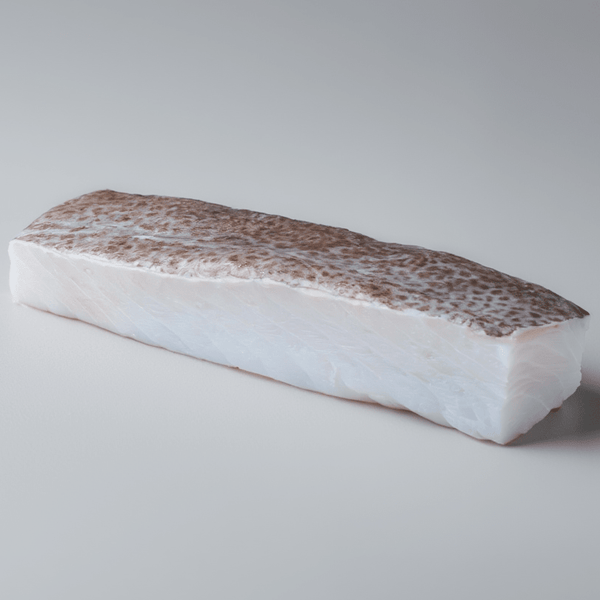
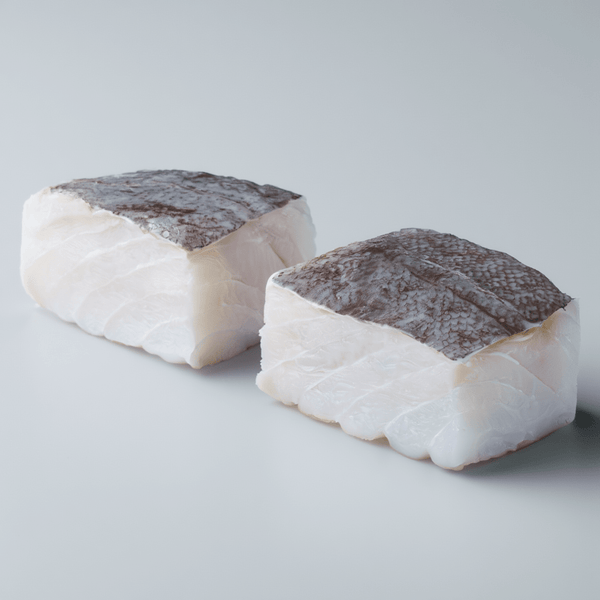
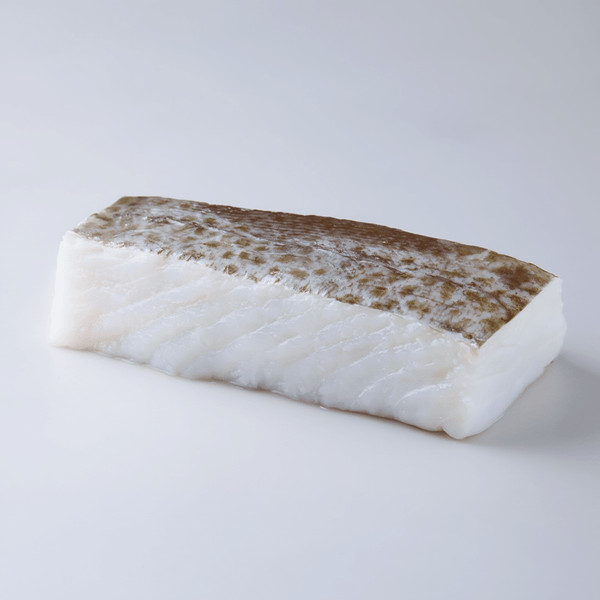
- 300 g desalted cod (in large chunks, optional)
- 200 g red mullet (whole or filleted)
Seafood (choose 3-4)
- 8 large prawns or shrimp
- 500 g mussels
- 300 g clams
- 4 Norway lobsters (optional, for luxury version)
- 200 g squid (in rings)
For the sofrito
- 1 large onion, finely chopped
- 4 ripe tomatoes, grated (or 400 g crushed tomatoes)
- 4 cloves garlic, minced
- 1 green pepper (optional, brunoise)
- 100 ml extra virgin olive oil
For the sauce
- 150 ml dry white wine
- 50 ml brandy
- 500 ml fish stock (or mussel broth)
- 1 bay leaf
- A pinch of saffron (4-5 threads)
- Salt and pepper
For the picada
- 20 toasted almonds
- 2 cloves garlic
- A bunch of fresh parsley
- 1 slice of fried bread (optional)

Natural Clams 20/30 Rías Gallegas Dardo Premium Preserves - 120ml
Selection of fresh and frozen seafood from the Atlantic and Mediterranean. The quality of the seafood defines the zarzuela. Refrigerated shipping with guaranteed cold chain.
The base: Catalan sofrito
Sofrito is the soul of zarzuela. A good sofrito needs time: a minimum of 20-25 minutes over medium-low heat. There are no shortcuts.
- Heat the oil in a wide earthenware or cast-iron pot over medium heat.
- Sauté the onion for 10-12 minutes until translucent and beginning to brown. Do not burn it.
- Add the garlic and green pepper (if using). Sauté for 3 more minutes.
- Add the grated tomato. Slightly increase the heat and cook for 10-12 minutes, stirring occasionally, until all the water has evaporated from the tomato and it darkens (this is called "the sofrito is done" when the oil separates from the tomato).
- Add the saffron and bay leaf. Stir for 1 minute to release their aroma.
A good sofrito is dark, concentrated, and smells of tomato caramel. If it is light and watery, it needs more time.
Step-by-step recipe
Step 1: Prepare the ingredients (15 minutes)
- Clean the mussels and clams: remove the beards from the mussels and place the clams in salted water for 30 minutes to release any sand.
- Cut the fish into 3-4 cm portions. Salt them lightly.
- Peel the prawns (reserve the heads and shells for the fish stock). The Norway lobsters go in whole.
- Cut the squid into 1 cm rings.
Step 2: Open mussels and clams (5 minutes)
In a separate pot, place the mussels and clams with half a glass of white wine over high heat, covered. They will open in 3-5 minutes. Remove them when open (discard any that don't open). Strain the resulting broth and set aside: it's liquid gold for the sauce.
Step 3: Sear the fish (5 minutes)
In the pot where you made the sofrito, raise the heat and sear the fish pieces and prawns/Norway lobsters on both sides, 1 minute per side. They don't need to cook through, just sear. Remove and set aside.
Step 4: Flame with brandy
With the pot still hot, add the brandy. Tilt the pot towards the flame (or use a long lighter) to flame it. The flames will extinguish in 5-10 seconds. This step removes the alcohol and leaves a smoky, complex aroma.
Step 5: Build the sauce (10 minutes)
- Add the remaining white wine to the sofrito. Reduce for 2 minutes.
- Add the fish stock and mussel broth. Bring to a boil and cook for 8-10 minutes over medium heat to reduce and concentrate.
Step 6: The picada
While the sauce is reducing, prepare the picada: crush the toasted almonds, raw garlic cloves, parsley, and fried bread in a mortar (or briefly blend in a food processor). It should be a coarse paste, not a fine cream.
Add the picada to the sauce and stir. The picada thickens the sauce and gives it its definitive character.
Step 7: Assemble the zarzuela (5 minutes)
- First, add the squid (they need 3-4 minutes).
- After 2 minutes, place the seared fish pieces. Distribute them well so that they are all partially submerged.
- After 3 minutes, add the prawns, Norway lobsters, and the opened mussels and clams.
- Cook for 2-3 more minutes. Do not stir excessively: gently shake the pot, do not use a spoon (so that the fish does not break apart).
Step 8: Serve
Remove from heat and let rest for 2 minutes. Sprinkle with fresh chopped parsley. Serve in the same pot with crusty bread for dipping in the sauce.
The picada: the secret of zarzuela
The picada is what separates a zarzuela from a generic fish stew. It is a centuries-old Catalan technique that acts as a thickener, flavoring agent, and flavor enhancer all at once.
| Picada ingredient | Function |
|---|---|
| Toasted almonds | Thicken the sauce and add texture and sweetness |
| Raw garlic | Intense aroma (different from cooked garlic in sofrito) |
| Fresh parsley | Freshness and green color |
| Fried bread (optional) | Additional thickener, body |
| Saffron (optional) | Golden color, unique aroma |
It is added at the end of the sauce cooking (before assembling the fish) so that it integrates without losing the freshness of its raw ingredients.
Table of cooking times per ingredient
| Ingredient | Time in sauce | When to add | Indicator |
|---|---|---|---|
| Squid (rings) | 3-4 min | First | White and opaque |
| Monkfish (thick slices) | 4-5 min | With squid | Opaque, firm to touch |
| Hake / Cod | 3-4 min | 2 min after monkfish | Flakes separate easily |
| Prawns / Norway lobsters | 2-3 min | 3 min before the end | Pinkish/orange |
| Mussels (already opened) | 1-2 min | At the end (just to heat) | Hot |
| Clams (already opened) | 1-2 min | At the end (just to heat) | Hot |
The rule: each ingredient has its moment. Adding them in the correct order ensures that everything is perfectly cooked and nothing turns rubbery or falls apart.
What fish and seafood to use
Zarzuela allows for a lot of flexibility, but some combinations work better:
Ideal fish
- Monkfish: the essential ingredient. Its firm flesh holds up perfectly to cooking and adds body.
- Hake: softer texture, good contrast with monkfish.
- Desalted cod: adds gelatin to the sauce, deep flavor.
- Red mullet: intense flavor, different texture.
- Sea bass or sea bream: for luxury versions.
Ideal seafood
- Large prawns or shrimp: visual presence, flavor.
- Mussels: flavor, broth, and presence.
- Clams: excellent broth, tender texture.
- Norway lobsters: for the festive version.
- Squid: different texture, absorbs sauce flavor.
Natural Clams 20/30 Rías Gallegas Dardo Premium Preserves - 120ml
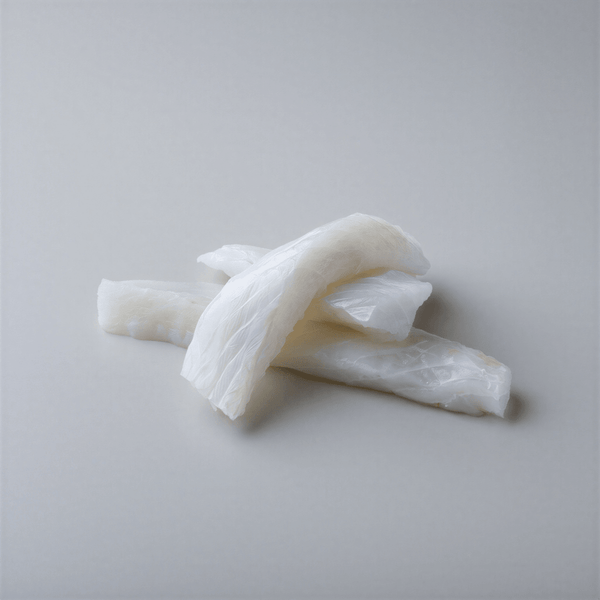
Thick chunks of desalted Norwegian cod that add natural gelatin to the zarzuela sauce and a deep flavor that no other fish has. Special cut for stews.
Zarzuela variations
- Luxury zarzuela: with lobster, European lobster, and Norway lobsters. The sofrito is made with the coral from the heads. A dish costing 60-80 euros in ingredients but feeds 6-8 people.
- Economical zarzuela: monkfish, mussels, squid, and frozen shrimp. Equally delicious if the sofrito and picada are well made.
- Zarzuela with noodles: a fusion with fideuà. Thick noodles are added to the sauce before the fish and allowed to absorb the broth. More substantial.
- Baked zarzuela: the zarzuela is assembled in a dish, partially covered with sauce, and baked at 200 degrees for 15-20 minutes. Different but interesting.
Zarzuela vs. suquet: the differences
| Characteristic | Zarzuela | Suquet de peix |
|---|---|---|
| Ingredients | Multiple fish + seafood (3-6 types) | 1-2 fish, few shellfish |
| Base | Elaborate tomato sofrito | Lighter sofrito, potato |
| Picada | Yes, with almonds (essential) | Optional, simpler |
| Brandy/flaming | Yes | No (only white wine) |
| Potato | Usually not | Yes (key ingredient) |
| Spirit | Celebration, luxury | Seafaring, humble |
| Origin | Barcelona / Costa Brava | Costa Brava, seafaring |
If you're interested in suquet, we have a complete suquet de peix recipe.
Frequently asked questions
What is fish zarzuela?
Zarzuela is a festive seafood stew from Catalan cuisine that combines various types of fish and seafood (monkfish, hake, prawns, mussels, clams, squid) cooked in a sauce made with tomato sofrito, white wine, flamed brandy, and an almond, garlic, and parsley picada. It is served in an earthenware pot as a celebratory dish.
How long does it take to make a zarzuela?
About 60-75 minutes in total: 25 minutes for the sofrito, 10 minutes to prepare and sear the ingredients, 10 minutes for the sauce, and 10-15 minutes for the final assembly. Plus 15 minutes of prior preparation (cleaning seafood, cutting fish). It is a dish that requires time but is not technically difficult.
Can zarzuela be made with frozen fish?
Yes, it works reasonably well because it's a stew with a rich sauce that masks the slightly softer texture of frozen fish. The most important thing is the sauce (sofrito + picada). Be sure to defrost the fish in the refrigerator and pat it dry before searing.
What is the difference between zarzuela and suquet?
Zarzuela is more festive: it features multiple fish and seafood, an elaborate sofrito, flambéed brandy, and an almond picada. Suquet is more humble: 1-2 fish, potato, a lighter sofrito, and no brandy. Zarzuela is for celebrations, suquet is for sailors.
How much does it cost to make a zarzuela?
It depends on the ingredients. An "economical" zarzuela (monkfish, squid, mussels, frozen shrimp) can cost 25-35 euros for 4-6 people. A luxury version withNorway lobster, fresh prawns, and a variety of fish can reach 60-80 euros. In both cases, the cost per person is reasonable for a festive main dish.
Can zarzuela be prepared in advance?
The sofrito and picada can be prepared the day before (they even improve with resting). The fish and seafood should be cooked at the last minute. You can have everything prepared and ready to assemble 15 minutes before serving.
What wine pairs with zarzuela?
A full-bodied white wine: a Catalan Chardonnay, a Galician Godello, or a Rioja Viura with aging. A rosé with structure also works. Avoid overly light whites (they are overwhelmed by the intensity of the sauce) and reds (they compete with the seafood flavor).
Conclusions
Zarzuela is the grand celebratory dish of Catalan seafood cuisine. It requires time, good ingredients, and knowing the cooking order of each component, but it's not technically difficult. If you know how to make a good sofrito and respect the timings, the result is spectacular.
Two infallible tips: invest time in the sofrito (at least 20 minutes) and don't skip the picada (almonds + garlic + parsley). These are the two elements that transform a generic fish stew into an authentic zarzuela.