Codfish meatballs are tender and juicy bites of shredded cod mixed with potato, egg, garlic, and parsley, lightly breaded and served in a green or tomato sauce. They are prepared in 45 minutes, yield 4 generous servings, and are perfect for utilizing leftover pieces or flakes of desalted cod.

What are codfish meatballs: origin and tradition
Codfish meatballs are a traditional recipe from Spanish and Portuguese cuisine born out of the need to make the most of desalted cod. Unlike cod fritters or croquettes, meatballs have a more compact and juicy texture because the dough is formed by hand and cooked in sauce, absorbing all the flavors of the stew.
In the Basque Country, they are commonly served in a green sauce with clams. In Catalonia and Levante, homemade tomato sauce predominates. In Portugal, "bolinhos de bacalhau" are fried without sauce and served as an appetizer. All versions share a common denominator: shredded cod, a binder (potato or bread), and egg.
The best thing about this recipe is that it allows you to make use of the less prized parts of the cod — trimmings, flakes, thin areas — transforming them into gourmet bites. It's an anti-waste recipe par excellence.
Ingredients for codfish meatballs (4 servings)
| Ingredient | Quantity | Notes |
|---|---|---|
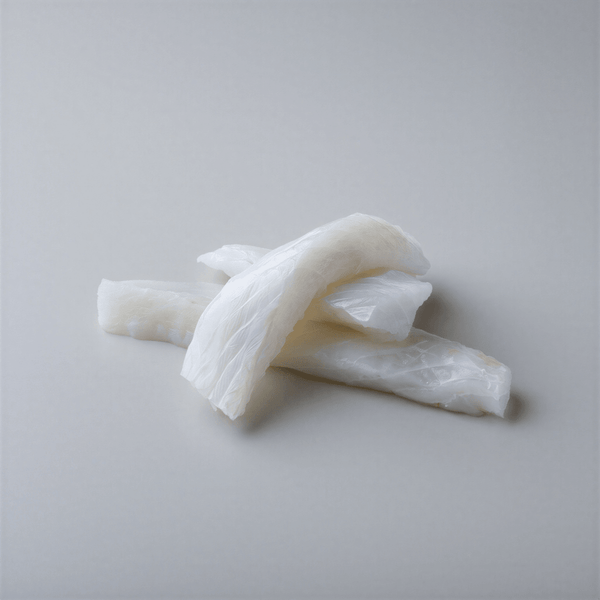
| Desalted and shredded cod | 400 g | Well-drained and boneless |
| Cooked potato | 200 g (1 medium) | Floury type (Kennebec) |
| Eggs | 2 units | 1 for dough + 1 for breading |
| Finely chopped garlic | 2 cloves | — |
| Fresh parsley, chopped | 3 tablespoons | Leaves only |
| Wheat flour | 4-5 tablespoons | For breading |
| Extra virgin olive oil | For frying + 4 tbsp for sauce | — |
| Salt and pepper | To taste | Careful: cod is already salty |
Ingredients for the green sauce: 1 small onion, 2 cloves of garlic, 200 ml fish broth, 100 ml white wine, 2 tablespoons flour, a large handful of fresh parsley, and 4 tablespoons extra virgin olive oil.
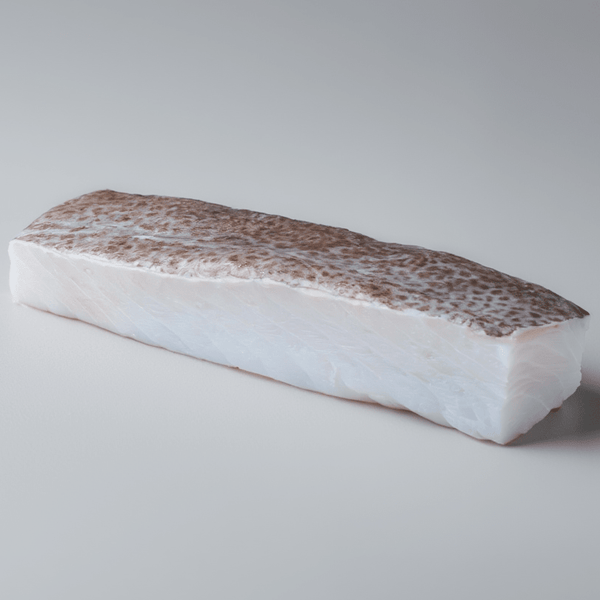
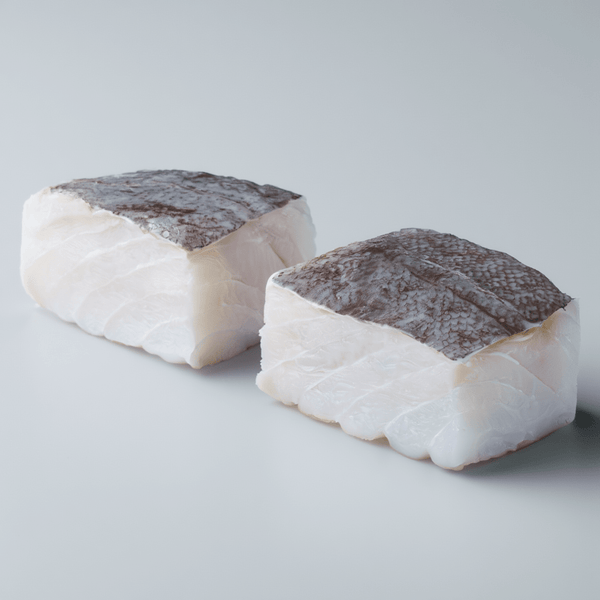
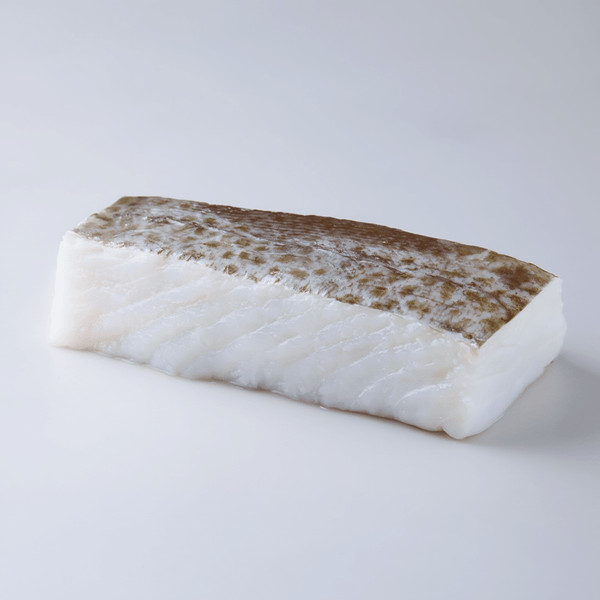
If you're looking for cod that's already desalted and ready to cook, in our desalted cod collection you'll find selected pieces directly from the producer that greatly facilitate preparation.
Step-by-step recipe: codfish meatballs
Step 1: Prepare the dough (10 minutes)
If the cod is not already shredded, desalt the cod correctly and shred it with your hands, removing all bones and skin. You can also directly use prepared shredded cod dough, which saves a lot of time.
Boil the potato with skin in salted water for 20-25 minutes. Peel it while hot and mash it with a fork until it forms a coarse purée (do not use a blender: it would become gummy).
In a large bowl, mix the shredded and well-drained cod, mashed potato, 1 beaten egg, minced garlic, and parsley. Knead with your hands until you get a homogeneous mixture that comes off your fingers. If it's too wet, add a tablespoon of flour.
Step 2: Form the meatballs (5 minutes)
With slightly damp hands, form balls of about 35-40 g (the size of a large walnut). You should get about 20-24 meatballs. Place them on a tray and let them rest in the refrigerator for 10 minutes to firm up.
Step 3: Bread and fry (10 minutes)
Beat the second egg in a deep dish. Roll each meatball first in flour, shake off the excess, and then in beaten egg. Fry in abundant hot olive oil (170-180 °C) for 2-3 minutes until golden brown on all sides. Drain on absorbent paper.

Important: Do not flatten the meatballs when forming them. The spherical shape ensures even cooking and maintains inner juiciness.
Step 4: Cook in sauce (20 minutes)
Prepare the green sauce in the same pan or a casserole: sauté the finely chopped onion in olive oil for 5-6 minutes. Add the sliced garlic, cook 1 minute more. Sprinkle in the flour, stir for 1 minute. Pour in the white wine and let the alcohol evaporate for 2 minutes. Add the hot fish broth, mix well, and let it thicken over medium heat for 3-4 minutes.
Carefully add the fried meatballs to the sauce. Cook over low heat for 15-20 minutes, covered, gently shaking the casserole (without stirring with a spoon, to avoid breaking them). Add the chopped parsley in the last 2 minutes. The sauce should be slightly thickened and partially cover the meatballs.
Green sauce for codfish meatballs
Green sauce is the classic Basque accompaniment for codfish meatballs. Its base is simple but requires technique:
- Sauce base: sautéed onion + garlic + toasted flour + white wine + fish broth
- Color and flavor: a generous bunch of fresh parsley chopped at the end (never at the beginning, or it loses color)
- Texture: it should be silky and slightly thick, never pasty. If it thickens too much, add hot broth by the spoonful
- Optional premium: a few steamed open clams in the last 5 minutes elevate the dish to restaurant quality
The trick is the rocking motion of the casserole during cooking: this circular movement causes the cod gelatin to mix with the sauce, thickening it naturally without the need for additional thickeners.
Variation: codfish meatballs in tomato sauce
In Catalan and Levantine tradition, codfish meatballs are served in homemade tomato sauce:
- Sauté 1 finely chopped onion in olive oil for 8-10 minutes over medium-low heat
- Add 2 minced garlic cloves and cook for 1 minute
- Stir in 500 g of natural crushed tomatoes (or 6 ripe tomatoes, peeled and chopped)
- Add 1 teaspoon of sugar, salt, pepper, and a bay leaf
- Cook for 20 minutes over low heat until it thickens
- Add the fried meatballs and cook for 15 more minutes over low heat
This version is more substantial and pairs wonderfully with white rice or crusty bread for dipping.
Tips for tender and juicy meatballs

| Problem | Cause | Solution |
|---|---|---|
| Dry meatballs | Too much flour or excessive cooking | Less flour, more potato. Max 20 min in sauce |
| Fall apart when frying | Dough too wet or oil too cold | Drain cod well. Oil at 170-180 °C |
| Bland flavor | Cod poorly desalted (excessive soaking) | Taste the cod before mixing |
| Too salty flavor | Cod not sufficiently desalted | 48-72 h desalting, change water every 8 h |
| Gummy texture | Potato pureed with a blender | Always mash with a fork, never blend |
The ultimate secret: the ideal ratio is 2 parts cod to 1 part potato. If you add more potato, the meatballs will be heavy. If you add less, they will fall apart. With 400g of cod and 200g of potato, you get the perfect texture: tender inside, firm outside.
Nutritional value (per serving of 5-6 meatballs)
| Nutrient | Quantity | % DV |
|---|---|---|
| Calories | 380 kcal | 19% |
| Protein | 32 g | 64% |
| Fats | 18 g | 23% |
| Carbohydrates | 22 g | 8% |
| Omega-3 | 0.4 g | — |
| Sodium | 680 mg | 28% |
Cod is one of the leanest protein sources in the marine world: barely 0.7 g of fat per 100 g in its natural state. The meatballs absorb some oil from frying, but cooking them in sauce keeps them within a very reasonable caloric range for a complete main dish.
Popular variations of codfish meatballs
- Codfish meatballs with shrimp: Add 100 g of chopped peeled shrimp to the dough. The seafood adds a sweet note that complements the cod.
- Codfish meatballs without potato (with bread): Substitute the potato with 80 g of breadcrumbs soaked in milk and squeezed dry. Lighter texture.
- Baked codfish meatballs: Instead of frying, place them on a greased baking sheet and bake at 200 °C for 15-18 minutes, turning halfway through. Lighter version (reduces 100 kcal per serving).
- Frozen cod meatballs: You can use defrosted and well-drained frozen cod, although the texture will be slightly less firm.
- Mini meatballs (appetizer): Form 15g balls and serve them with toothpicks and aioli sauce. Perfect for tapas or starters.
Storage and reheating
Codfish meatballs keep perfectly and, like all stews, improve from one day to the next:
- Refrigerator: 3-4 days in an airtight container, submerged in their sauce
- Freezer: Up to 3 months. Freeze fried meatballs WITHOUT sauce on a tray (separated). Once frozen, transfer them to a bag. Freeze the sauce separately
- Reheating: Always over low heat in a casserole with the sauce, never directly in the microwave (it dries them out). If using a microwave, cover with plastic wrap and add a tablespoon of broth
🛒 Products used in this recipe
⭐ 4.9/5 · 24-48h chilled delivery · Since 1990 at Mercat del Ninot
Conclusion
Cod fishcakes are one of those recipes that prove that resourceful cooking can be extraordinary. With quality shredded cod, the right proportion of potato (2:1), and a good green or tomato sauce, you get a dish that works as a tapa, starter, or main course.
The key is not to overwork the mixture, fry at the correct temperature, and let the sauce work its magic during those 15-20 minutes of gentle simmering. If you want the best result with minimal effort, use pre-desalted and shredded cod — it saves you the longest step and the result is identical.
Desalted cod ready for your fishcakes
At Bacalalo, we select premium quality desalted cod, ready to cook. View desalted cod collection →
Frequently asked questions about cod fishcakes
Can cod fishcakes be made without potato?
Yes. Replace the potato with 80g of breadcrumbs soaked in milk and well-drained. Another alternative is to use 100g of thick, cold béchamel sauce as a binder. The texture will be slightly different (lighter with bread, creamier with béchamel) but it works perfectly.
How long does it take to make cod fishcakes?
Approximately 45 minutes: 10 minutes preparing the mixture, 5 minutes forming the fishcakes, 10 minutes frying, and 20 minutes simmering in sauce. If you use pre-desalted and shredded cod, you can save another 10-15 minutes of preparation.
Why do my cod fishcakes turn out dry?
The most common causes are: too much flour in the mixture, frying for too long (maximum 2-3 minutes), or excessive cooking in the sauce (maximum 20 minutes over low heat). The 2:1 cod-to-potato ratio and not overcooking are key to keeping them juicy.
Can cod fishcakes be frozen?
Yes, they last up to 3 months in the freezer. Freeze them fried but without sauce, separated on a tray. Once frozen, transfer them to a freezer bag. The sauce can be frozen separately. To serve, defrost the sauce, heat it, and add the frozen fishcakes directly — they'll be ready in 15 minutes.
How many fishcakes does this recipe yield?
With 400g of cod and 200g of potato, you'll get approximately 20-24 medium-sized fishcakes (35-40g each), enough for 4 generous servings of 5-6 fishcakes per person.
Is green sauce or tomato sauce better for cod fishcakes?
It depends on the context. Green sauce is lighter and lets the cod flavor shine — ideal as a starter or in summer. Tomato sauce is heartier and pairs better as a main course with rice or potatoes. Both are equally traditional; they simply correspond to different regions of Spain.
Can I bake cod fishcakes instead of frying them?
Yes. Place the formed fishcakes on a baking sheet with greased parchment paper. Brush them with olive oil and bake at 200°C for 15-18 minutes, turning them halfway through cooking. They won't be as golden as fried ones, but you save about 100 kcal per serving and they are still delicious.
What's the difference between cod fishcakes and cod fritters?
Fishcakes use cooked potato as a binder, are shaped by hand, and finished in sauce. Fritters use a choux pastry-like dough (flour + water + egg), are fried directly, and served without sauce. Fishcakes are juicier and more tender; fritters are crispier and fluffier.
Are cod fishcakes suitable for children?
Yes, they are an excellent way for children to eat fish without noticing the texture they sometimes reject. Being shredded and mixed with potato, the flavor is mild. Control the salt (the cod already provides some) and opt for the baked version for younger children. Suitable from 12 months (without added salt).
What type of cod is best for making fishcakes?
For fishcakes, you don't need the best loins — this recipe is actually perfect for using up scraps, tails, or shredded cod. If you buy whole pieces, reserve the loins for other recipes and use the thinner parts for the fishcakes. The important thing is that it is well desalted and completely shredded.
About the author: Marc González Sáez has run Bacalalo.com from Mercat del Ninot in Barcelona since 1990, selecting premium cod and preserves. Every recipe is tested in our kitchen and adapted so you can achieve professional-level results at home.