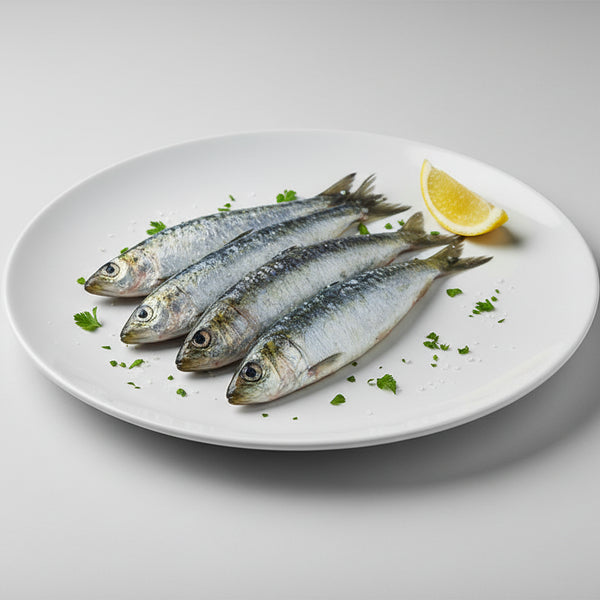


Summary: Canned sardines are one of the most nutritious, versatile, and underrated preserved foods in Spanish gastronomy. In this comprehensive guide, we analyze the six main types, compare the best Spanish and Portuguese brands, explain how to read a label to distinguish quality, explore the phenomenon of vintage sardines, and offer quick recipes to make the most of them.
Table of Contents
- Why Canned Sardines Deserve More Attention
- Types of Canned Sardines
- How to Read a Sardine Can Label
- Best Canned Sardine Brands
- Vintage Sardines: The Art of Aging Preserves
- Complete Nutritional Value of Sardines
- Artisanal vs. Industrial Sardines
- Quick Recipes with Canned Sardines
- How to Serve Canned Sardines as a Tapa
- Storage and Shelf Life
- Frequently Asked Questions
Why Canned Sardines Deserve More Attention
Canned sardines are, along with anchovies, one of the jewels of the Spanish canning industry. But while Cantabrian anchovies enjoy their aura as a gourmet product and high prices, sardines have remained the humble product on the shelf. And that is a huge mistake that the gastronomic world is beginning to correct.
A quality canned sardine is rich in omega-3 (more than salmon, gram for gram), contains 25 grams of protein per 100 grams, is an exceptional source of calcium when eaten with bones softened by sterilization, and offers culinary versatility ranging from the simplest toast to the most sophisticated pasta. All this at a price that makes the nutritional quality per euro practically unbeatable.
Most fascinating is that quality canned sardines improve with age. A can aged 2-3 years develops deeper, more integrated flavors, something that collectors and gourmets actively seek and that has given rise to the phenomenon of vintage sardines.
Types of Canned Sardines
Not all canned sardines are the same. The canning medium radically defines the flavor, texture, and culinary use of each can. Knowing the differences will help you choose the right variety for each occasion.
Sardines in olive oil are the classic and most versatile format. Extra virgin olive oil preserves and enriches the natural flavor of the sardine, creating a product that works on its own, on toast, in pasta, or in salad. It is the preferred format for connoisseurs.
Pickled sardines incorporate vinegar, paprika, and spices that provide an acidic and intense profile, very much in line with other Spanish escabeches. They are ideal as a tapa with bread to dip in the escabeche.
Sardines in tomato sauce have a sweet and mild flavor that makes them especially popular with children and those seeking a less marine profile. They work well in sandwiches and as part of quick stews.
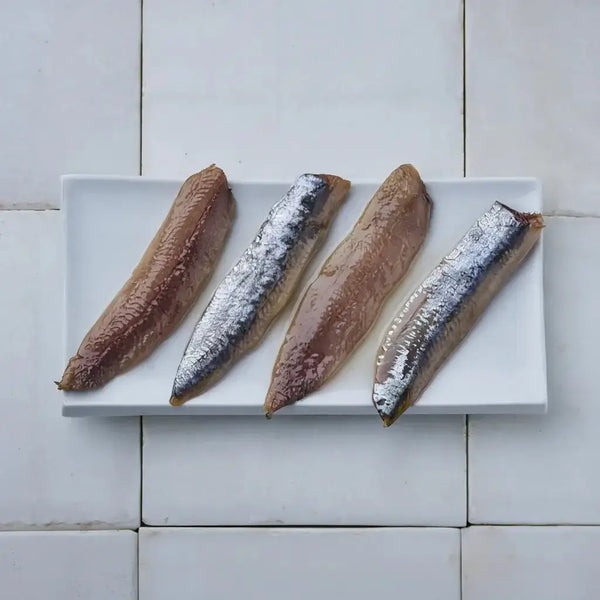
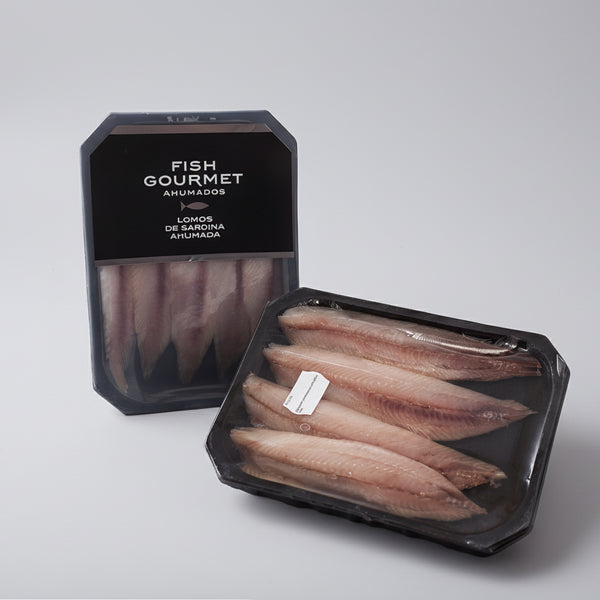
Spicy sardines, made with chili, spicy paprika, or cayenne, offer a powerful flavor ideal as an appetizer with beer. Smoked sardines, cold-processed before canning, have a complex and deep flavor reminiscent of salmon and work well in gourmet toasts and cheese boards. Finally, natural sardines, canned only with salt and water, are the option for low-fat diets and for cooking, as they allow you to add your own condiments.
How to Read a Sardine Can Label
A sardine can label contains crucial information that many consumers ignore. Learning to read it will allow you to distinguish a premium product from a mediocre one before opening it.
The first thing to look for is the type of oil. The difference between "extra virgin olive oil" and simply "vegetable oil" or "sunflower oil" is abysmal in terms of taste and quality. The best sardines always use EVOO.
Origin matters enormously. Sardines from the Galician Rías Baixas, the Cantabrian coast, and the Portuguese Algarve are among the most renowned in the world. Look for specific geographical indications, not just the generic "seafood product."
The numerical format (3/5, 8/12) indicates the number of sardines per can. The 3/5 format means 3 to 5 large and juicy sardines, while 8/12 indicates smaller pieces that tend to be drier. For quality and gastronomic experience, the smaller the number, the better the sardine.
Also, check if the cannery indicates the catch date or fishing season. Premium sardines sometimes include the vintage, allowing you to choose younger or older cans according to your preference. And look for names of actual canneries instead of generic private label brands, which often work with less select raw material.
Related Products from Bacalalo


Recommended Products

Fresh Coastal Sardines - Pack of 4 Pieces | ...
2,95 €

Whole Extra Gourmet Tuna Mojama Central Loin...
95,00 €

Natural Cockles 30/40 Pieces - 111g | Ba...
7,95 €

Bonito del Norte Loins in Olive Oil Glass...
13,95 €
Refrigerated shipping 24-48h throughout the Peninsula
Best Canned Sardine Brands
The Iberian market boasts a century-old canning tradition that produces some of the best canned sardines in the world. This table compares the most outstanding brands by quality, origin, and value for money.
| Brand | Origin | Star product | Oil | Price per can | Rating |
|---|---|---|---|---|---|
| Güeyu Mar | Asturias | Artisanal smoked sardines | EVOO | 8-14 EUR | Exceptional |
| Real Conservera Española | Galicia | Premium Sardines in EVOO 3/5 | EVOO | 5-8 EUR | Exceptional |
| Conservas de Cambados | Ría de Arousa | Premium Sardines 3/5 | EVOO | 5-7 EUR | Excellent |
| Porthos | Portugal | Vintage sardines (aged) | EVOO | 4-7 EUR | Excellent |
| Nuri / José Gourmet | Portugal | Sardines in EVOO | EVOO | 3-5 EUR | Very good |
| Dardo | Galicia | Sardines in olive oil | Olive oil | 3-4 EUR | Very good |
| Baymar | Galicia | Assorted sardines | EVOO | 2-4 EUR | Good |
| Pay Pay | Galicia | Varied formats, accessible | Olive oil | 1-3 EUR | Correct |
At Bacalalo you can find selected premium sardines from the best canneries, as well as the full range of artisanal gourmet preserves that complement any pantry.
Vintage Sardines: The Art of Aging Preserves
The concept of vintage sardines may surprise those unfamiliar with the world of gourmet preserves, but it is a real phenomenon with decades of tradition, especially in Portugal and Galicia. A can of quality sardines in olive oil, stored horizontally and at a constant temperature between 15 and 20 degrees Celsius, undergoes a remarkable transformation over time.
During the first few months, the flesh gradually absorbs the oil and the bones soften until they become imperceptible. After the second year, the flavors integrate and round out: any metallic notes disappear, and a smoother, creamier, and more complex taste emerges. Sardines aged 3 to 5 years are considered optimal by most experts, with an almost pâté-like texture and a profoundly marine flavor.
Canneries like Porthos or Nuri commercialize explicitly dated cans to facilitate collecting and aging. It is common in gourmet stores in Lisbon to find sardine cans from specific years, sold at higher prices precisely because of their age. The world of vintage sardines is also growing in Spain, driven by the tinned fish movement that has transformed preserves into a trending gastronomic product.
Complete Nutritional Value of Sardines
Canned sardines are one of the most complete foods available. The combination of high-quality protein, omega-3 fatty acids, calcium, vitamins, and minerals makes them a real superfood, without the marketing hype surrounding other trendy foods.
| Nutrient | Per 100g (drained) | % Recommended Daily Value |
|---|---|---|
| Calories | 208 kcal | 10% |
| Protein | 25 g | 50% |
| Total Fat | 11 g | 17% |
| Omega-3 (EPA+DHA) | 1.5 g | >100% |
| Calcium | 382 mg | 38% |
| Iron | 2.9 mg | 16% |
| Vitamin D | 4.8 mcg | 32% |
| Vitamin B12 | 8.9 mcg | 371% |
| Selenium | 52 mcg | 95% |
| Phosphorus | 490 mg | 70% |
Especially noteworthy is the vitamin B12 content, which covers almost four times the recommended daily amount in a single serving. The omega-3 content surpasses that of salmon proportionally, and the calcium from the softened bones is equivalent to a glass of milk. All of this in a food that also has very low levels of mercury and other contaminants, thanks to the small size of the sardine in the food chain.
Artisanal vs. Industrial Sardines
The difference between an artisanal sardine and an industrial one goes far beyond price. Artisanal canneries manually select each sardine, hand-can them, use extra virgin olive oil, and work in limited quantities that allow for exhaustive quality control. The result is a sardine with firm flesh, clean flavor, and an aromatic oil that is almost as good as the sardine itself.
Industrial sardines follow an automated process with generic oils and large production volumes. They are not necessarily bad, but they offer a flatter flavor profile and a less defined texture. They are perfectly valid for daily consumption, for cooking, or for recipes where the sardine is not the absolute protagonist.
The price difference is significant: artisanal ones range from 4 to 14 euros per can, while industrial ones range from 1 to 3 euros. The recommendation is to have both in your pantry: artisanal ones to enjoy as a gourmet tapa, and industrial ones for everyday use and for cooking.
Quick Recipes with Canned Sardines
Canned sardines are the perfect base for quick preparations that impress without being complicated. These ideas work with both artisanal and industrial sardines.
The classic toast is the simplest preparation and one of the best: quality toasted bread, drained sardine, grated tomato, and a drizzle of the oil from the can. Nothing more is needed. In two minutes you have an appetizer that pairs perfectly with smoked salmon toasts to assemble a varied platter.
Quick pasta with sardines is a complete dish that is prepared in the time it takes to cook spaghetti: crumble the sardines in a pan with sliced garlic, chili, and a splash of the oil from the can. Add cooked pasta, fresh parsley, and a little of the cooking water to emulsify. It's the "poor man's" pasta that tastes like a million dollars.
For a Mediterranean salad, place sardines on arugula with cherry tomatoes, thin-sliced red onion, black olives, and capers. Dress with the oil from the can and a touch of lemon. Stuffed peppers are another spectacular option: mix crumbled sardines with cream cheese and a little chive, stuff roasted piquillo peppers and gratinate for 5 minutes. Finally, a sardine sandwich with crystal bread and piquillo peppers is a quick solution that any bar in Barcelona would envy.
How to Serve Canned Sardines as a Tapa
The tinned fish trend has turned canned sardines into stars of appetizer tables and gourmet experiences. To serve them as a tapa, presentation matters as much as the product.
The most elegant option is to serve the open can directly on a wooden board, accompanied by toasted bread, lemon slices, and a small bowl of olives. The can becomes both a container and a decorative element. Pair with anchovies and boquerones to create a varied conserve board that will impress any guest.
If you prefer to plate them, place the sardines on a bed of grated tomato on a flat plate, drizzle with the oil from the can, add a few flakes of Maldon salt and some fresh basil leaves. For a more elaborate presentation, combine several cans of different types (oil, escabeche, smoked) on a tray with compartments, creating a tasting that allows for comparing flavor profiles.
Storage and Shelf Life
Unopened canned sardines can be stored for 3 to 5 years from the manufacturing date if kept in a cool, dry place away from direct light. As we have seen, sardines in olive oil not only keep but also improve with time, making them an interesting gastronomic investment.
Once the can is opened, transfer any leftover sardines to a glass container with an airtight lid and consume them within 2-3 days, refrigerated. Do not leave them in the open can as the metal can transfer flavor to the product. The oil from the can is worth using: strain it and use it as a dressing for salads or for cod recipes and other fish where sardine-infused oil adds exceptional depth of flavor.
Frequently Asked Questions
Do canned sardines improve with age?
Yes, especially those canned in extra virgin olive oil. Over months and years, the flesh absorbs the oil, the bones completely soften, and the flavors integrate into a more rounded and mellow whole. Sardines aged 2 to 5 years are considered a gourmet product in their own right. Always within the best-before date indicated by the manufacturer.
Are the bones in canned sardines edible?
Yes, and it is recommended. During the high-temperature sterilization process, sardine bones soften to the point of being practically imperceptible when chewed. Furthermore, they are an excellent source of calcium: consuming sardines with their bones provides calcium equivalent to a glass of milk. It is one of the most unique nutritional benefits of this preserved food.
How many cans of sardines can I eat per week?
Sardines have a very low mercury content because they are small fish that occupy a low position in the food chain. You can consume 3-4 cans per week without any risk. The Spanish Agency for Food Safety recommends eating fish 3-4 times a week, and sardines are one of the safest and most nutritious options available to meet that recommendation.
Do canned sardines make you gain weight?
With about 208 kcal per 100 grams drained, sardines provide energy primarily through protein and healthy omega-3 fats. They are not an particularly caloric food if consumed in moderation. A can as a complement to a meal or as a tapa is perfectly compatible with a balanced diet. The fat in sardines is one of the most beneficial for cardiovascular health.
What does the 3/5 or 8/12 format mean for sardines?
The numerical format indicates the number of sardines contained in each can. The 3/5 format means the can contains between 3 and 5 sardines, implying they are large and juicy pieces. The 8/12 format indicates between 8 and 12 sardines per can, which will be smaller pieces. For quality and gastronomic experience, formats with fewer pieces and larger sardines are always preferable.
Are Spanish or Portuguese sardines better?
Both canning traditions are centuries-old and of the highest quality. Galician sardines from the Rías Baixas and Portuguese sardines from the Algarve share very similar Atlantic waters and offer comparable quality. Portugal has a more ingrained and visible canned sardine culture, with specialized shops and iconic brands. Spain stands out in the variety of preparations. The choice is a matter of personal preference rather than objective quality.
How should sardine cans be stored correctly?
Unopened cans should be stored in a cool, dry place away from direct sunlight. The ideal temperature is between 15 and 20 degrees Celsius. For sardines in oil that you want to age, place the cans horizontally and turn them every few months so that the oil redistributes. Avoid storing them near cleaning products or other strongly scented foods, as even though the can is sealed, storage conditions matter.
Are canned sardines safe during pregnancy?
Canned sardines are one of the safest fish options during pregnancy. Being sterilized, they do not pose a risk of anisakiasis or bacterial contamination. Their low mercury content makes them especially recommended compared to large fish such as bluefin tuna or swordfish. In addition, their high omega-3 and calcium content is beneficial during gestation. Always consult your doctor if you have any doubts.
Can the oil from a sardine can be reused?
The oil from a good can of sardines is a valuable ingredient that should not be wasted. It is infused with marine flavor, omega-3, and the juices of the sardine itself. Use it as a dressing for salads, for sautéing vegetables, as the base for a vinaigrette, or simply for dipping bread. It is especially good on tomato toasts and in pasta dishes with seafood. Store it in the refrigerator and consume it within a couple of days.
What is the difference between sardines and sardinillas?
Sardinillas are young, smaller sardines, caught before reaching adult size. They have a more delicate texture, a milder flavor, and the bones are practically non-existent. Adult sardines offer more flesh, a more pronounced flavor, and a more substantial gastronomic experience. Both have their place: sardinillas are ideal for delicate toasts and appetizers, and large sardines for main dishes.
Why do some cans of sardines cost 10 euros or more?
The high price of premium sardines is justified by several cumulative factors: manual selection of the best pieces, use of high-quality extra virgin olive oil, artisanal hand-canning, limited production quantities, and, in some cases, a controlled aging process. Brands like Güeyu Mar also artisanally smoke each sardine before canning. The result is a radically different product from an industrial supermarket sardine.
Do canned sardines contain artificial preservatives?
Quality canned sardines do not need artificial preservatives. The heat sterilization process, combined with olive oil and the airtight seal of the can, ensures the preservation of the product for years. If you read "olive oil and salt" as the only ingredients, the can contains no additives. Be wary of cans with long ingredient lists that include flavor enhancers or preservatives like E-211.
Related Guides
- Cantabrian Anchovies: best brands and ranking
- Recipes with gourmet preserves: quick and elegant dinner
- Smoked salmon toasts: gourmet combinations
- Recipes for rehydrated cod: quick and easy ideas
- Cod in green sauce: traditional recipe
- Fish soup: easy homemade recipe
Discover our selection of premium sardines and the entire range of artisanal gourmet preserves at Bacalalo, with products selected from the best canneries in Galicia and the Cantabrian Sea.
Discover more