Abstract: Cod is much more than just a Holy Week dish. It's an industry that moves thousands of tons, generates millions of euros, and connects the North Atlantic seas with kitchens across the peninsula. Here, we compile the real data from the sector: how much we consume, where it comes from, how much it costs, and where the market is headed.
Cod is much more than just a Holy Week dish. It's an industry that moves thousands of tons, generates millions of euros, and connects the North Atlantic seas with kitchens across the peninsula. Here, we compile the real data from the sector: how much we consume, where it comes from, how much it costs, and where the market is headed.
Data updated February 2026. Sources: MAPA, Statista, Alimarket, Norwegian Seafood Council, AESAN.
Contents
- How much cod does Spain consume: the real figures
- Where does the cod we eat come from?
- The canning industry: 1.9 billion euros
- Prices: how much does quality cod cost?
- Trends 2025-2026: where the market is headed
- Cod as a business: structure of the Spanish market
- Spain and cod: a centuries-old tradition
How much cod does Spain consume: the real figures
Cod is the third most consumed fish per capita in Spain, with 1.1 kg per person per year, only behind salmon (1.2 kg) and hake. This may seem modest, but a key fact must be taken into account: 30% of annual cod consumption is concentrated in just two months, between Lent and Easter.
In absolute terms, Spain imports approximately 15,000 tons of fresh, frozen, and salted cod annually. 85% of the cod we consume is imported, making Spain one of the largest global buyers of this fish.
Seasonality: the Easter effect
Cod demand is not linear. During February-April, sales soar due to the Lenten tradition. This creates two realities for the market:
- Peak demand: prices rise 15-25% in the weeks leading up to Easter.
- Off-season opportunity: summer and autumn months offer better value for money, especially in dried cod and desalted cod.
Where does the cod we eat come from?
The main cod exporting countries to Spain are:
- Iceland — Spain absorbs 80% of Icelandic salted cod production. It is the historical supplier and the most valued for the quality of Gadus Morhua from cold waters.
- Norway — Main supplier of fresh cod (skrei). In January-February 2025, Norwegian skrei exports to Spain rose by 149% in volume (716 tons).
- Faroe Islands — Growing supplier, especially of traditional salted cod.
- Netherlands — Acts as a logistical hub and processor for redistribution in Europe.
Icelandic dried cod remains the quality benchmark in the Spanish market. The Gadus Morhua species from Icelandic waters is distinguished by its firm texture, natural gelatin, and a clean flavor profile that culinary professionals immediately recognize.
The canning industry: 1.9 billion euros
Cod does not exist in a vacuum. It is part of a broader ecosystem: the fish and seafood canning and semi-canning sector in Spain, which invoiced 1.9 billion euros in 2024.
Key data for the canning sector
- Production: over 308,000 tons in 2024 (+0.6% compared to 2023).
- Value growth: +1% in 2024.
- Exports: grew by +8% in 2024, better than the domestic market.
- Gourmet preserves: have increased their market share by 12% in the last 12 months.
The gourmet trend is transforming the sector. What used to be "canned food" is now a premium category with designations of origin, careful presentations, and prices that reflect artisanal quality. Gourmet seafood preserves — Cantabrian anchovies, pickled mussels, natural cockles — represent a segment in clear growth.
Related Bacalalo Products


Prices: how much does quality cod cost?
The price of cod varies enormously depending on the format, origin, and season:
| Format | Price Range (€/kg) | Notes |
|---|---|---|
| Whole dried cod (Iceland) | 25-45 €/kg | Traditional format. Requires desalting |
| Premium desalted cod | 20-35 €/kg | Ready to cook. Controlled salt level |
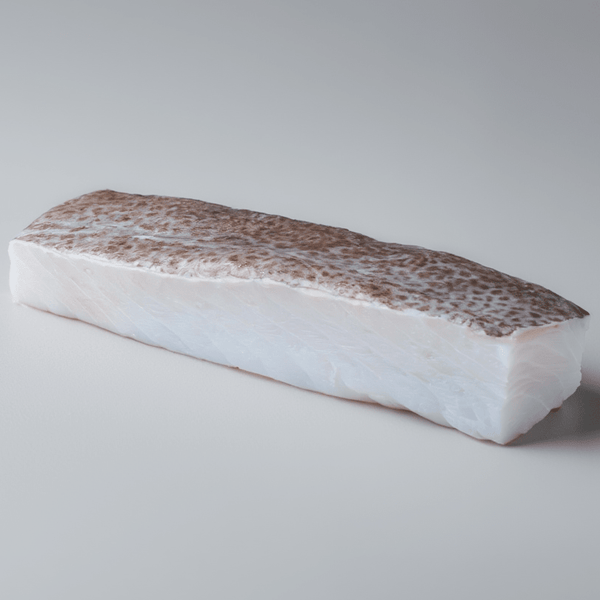
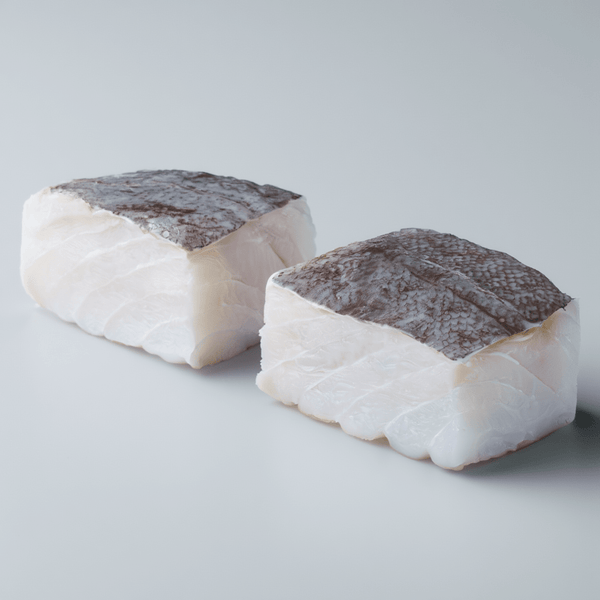
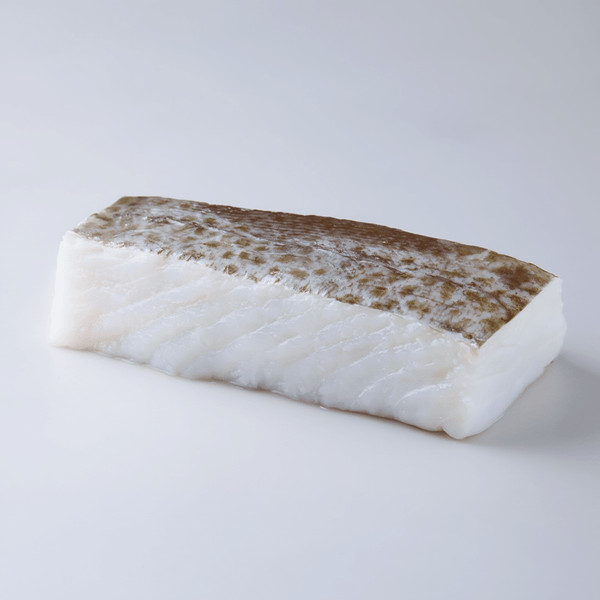
| Cod loins | 30-50 €/kg | Premium cut. Ideal for main dishes |
| Cod flakes | 15-25 €/kg | Excellent value for croquettes and stews |
| Norwegian Skrei (seasonal) | 18-30 €/kg | Only Jan-Apr. Fresh, not salted |
| Frozen cod (supermarket) | 8-15 €/kg | Lower quality. Often Gadus macrocephalus (Pacific) |
Important note: not all "cod" in the supermarket is the same. Authentic Gadus Morhua (Atlantic) has a superior nutritional and gastronomic profile to Gadus macrocephalus (Pacific), which is cheaper but less valued by professionals.
Trends 2025-2026: where the market is headed
1. The Skrei boom
Seasonal Norwegian fresh cod (skrei) is gaining ground in Spain. Imports grew by 149% in volume in early 2025. Restaurants now treat it as a premium seasonal product, similar to truffles or barnacles.
2. Gourmet preserves on the rise
Spanish consumers are rediscovering preserves as a quality product. Cantabrian anchovies, artisanal pickled mussels, and cockles from the Galician estuaries are no longer "for the pantry": they are for the table.
3. General decline in fish consumption
Cod purchases fell by 21% in the last rolling year, part of a generalized trend of lower aquatic product consumption in Spain. This affects the supermarket channel more than specialist stores.
4. Specialist channels resist
While mass consumption declines, traditional bacallanerias and online gourmet stores maintain or increase sales. Consumers who buy quality cod continue to do so; those who bought based on price are migrating to other proteins.
5. Sustainability as a buying factor
Sustainable longline fishing, MSC certifications, and full traceability of origin are increasingly valued. Iceland leads in this aspect with its quota system jointly managed by scientists, government, and the fishing sector.
Cod as a business: structure of the Spanish market
The Spanish cod market has a particular structure:
- Large industrial players
- Medium-sized specialists: Bacalalo
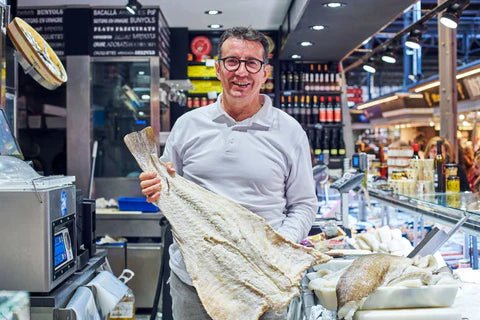
- Market bacallanerias: Generational family business, presence in municipal markets, direct relationship with customers. Some, like Bacalalo, combine market tradition with modern e-commerce.
- Supermarkets: High-volume channel but lower average quality and specialized attention.
Spain and cod: a centuries-old tradition
Spain's relationship with cod dates back to the 15th century, when Basque fishermen discovered the Newfoundland fishing grounds. Since then:
- The bacallanerias of Catalan markets have been active for over 150 years.
- Cod for restaurants remains a pillar of Spanish and Basque haute cuisine.
- The Spanish salted fish industry is globally recognized for its know-how in curing and desalting.
Conclusions
- How much cod does Spain consume: the real figures: Cod is the third most consumed fish per capita in Spain, with 1.1 kg per person per year, only behind salmon (1.2 kg) and hake.
- Where does the cod we eat come from: Icelandic dried cod remains the quality benchmark in the Spanish market.
- The canning industry: 1.9 billion euros: The gourmet trend is transforming the sector.
- Prices: how much does quality cod cost: Important note: not all "cod" in the supermarket is the same.
- Trends 2025-2026: where the market is headed: Spanish consumers are rediscovering preserves as a quality product.
- Cod as a business: structure of the Spanish market: Spain's relationship with cod dates back to the 15th century, when Basque fishermen discovered the Newfoundland fishing grounds.
- Spain and cod: a centuries-old tradition: Approximately 15,000 tons of fresh, frozen, and salted cod annually.
Frequently Asked Questions
How much cod does Spain import annually?
Approximately 15,000 tons of fresh, frozen, and salted cod annually. 85% of cod consumed in Spain is imported, mainly from Iceland, Norway, and the Faroe Islands.
What is the most consumed fish in Spain?
Salmon leads with 1.2 kg per capita per year, followed by hake and cod (1.1 kg). However, in terms of gastronomic tradition, cod has a much higher cultural relevance.
Why is Icelandic cod more expensive?
Icelandic Gadus Morhua cod is longline-fished in cold North Atlantic waters, under a sustainable quota system. Its texture is firmer, it has more natural gelatin, and a cleaner flavor than Pacific cod (Gadus macrocephalus).
How much does the canning sector in Spain invoice?
The fish and seafood canning and semi-canning sector invoiced 1.9 billion euros in 2024, with a 1% growth in value. Gourmet preserves grew by 12% in market share.
What is Norwegian skrei?
Skrei is wild Norwegian seasonal cod (January-April) that migrates from the Barents Sea to the Lofoten Islands' coasts to spawn. It is consumed fresh (not salted) and is an increasingly sought-after product in Spanish haute cuisine.
What is the difference between Gadus Morhua and Gadus macrocephalus?
Gadus Morhua (Atlantic) is the traditional Spanish cod: firm texture, abundant gelatin, defined flavor. Gadus macrocephalus (Pacific) is cheaper but has a softer texture and less flavor. Specialized bacallanerias work exclusively with Gadus Morhua.
Article prepared by Bacalalo, bacallaneria from Mercat del Ninot (Barcelona) since 1990. Specialists in Icelandic cod, Cantabrian anchovies, and gourmet seafood preserves.
Where is cod most consumed in Spain?
Galicia stands out as one of the main consumers, with over three million kilos consumed according to 2021 data. As for Norwegian cod imports, Catalonia leads the ranking, followed by the Basque Country and Galicia.
Which country consumes the most cod?
And it is the second country that eats the most Norwegian cod in the world, behind Portugal," he pointed out.
What is the largest cod producer in the world?
Norway is the largest producer of dried cod (unsalted), also known as stockfish.