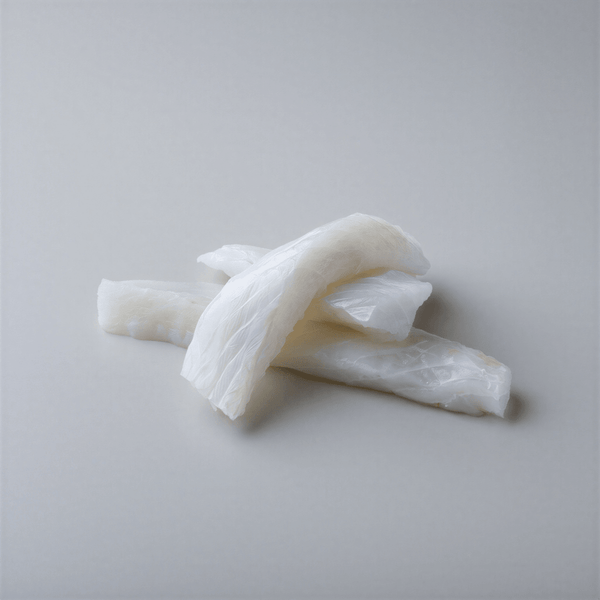
Summary: Dried and salted cod is one of the most traditional gastronomic products on the peninsula. It can be stored for months without refrigeration, concentrates the flavor of the fish, and is the base of emblematic recipes such as "pil pil," "brandada," or esqueixada. In this guide, we explain exactly what it is, how it's made, what cuts exist, how to choose the best one, where to buy it, and how to prepare it correctly.
| Fact | Detail |
|---|---|
| Name | Dried salted cod (Gadus morhua) |
| Preservation | Salt + air drying (ancient method) |
| Common origin | Iceland, Norway, Faroe Islands |
| Desalting time | 24-48 hours depending on thickness |
| Main cuts | Loin, jowl, belly, tail, cheeks, shredded |
| Reference price | From €15/kg (tail) to €45+/kg (extra loin) |
Table of Contents
- What is dried and salted cod
- How it's made: from sea to pantry
- Cuts of dried cod: which to choose for each recipe
- How to choose quality dried cod
- Where to buy dried cod in Spain
- Price of dried cod: what determines the cost
- How to store dried cod at home
- How to desalt dried cod correctly
- 5 classic recipes with dried cod
- Dried vs. desalinated cod: differences
- Nutritional properties of dried cod
- Frequently asked questions
- Conclusions
What is dried and salted cod
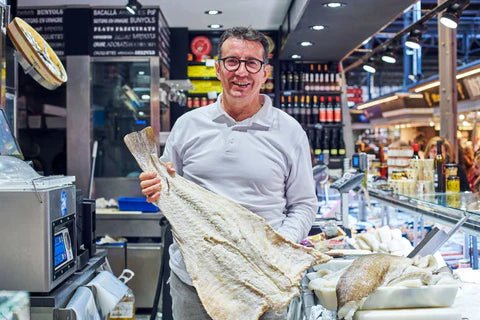
Dried and salted cod is Gadus morhua (Atlantic cod) preserved by two processes: salting and air drying. It is the oldest method of fish preservation in Europe — practiced since the 15th century, when Basque and Portuguese fishermen needed to transport cod caught in Newfoundland without it spoiling during weeks of navigation.
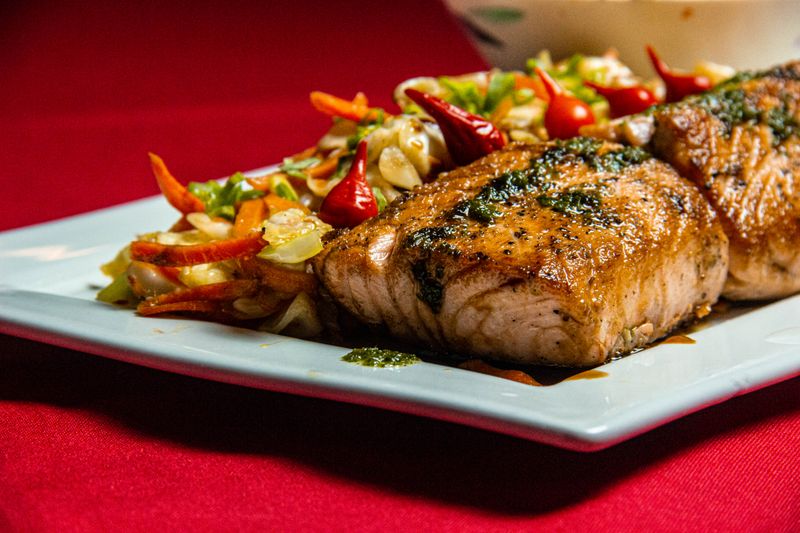
The process removes between 70% and 80% of the fish's water. What remains is a rigid, yellowish piece, with a much higher concentration of protein and flavor than fresh cod. Once desalted and rehydrated, it regains its texture and becomes the base of some of the most important dishes in Spanish, Portuguese, and Scandinavian cuisine.
Not all dried cod is the same. Quality depends on three factors: the species (Gadus morhua is premium, compared to species like ling or pollock), the origin of capture (the cold waters of Iceland and Norway produce the best cod), and the drying method (natural drying in the Nordic wind is superior to industrial drying). At Bacalalo, we work exclusively with Gadus morhua from Iceland, considered the highest quality worldwide.
How it's made: from sea to pantry
The process of making dried salted cod remains essentially the same as centuries ago, though with modern quality controls:
1. Catch and evisceration
Cod is caught in cold North Atlantic waters (mainly Iceland, Norway, and the Faroe Islands) and eviscerated on board the vessel. Specimens are classified by size and quality from the outset.
2. Salting
The pieces are stacked, alternating layers of coarse sea salt. The salt penetrates the fish muscle, drawing out water by osmosis and creating an environment where bacteria cannot survive. This process lasts between 2 and 4 weeks, depending on the thickness of the pieces.
3. Drying
After salting, the cod is hung or spread on racks outdoors. In Iceland and Norway, the cold, dry Arctic wind does the work. Natural drying can last 2 to 3 months. The result is a piece that has lost most of its water but retains its proteins and fatty acids intact.
4. Classification and cutting
Once dry, the cod is classified by quality (thickness, color, absence of defects) and cut into the different commercial pieces: loin, jowl, belly, tail, cheeks, and shredded.
Important fact
Quality dried cod does not smell bad. If you detect an ammonia or rancid smell, it's a sign of poor preservation or low-quality raw material. Good dried cod smells of the sea and salt, nothing else.
Cuts of dried cod: which to choose for each recipe
Each cut of dried cod has its own characteristics that make it ideal for specific preparations:
| Cut | Fish area | Characteristics | Ideal for |
|---|---|---|---|
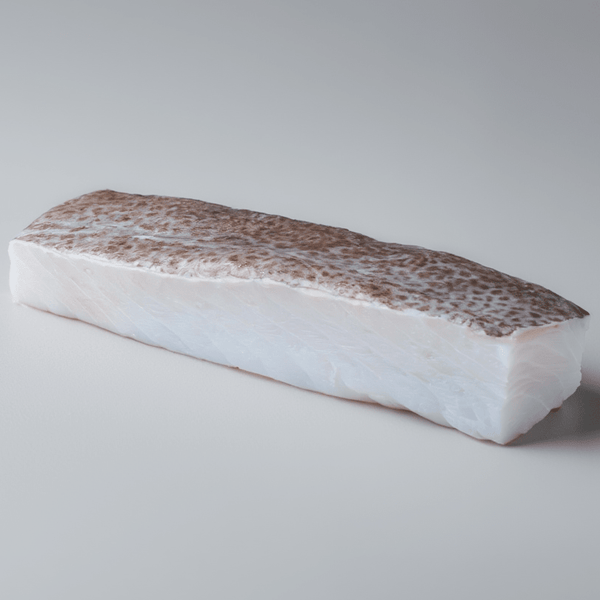
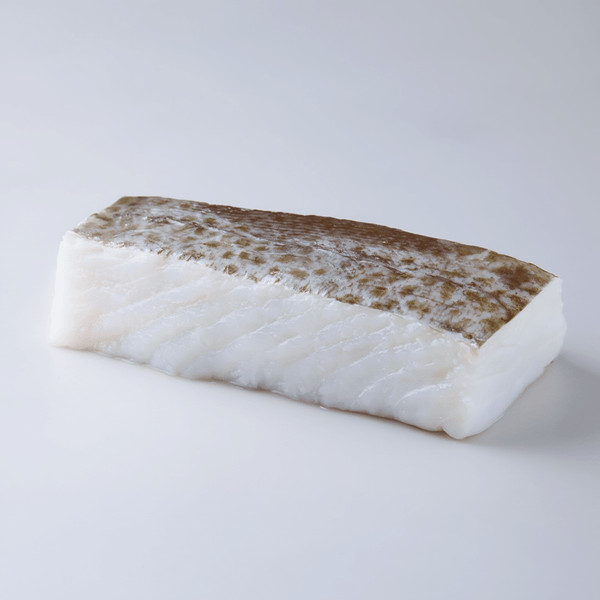
| Loin | Central-upper | Thickest and meatiest piece, boneless | Pil pil, confit, oven, griddle |
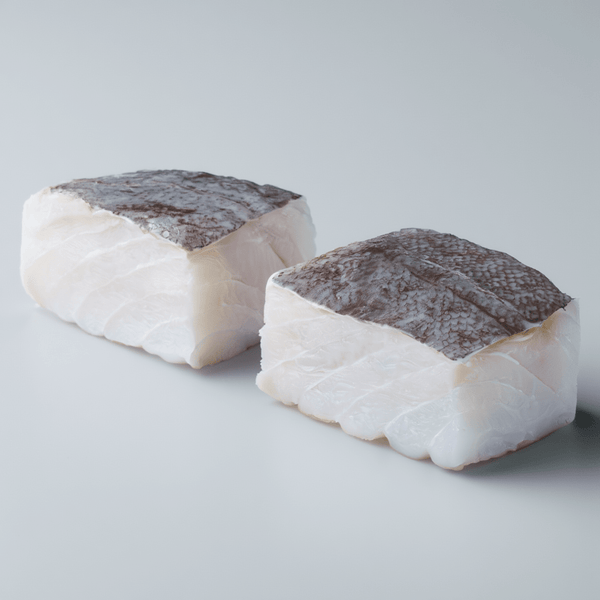
| Jowl | Upper part of the head | Juicy, gelatinous, very tender | Baked, green sauce, stews |
| Belly | Ventral area | Thin, gelatinous, rich in collagen | Pil pil (the classic piece), fried |
| Tail | Posterior end | Drier, with more bones | Stews, casseroles, croquettes |
| Cheeks | Under the jaw | Gelatinous, unique texture | Pil pil, battered, green sauce |
| Shredded | Trimmings from all areas | Shredded, ready to use | Esqueixada, salads, fritters, croquettes |
Icelandic dried cod — All cuts
At Bacalalo, we have been working with Gadus morhua cod from Iceland since 1990. Dry, clean, and boneless (in premium cuts). Cold shipping throughout Spain.
How to choose quality dried cod
Choosing well is the difference between a memorable dish and a mediocre one. These are the quality indicators we've used at Bacalalo for over 30 years:
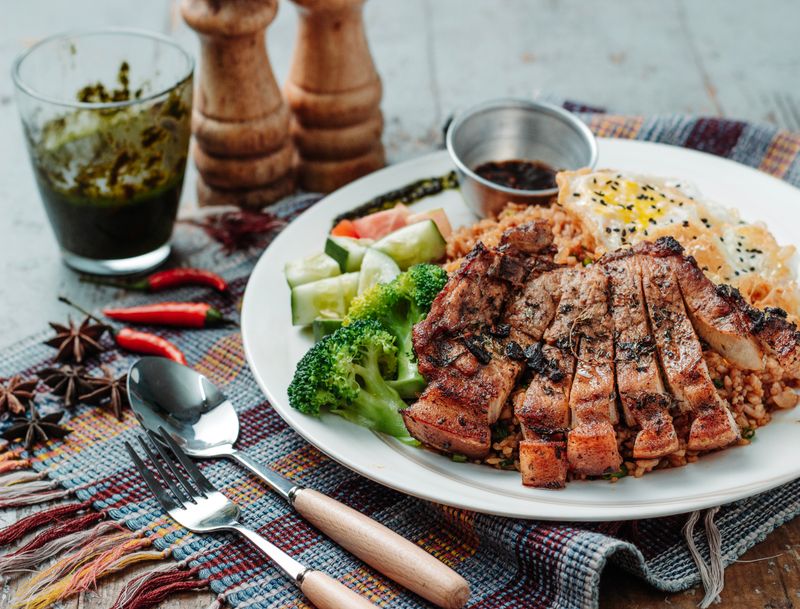
Species: demand Gadus morhua
This is true Atlantic cod. Other species such as ling (Molva molva), pollock, or ling are sometimes sold as "cod" but have a more fibrous, less juicy flesh with a poorer texture after desalting. Always look for the denomination Gadus morhua on the label.
Origin of capture
Cod from Iceland is considered the highest quality due to the conditions of its waters: cold, clean, and rich in nutrient-rich currents. Norway and the Faroe Islands follow. Icelandic cod has a thicker loin, whiter flesh, and a texture that flakes cleanly after cooking.
Visual aspect
- Color: Uniform white-yellowish. If it has dark areas, green spots, or grayish tones, discard it
- Texture: It should be rigid and dry to the touch, not sticky or damp
- Smell: Of sea and salt. No strong or ammoniacal smell
- Thickness: The thicker, the higher the quality (especially in the loin)
Cleanliness
Dried cod is sold in two formats: traditional (with bones and skin, more economical, requires cleaning) and clean and boneless (ready to desalt and cook, higher price but no work). For home use, clean boneless dried cod saves time and avoids unpleasant surprises.
Where to buy dried cod in Spain
The main options for buying quality dried cod in Spain are:
Traditional markets and codfish shops
The best option if you want to see, touch, and smell the product before buying it. In Barcelona, the Mercat del Ninot (where Bacalalo has had its shop since 1990) is a reference. In general, cod stalls in municipal markets offer better value for money than supermarkets because they work directly with suppliers and can advise you on cuts and preparations.
Supermarkets
Mercadona, Carrefour, Lidl, and others offer dried cod, but generally of intermediate-to-low qualities (tail, trimmings, or non-Gadus morhua species). Supermarket dried cod is usually thinner, with more bones, and with less information about its origin. It is an economical option for stews and casseroles where cod is not the main ingredient.
Online
Buying dried cod online has the advantage of accessing qualities that are not available in all markets. At Bacalalo, we ship with a cold chain to the entire peninsula within 24-48 hours. Each piece comes clean, boneless (in premium cuts), and with desalting instructions included.
Buying tip
If you have never cooked dried cod, start with the jowl in portions (300g). It is the easiest cut to desalt (small portions = less time), very tender, and forgiving of cooking mistakes. Ideal for your first time.
Price of dried cod: what determines the cost
The price of dried cod varies enormously depending on quality. These are the usual ranges in Spain (2026):
| Cut | Supermarket price | Codfish shop/premium price | Notes |
|---|---|---|---|
| Tail / trimmings | €12-18/kg | €15-22/kg | With bones, ideal for stews |
| Shredded | €15-20/kg | €20-28/kg | Boneless, ready for esqueixada |
| Jowl | €20-28/kg | €28-38/kg | Very juicy, high yield |
| Belly | €22-30/kg | €30-40/kg | For authentic pil pil |
| Extra loin | €28-35/kg | €38-50+/kg | King cut, boneless, thick |
| Cheeks | Rare in super | €35-55/kg | Very scarce, delicacy |
Why such a difference? Premium cod (Iceland, Gadus morhua, clean and boneless) costs more because it is selected piece by piece, manually cleaned, and the yield of the raw material is lower. But what you pay extra in price you save in labor, waste, and the final result on the plate.
How to store dried cod at home
One of the great advantages of dried cod is its long shelf life. But it needs appropriate conditions:
Undesalted (dried cod as is)
- Refrigerator: Wrapped in food paper or in a sealed container. Lasts 6-12 months without problem
- Cool pantry: If the temperature does not exceed 15 °C and the environment is dry, it also lasts for months. This is how it was traditionally stored
- Do not freeze dry: It makes no sense. It is already dehydrated, and the salt protects it
Once desalted
- Refrigerator: Maximum 2-3 days in a sealed container with clean water
- Freezer: Desalted cod can be frozen for 2-3 months. Drain it well and wrap it in cling film before freezing
How to desalt dried cod correctly
Desalting is the critical step. Poor desalting = ruined dish. These are the fundamental rules:
Standard method (for most cuts)
- Place the cod in a large container with plenty of cold water (minimum 3:1 water/fish ratio)
- Place the skin side up: the salt comes out through the flesh (bottom part), not the skin
- Change the water every 8 hours: at least 3 changes. This step is non-negotiable
- Always in the refrigerator: Never desalt at room temperature (risk of bacterial proliferation)
Desalting times by cut
| Cut | Thickness | Desalting time |
|---|---|---|
| Shredded | Thin | 8-12 hours |
| Tail / Portions | Medium | 24 hours |
| Cheek / Flank | Medium-thick | 24-36 hours |
| Whole loin | Thick | 36-48 hours |
Pro tip: To check if it's properly desalted, cut a small piece from the center of the thickest part and taste it. It should be salty but not overly so — remember that the flavor concentrates slightly when cooked.
If you need a more detailed guide on the desalinating process, we have a complete article: how to properly desalt cod.
5 classic recipes with dried cod
Dried cod is the base of emblematic dishes throughout Iberian gastronomy. These are the 5 recipes every cod lover should master:
1. Bacalao al pil pil
The quintessential Basque dish. Recommended cut: flank or loin. The gelatin from the cod, olive oil, and garlic create an emulsion that cannot be achieved with any other fish. The key is to patiently move the casserole until the sauce emulsifies. See full pil pil recipe.
2. Esqueixada de bacalao
Catalan salad of raw, desalted, shredded cod. Recommended cut: extra shredded. With tomato, onion, black olives, and good olive oil. It is served cold and is perfect for summer. See esqueixada recipe.
3. Brandada de bacalao
Creamy emulsion of desalted cod with olive oil and, depending on the version, potato or milk. Recommended cut: cheek or loin. It is the base for canapés, toasts, and fillings. See brandada recipe.
4. Buñuelos de bacalao
Spongy dough with shredded cod, fried until golden. Recommended cut: traditional shredded. They are the quintessential Lent and Holy Week appetizer throughout Spain. See fritter recipe.
5. Bacalao a la vizcaína
Stew with choricero pepper sauce. Recommended cut: cheek or loin. The sauce is prepared separately with rehydrated dried peppers, onion, and garlic, and the cod is cooked in it until it absorbs the flavors. See Vizcaína recipe.
The perfect dried cod for every recipe
From flank for pil pil to shredded for esqueixada. Icelandic cod, clean and boneless. 24-48h cold shipping.
Dried vs. desalted cod: differences
It's a common confusion. They are not the same product:
| Characteristic | Dried cod (salted) | Desalted cod |
|---|---|---|
| State | Dehydrated, rigid, with salt | Rehydrated, flexible, ready to cook |
| Preservation | 6-12 months in the fridge | 2-3 days in the fridge |
| Preparation | Needs 24-48h of desalting | Ready to cook directly |
| Price | More economical per kg | More expensive (includes desalting work) |
| Flavor | More intense, you control the salt level | Softer flavor, standard salt level |
| For whom | Experienced cooks, tradition | Those who want convenience and speed |
Which to choose? If you have time and want to control the entire process, dried cod will give you a superior result in dishes like pil pil or brandada (the gelatin is better preserved when dried). If you want convenience, desalted cod is perfect for quick everyday recipes.
Nutritional properties of dried cod
Dried cod is a food with an extraordinary nutritional profile (values per 100g of cod already desalted and ready to cook):
| Nutrient | Amount per 100g | % Daily Value |
|---|---|---|
| Calories | 78 kcal | ~4% |
| Protein | 18 g | ~36% |
| Total fat | 0.7 g | ~1% |
| Omega-3 (EPA+DHA) | 0.2 g | — |
| Vitamin B12 | 1.0 μg | ~42% |
| Selenium | 33 μg | ~60% |
| Phosphorus | 203 mg | ~29% |
It is one of the fish with the most protein and least fat available. Ideal for weight control diets or athletes. The only aspect to watch is residual sodium after desalting — although correct desalting reduces salt to acceptable levels, people with severe hypertension should consult their doctor.
Frequently asked questions
Does dried cod have anisakiasis?
No. The salting and drying process eliminates the risk of anisakiasis. Salt and dehydration create an environment where the parasite cannot survive. You can consume dried cod (once desalted) without worrying about anisakiasis — in fact, that's why esqueixada (raw desalted cod) is a safe dish.
How long does unopened dried cod last?
In the fridge, between 6 and 12 months without a problem. In a cool pantry (below 15 °C), several months. It is one of the foods with the longest shelf life — 15th-century sailors carried it on months-long voyages precisely for this reason.
Does dried cod need to be refrigerated?
Yes, it is recommended to store it in the fridge once the package is opened. Unopened, it can be kept in a cool pantry. Once desalted, it is mandatory to refrigerate it and consume it within 2-3 days.
How do I know if dried cod is bad?
Signs that dried cod is not in good condition: strong ammonia smell (not sea), greenish or grayish color, sticky or moist texture, or presence of mold. Dried cod in good condition is rigid, dry, white-yellowish, and smells of sea salt.
Can I cook dried cod without desalting?
It is not recommended. It would be extremely salty and inedible. Desalting is not optional — it is a fundamental part of the preparation. If you are in a hurry, buy already desalted cod.
What is the difference between dried cod and salt cod?
They are practically the same. "Salt cod" emphasizes the salting process, while "dried cod" emphasizes dehydration. In practice, cod sold as "dried salted" has undergone both processes: first salted and then dried. Some variants, like Portuguese bacalhau da cura, spend more time in salt and less in drying.
Is Mercadona's dried cod good?
It is an acceptable economical option for stews and potages. However, it is usually from inferior cuts (tail, scraps), sometimes not pure Gadus morhua, and the thickness is less than that of cod from a specialized fishmonger or store. For recipes where cod is the star (pil pil, brandada, oven), it is worth investing in higher quality.
Does dried cod powder exist?
Yes. Dried cod can be ground into a fine powder used in Nordic and Japanese cuisine (cod katsuobushi). In Spain it is not common, but it can be made at home by grating dried cod with a fine grater. It is used to add umami flavor to broths, rice dishes, and sauces.
🛒 Products mentioned in this article
⭐ 4.9/5 · Cold shipping 24-48h · Since 1990 in Mercat del Ninot
Conclusions
Dried and salted cod is a product that combines tradition, concentrated flavor, and versatility in the kitchen. Choosing well — Gadus morhua species, Icelandic or Norwegian origin, appropriate cut for each recipe — makes the difference between a decent dish and an extraordinary one.
If you've never cooked with dried cod, start with portioned cheeks and an esqueixada with shredded cod. These are simple preparations that will show you why this product has been on the best tables for centuries.
And if you already know it but want to step up your game: try the extra Icelandic flank for your next pil pil. The collagen released by that piece is unmatched by any other cut.
Icelandic dried cod — Straight to your home
14 different cuts. Since 1990 at Mercat del Ninot in Barcelona. 24-48h cold shipping throughout Spain.