📋 Table of Contents
Types of Cod and Freezing
| Type | Can it be frozen? | Maximum time |
|---|---|---|
| Fresh Cod | ✅ Yes (mandatory for anisakis) | 3-4 months |
| Desalted Cod | ✅ Yes, very practical | 2-3 months |
| Salted Cod | ❌ Not necessary (salt preserves it) | Not recommended |
| Cooked Cod | ✅ Yes (with limitations) | 1-2 months |
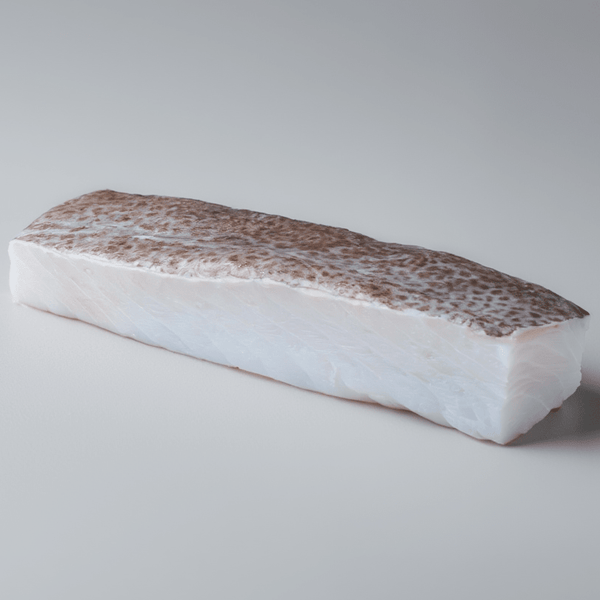
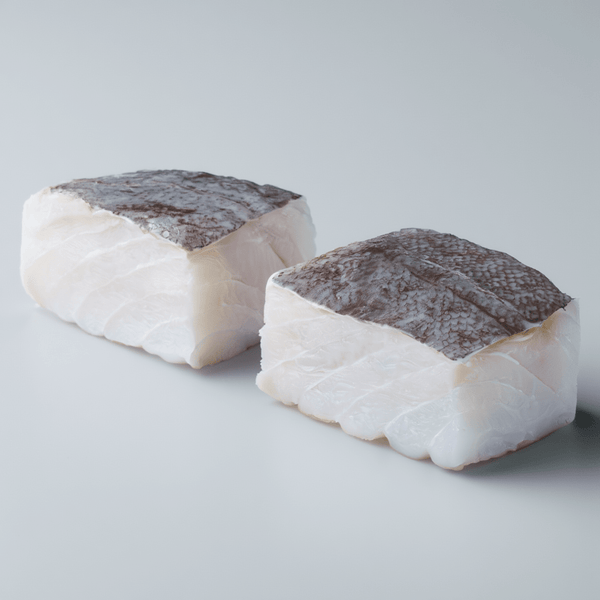
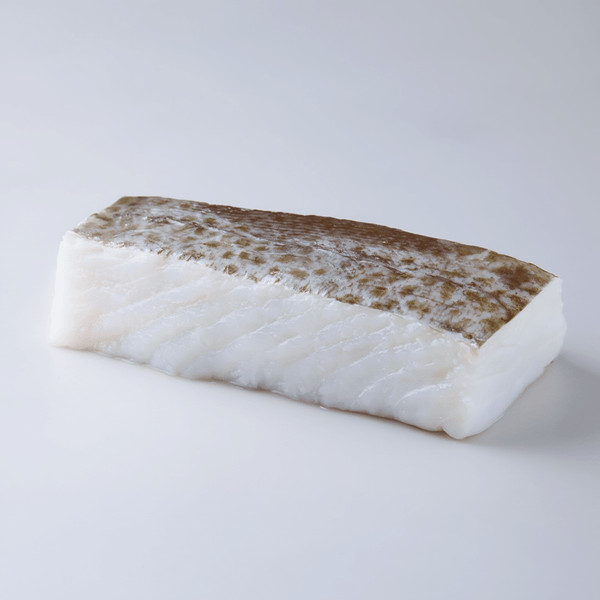
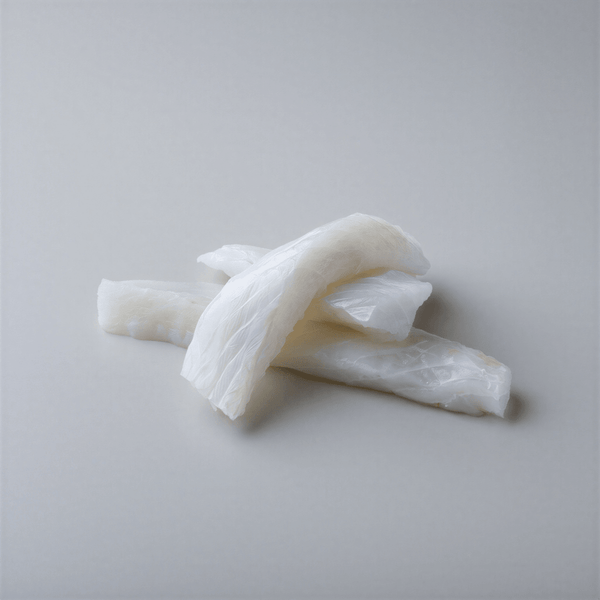
🛒 Ready-to-Use Desalted Cod
Skip the desalting and freezing process: our desalted cod is ready to cook directly. Quality guaranteed.
View product →How to freeze correctly
For fresh or desalted cod:
- Dry very well with paper towels (moisture forms ice crystals that damage the texture)
- Divide into individual portions or for 2 people
- Wrap each portion in cling film, removing all air
- Place in an airtight freezer bag, remove air
- Label with date and contents
- Freeze at -18°C or lower
Correct thawing
- Ideal method: in the refrigerator for 12-24h (slow, preserves texture)
- Quick method: under cold running water in an airtight bag (2-3h)
- Never: microwave (cooks external proteins), room temperature (bacterial risk)
Impact on quality
Freezing has a minimal impact on cod if done correctly. Muscle fibers are well preserved and the texture after thawing is almost identical to fresh product. The main risk is freezer burn: this occurs when the cod is not well wrapped and the freezer air dehydrates the surface.
For dishes where texture is critical (pil-pil, pan-seared cod), preferably use cod that has not been frozen, or frozen correctly for less than 2 months. For stews and recipes with sauces, freezing does not affect the outcome.
🛒 Products mentioned in this article
⭐ 4.9/5 · Cold shipping 24-48h · Since 1990 at Mercat del Ninot
Frequently Asked Questions
Does salted cod need to be frozen?
Can I refreeze cod that has already been frozen?
Discover our premium selection
Seafood products carefully selected since 1990 at Mercat del Ninot, Barcelona. Refrigerated shipping in 24-48h.