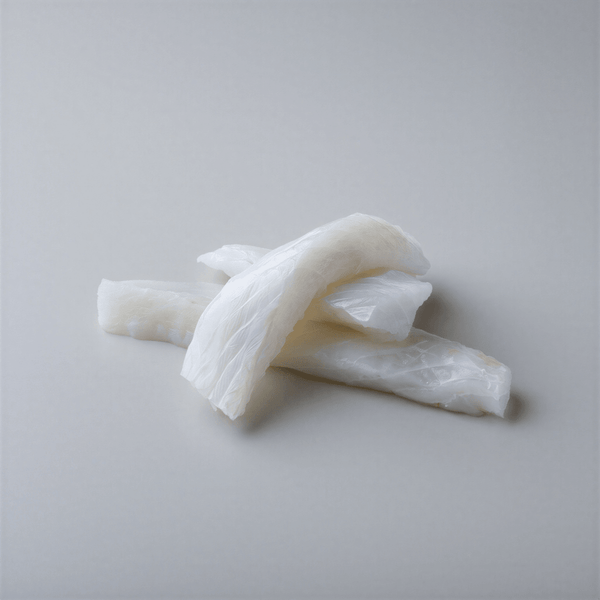
Summary: Cod loin and shredded cod are two presentations of the same fish, but they have very different uses and textures. Choosing between the two can make all the difference in your recipes.
Key Differences
| Characteristic | Loin | Shredded |
|---|---|---|
| Origin in the fish | Back, prime cut | Trimmings + broken loins |
| Texture | Large, juicy flakes | Irregular pieces, drier |
| Presentation | Whole, shaped piece | Loose, shapeless pieces |
| Relative price | More expensive | More economical |
| Best for | Grilling, baking, pil-pil | Croquettes, fritters, salads |
🛒 Premium Desalted Cod Loins
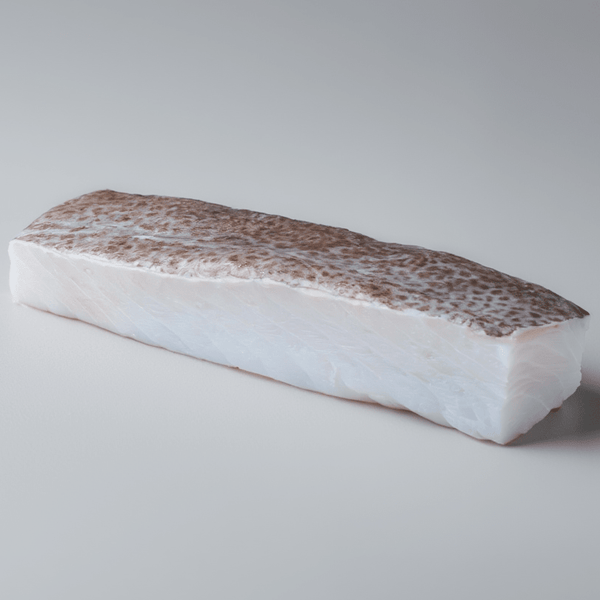
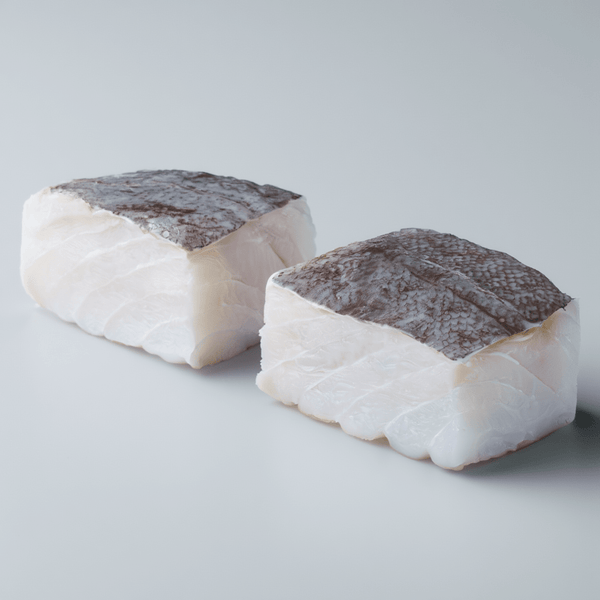
Perfect loins for grilling, baking, and pil-pil. Prime cut with large flakes and juicy texture.
View product →When to Use Each
Use cod loin when:
- The fish is the visual star of the dish (grilled, baked)
- You want to make pil-pil (it needs the gelatin from the skin)
- You're looking for large, spectacular flakes in the plating
- You are going to confit cod in oil
Use shredded cod when:
- You're preparing croquettes, fritters, or pancakes
- The final texture of the dish mixes cod with other ingredients
- You want a cod salad (shredded cod integrates better)
- You want to save money without sacrificing flavor (same flavor, lower cost)
🛒 Shredded Cod
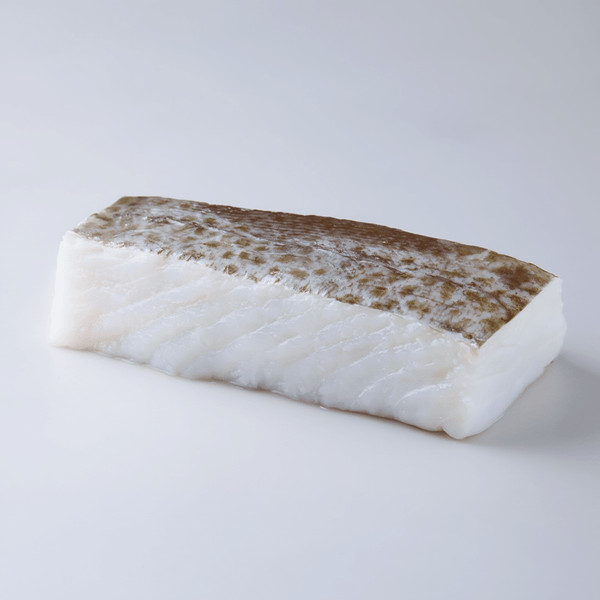
Premium shredded cod for croquettes, fritters, salads, and stews. The same flavor as the loin at a better price.
View product →Price and Value
Cod loin is 30-50% more expensive than shredded cod. However, for recipes where the cod is flaked (croquettes, omelets, fritters), using loin is an unnecessary expense: the final result is identical. Reserve the loin for preparations where presentation and the texture of the flakes are important.
How to Recognize Quality
For both loin and shredded cod, signs of quality:
- Pearlescent white color (not yellowish or grayish)
- Clean sea smell (not ammoniacal)
- Firm texture, not excessively fibrous or stringy
- Gadus morhua cod (quality labels specify this)
🛒 Products mentioned in this article
⭐ 4.9/5 · Cold shipping 24-48h · Since 1990 at Mercat del Ninot
Frequently Asked Questions
Does shredded cod have the same protein as loin?
Yes, exactly the same. Shredded cod is the same fish, it's just the irregular parts from cutting. The nutritional content —protein, omega-3, vitamins— is identical. The only difference is presentation and texture.
Can you make pil-pil with shredded cod?
Technically yes, but the result is inferior. Pil-pil requires the gelatin released from the cod skin during slow cooking. Shredded cod usually doesn't have skin, making the emulsion more difficult. If the shredded cod has skin, you can try it. Otherwise, use loin with skin for pil-pil.