Summary: "A top-quality, properly salted cod can easily last over a year while maintaining all its organoleptic properties intact."
At Bacalalo, we have been selecting each piece of cod at the Mercat del Ninot since 1990.
- How long does salted cod really last?
- Factors determining the longevity of dried cod
- Salinity and dehydration level
- Origin and quality of the fish
- Professional techniques for preserving salted cod
- Ideal environmental conditions
- Packaging and protection methods
- Unequivocal signs of deterioration: when to discard cod
- Is it safe to consume cod with slight color changes?
- Maximizing shelf life: expert tips
How long does salted cod really last?
Salted cod is one of those culinary treasures that has fed generations. But here arises the million-dollar question: how long does salted cod actually last? The answer is not as simple as it might seem, as it depends on multiple factors ranging from the curing method to storage conditions.

Generally, salted cod can be stored for 6 months to 2 years when kept under optimal conditions. However, this figure varies considerably depending on the degree of dehydration, the quality of the salt used in the curing process, and the origin of the fish.
Factors determining the longevity of dried cod
Salinity and dehydration level
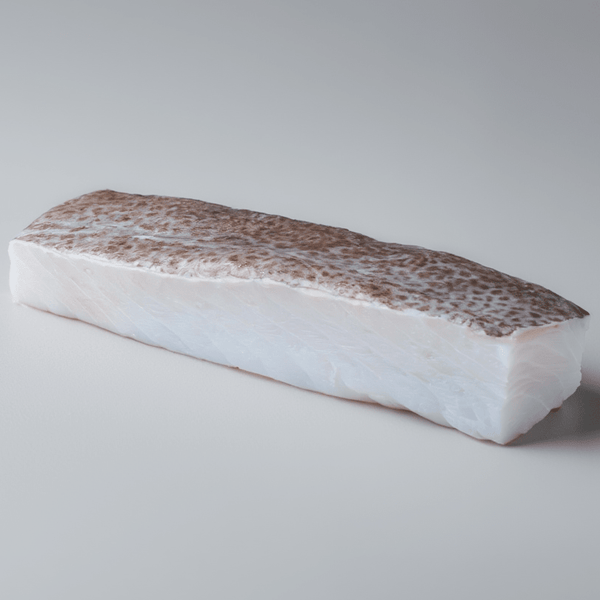
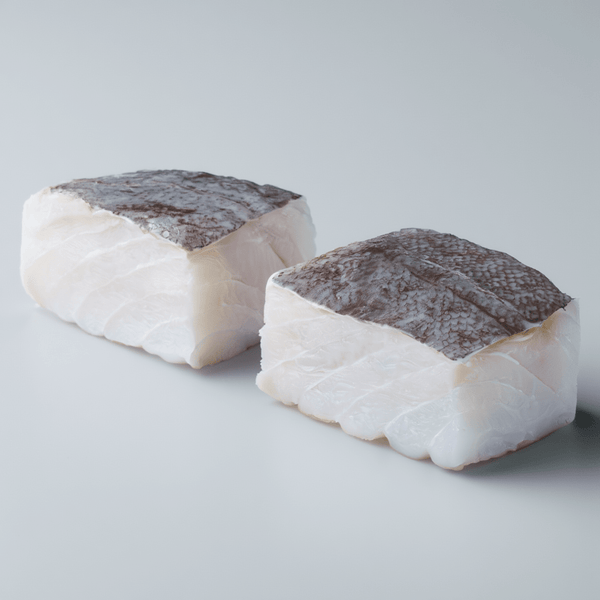
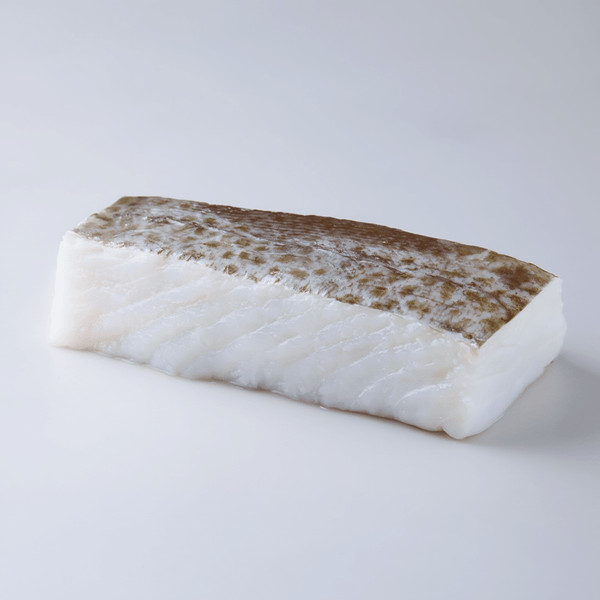
The salt concentration acts as the natural guardian of cod. A properly cured specimen has a firm texture and a uniform whitish color. Cod from Iceland and Norway, for example, often undergo more rigorous salting processes, which significantly extends their shelf life.

Dehydration also plays a crucial role. Cod with less than 20% residual moisture can be stored for longer periods without compromising its gastronomic integrity.
Origin and quality of the fish
Not all cod are created equal. Specimens caught in the cold waters of the North Atlantic have denser flesh that is more resistant to decomposition. The freshness of the fish before the salting process also directly influences its subsequent durability.
"A top-quality, properly salted cod can easily last over a year while maintaining all its organoleptic properties intact."

Professional techniques for preserving salted cod
Ideal environmental conditions
Storing salted cod requires a cool, dry environment. The ideal temperature ranges between 10°C and 15°C, with relative humidity not exceeding 65%. These conditions prevent bacterial proliferation and maintain the product's characteristic texture.

It is essential to avoid sudden temperature fluctuations. A well-ventilated basement or a cool pantry are excellent locations for this purpose.
Packaging and protection methods
Vacuum packing represents the most effective technique for extending the shelf life of salted cod. This method removes oxygen, the main cause of lipid oxidation and the development of rancid flavors.
Alternatively, wrapping in parchment paper followed by an airtight bag offers adequate protection for shorter periods. Never use common plastic, as it can generate condensation and promote microbial growth.
Related Bacalalo Products


Unequivocal signs of deterioration: when to discard cod
Recognizing signs of spoilage can save you from an unpleasant culinary experience. Pay attention to these indicators:
- Appearance of greenish or yellowish spots on the surface
- Strong ammonia smell that surpasses the natural aroma of salted fish
- Slimy or sticky texture to the touch
- Presence of visible mold, especially in thicker areas
- Abnormal reddish or brownish coloration

Is it safe to consume cod with slight color changes?
Minor chromatic variations do not always indicate deterioration. A slight superficial yellowing can be due to the natural oxidation of proteins, especially in larger specimens. However, if in doubt, it is preferable to consult a specialist in salted products.
Maximizing shelf life: expert tips
To optimize the preservation of your salted cod, consider these professional tips:
| Period | Preservation method | Expected duration |
|---|---|---|
| Short term | Refrigeration wrapped in paper | 2-3 weeks |
| Medium term | Vacuum packed in cold storage | 3-6 months |
| Long term | Controlled and dry environment | 6-24 months |
Remember that the initial quality of the product largely determines its longevity. Investing in top-quality cod not only guarantees better culinary results but also greater peace of mind regarding its preservation.
Worried about expiry dates? Buy just what you need
Order with cold shipping in 24-48h. No need to accumulate stock at home.
Discover Bacalalo Pack — €19.90
⭐ 4.9/5 · Cold shipping 24-48h · Since 1990
Discover our premium selection
Carefully selected seafood products since 1990 at Mercat del Ninot, Barcelona. Refrigerated shipping in 24-48h.
Conclusions
- How long does salted cod really last?: "A top-quality, properly salted cod can easily last over a year while maintaining all its organoleptic properties intact.
- Professional techniques for preserving salted cod: Discover our selection of desalted cod at Bacalalo.
Discover our selection of desalted cod at Bacalalo.
Frequently asked questions
What is the most important advice regarding how long salted cod lasts?
Summary: "A top-quality, properly salted cod can easily last over a year while maintaining all its organoleptic properties intact."
What mistakes should I avoid?
It is essential to avoid sudden temperature fluctuations. A well-ventilated basement or a cool pantry are excellent locations for this purpose.
Is cod difficult to prepare?
Summary: "First-class cod, properly salted, can easily be stored for over a year while maintaining all its organoleptic properties intact."
Where can I learn more about this topic?
In this article on how long salted cod lasts, you will find detailed information to answer this question. We recommend reading the complete guide for a more precise answer.