

Summary: Discover our selection of salted cod at Bacalalo.
Discover our entire catalog at Bacalalo, cod specialists since 1990.
- Why confusing ling with cod can ruin your dish
- Comparative anatomy: infallible visual clues
- Body structure and proportions
- Pigmentation and skin patterns
- Decisive organoleptic differences
- Muscle texture and consistency
- Aromatic and taste profile
- Smart shopping strategies
- Verification at point of sale
- Indicators of freshness and quality
Content
Why confusing ling with cod can ruin your dish
Imagine preparing that special stew for the family dinner and discovering that what you thought was premium cod turns out to be ling. The texture changes, the flavor fades, and your gastronomic investment vanishes. This confusion happens more frequently than you imagine, especially when we buy without knowing the distinctive clues.

Ling (Molva molva) belongs to the Gadidae family, just like cod, but its organoleptic characteristics differ substantially. While authentic cod has firm muscles and distinctive scales, ling has a softer texture and different pigmentation.
Comparative anatomy: infallible visual clues
Body structure and proportions
Genuine cod exhibits a robust body with a specific length-to-height ratio. Its head represents approximately 25% of the total length, while ling has more elongated and slender proportions. Look at the jaw: cod has a slightly prominent lower jaw with a well-developed barbel.
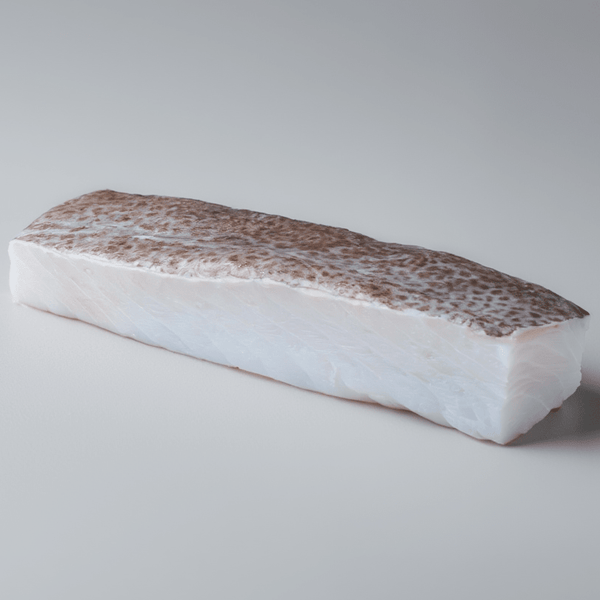
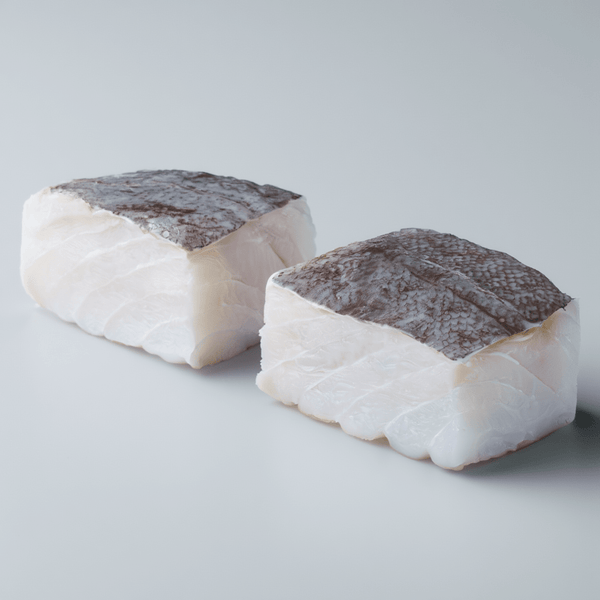
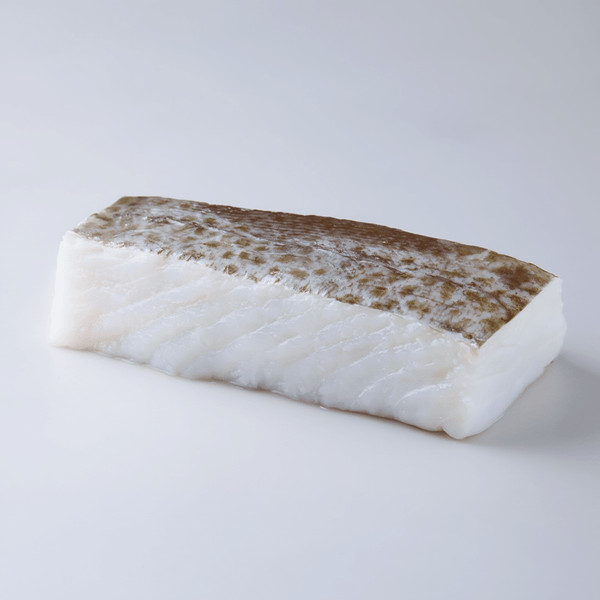
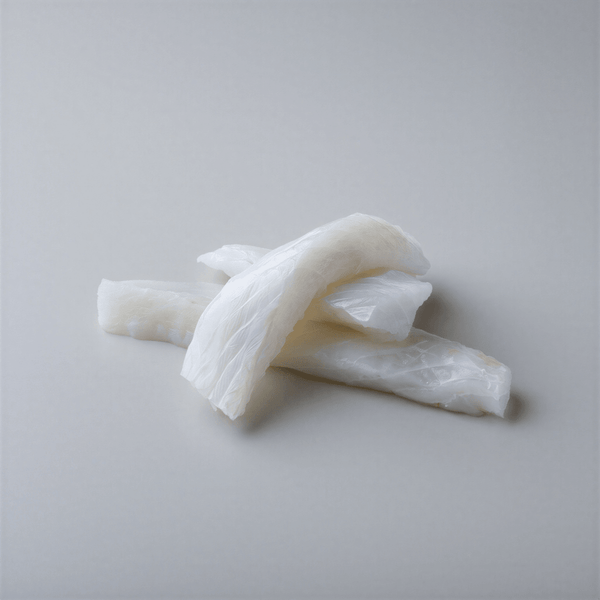
If you are interested in trying other cuts, you can find our entire cod catalog online: loins, supremes, flakes, belly, cheeks, smoked, and brandade.

Cod has three dorsal fins, clearly separate and well-defined. Ling, on the other hand, has more fused and less pronounced fins. This differentiation is crucial when examining whole pieces before processing.
Pigmentation and skin patterns
The dorsal coloration of cod ranges from olive green to grayish brown, with characteristic mottling. Its belly has distinctive whitish or silvery tones. Ling exhibits more uniform tones, tending to reddish-brown without the typical mottling of cod.
"Authentic cod never has that uniform coloration that characterizes ling. Irregular spots are its distinctive signature."
Decisive organoleptic differences

Muscle texture and consistency
Here lies the most noticeable difference for the end consumer. Premium cod has firm muscles that flake into thick, compact pieces. Its texture to the touch is consistent, without excessive softness.
Ling, although tasty, exhibits a softer and less structured texture. When flaked, it forms finer and less cohesive strands. This characteristic significantly affects the final presentation of your culinary preparations.
Aromatic and taste profile
Cod develops a characteristic marine aroma, clean and penetrating without being overpowering. Its flavor has balanced salty notes with subtle sweet nuances. Ling offers a more neutral profile, with less aromatic and taste intensity.
| Characteristic | Cod | Ling |
|---|---|---|
| Texture | Firm, thick flakes | Soft, thin strands |
| Color | Mottled green-brown | Uniform reddish-brown |
| Flavor | Intense, sweet notes | Neutral, less intense |
Related products from Bacalalo


Smart shopping strategies
Verification at point of sale
Always request the scientific name of the product. Authentic cod corresponds to Gadus morhua (Atlantic) or Gadus macrocephalus (Pacific). Any other name indicates different species.
Examine the geographical origin. The best cod comes from cold Nordic waters: Iceland, Norway, Newfoundland, or Alaska. Traceability is a fundamental indicator of quality and authenticity.
Indicators of freshness and quality
- Firm to the touch without soft or sticky areas
- Absence of ammoniacal or unpleasant odors
- Uniform coloration without suspicious discoloration
- Visible sanitary and origin certifications
- Adequate packaging with clear processing dates
Doubts about authenticity? Ask the seller about the salting, desalting, and preservation process. A specialized supplier will always provide detailed information about their products.
The investment in premium cod is justified by its culinary versatility, superior nutritional value, and incomparable gastronomic experience. Correctly distinguishing these species protects your investment and guarantees exceptional culinary results.
Discover our selection of salted cod at Bacalalo.
Conclusions
- Why confusing ling with cod can ruin your dish: Imagine preparing that special stew for the family dinner and discovering that what you thought was premium cod turns out to be ling.
- Comparative anatomy: infallible visual clues: Genuine cod exhibits a robust body with a specific length-to-height ratio.
- Decisive organoleptic differences: Muscle texture and consistency. Here lies the most noticeable difference for the end consumer.
- Smart shopping strategies: Always request the scientific name of the product.
Frequently asked questions
What is the main difference?
Muscle texture and consistency. Here lies the most noticeable difference for the end consumer. Premium cod has firm muscles that flake into thick, compact pieces. Its texture to the touch is consistent, without excessive softness.
Which is the best value for money option?
Examine the geographical origin. The best cod comes from cold Nordic waters: Iceland, Norway, Newfoundland, or Alaska. Traceability is a fundamental indicator of quality and authenticity.
How to choose between the available options?
In this article about ling vs cod, you will find detailed information to answer this question. We recommend reading the complete guide for a more precise answer.
What factors should I consider when comparing?
In this article about ling vs cod, you will find detailed information to answer this question. We recommend reading the complete guide for a more precise answer.
Discover more