Table of Contents
- Introduction: Cod, a Canvas for Wine
- Principles of Fish Pairing
- Why Cod is Different from Any Other Fish
- Cod al Pil Pil: Txakoli and Albariño
- Cod in Green Sauce: Verdejo and Godello
- Battered or Fried Cod: Cava and Manzanilla
- Confit Cod: Aged Chardonnay and Burgundy Whites
- Grilled Cod: Rueda and Penedès Whites
- Baked Cod: Rioja Viura and Garnacha Blanca
- Cod Stews and Casseroles: Light Reds
- Cod Salads and Cold Dishes: Rosés and Txakoli
- Summary Table: Preparation, Wine, and Why it Works
- Buy Your Cod for the Perfect Dinner
- Frequently Asked Questions
- Conclusion
Introduction: Cod, a Canvas for Wine
Few ingredients in Spanish cuisine offer as many possibilities as cod. A product that, depending on how you prepare it, can be delicate and silky, crispy and golden, or intense and comforting. And this versatility is precisely what makes it one of the best allies of a good bottle of wine.
But here's the problem: most pairing guides simply say "fish with white wine" and move on. With cod, that rule falls short. Cod al pil pil, with its oil and garlic emulsion, has nothing to do with crispy battered cod or a cod and chickpea stew. Each preparation transforms the texture, fat, and intensity of the dish, and therefore demands a different wine.
In this guide, we will review, preparation by preparation, which wines work best with cod and, most importantly, why. Because when you understand the principles, you stop memorizing combinations and start getting it right intuitively. Of course: a well-founded intuition.
Principles of Fish Pairing: The Foundation Before Choosing a Bottle
Before delving into specific recipes, it is important to understand the general rules governing fish pairing. They are not immutable dogmas, but rather guidelines that work 90% of the time.
1. Fat is King
The most determining factor in a pairing is not whether the dish contains meat or fish: it is the amount and type of fat. Cod confited in extra virgin olive oil is a fatty dish that needs a full-bodied wine with enough acidity to cut through that richness. Grilled cod, lightly seasoned, calls for the opposite: a light wine that doesn't overpower its flavor.
2. Acidity Seeks Acidity
A dish with acidic components — lemon, vinegar, tomato, green sauce — pairs better with wines that also have good acidity. If you combine an acidic dish with a flat wine, the wine tastes watery and loses all its charm.
3. Tannins and Fish Are Not Usually Friends
The tannins in red wine react with the proteins in fish and can create an unpleasant metallic aftertaste. That's why the classic "fish with white wine" rule has a chemical basis. But beware: with intense preparations like stews or casseroles, a light red with low tannins can work perfectly.
4. Complement or Contrast
A pairing can go two ways: complement (similar flavors that reinforce each other) or contrast (opposite flavors that balance each other). Both are valid. An Albariño with cod al pil pil complements the salinity of the dish. A Cava Brut with battered cod contrasts the effervescence with the frying. Both work, but for different reasons.
Why Cod is Different from Any Other Fish
Cod is not sea bass or gilthead bream. It has its own characteristics that make it unique on the table and, by extension, in pairing:
- Variable texture: depending on the preparation, cod can be flaky and gelatinous (pil pil), firm and juicy (grilled), crispy (battered) or broken into flakes (stews). Each texture interacts differently with the wine in the mouth.
- Absorption capacity: rehydrated cod absorbs the flavors of sauce, oil, and aromatics like few other fish. This means that the pairing must consider not only the fish, but the entire dish.
- Gelatin content: quality pieces, especially kokotxa and parts near the backbone, release natural gelatin that adds body and richness to the dish. This increases the "power" of the dish and allows for wines with more structure.
- Residual salt point: even when well rehydrated, cod retains a saline touch that enhances certain wines — especially mineral and iodized ones.
All of this makes cod an ingredient that can go with everything from a young, light Txakoli to an aged, oaked Chardonnay. The key lies in the preparation.
Cod al Pil Pil: Txakoli and Albariño
Pil pil is proof that simplicity can be sublime. Olive oil, garlic, chili, and the gelatin from the cod itself. The result is a silky emulsion, with an intense sea flavor and a spicy kick that warms the palate.
Recommended wine: Txakoli (DO Getaria / Bizkaiko Txakolina) or Albariño (DO Rías Baixas)
Txakoli is the natural companion for pil pil for several reasons. Its high acidity cuts through the fat of the emulsified oil. Its slight carbonic fizz cleanses the palate between bites. And its Atlantic character — mineral, saline, with citrus notes — connects with the dish's marine origin. Look for a Txakoli from Getaria from the latest vintage, served chilled (8-10 °C), poured from a height as tradition dictates.
If you prefer something with more body, an Albariño from Rías Baixas brings white fruit (apple, peach) that complements the richness of the pil pil without competing with its flavor. Albariños with some fine lees are especially good here, because the creaminess of the wine dialogues with the creaminess of the sauce.
Cod in Green Sauce: Verdejo and Godello
Green sauce — parsley, garlic, flour, fish stock, and sometimes clams or asparagus — is another undisputed classic. A dish with medium body, herbaceous, and moderate acidity from the fish stock.
Recommended wine: Verdejo (DO Rueda) or Godello (DO Valdeorras / DO Bierzo)
Young Verdejo from Rueda has an herbaceous profile — fennel, fresh grass, lime — that perfectly matches the parsley notes of the green sauce. Its medium-high acidity keeps the pairing fresh without being aggressive, and its mouthfeel has just the right structure for a medium-bodied dish.
Godello is the alternative for those seeking more complexity. Versions from Valdeorras or O Bierzo (Bierzo) have floral notes, stone fruit, and a mineral background that adds depth to the pairing. If the green sauce includes clams, Godello gains extra points: its slight minerality connects with the salinity of the bivalves.
A practical tip: if your green sauce contains peas or asparagus, avoid heavily oaked wines. The combination of green vegetables and oak can create an unpleasant bitter taste.
Battered or Fried Cod: Cava and Manzanilla
Battered cod is a celebration. Crispy crust, juicy interior, served hot with a squeeze of lemon. A dish where frying is the star and needs a wine that complements it without making it heavier.
Recommended wine: Cava Brut Nature (DO Cava) or Manzanilla (DO Manzanilla-Sanlúcar de Barrameda)
Bubbles are frying's best friend. Cava Brut Nature — with no added sugar — provides effervescence that literally cleanses the palate of fat, acidity that refreshes, and a light body that doesn't compete with the dish. Aged Cavas with 18+ months of aging add toasted bread notes that complement the crispy crust of the battered cod. Look for producers from Penedès or Alt Penedès for the best value for money.
Manzanilla from Sanlúcar is the other great option. Dry, salty, with notes of almond and yeast, and a sharp acidity that cuts through the frying like a knife. Served very chilled (6-8 °C), Manzanilla turns simple fried cod into a gastronomic experience. If you're also preparing cod fritters, Manzanilla is unbeatable.
Confit Cod: Aged Chardonnay and Burgundy Whites
Confit cod — slowly cooked in olive oil at a low temperature — is the most luxurious preparation. The meat is silky, almost melting, saturated with oil flavored with herbs and garlic. A haute cuisine dish that demands a wine of equal caliber.
Recommended wine: Barrel-aged Chardonnay (Burgundy style) or barrel-fermented whites
Here you need a full-bodied wine. Chardonnay fermented or aged in oak barrels — whether a white Burgundy (Meursault, Puligny-Montrachet) or a Spanish aged Chardonnay (Costers del Segre, Somontano, Navarra) — has the structure, richness, and complexity to dialogue with such a rich and elegant dish.
The notes of butter, vanilla, toast, and ripe fruit from barrel-aged Chardonnay complement the richness of the confit. And the underlying acidity of the wine — essential: look for producers who maintain good acidity under the wood — prevents the whole from being cloying.
A top Spanish alternative: a barrel-fermented Rioja white (Viura with Malvasía) or an aged Xarel·lo from Penedès. Both offer that creamy and toasted profile at more accessible prices than a Burgundy.
Grilled Cod: Rueda and Penedès Whites
Grilled cod is pure minimalism. Crispy skin, firm flesh, a drizzle of olive oil, and little else. Here the star is the cod itself, without sauces to mask it.
Recommended wine: Young Rueda Verdejo or Penedès whites (Xarel·lo, Macabeo)
With such a clean preparation, the wine must be equally straightforward. A young Verdejo from DO Rueda — fruity, herbaceous, with good acidity and no oak aging — is the safe choice. It respects the flavor of the cod, enhances it with its freshness, and does not add unnecessary complexity to a dish that doesn't ask for it.
Young whites from Penedès, especially single-varietal Xarel·lo, are a fantastic local option if you're in Catalonia. Xarel·lo has a mineral and slightly bitter personality that pairs well with the toasted point of the grilled skin. Young Macabeo also works: softer, more floral, ideal if the cod has a simple lemon and parsley dressing.
Serving temperature: 8-10 °C. Too cold and you'll lose the aromas; too warm and the wine will seem heavy alongside such a light dish.
Baked Cod: Rioja Viura and Garnacha Blanca
Baked cod allows for a thousand variations: with potato gratin, with peppers, with caramelized onions, gratinéed with aioli... It's generally a heartier dish than grilled cod, but less fatty than confit. A middle ground that calls for wines with moderate structure.
Recommended wine: Rioja Viura (with or without aging) or Garnacha Blanca (DO Terra Alta, DO Campo de Borja)
Viura is the most planted white grape in Rioja and, when well made, produces wines with a discreet elegance that pairs wonderfully with baked preparations. Young Viuras offer citrus and floral freshness. Viuras with barrel aging — the classic Riojan style — add complexity (walnut, chamomile, honey) that dialogues with the caramelized flavors of baked vegetables.
Garnacha Blanca from Terra Alta is a discovery for many. Wines with medium-high body, notes of ripe peach, Mediterranean herbs, and a mineral background reminiscent of limestone. Perfect for baked cod with peppers and potatoes, where you need a wine that accompanies without dominating.
If your recipe includes gratinated aioli, step it up: look for an aged Garnacha Blanca or a Rioja Viura Reserva. The garlic and fat of the aioli demand more wine.
Cod Stews and Casseroles: Light Reds
Here we break the rule. Cod stews and casseroles — with chickpeas, spinach, tomato, paprika — are hearty, comforting spoon dishes. Winter dishes that, due to their intensity and temperature, perfectly accommodate a light red.
Recommended wine: Mencía (DO Bierzo) or Pinot Noir (DO Navarra, DO Penedès)
Mencía from Bierzo is the star choice. A light red, fruity (cherry, raspberry, violet), with soft tannins and vibrant acidity that integrates with the spiced broths of a stew. Mencía does not overpower the cod — it has enough delicacy to respect the fish — but it provides the fruity and earthy counterpoint that a spoon stew appreciates.
Spanish Pinot Noir — from Navarra or Penedès — is the elegant alternative. More silky than Mencía, with notes of strawberry and damp earth, it works especially well with stews that include tomato or paprika, where its earthy nuances complement the spice of the dish.
Important: serve these reds slightly chilled (14-15 °C, not at room temperature). A wine that is too warm alongside a hot stew can feel heavy. The slight coolness of the wine provides contrast and balance.
Cod Salads and Cold Dishes: Rosés and Txakoli
Cod salads — with tomato, onion, pepper, olives, or in Catalan esqueixada — are fresh dishes, with acidity from vinegar or lemon, and no cooking to intensify the flavors. Summer dishes that call for equally fresh wines.
Recommended wine: Dry Rosé from Navarra or Provence, or Rosé Txakoli
A dry Garnacha rosé from Navarra — pale, with notes of strawberry, grapefruit, and herbs — is the perfect pairing for an esqueixada or a cod salad with tomato. It has the acidity to compete with the vinegar in the dressing, the fruitiness to complement the raw vegetables, and the lightness not to dominate a delicate dish.
Rosé Txakoli (from the Hondarrabi Beltza grape) is a more Atlantic alternative: more acidic, more mineral, with a carbonic fizz that adds vivacity. Perfect if the salad includes raw onion or Gernika peppers, where that cutting acidity balances the more intense flavors.
Temperature: 6-8 °C. Rosés and salads share a virtue: they are best served well chilled.
Summary Table: Each Preparation with its Ideal Wine
| Preparation | Wine Type | DO / Region | Why it Works |
|---|---|---|---|
| Pil Pil | Txakoli / Albariño | DO Getaria / DO Rías Baixas | Acidity and salinity cut through fatty emulsion; mineral notes connect with the sea |
| Green Sauce | Verdejo / Godello | DO Rueda / DO Valdeorras | Herbaceous profile complements parsley; medium acidity balances the broth |
| Battered / Fried | Cava Brut Nature / Manzanilla | DO Cava / DO Manzanilla-Sanlúcar | Bubbles and acidity clean fat from frying; Manzanilla's salinity complements |
| Confit | Aged Chardonnay / aged white | Burgundy / Costers del Segre / Rioja | Wine's body and richness match a rich, silky dish |
| Grilled | Young Verdejo / Xarel·lo | DO Rueda / DO Penedès | Light, straightforward wine that respects cod's flavor without masking it |
| Baked | Viura / Garnacha Blanca | DOCa Rioja / DO Terra Alta | Medium structure accompanies roasted vegetables; Mediterranean notes complement |
| Stews and Casseroles | Mencía / Pinot Noir | DO Bierzo / DO Navarra | Light reds with soft tannins that don't clash with fish; fruit and earth complement spices |
| Salads / Cold | Dry Rosé / Rosé Txakoli | DO Navarra / DO Getaria | Freshness and acidity balance the vinegar in the dressing; lightness for no-cook dishes |
The first step: good cod
You can have the best bottle in the world, but if the cod isn't up to par, the pairing won't work. The quality of the product is the foundation of everything. Well-cured cod, from a selected origin and properly desalted, makes the difference between a memorable dish and an ordinary one.
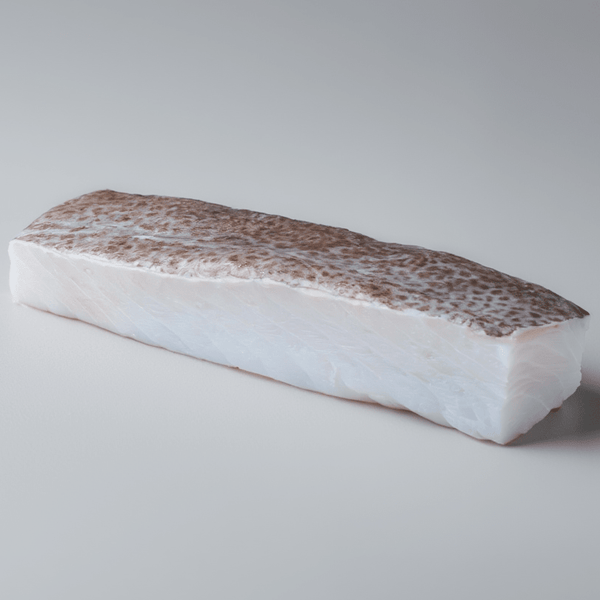
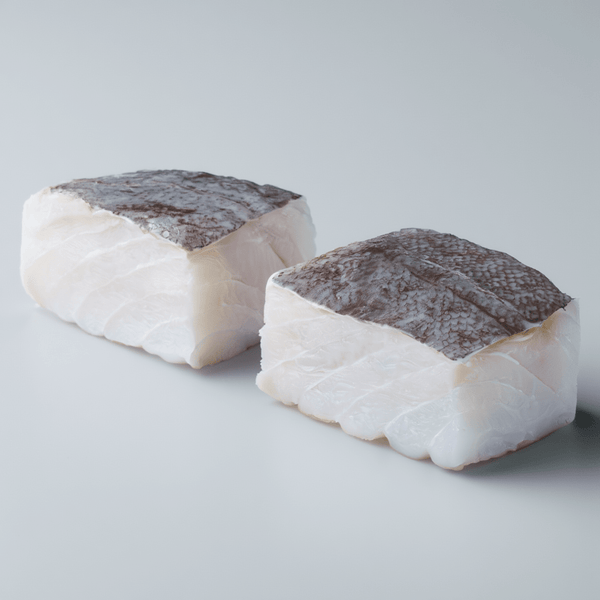
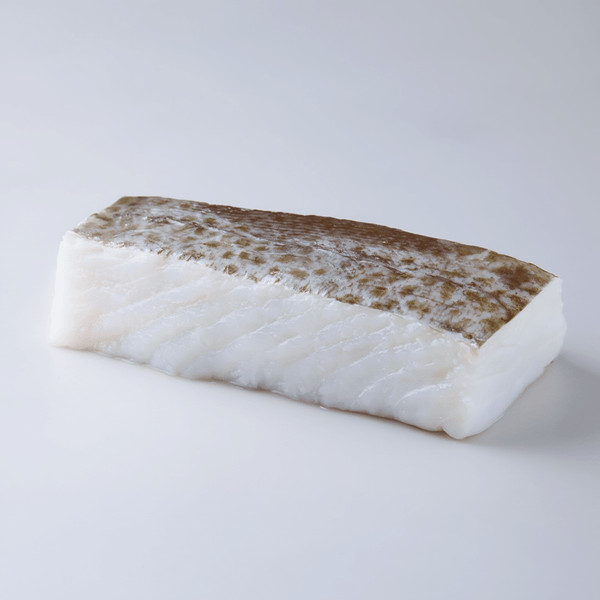
In our selection of desalted cod, you'll find pieces ready to cook: loins, flakes, kokotxas, and other cuts, all from premium sources and prepared with just the right amount of salt. Choose your cut according to the recipe, open the appropriate bottle, and get ready for a dinner you'll remember.
Frequently Asked Questions about Cod and Wine Pairings
Can you drink red wine with cod?
Yes, but with nuances. Red wine works with intense preparations like stews, hearty soups, or cod with tomato and paprika. The key is to choose light red wines with low tannins — Mencía from Bierzo, Pinot Noir, or even a young carbonic maceration Garnacha. Avoid red wines with a lot of oak or pronounced tannins (Cabernet, Tempranillo Gran Reserva), as they can create a metallic aftertaste with fish.
What wine goes best with Bacalao al Pil Pil?
Txakoli from Getaria is the classic pairing and, in our opinion, the most accurate. Its high acidity cuts through the fatty emulsion of the pil pil, its carbonic needle refreshes the palate, and its salinity connects with the dish's marine origin. If you can't find Txakoli, a young Albariño from Rías Baixas is an excellent alternative.
What temperature should I serve wine with cod?
It depends on the type of wine: young whites and rosés at 6-8 °C, aged whites at 10-12 °C, light reds at 14-15 °C. A very common mistake is to serve whites too cold (straight from the fridge, at 4 °C), which dulls their aromas. Take the bottle out of the fridge 10-15 minutes before serving.
Does Cava work with all cod preparations?
Cava is very versatile, but it truly shines with fried foods (battered, fritters) and light preparations (grilled, salads). With very fatty dishes like confit or pil pil, Cava might fall short in body. If you want to use sparkling wine with those dishes, look for a Cava Gran Reserva with long aging, which will have more structure.
Is young wine or aged wine better for pairing with cod?
As a general rule, young wine works better with simple preparations (grilled, salad, battered) and aged wine with more elaborate preparations (confit, oven-gratinéed, complex stews). Barrel aging adds complexity and body to the wine, which pairs well with dishes that also have layers of flavor. For a pil pil or a green sauce, a young, fresh white is almost always a better option.
Can I pair cod with sweet wines?
It's not common, but some combinations work. A German Riesling with residual sugar (Kabinett or Spätlese) can be spectacular with cod with caramelized onion or with a lightly spiced preparation (mild curry, for example). Also, a very cold Pedro Ximénez can accompany a cod dessert — yes, they exist. But for classic Spanish recipes, dry wines are the safe bet.
Is there any wine I should NEVER pair with cod?
Avoid very tannic red wines with a lot of new oak: concentrated Cabernet Sauvignon, Syrah with long aging, Toro with 18 months in barrel. Aggressive tannins clash with fish proteins and create a bitter metallic taste. Also avoid very sweet wines (Moscatel, PX) with classic savory preparations, as the sweet-savory contrast can be unbalanced.
What wine should I serve with cod in tomato sauce?
Bacalao a la Vizcaína or cod with tomato and "choricero" pepper sauce is a dish with intensity and a sweet touch from the candied tomato. A full-bodied rosé (Navarran Garnacha) or a light young red (Mencía, carbonic maceration Garnacha) work very well. If you prefer white, a Godello or a Viura with some aging have the structure to stand up to the sauce's intensity.
🛒 Products mentioned in this article
⭐ 4.9/5 · Chilled delivery 24-48h · Since 1990 at Mercat del Ninot
Conclusion: getting it right is easier than it seems
Pairing cod with wine doesn't have to be complicated. If you remember two principles — the fat in the dish determines the body of the wine, and acidity goes well with acidity — you'll get it right most of the time.
But the most important thing is this: the best pairing is the one you like. These recommendations are based on solid oenological and gastronomic principles, but each person's palate is unique. If one day you open a Rioja Crianza with your pil pil and you love it, don't let any guide tell you otherwise.
What always makes a difference, however, is the quality of the product. Good cod, well-desalted and well-cooked, will make any decent wine shine. And an excellent wine won't save mediocre cod. So start there: choose your raw material well, pick a preparation you fancy, and open the bottle that best fits.
Cheers, and bon appétit.
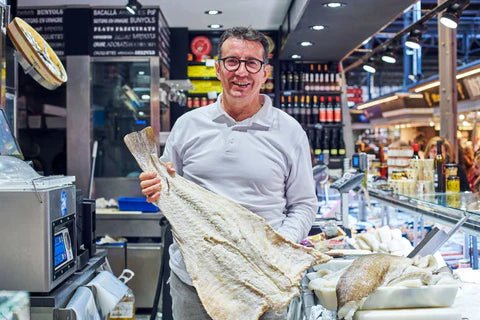
Marc González Sáez — Third generation in the cod business. From Mercat del Ninot in Barcelona, he selects the best origin pieces for clients and restaurants.