Summary: Confit cod inspired by Karlos Arguiñano's style is the perfect demonstration that cooking well doesn't mean making things complicated. A slow and delicate cooking process in extra virgin olive oil at a controlled temperature transforms an Icelandic cod loin into a silky, juicy, and flavorful bite. We explain step-by-step how to replicate Arguiñano's home-style philosophy with a restaurant-worthy result.
Discover our entire catalog at Bacalalo, cod specialists since 1990.
Table of Contents
Arguiñano and the art of confit: simplicity that captivates
If there's one thing that defines Karlos Arguiñano's cooking, it's his ability to turn sophisticated-sounding techniques into processes accessible to anyone. Confit – cooking food submerged in fat at a low, constant temperature – is a perfect example. What in fine dining requires precision thermometers and sous vide equipment, Arguiñano solves with a pot, olive oil, and patience.
His philosophy is clear: the product rules. If you have good cod, you don't need elaborate sauces or complicated garnishes. Just treat it with respect, cook it slowly, and let it speak for itself. Confit is precisely that: a technique that doesn't add strange flavors, but enhances what the cod already has. The texture is silky, the flakes separate with a fork, and the flavor is pure and concentrated.
This recipe is inspired by Arguiñano's style; it is not a literal reproduction of any of his broadcasts. We have adapted the principles of his cuisine – premium product, simple technique, zero artifice – to use premium Icelandic cod from Bacalalo, which has been selecting the best pieces at Mercat del Ninot in Barcelona since 1990.
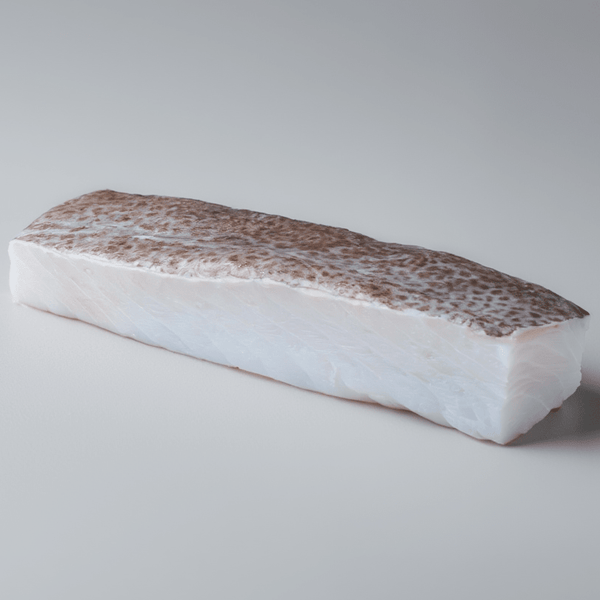
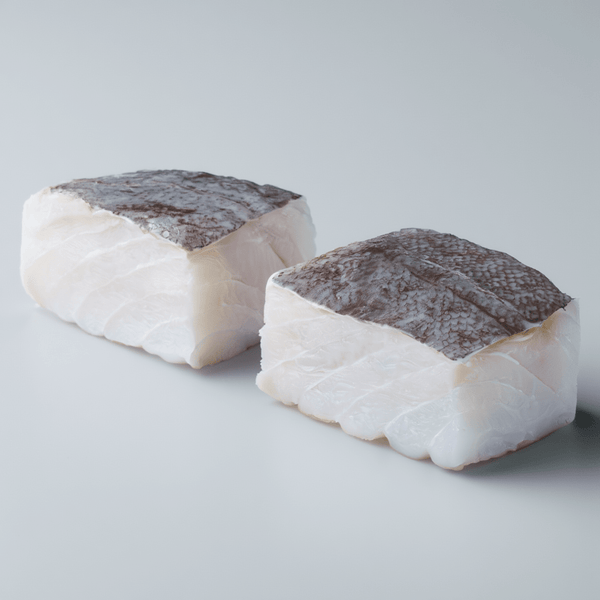
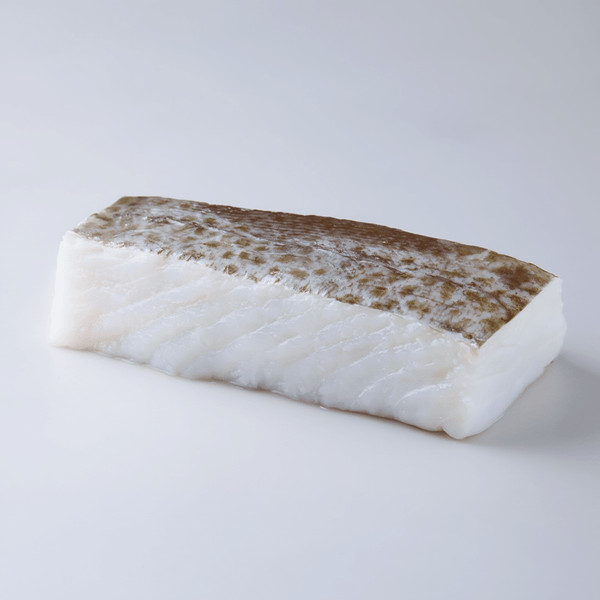
Icelandic cod is ideal for confit because its loins are thick, with long, firm fibers that maintain their structure during slow cooking. Lower quality cod would fall apart too much; Icelandic cod remains whole, juicy, and with that flaky texture that is the hallmark of a great confit.
Ingredients for confit cod
For 4 people
For the confit
- 4 Icelandic cod loins (150-180 g each, desalted)
- 500 ml extra virgin olive oil (mild, like arbequina)
- 4 cloves garlic, peeled and lightly crushed
- 1 dried chili (optional)
- 2 sprigs fresh parsley
For the basic garnish
- 500 g potatoes
- 1 green bell pepper
- Maldon sea salt flakes
- Fresh chopped parsley
The perfect loin for confit
Preparing the cod before confit
The pre-preparation of the cod is as important as the cooking itself. If you use dried cod, desalinate it in cold water in the refrigerator for 36-48 hours, changing the water every 8-10 hours. If you use already desalted cod, this step is not necessary.
Once desalted, thoroughly dry the loins with paper towels. Surface moisture is the enemy of confit: if the cod is wet, the oil will sputter and the cooking will be uneven. Arguiñano often emphasizes this detail: "dry it well, water and oil don't get along."
Check the loins and remove any visible bones with kitchen tweezers. Run your fingers over the surface to detect small bones. If the loins have skin, leave it on: it will soften during confit, and you can give it a quick sear at the end to make it crispy.
Bring the cod to room temperature by taking it out of the refrigerator 20 minutes before cooking. A cold loin from the refrigerator will need more confit time and the cooking will be less uniform. Ideally, it should be at room temperature.
Confit technique step-by-step
Step 1: Infuse the oil
Pour the extra virgin olive oil into a wide, shallow pot (like a rondeau or sauté pan). The oil should generously cover the loins, so adjust the amount according to your pot size. Add the crushed garlic cloves, dried chili, and parsley sprigs.
Heat over very low heat until the oil reaches 55-65°C. If you have a kitchen thermometer, use it. If not, Arguiñano's trick: insert the handle of a wooden spoon into the oil. If small bubbles form around the wood, it's ready. If it bubbles strongly, it's too hot.
Step 2: Submerge the cod
Carefully place the cod loins into the infused oil. They should be completely submerged. If any part pokes out, add more oil. The heat should be kept at the absolute minimum – on most stoves, this means the lowest setting on the smallest burner.
The temperature should never exceed 70°C. If you see the oil starting to bubble actively, remove the pot from the heat for a few minutes. Confit is a technique of patience: the cod cooks very slowly, and that's precisely what makes it special.
Step 3: Slow cooking
Confit the cod for 20-30 minutes, depending on the thickness of the loins. A 3 cm loin will need about 25 minutes; a thinner one, 15-20. You'll know it's ready when the flakes begin to separate slightly when gently pressed with a spatula, and the flesh has turned from translucent to opaque white.
Do not stir or turn the loins during cooking. Confit is static – the enveloping heat of the oil cooks evenly on all sides. Moving the cod would only break it apart.
Step 4: Remove and serve
Using a slotted spoon or a wide spatula, carefully remove the loins from the oil. Drain them briefly on paper towels. If you want crispy skin, place the loins skin-side down in a very hot pan for 30 seconds – only the skin should touch the pan, and you'll achieve a spectacular contrast of textures.
Serve immediately over the chosen garnish, with a drizzle of the strained confit oil on top and a sprinkle of Maldon salt flakes.
Accompaniments for confit cod
Arguiñano's philosophy with accompaniments is not to compete with the main star. Confit cod has a delicate flavor and a silky texture that call for simple garnishes:
- Confit potatoes: Peel and slice potatoes 1 cm thick. Confit them in the same cod oil (once the fish is removed, raise to 80°C) for 20-25 minutes until tender. Serve them as the base for the cod.
- Piquillo peppers: Briefly heated in a pan with sliced garlic. Their sweetness complements the richness of the confit.
- Light pil-pil: Strain some of the confit oil and emulsify it in a wide pan by gently shaking. The cod's gelatin will have thickened the oil, creating a natural pil-pil sauce with no extra effort.
- Seasonal vegetables: Grilled green asparagus, confit leeks, or sautéed spinach. Arguiñano would say: "whatever you have in the fridge, well-made."
- Warm salad: Sliced tomatoes, thinly sliced sweet onion, and black olives, dressed with the confit oil.
Arguiñano-style tips for perfect confit
These principles capture the essence of Arguiñano's approach applied to confit cod:
- Mild extra virgin olive oil: Arguiñano prefers mild oils like arbequina or young picual for confit. A bitter or spicy oil will transfer those notes to the cod. Reserve intense oil for salads.
- Low and constant temperature: If in doubt, err on the side of low. Cod confit at 55°C will take longer but will be juicier than one at 75°C. Haste is the worst enemy of confit.
- Do not salt beforehand: The cod already contains salt from desalting. Adding more salt before confit will make it too salty. Adjust the salt when serving, with Maldon salt flakes on top.
- Reuse the oil: The confit oil becomes flavored with the gelatin and juices of the cod. Strain it and store it in the refrigerator for up to a week. Use it to make a pil-pil, sauté vegetables, or dress salads with spectacular flavor.
- Uniform thickness: If your loins have very different thicknesses, the confit will be uneven. Try to make them all a similar thickness, or remove thinner ones sooner and leave thicker ones longer.
- The skin: crispy finish: Although confit leaves the skin soft, a final sear in a very hot pan (30 seconds, skin only) gives it a crispiness that wonderfully contrasts with the silky texture of the interior.
In summary, the key to Arguiñano's style comes down to three words: product, patience, and simplicity. Quality Icelandic cod, good oil, and low heat. Everything else is accessory.
Premium Seafood Products — Bacalalo
Since 1990 selecting the best from the sea at Mercat del Ninot, Barcelona. Refrigerated shipping 24-48h.
See desalted cod →The ideal cod for confit: Extra Desalted Nape with maximum gelatin
900g thick loin, perfect for low-temperature confit.
€44.90
View product →Frequently asked questions
What exact temperature does the oil need for cod confit?
The ideal temperature is between 55 and 65°C, never exceeding 70°C. At this temperature, the cod proteins cook very slowly, preserving all the juiciness. If you don't have a thermometer, the trick is that the oil should barely bubble when you insert a wooden spoon handle.
Can I confit cod with sunflower oil?
Technically yes, but the result will be inferior. Extra virgin olive oil adds flavor nuances that sunflower oil lacks. Furthermore, olive oil has a higher smoke point and is more stable at low temperatures. If you want to save money, mix half olive and half sunflower, but never use only sunflower oil.
How long does confit cod take to cook?
It depends on the thickness of the loin. A 2 cm loin needs about 15-20 minutes; a 3 cm one, between 25-30 minutes. The cod is ready when the flesh turns from translucent to opaque white and the flakes begin to separate slightly when pressed with a spatula.
Can frozen cod be confit?
It is not recommended to confit cod directly from the freezer. Thaw it first in the refrigerator for 24 hours and dry it very well before confit. The moisture from thawing would cause the oil to sputter and the cooking would be uneven.
Can confit cod be reheated?
Yes, but with care. The best way is to re-submerge it in oil at 50°C for 5-10 minutes. The microwave is the worst option because it dries out the fish and destroys the silky texture of the confit. You can also reheat it by steaming, covered with aluminum foil in the oven at 100°C for 10 minutes.
What type of cod is best for confit?
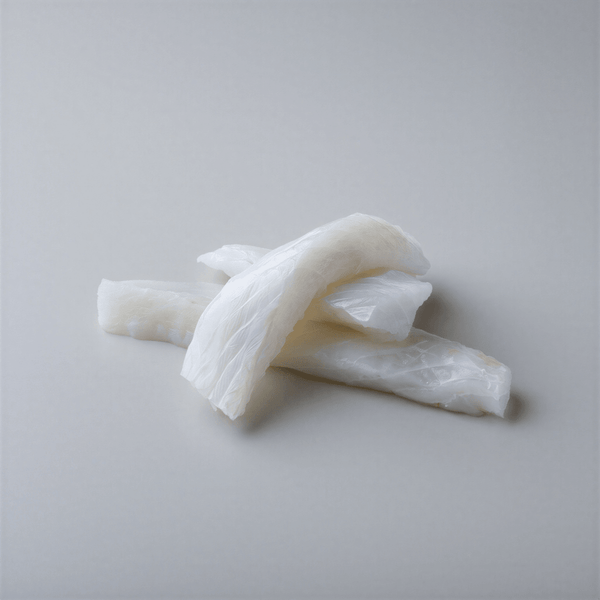
The loin is the ideal cut for confit because its thickness allows for uniform cooking and maintains juiciness. Icelandic cod is especially suitable due to its long and firm fibers. Avoid very thin pieces like tails or flakes, which fall apart with slow cooking.
Products you might be interested in