Summary: The secret to perfect cod for pil pil The star cuts: "penca" and "cocochas" Cod "penca": the gelatinous heart "Cocochas": small gelatinous gems Preparation techniques to maximize gelatin Desalting: first step to success How to emulsify pil pil: the movement technique Factors that determine the best cod for pil pil Origin and quality of the fish Artisanal cutting makes a difference Common mistakes and how to avoid them Frequently asked questions about cod for pil pil var coll = document.getElementsByClassName("tpt-toc-collapsible"); var i; console.
- The secret to perfect cod for pil pil
- The star cuts: "penca" and "cocochas"
- Cod "penca": the gelatinous heart
- "Cocochas": small gelatinous gems
- Preparation techniques to maximize gelatin
- Desalting: first step to success
- How to emulsify pil pil: the movement technique
- Factors that determine the best cod for pil pil
- Origin and quality of the fish
- Artisanal cutting makes a difference
- Common mistakes and how to avoid them
- Frequently asked questions about cod for pil pil
The secret to perfect cod for pil pil
Pil pil is much more than a Basque culinary technique. It is a dance between oil, garlic, and the natural gelatin of cod that requires precision and, above all, the right cut of fish. Not all cuts are suitable for achieving that perfect emulsion that characterizes this iconic dish.
The magic of pil pil lies in its apparent simplicity, but behind that simplicity lies a deep knowledge of the gelling properties of cod. Each piece of fish provides different amounts of collagen, and this variability determines the success or failure of your preparation.
"The best cod for pil pil is not necessarily the most expensive, but rather the one that includes the parts with the highest concentration of natural gelatin"
The star cuts: "penca" and "cocochas"
Cod "penca": the gelatinous heart
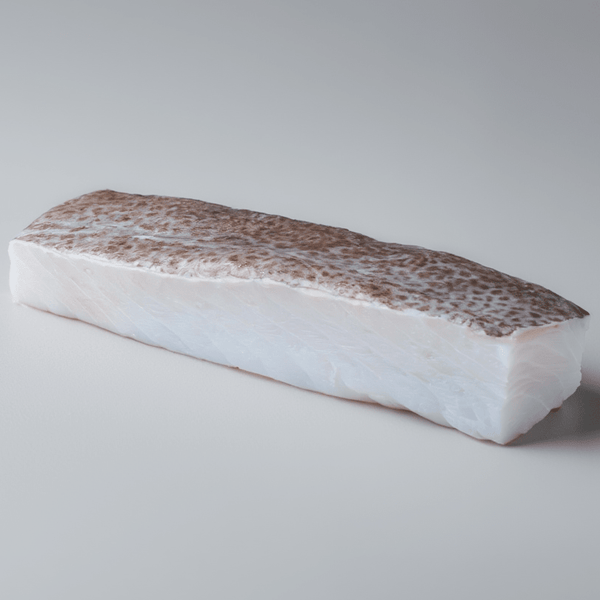
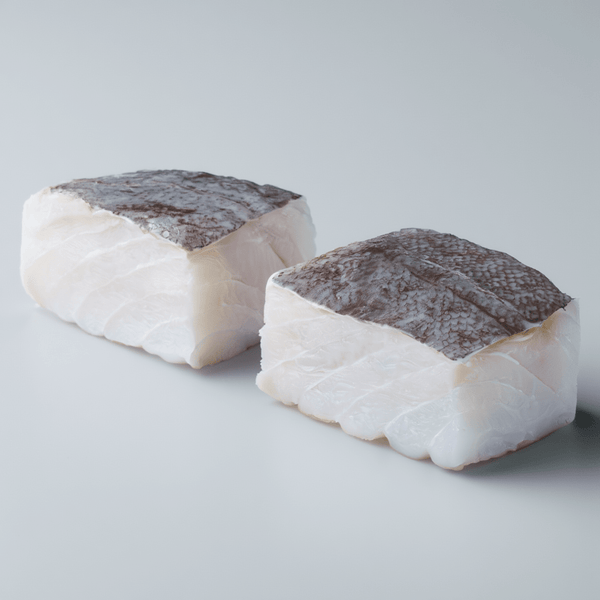
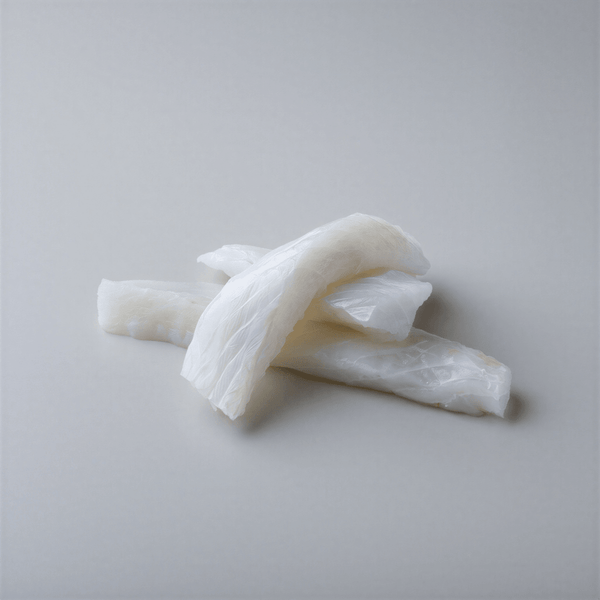
The cod "penca" is the ventral part of the fish, the fleshy area located between the head and the pectoral fins. This region concentrates an extraordinary amount of hydrolyzable collagen, turning each fiber into a small natural gelatin factory.
When properly desalting a quality "penca," you will immediately notice its particular texture. It is denser than the loin, but at the same time more flexible. Its muscle fibers are intertwined with a network of connective tissue that, when gently heated, releases the proteins necessary to emulsify the olive oil.
Icelandic or Norwegian cod "penca" has superior characteristics due to the cold waters of its origin. These specimens develop additional layers of fat and collagen as an adaptation to the environment, resulting in pieces with greater gelling potential.
"Cocochas": small gelatinous gems
Cod "cocochas", known in Euskera as kokotxas de bacalá, represent absolute excellence for pil pil. These small triangular portions, extracted from the underside of the head, contain the highest concentration of gelatin per gram of any part of the fish.
Their unique composition makes them the preferred ingredient of specialized chefs. A single "cococha" can provide enough collagen to emulsify a considerable amount of oil, creating that silky and shiny texture that characterizes perfect pil pil.
The manual extraction process of "cocochas" requires experience and precision. Each piece must maintain its outer membrane intact, as this is where much of its emulsifying power is concentrated.
Preparation techniques to maximize gelatin
Desalting: first step to success
Proper desalting not only removes excess salt but also prepares the cod fibers to release their gelatin optimally. The process should be carried out in cold water, changing it every 8-12 hours for a period of 24-48 hours, depending on the thickness of the piece.
During desalting, cod proteins rehydrate and muscle fibers regain some of their original elasticity. This phenomenon, known as protein retrogradation, is fundamental for the subsequent development of the emulsion.
Water temperature directly influences the final result. Water that is too warm can prematurely denature the proteins, reducing their subsequent gelling capacity.
How to emulsify pil pil: the movement technique
The secret to how to emulsify pil pil gelatin lies in precise temperature control and constant movement of the pot. The emulsion forms when the proteins released by the cod act as natural emulsifying agents between the oil and the fish juices.
The movement should be circular and constant, but never aggressive. It is about creating a gentle vortex that allows for the gradual incorporation of oil with the gelling proteins. The ideal temperature ranges between 60-70°C, enough to activate the gelatin without coagulating the proteins.

| Cod Cut | Cooking Time | Emulsifying Potential | Technical Difficulty |
|---|---|---|---|
| "Cocochas" | 4-6 minutes | Very High | Low |
| "Penca" | 8-10 minutes | High | Medium |
| Loin | 10-12 minutes | Medium | High |
| Tail | 12-15 minutes | High | Medium |
Related Cod Products


Factors that determine the best cod for pil pil
Origin and quality of the fish
The best cod for pil pil comes from the North Atlantic waters, specifically from Iceland and Norway. These specimens develop unique characteristics due to the extreme conditions of their natural habitat.
The rich diet of krill and small crustaceans in these cold waters gives cod a special lipid profile. Furthermore, the need for thermoregulation in icy waters stimulates the production of additional collagen in its tissues.
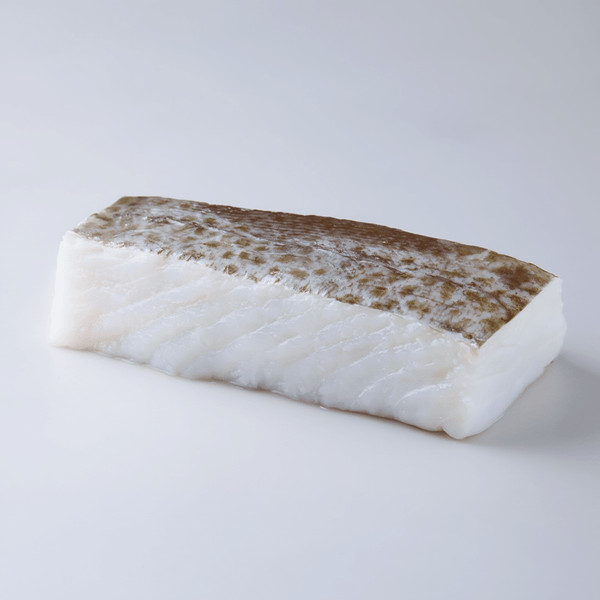
Quality cod for pil pil has firm but not rigid flesh, a pearly white color, and is completely free of ammonia odors. The texture to the touch should be slightly elastic, indicating proper preservation of structural proteins.
Artisanal cutting makes a difference
Manual cutting respects the integrity of muscle fibers and preserves the membranes that contain the highest concentration of collagen. Industrial cutting, on the other hand, can break these delicate structures, significantly reducing the gelling potential of the fish.
The direction of the cut also influences the final result. Cuts perpendicular to the fibers expose a larger surface of connective tissue, facilitating the release of gelatin during cooking.

Common mistakes and how to avoid them
One of the most frequent mistakes is using cod pieces with low collagen content, such as the central loin. Although it is the most appreciated part for other preparations, it lacks the gelatinous structure necessary for a successful pil pil.
Excessive temperature is another critical factor. Many amateur cooks turn up the heat too high, causing rapid coagulation of proteins and preventing the formation of the characteristic emulsion.
- Not using enough extra virgin olive oil
- Moving the pot irregularly or aggressively
- Adding garlic too soon or burning it
- Using insufficiently desalted cod
- Cooking at too high a temperature
Conclusions
- The secret to perfect cod for pil pil: Pil pil is much more than a Basque culinary technique.
- The star cuts: "penca" and "cocochas": The "penca" of cod is the ventral part of the fish, the fleshy area located between the head and the pectoral fins.
- Preparation techniques to maximize gelatin: Proper desalting not only removes excess salt but also prepares the cod fibers to release their gelatin optimally.
- Factors determining the best cod for pil pil: The best cod for pil pil comes from North Atlantic waters, specifically from Iceland and Norway.
- Common mistakes and how to avoid them: One of the most frequent mistakes is using cod pieces with low collagen content, such as the central loin.
- Frequently asked questions about cod for pil pil: Can pil pil be made with fresh cod?
Frequently Asked Questions about Cod for Pil Pil
Can pil pil be made with fresh cod?
Although technically possible, salted cod provides a modified protein structure that favors emulsification. The salting process transforms proteins, creating a more suitable matrix for binding.
How much cod do I need per person?
For "cocochas," estimate approximately 80-100 grams per diner. If using "penca," increase the amount to 120-150 grams, as part of the weight corresponds to bones and cartilage.
Can I freeze pil pil cod that has already been prepared?
Freezing breaks the pil pil emulsion. It is preferable to freeze the desalted cod before preparation and always cook the dish fresh.
Mastering pil pil transcends culinary technique to become an art that connects tradition, product, and knowledge. The correct choice of cod determines 70% of the final success, turning each preparation into a celebration of the authentic flavors of the Cantabrian Sea.
→ Prepare it with Bacalalo products: Special pil-pil "penca" | Dried cod "cocochas"
Discover our selection of desalted cod at Bacalalo.
→ View our selection of desalted cod from Iceland
Products that might interest you