Summary: Norway and Iceland are the two major producers of North Atlantic cod, but the temperature of their waters, the fish's growth rate, and their fisheries management models produce different results on the plate. In this comparison, we analyze the real differences in flavor, texture, and quality between Norwegian and Icelandic cod to help you choose wisely.
Content
- Two Countries, One Fish, Different Results
- The Key is in the Water: Temperature and Growth
- Comparison Table: Norway vs Iceland
- Differences in Flavor and Texture
- Sustainability: Two Management Models
- Processing Matters: Salting and Drying
- Price and Market
- Norwegian Cod: Advantages and Disadvantages
- Icelandic Cod: Advantages and Disadvantages
- Which is the Best Cod in the World?
- Frequently Asked Questions
Two Countries, One Fish, Different Results
Norway and Iceland are the two major global cod powers. Both countries catch the same species, Gadus morhua, in the North Atlantic, and both have centuries of cod fishing tradition. So, why should a discerning chef or informed consumer prefer one over the other?
The answer is not simple marketing or fishing patriotism. There are real differences that originate in the animal's biology, sea conditions, and processing methods. Let's break them down.
Norway is the world's largest cod exporter, with a powerful and diversified fishing industry. Its cod is primarily caught in the Barents Sea and along the northern coasts, from the Lofoten Islands to Finnmark. Iceland, with a population of barely 380,000, relies on cod as an economic pillar and manages it with an intensity and rigor that few nations match.
The Key is in the Water: Temperature and Growth
The fundamental difference between Norwegian and Icelandic cod begins with the water temperature where they grow.
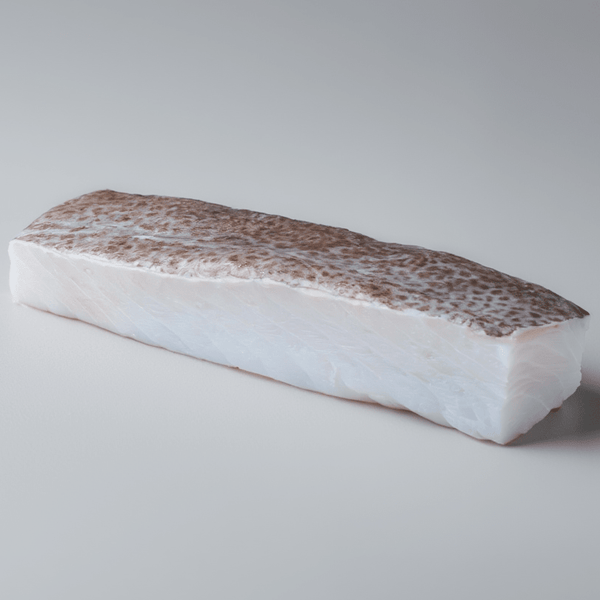
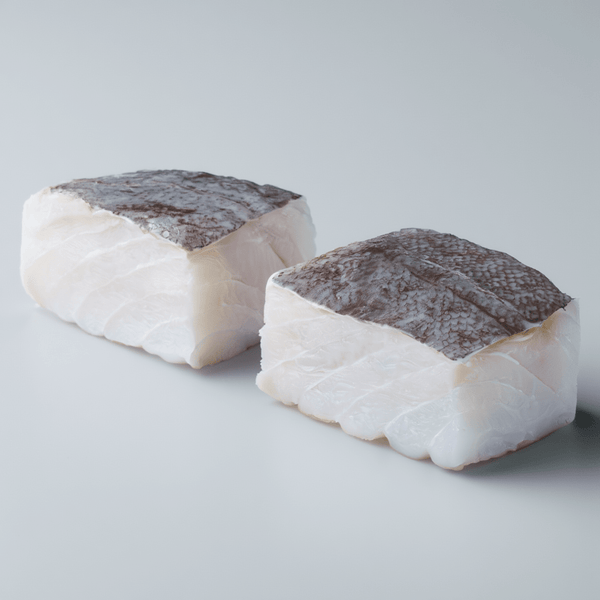
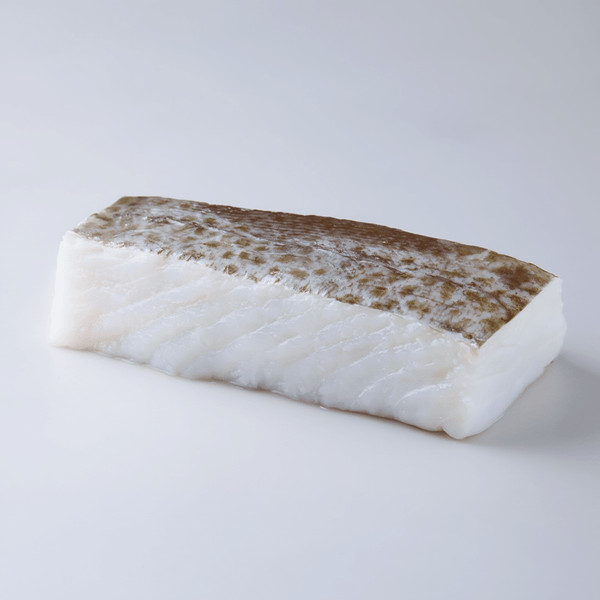
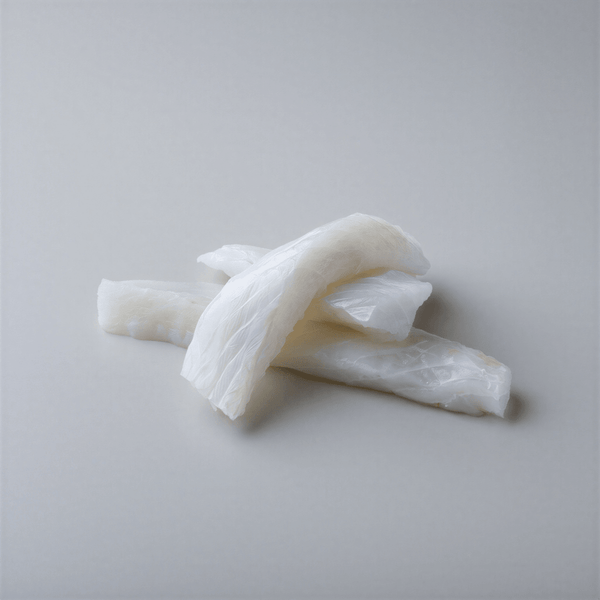
If you're interested in trying other cuts, you can find whole cod in our online catalog: loins, supremes, flakes, belly, cheeks, smoked, and brandade.
Norwegian waters, especially those off the coast and in the southern parts of the Barents Sea, benefit from the effect of the Gulf Stream. This warm current keeps water temperatures relatively mild for the latitude. Norwegian cod grows in waters that can reach 6-10°C in summer, which for an arctic fish is relatively warm.
Iceland, on the other hand, is right at the confluence of the warm Gulf Stream and the cold Arctic currents. Icelandic waters are, on average, 2-4°C colder than Norwegian waters in comparable fishing areas. This has a direct and measurable effect on cod:
- Slower growth: In colder waters, the cod's metabolism slows down. The fish takes longer to reach adult size.
- Denser flesh: Slower growth produces more compact muscle fibers and a firmer texture.
- More concentrated flavor: Less water between the fibers means more flavor per gram of meat.
- Higher gelatin content: Collagen proteins develop differently, producing that gelatinous texture which is the hallmark of great cod.
It's not a theory: it's basic marine biology. Cold produces better cod, in the same way that grapes that grow slower in cool climates produce more complex wines.
Comparison Table: Norway vs Iceland
| Characteristic | Norwegian Cod | Icelandic Cod |
|---|---|---|
| Species | Gadus morhua | Gadus morhua |
| Water Temperature | 4-10°C (Gulf Stream effect) | 2-6°C (colder waters) |
| Growth Rate | Relatively fast | Slower |
| Flesh Density | Medium | High |
| Texture | Tender, softer | Firm, more compact, gelatinous |
| Flavor | Mild, delicate | More intense, profound |
| Gelatin Content | Medium | High (ideal for pil pil) |
| Annual Production (approx.) | 400,000-500,000 t | 200,000-250,000 t |
| Management Model | Quotas + minimum sizes | ITQ (individual transferable quotas) |
| Sustainability Certification | MSC (partial) | MSC + leading own model |
| Salting Tradition | Yes (clipfish, stockfish) | Yes (saltfisk), centuries-old tradition |
| Main Markets | Spain, Portugal, Italy, Brazil | Spain, Portugal, Italy, UK, Nigeria |
Related Cod Products


Recommended Products

Natural Cod Foie Gras - 120g | Smoked Icelandi...
3,90 €

CHATKA Wild King Crab 60% Legs 40% Shredded | ...
95,00 €

Smoked Cod Carpaccio Artisan Cut | 1 Tray Pack
15,90 €

Dried Cod Cheeks (1 tray) - 500g
19,95 €
Refrigerated shipping 24-48h to the entire Peninsula
Differences in Flavor and Texture
For an occasional consumer, the difference between Norwegian and Icelandic cod may be subtle. But for those who cook cod frequently or work with it professionally, the differences are clear.
Norwegian cod
Tends to be a fish with a more tender texture and milder flavor. The fibers are more open, the flesh retains more water, and when cooked, it may release more liquid. This is not a defect: it is a consequence of its faster growth in warmer waters. For recipes where you seek tenderness (battered fish, tempura, preparations where cod is a support for other flavors), it works perfectly.
Icelandic cod
Features firmer, denser flesh with more character. When you cut it, you already notice the difference: the knife meets more resistance, the flakes are more compact. When cooked, it loses less water, maintains its shape better, and develops that gelatinous texture that is fundamental for great salted cod recipes. The flavor is more profound and concentrated, with more defined marine notes.
This difference is especially noticeable in salted cod. The salting process amplifies texture differences: a salted Norwegian cod will be correct, but a salted Icelandic cod will be exceptional, with that unctuousness and gelatin that make all the difference in a pil pil or a brandade.
Sustainability: Two Management Models
Both Norway and Iceland manage their fisheries responsibly. Neither is comparable to the uncontrolled fishing that exists in other parts of the world. However, their models are different.
Norway uses a system of quotas per vessel with minimum catch sizes. Management is carried out by the central government (Institute of Marine Research), and quotas are negotiated annually with Russia for the shared Barents Sea stock. The system works well, but the enormous scale of the Norwegian fishing industry (with thousands of boats) makes control complex.
Iceland implemented the system of individual transferable quotas (ITQ) in the 1980s, which assigns fishing rights to each vessel. This system has been studied worldwide as a model of sustainable fisheries management. The Icelandic cod stock has remained stable or growing in recent decades, and product traceability is complete from catch to final consumer.
In 2023, the Icelandic Marine Research Institute recommended quotas that were fully respected. The health of the Icelandic cod stock is a national priority, not just an industrial one.
Processing Matters: Salting and Drying
One aspect that many consumers overlook is that the quality of cod does not depend solely on the fish: the salting process is equally decisive.
Iceland has a long tradition of processing salted cod (saltfisk) specifically aimed at the Spanish and Portuguese markets. Icelandic processing plants work to very demanding standards of selection, cutting, and curing. The cod is salted with coarse salt and matured for weeks in controlled temperature and humidity conditions.
Norway also produces quality salted cod (the famous klippfisk), but its industry is more diversified: a significant portion of its production is destined for fresh, frozen, or non-salted cod formats. This means that the specific know-how of salting for the Mediterranean market is more concentrated in Iceland.
When you buy "Icelandic" salted cod, you are not just buying a fish from cold waters: you are buying a product processed by an industry that has been perfecting the art of curing cod for the Spanish palate for generations.
Price and Market
Norwegian cod, being produced in larger volumes, tends to be slightly cheaper in the Spanish market. It is the option you will most often find in supermarkets and large stores, where price is the primary purchasing criterion.
Icelandic cod, with more limited production and a more premium positioning, is found more in traditional cod shops, specialized fishmongers, and gourmet stores. Its price is somewhat higher, but the difference in quality of texture and flavor justifies the difference.
In the professional segment (restaurants, hotels), chefs looking for the best raw material for their cod recipes tend to prefer Icelandic, especially for dishes where cod is the absolute protagonist (pil pil, confit, grilled).
Norwegian Cod: Advantages and Disadvantages
Advantages
- Higher production volume: easy to find.
- Generally more accessible price.
- Variety of formats (fresh, frozen, salted, dried).
- Skrei (seasonal fresh) is an exceptional product.
- Good overall fisheries management.
Disadvantages
- Softer texture due to faster growth.
- Less intense and concentrated flavor.
- Lower gelatin content (worse for pil pil).
- More variable quality depending on catch area.
- More commercial than artisanal approach to processing.
Icelandic Cod: Advantages and Disadvantages
Advantages
- Firmer, denser, and more flavorful flesh due to colder waters.
- Higher gelatin content: ideal for traditional recipes.
- More intense and deeper flavor.
- World-leading sustainability system.
- Salting tradition geared towards the Spanish market.
- Complete product traceability.
Disadvantages
- More limited production: not always easy to find.
- Slightly higher price.
- Less variety of formats in the Spanish market.
What is the best cod in the world?
The question "what is the best cod in the world" does not have a universal answer, because it depends on what you are looking for. But if we are talking about salted cod for traditional Spanish and Portuguese recipes, the professionals' answer is consistent: Icelandic cod.
The reasons are cumulative:
- Colder waters = denser flesh. This is not opinion: it is biology.
- Slower growth = more concentrated flavor. Less water, more flavor per bite.
- Superior gelatin. The difference in a pil pil or a brandada is evident.
- Processing tradition specifically oriented to the Mediterranean market.
- Proven sustainability for decades with measurable results.
- Consistent quality. The strict selection of the Icelandic industry guarantees a high standard.
Norwegian cod is a good product. Icelandic cod is an exceptional product. The difference may be nuanced, but in gastronomy, nuances are everything.
If you are going to invest time and care in making a pil pil, a vizcaína, or a confit, it is worth starting with the best possible raw material. And that raw material, for salted cod, comes from Iceland.
🛒 Products mentioned in this article
⭐ 4.9/5 · 24-48h cold shipping · Since 1990 at Mercat del Ninot
Frequently Asked Questions
Are Norwegian and Icelandic cod the same species?
Yes, both are Gadus morhua (Atlantic cod). The difference is not genetic but environmental: water temperature, available food, and growth rate produce different results in the flesh.
Why is Icelandic cod firmer than Norwegian?
Because it grows in colder waters (2-6°C vs. 4-10°C). The cold slows down the fish's metabolism, causing it to grow more slowly. This produces more compact and dense muscle fibers, less water between the fibers, and a firmer, more gelatinous texture.
Can I distinguish the origin of cod by its appearance?
At first glance, it is difficult for a non-expert consumer. The clues are in the firmness to the touch (Icelandic feels more solid), the thickness of the flakes, and, above all, the origin label. In a trusted fishmonger, the professional will tell you the origin. Be wary if they cannot tell you where it comes from.
Is Icelandic cod sustainable?
Very sustainable. Iceland implemented the individual transferable quota (ITQ) system in the 1980s and is a global leader in fisheries management. Icelandic cod stocks are at healthy levels, and every catch is traceable from boat to point of sale.
Is it worth paying more for Icelandic cod?
If you cook cod frequently or want to make recipes where cod is the star (pil pil, confit, brandada), yes. The difference in texture and flavor is noticeable in the dish. For recipes where cod is heavily accompanied (rich stews, battered dishes), the difference is less perceptible.
Related guides
- Where to buy quality salted cod online
- Bacalao al pil pil: Basque recipe step by step
- Bacalao a la Vizcaína: traditional recipe
- Cod loins: best recipes
- Cod confit in olive oil
Experience the difference of Icelandic cod
At Bacalalo, we work exclusively with cod from Iceland: loins, collars, flakes, and premium cuts selected for their texture, flavor, and origin. From our workshop in Mercat del Ninot in Barcelona, we ship throughout Spain with guaranteed cold chain.
Discover our premium selection
Carefully selected seafood products since 1990 at Mercat del Ninot, Barcelona. Refrigerated shipping 24-48h.