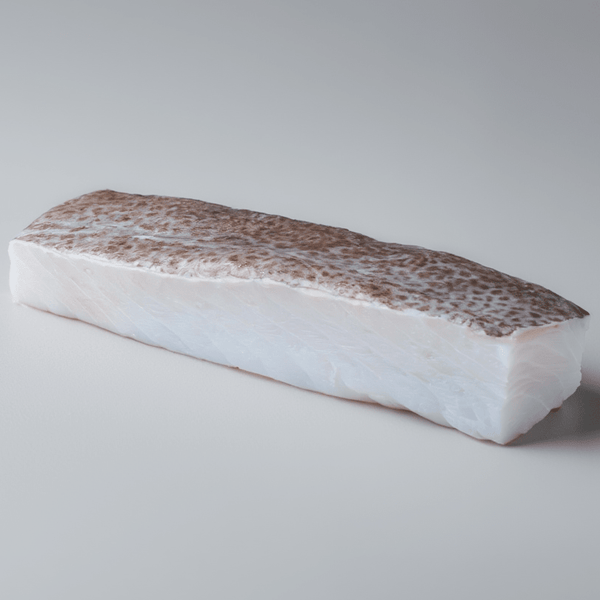
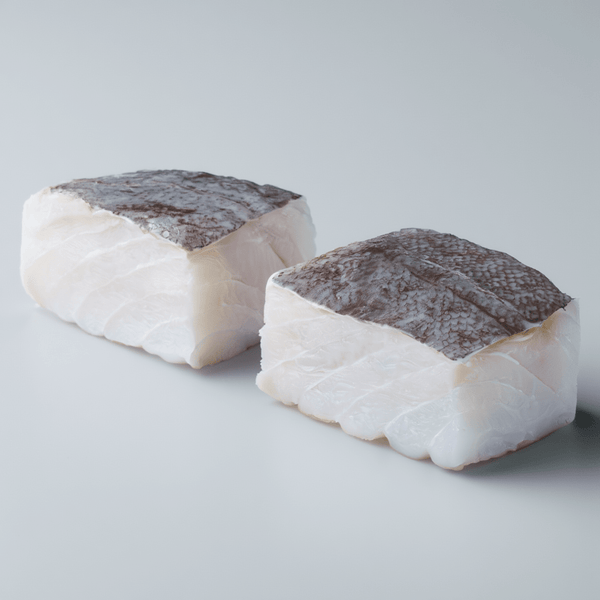
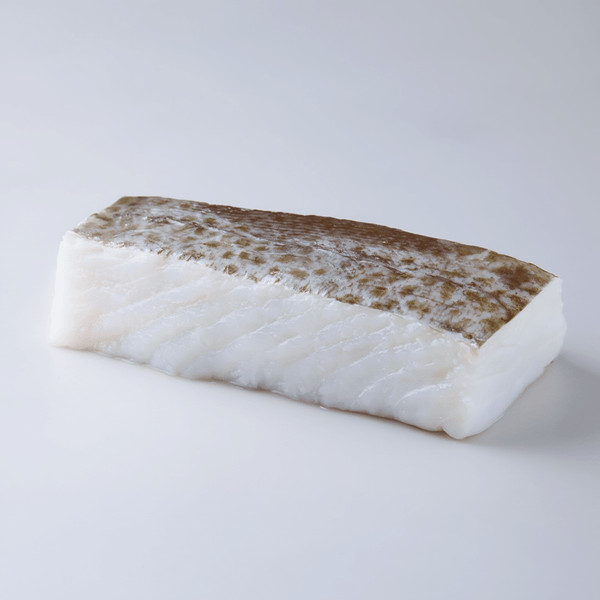
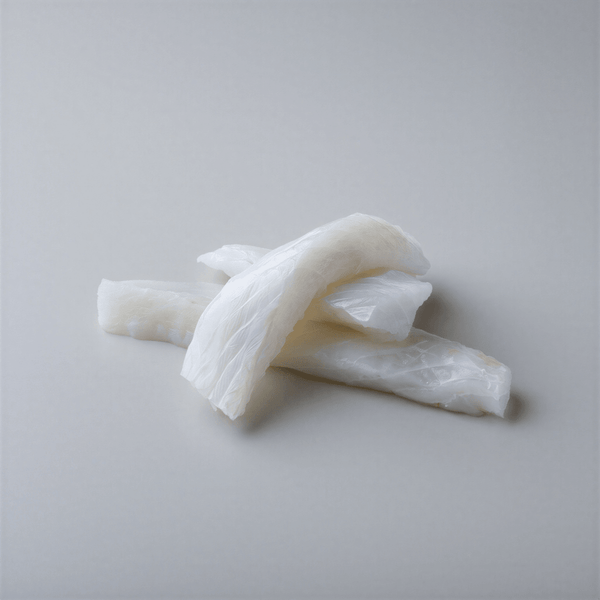
Summary: Cod is available in three main forms: fresh, salted, and desalted. Each has distinct characteristics in terms of flavor, texture, price, and culinary use. Choosing the right form is as important as choosing good cod: the recipe you have in mind determines which one you need. In this guide, we compare the three, with a quick reference table and recommendations by dish type.
Three forms, three different products
A very common mistake is to think that fresh, salted, and desalted cod are the same product in different stages. They are not. They are three gastronomically different products that, although originating from the same species (Gadus morhua), offer completely different experiences on the palate.
The salting process is not just a preservation method: it is a profound transformation of the fish's proteins. Salted cod has a texture, flavor, and culinary behavior that fresh cod cannot replicate. And vice versa: some preparations only work with fresh cod.
Choosing the correct form is the first important decision when cooking cod. Before origin, before cut, before technique: the form dictates everything else.
Fresh cod: what it is and when to use it
Fresh cod is fish that has been recently caught, with no preservation process beyond refrigeration. It arrives in your kitchen like any other fresh fish: with its natural moisture, its proteins intact, and its delicate flavor.
Characteristics of fresh cod
- Texture: tender, soft, with flakes that separate when cooked. More delicate than salted.
- Flavor: mild, clean, marine but not intense. It is the most "neutral" of the three cod forms.
- Moisture: high. Fresh cod contains approximately 80% water.
- Color: translucent white when raw, opaque white when cooked.
- Availability: seasonal. The best quality fresh cod is found between November and April. The famous Norwegian Skrei (January-April) is the premium version.
When to choose fresh cod
- Preparations where the fish is the star without strong sauce: grilled, steamed, simple baked.
- When you want a delicate and mild flavor.
- For white fish recipes that are not specific to "salted cod" (tempura, ceviche, carpaccio).
- If you are going to cook it the same day or the next day.
Limitations of fresh cod
- Short shelf life: 1-3 days maximum in the refrigerator.
- It is not suitable for traditional salted cod recipes (pil pil, vizcaína, brandade): it lacks the gelatinous texture and concentrated flavor.
- Irregular availability out of season.
- It can release a lot of water when cooked if not seared correctly.
Salted cod: the centuries-old tradition
Salted cod is the original product, the one that has been in Iberian cuisine for centuries and revolutionized European eating. Before refrigeration, salting was the way to preserve cod caught in the North Atlantic for transport to southern European markets.
But salting is not just preservation. It is a gastronomic transformation:
- Salt extracts water from the fish (it goes from 80% to 50-55% humidity).
- Proteins denature and reorganize, creating that characteristic dense and gelatinous texture.
- Flavors are concentrated: less water means more flavor per gram.
- New aromatic compounds develop during curing.
Characteristics of salted cod
- Texture: firm, compact, with gelatinous potential that is activated by desalting and cooking.
- Flavor: intense, deep, with cured notes. Much more complex than fresh.
- Moisture: low (50-55%). Requires rehydration (desalting) before cooking.
- Color: yellowish to cream when salted. White when desalted.
- Availability: all year round. Excellent preservation.
When to choose salted cod
- If you want to control the exact salt point of your dish.
- For large quantities (more economical than desalted).
- If you have time to desalt (24-48h).
- For all classic recipes: pil pil, vizcaína, brandade, ajoarriero, à Brás.
- If you value tradition and the ritual of the complete process.
Limitations of salted cod
- Requires planning: desalting takes 24-48 hours.
- Poor desalting ruins the dish (too much salt or too little flavor).
- Needs refrigerator space during desalting.
- Not suitable for those seeking immediacy.
Related Bacalalo Products


Recommended Products

Natural Cod Liver Foie - 120g | Smoked Cod L...
3,90 €

CHATKA Wild King Crab 60% Legs 40% Shredded...
95,00 €

Smoked Cod Carpaccio Artisanal Cut | Pack 1 ...
15,90 €

Dry Cod Cheeks (1 tray) - 500g
19,95 €
Refrigerated shipping 24-48h throughout the Peninsula
Desalted cod: the practical option
Desalted cod is salted cod that has already gone through a professional desalting process. It arrives in your kitchen ready to cook, without the need to wait 24-48 hours. It is the format that has grown the most in recent years because it responds to the demand for convenience without sacrificing quality.
Professional desalting is done in facilities with controlled temperature, water flow, and time. Good professional desalting can be more precise and consistent than home desalting, because the parameters are controlled.
Characteristics of desalted cod
- Texture: the same as salted cod after desalting: firm, gelatinous, with body. Ready to cook.
- Flavor: intense but balanced. The salt level is already adjusted.
- Moisture: rehydrated (65-70%). Similar to properly desalted salted cod.
- Color: white, uniform.
- Availability: all year round, but with a shorter shelf life than salted.
When to choose desalted cod
- If you want to cook cod without prior planning.
- For everyday use: you come home and prepare it directly.
- If you are not experienced in desalting (avoid errors).
- For all salted cod recipes: pil pil, vizcaína, baked, in green sauce.
- When cooking for others and needing a reliable result.
Limitations of desalted cod
- Higher price than salted cod (you pay for the desalting process).
- Shorter shelf life: 3-5 days in the refrigerator (vs. months for salted).
- Less control over the salt level (it comes pre-determined).
- The quality of the desalting depends on the supplier.
Comparison table: fresh vs. salted vs. desalted
| Characteristic | Fresh cod | Salted cod | Desalted cod |
|---|---|---|---|
| Processing | None (refrigerated) | Salting + curing | Salting + curing + desalting |
| Texture | Tender, flaky, delicate | Firm, dense (after desalting) | Firm, gelatinous, ready |
| Flavor | Mild, delicate, clean | Intense, cured, deep | Intense, balanced |
| Prior preparation | None | Desalting 24-48h | None (ready to cook) |
| Storage | 1-3 days (refrigerator) | Months (in salt, refrigerator) | 3-5 days (refrigerator) |
| Freezable | Yes (loses some texture) | Not necessary (already preserved) | Yes (good option) |
| Availability | Seasonal (Nov-Apr) | All year round | All year round |
| Price per kg | 12-35 €/kg | 18-30 €/kg | 25-45 €/kg |
| Gelatin content | Low | High | High |
| Difficulty level | Medium (cooking control) | High (desalting + cooking) | Low (cook directly) |
| Ideal for | Grill, steam, oven, tempura | Pil pil, vizcaína, brandade | All cod recipes |
Flavor and texture differences between the three
The most important difference between the three forms is not the price or preservation: it's what happens in your mouth when you eat them.
Fresh cod: delicacy
Fresh cod is an elegant white fish with a clean, mild flavor. When cooked correctly (hot grill, oven at 200°C, steamed), the flesh separates into defined flakes with a tender yet structured texture. It is the most "fishy" of the three forms: it tastes of the sea, of freshness, without the complexity of curing.
Its weakness is that it contains a lot of water. If you don't sear it well or cook it at an insufficient temperature, it releases liquid and the texture becomes watery. That's why fresh cod requires technique: correct temperature and precise timing.
Salted cod (desalted): depth
This is where the magic happens. The salting process and subsequent desalting produce a fish with a texture that does not exist in any other form: dense, gelatinous, unctuous. The proteins have reorganized during curing, creating a structure that retains fat and emulsifies with oil in ways that fresh fish cannot.
The flavor is more complex: notes of curing, greater marine intensity, an umami base that has developed during maturation. It is the cod with the most "personality" and the one that stars in the great recipes of Iberian and Portuguese tradition.
The natural gelatin in salted cod is what makes pil pil possible: that magical emulsion between the fish gelatin, garlic, and olive oil that creates a sauce with no added ingredients. Without salted cod gelatin, there is no possible pil pil.
Desalted cod: the best of both worlds
Professionally desalted cod offers the same texture and flavor as salted cod after proper home desalting, but without the wait or the risk of error. It is the most versatile format because it works both in traditional recipes (pil pil, Vizcaína) and in simpler preparations (baked, grilled).
Which format for each recipe
Recipes that require salted or desalted cod
These recipes were designed for cured cod and do not work with fresh cod:
- Cod al pil pil: needs the gelatin from salted cod for the emulsion.
- Cod a la Vizcaína: the intense flavor of salted cod holds up to the chorizo pepper sauce.
- Cod brandade: the texture of salted cod emulsifies with oil and potato.
- Ajoarriero: the shredded salted cod has just the right fiber.
- Cod a la Bilbaína: the gelatin and cured flavor are essential.
- Bacalhau à Brás: the fibers of shredded salted cod give structure to the dish.
- Esqueixada: raw salted cod (uncooked) has the right texture and flavor.
Recipes that work better with fresh cod
- Grilled cod (fresh fish style).
- Steamed cod: to preserve its delicacy.
- Cod tempura: fresh texture works better with light batter.
- Cod en papillote: gentle cooking that preserves the clean flavor.
- Cod ceviche or tataki: only with fresh, highest quality cod.
Recipes that work with any format
- Baked cod with potatoes: works with fresh (milder) or desalted (more intense).
- Cod in green sauce: both formats give good results.
- Gratinated cod: the béchamel or cheese topping balances both.
- Cod croquettes: desalted shredded cod is more practical; fresh cod works but provides less flavor.
Price: how much does each format cost
The price per kg varies by format, but for a fair comparison, the actual yield must be considered:
Fresh cod
- Price: €12-35/kg (depending on season and cut).
- Yield: high. What you buy is what you cook (minus the bone if it has one).
- Cost per serving (200g): €2.40-7.00.
Salted cod
- Price: €18-30/kg.
- Yield: when desalting, cod gains 20-30% in weight due to rehydration. One kilo of salted cod produces ~1.2-1.3 kg of cod ready to cook.
- Cost per serving (200g desalted): €2.80-4.60.
Desalted cod
- Price: €25-45/kg.
- Yield: direct. What you buy is what you cook.
- Cost per serving (200g): €5.00-9.00.
In terms of cost per serving, salted cod is the most economical option if you have time to desalt it. Desalted cod is more expensive but eliminates the process and the risk of error. Fresh cod varies greatly depending on the season.
Storage and shelf life
Fresh cod
Treat it like any fresh fish: consume within 1-3 days of purchase, always in the coldest part of the refrigerator (0-4°C). You can freeze it, but it loses some texture when thawed. If you freeze it, do so as fresh as possible and consume within the first 3 months.
Salted cod
This is the longest-lasting format. In the refrigerator, well wrapped, salted cod can be stored for several months without problems. In a cool, dry place (as was traditionally done), it can last even longer. Salt acts as a natural preservative. It is the ideal format to always have cod at home "just in case."
Desalted cod
Once desalted, cod has regained its moisture and is more perishable: 3-5 days in the refrigerator. If you are not going to use it within that period, freeze it. It freezes very well (better than fresh, in fact) and maintains its texture and flavor after thawing. It is a good idea to buy extra and freeze in individual portions.
What is the best option?
There is no universally "better" format. But there is a format that is more versatile, more practical, and more consistent for most situations: Icelandic desalted cod.
Here's why:
- Works in all recipes. Both traditional (pil pil, Vizcaína, brandade) and simple (baked, grilled, green sauce). Fresh cod cannot make pil pil. Desalted cod can do everything.
- No complications. You come home, take it out of the package, and cook it. No waiting 48 hours, no calculating water changes, no risk of it being too salty or bland.
- Professional quality. Professional desalting with temperature and time control produces a more consistent result than home desalting.
- Total availability. All year round, without depending on seasons. Fresh cod is seasonal.
- Good preservation. It freezes perfectly, so you can keep stock at home.
If you add to that cod that is of Icelandic origin (cold waters, slow growth, denser and tastier meat), you have a winning combination: an exceptional product ready to use.
Fresh cod has its moment (Skrei season, delicate preparations). Salted cod has its audience (those who enjoy the complete process and want total control). But for the cook who wants the best result with the least friction, Icelandic desalted cod is the smartest option.
🛒 Products mentioned in this article
⭐ 4.9/5 · Cold delivery 24-48h · Since 1990 at Mercat del Ninot
Frequently asked questions
Can I use fresh cod to make pil pil?
Technically you can try, but you won't get a true pil pil. Pil pil sauce is formed thanks to the gelatin that salted cod releases when cooked slowly in oil. Fresh cod barely has that gelatin, so the emulsion does not form correctly. For pil pil, you need salted or desalted cod.
Does desalted cod taste the same as salted cod desalted at home?
If the desalting is done well, yes. Professional desalting with temperature and time control can be even more precise than home desalting. The difference lies in the supplier: quality professional desalting maintains all the flavor of cured cod with just the right amount of salt. Choose a trusted supplier that works with cod from a good source.
How long does it take to desalt cod?
It depends on the thickness of the piece. As a general rule: 24 hours for thin pieces (flakes, small pieces), 36-48 hours for thick loins. The water should be cold, and you should change it every 8 hours. The cod is placed skin side up so that the salt falls to the bottom. If you don't want to wait, desalted cod is already ready.
Can desalted cod be frozen?
Yes, and it freezes very well. In fact, desalted cod maintains its texture and flavor after freezing better than fresh cod. Freeze it in individual portions, well wrapped, and consume within the first 3-6 months. Thaw slowly in the refrigerator (never at room temperature).
Which is more nutritious: fresh, salted, or desalted?
All three have a very similar nutritional profile in terms of protein, vitamins, and minerals. Undesalted salted cod has a very high sodium content, but once properly desalted, the salt levels are comparable to those of fresh cod. Calories are similar in all three formats: about 80-100 kcal per 100g. The main nutritional difference is that fresh cod retains slightly more water-soluble vitamins that can be partially lost during salting.
Related guides
- How to desalt cod: step-by-step guide
- Cod al pil pil: Basque recipe
- 15 recipes with desalted cod
- Cod loins: best recipes
- Fresh cod: recipes and where to buy
Icelandic cod in the format you prefer
At Bacalalo, we work with Icelandic cod in the formats you need: desalted loins ready to cook, traditional salted cod for purists, and special cuts like cheeks and flakes. All with cold shipping throughout Spain.