Cod Croquettes: Recipe with Exact Proportions and Perfect Béchamel
Summary: Cod croquettes are one of those dishes that seem simple but hide a precise technique. The difference between croquettes that break open in the fryer, turn out mushy or have a gelatinous mixture, and croquettes that are crispy on the outside, creamy on the inside, and intensely flavored with cod, lies in three points: the exact proportions of the béchamel, the cooking time of the mixture, and the oil temperature during frying.
This recipe comes from years of working with quality cod at Mercat del Ninot in Barcelona. We've taken note of what goes wrong when they're made poorly and what makes the difference when they're made well. Here are all the key points, without beating around the bush.
The Cod: Which Part to Use and How to Prepare It
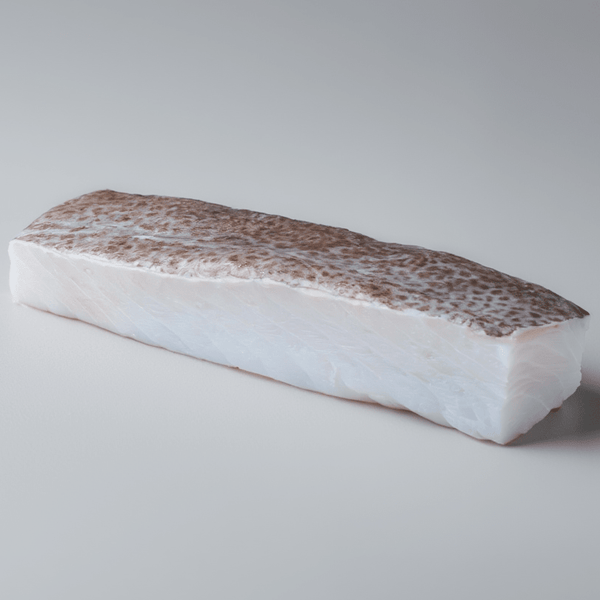
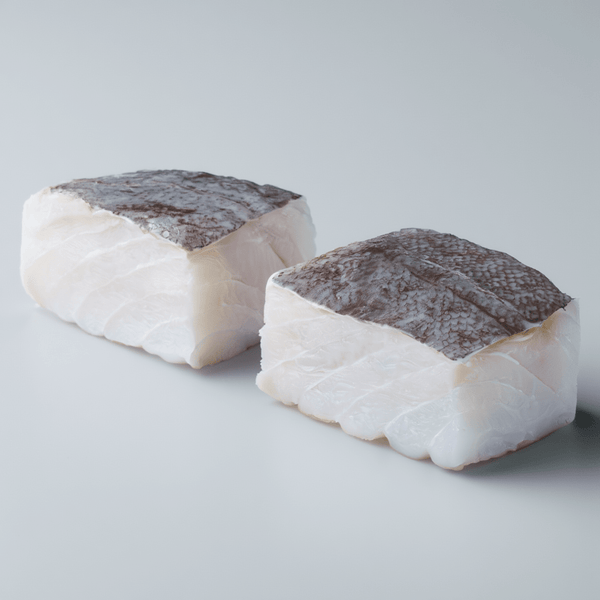
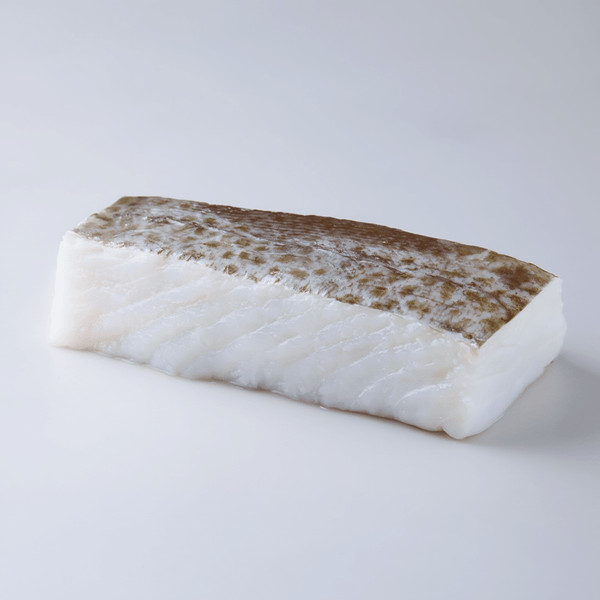
For croquettes, you don't need the noblest cod loins: trimmings, tails, and more irregular pieces are perfect. They are more economical and have the same flavor. The important thing is that they are good quality cod (Gadus morhua) and properly desalted.
You can also use leftover cod from another preparation, such as flakes from cod pil-pil or "a la Vizcaína." Croquettes are, historically, a dish for using leftovers, and cod cooked with a previous stew can add even more flavor to the béchamel.
Cod options for croquettes:
- Desalted cod trimmings: the most economical and practical option. You can find them at any fishmonger or specialty stores like Bacalalo.com.
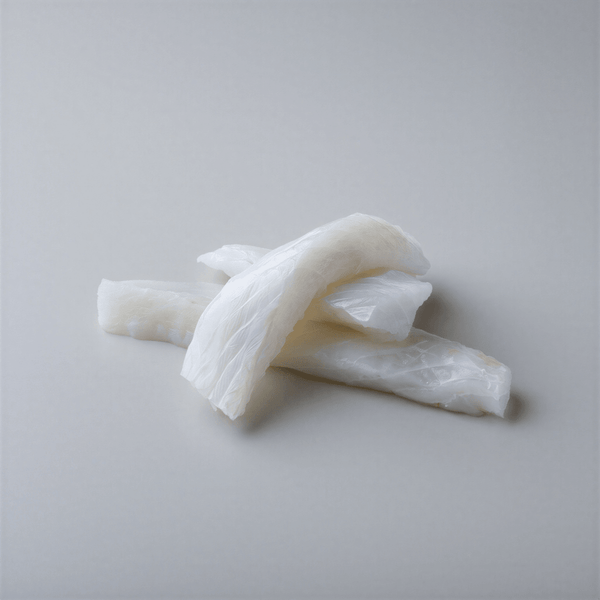
- Steamed cod: steam it for 5 minutes, let it cool, and flake it with your hands, removing bones and skin. Very simple.
- Leftover cod from another dish: make sure it doesn't have heavily seasoned sauces that could alter the béchamel's flavor.
Quantity: for 20 medium croquettes, you need about 250-300g of cod, already desalted, cooked, and flaked.
The Exact Proportions of the Béchamel
Here is the key that most recipes avoid giving precisely. A béchamel for croquettes is not the same as a béchamel for lasagna: it must be very thick, almost solid when cooled, to be able to form the croquettes without them deforming.
Proportions for 20 medium croquettes:
- 80g butter
- 80g wheat flour (the same amount by weight as the butter)
- 700 ml whole milk (at room temperature, not cold)
- 250-300g desalted, cooked, and flaked cod
- 1 small onion
- 2 cloves garlic (optional, but recommended)
- Freshly grated nutmeg
- Salt and white pepper
- Olive oil for sautéing the onion
For breading:
- 2 beaten eggs
- Fine breadcrumbs (or panko for more texture)
- Flour for coating (optional, but helps the breading not fall off)
For frying:
- Mild olive oil or sunflower oil for frying (plenty, at least 1 liter)
Step-by-Step Preparation of the Mixture
Step 1: Prepare the cod
If you're starting with salted cod, desalt it for 24-36 hours in cold water, changing the water every 8-12 hours. For trimmings or small pieces, 24 hours is usually enough.
Once desalted, steam the cod for 5 minutes (or over very low heat in a pot with a little water for 4-5 minutes). Let it cool completely. Carefully remove all bones: run your fingers through the flaked meat to ensure none remain. Also remove the skin if it has any. Set aside.
Step 2: Sauté the onion and garlic
In a wide, heavy-bottomed pot (the same one where you'll make the béchamel), sauté the finely chopped onion in 2-3 tablespoons of olive oil over low heat for 12-15 minutes. The onion should become completely transparent and very soft, without browning. Add the minced garlic and cook for 2 more minutes. If the onion caramelizes too much, the béchamel will be brown instead of white.
Step 3: The roux (the base of the béchamel)
This is the most technical part of the recipe. Add the butter to the pot with the sautéed onion and let it melt over medium heat. When the butter is liquid but not browned, add all the flour at once. Stir vigorously with a whisk or wooden spoon for 2-3 minutes. The goal is to cook the flour so the béchamel doesn't taste like raw flour. The roux should be a pale cream color, not dark.
Key: if the roux smells pleasantly toasted (like butter cookies), it's perfect. If it smells burnt, start over.
Step 4: Incorporate the milk
Gradually add the tempered milk, stirring constantly with the whisk over medium-high heat. First, add 200 ml and stir vigorously to avoid lumps. Once fully incorporated, add another 200 ml and repeat. Continue until all the milk is incorporated.
Once all the milk has been incorporated, cook the béchamel over medium-low heat, stirring constantly, for 15-20 minutes. The mixture is ready when it cleanly pulls away from the sides of the pot and leaves a residue on the bottom. Test with a spoon: if the mixture sticks and is slow to fall off, it has the right consistency.
Step 5: Incorporate the cod and seasonings
Add the flaked cod to the béchamel and mix well. Season with freshly grated nutmeg, white pepper, and salt (carefully, as the cod already has residual salt). If you want to intensify the cod flavor, add a spoonful of oil where you've previously confit garlic.
Cook for 5 more minutes over low heat, stirring constantly, so the cod is completely integrated with the béchamel.
Step 6: Resting the mixture (essential)
Spread the mixture in a flat dish or tray, cover it with plastic wrap directly touching the surface (to prevent a skin from forming), and let it cool at room temperature for 30 minutes. Then refrigerate for a minimum of 2 hours, though ideally overnight.
Why resting is essential: hot mixture is too soft to shape into croquettes. As it cools, the gelatinization of the starch makes it firm and manageable. A mixture that hasn't rested enough will stick to your hands, the croquettes won't hold their shape, and they will break open when fried.
Related Products from Bacalalo

Recommended Products

Natural Cod Liver Foie Gras - 120g | Smoked Icelandic C...
3,90 €

CHATKA Wild King Crab 60% Legs 40% Flaked | Large Fo...
95,00 €

Smoked Cod Carpaccio Artisan Cut | Pack 1 Tray
15,90 €

Dried Cod Gizzards (1 tray) - 500g
19,95 €
Refrigerated shipping 24-48h throughout the Peninsula
Shaping, Breading, and Frying
Shaping the croquettes
Take the mixture out of the fridge. Using an ice cream scoop or two regular spoons, take portions of about 40-50g (the size of a large walnut). Shape them into cylinders or ovals with floured hands or using plastic wrap. If the mixture is very sticky, moisten your hands with cold water between each croquette.
Tip for uniform croquettes: use a pastry bag without a nozzle or a zip-top bag. Put the mixture in, close it, and cut the corner. Extrude cylinders of mixture onto a floured surface and cut them with a knife. This way, all croquettes will be the same size and will fry evenly.
The three-step breading process
The order is crucial: flour, egg, breadcrumbs. Do not change it.
- Flour: roll each croquette in flour and shake off the excess. This layer helps the egg adhere and prevents the breading from falling off in the oil.
- Beaten egg: dip the floured croquette into the beaten egg, draining off any excess well.
- Breadcrumbs: roll the croquette in the breadcrumbs, pressing lightly to ensure they adhere well. For a thicker, crispier crust, you can repeat the egg and breadcrumb steps a second time (double breading).
Once breaded, place the croquettes on a tray and put them back in the fridge for 30 minutes before frying. The cold helps the breading adhere better and prevents the croquette from breaking open in the oil.
Frying: temperature and technique
This is the point where most croquettes are ruined. The oil temperature is critical:
- Ideal temperature: 175-180°C. Below 170°C, croquettes absorb too much oil and become greasy. Above 190°C, the outside burns before the inside heats up.
- Amount of oil: plenty. Croquettes should float and be submerged at least halfway. In a shallow pan with little oil, croquettes rest on the bottom, the heat is uneven, and they are more likely to break open.
- Batch size: fry a few croquettes at a time (4-5 maximum in a medium pan). If you add too many, the oil temperature drops sharply, and the croquettes stew instead of frying.
- Time: 2-3 minutes per side, turning carefully to ensure even browning. The total should not exceed 5-6 minutes.
How to tell if the oil is at the right temperature without a thermometer: drop a small piece of bread. If it bubbles actively and browns in 20-25 seconds, the oil is ready.
Why Croquettes Break Open and How to Prevent It
Croquettes break open for four main reasons, all avoidable:
- Mixture too soft: the béchamel wasn't thick enough or didn't rest long enough in the fridge. The solution is to respect the proportions and resting time.
- Poor breading: if the breading has gaps or isn't well adhered, the internal steam breaks the crust. Make sure the breading covers the entire croquette without gaps.
- Oil too cold: if the oil isn't hot enough, the croquette stays in the oil too long before the breading seals, and the internal moisture causes it to break open.
- Croquettes not cold before frying: if the croquettes are at room temperature or lukewarm, the inside heats up too quickly and generates steam that pushes outwards. Always fry them cold, directly from the fridge or freezer.
Freezing: How to Do It Right
Cod croquettes freeze perfectly. The correct method is to freeze them once breaded, before frying, not after. Place them on a tray without touching each other and put them in the freezer for 2 hours. Once individually frozen, transfer them to a freezer bag where they can be stored for up to 3 months.
To fry them from frozen, there's no need to thaw them: go directly from the freezer to oil at 170°C (a little less than for fresh ones so the inside heats thoroughly). The frying time will be slightly longer: 4-5 minutes per side.
Recipe Variations
Cod croquettes with caramelized onion
Replace the regular onion sauté with onion slowly caramelized for 40 minutes over very low heat with a little sugar. The sweetness of the onion contrasts perfectly with the saltiness of the cod. They are more complex but exceptional.
With roasted red pepper
Add a roasted and peeled red pepper, cut into very fine brunoise, to the mixture. It adds sweetness, color, and a smoky touch. Ideal if the cod comes from a "Riojana" preparation.
With alioli for dipping
Cod croquettes pair perfectly with alioli (not mayonnaise with garlic: real alioli, an emulsion of garlic and oil). For lovers of intense flavors, also add a squeeze of lemon to the alioli. Serve in a separate bowl for dipping.
At Bacalalo.com you will find desalted cod trimmings and tails at a very competitive price, perfect for making croquettes without the cost of the main ingredient limiting your quantity. Quality cod makes a difference even in croquettes: cod with good natural flavor makes a more intense and flavorful béchamel.
🛒 Products mentioned in this article
⭐ 4.9/5 · Cold shipping 24-48h · Since 1990 at Mercat del Ninot
Frequently Asked Questions about Cod Croquettes
Why is my béchamel lumpy?
Lumps in béchamel form when the roux and milk don't combine well. The most common causes are: adding cold milk all at once (which solidifies the roux abruptly), not stirring vigorously enough, or not using a whisk. The solution is to add lukewarm milk in thin streams while stirring continuously in a circular motion. If you already have lumps, pass the béchamel through a food mill or use an immersion blender before adding the cod.
How long can the mixture be stored in the fridge?
The croquette mixture keeps perfectly for 48 hours in the fridge, tightly covered (with cling film directly on the surface to prevent it from drying out). Ideally, prepare it the night before. If you need more time, you can freeze the formed and breaded mixture before frying: it keeps for up to 3 months in the freezer.
Can I use semi-skimmed or skimmed milk?
It is not recommended. The fat in whole milk is what gives béchamel its creaminess. With semi-skimmed milk, the result is acceptable but drier. With skimmed milk, the béchamel will be pasty and lack smoothness. If you are looking for a lighter version, reduce the amount of butter in the roux (use 60g instead of 80g), but do not change the milk.
Panko or regular breadcrumbs?
It depends on the result you're looking for. Fine breadcrumbs create a more uniform and compact crust, more similar to classic bar croquettes. Japanese panko gives a crispier, more irregular, and more textured crust. If you've never tried panko for croquettes, we recommend it: the difference in texture is noticeable. You can mix 50% panko and 50% fine breadcrumbs to combine the best of both.
What is the exact temperature for frying croquettes?
175-180°C is the ideal temperature. Above 185°C, the outside burns before the inside heats evenly. Below 170°C, the croquettes absorb too much oil, become greasy, and are more likely to break open. If you don't have a kitchen thermometer, the breadcrumbs dropped into the oil should bubble actively and brown in 20-25 seconds. Many home fryers have a 180°C setting which is perfect.
Can I make gluten-free croquettes?
Yes. Replace wheat flour with cornstarch in the same proportion and use gluten-free breadcrumbs for coating. Cornstarch béchamel has a slightly different texture (more gelatinous, less lumpy), but it works well for croquettes. Also, ensure the cod you use has not been processed with flours (simple fillets don't have this problem, but some prepared products do).
How many croquettes does this recipe yield?
With 700 ml of milk, 80g of butter, 80g of flour, and 250-300g of cod, you will get between 18 and 22 medium croquettes (about 40-50g each), depending on the size you make them. If you make them smaller (appetizer size, 25-30g), you can get up to 30. If you like them large and generous (60-70g), you will get about 15.
How do you know if the cod is properly desalinated for croquettes?
Taste a small piece of the raw cod before cooking it. It should taste like normal food with the right amount of salt; it should not be excessively salty. If it's still very salty after 24 hours of desalting, change the water and leave it for another 12 hours. For croquettes, it is especially important not to over-salt: as the cod mixes with the béchamel and concentrates during cooking, the final saltiness can be more intense than expected. With pre-desalted fillets from Bacalalo.com, this step is not necessary: the desalting is factory-controlled.
Can I add other ingredients to the mixture?
Absolutely. Cod croquettes allow for many combinations. The most popular are: cod with prawns (add 100g of cooked and chopped prawns along with the cod), cod with drained and sautéed spinach, and cod with very finely sautéed leek instead of onion. You can also add a splash of txakoli or white wine to the sauté to add more depth. The key is that the added ingredients should be well-drained to avoid adding extra moisture to the mixture.