Summary: There's a huge difference between a can of artisanal albacore tuna and a supermarket can of "tuna in oil." It's not an arbitrary price difference. It's a difference in species, catch method, processing, and the final result on your plate.
This guide explains exactly what albacore tuna is, why it's different from skipjack tuna, how to choose a good canned product, the difference between belly and loin, and how to use it in cooking. And finally, we'll tell you which brands have a good reputation in the industry and why at Bacalalo we select canned goods based on specific quality criteria.
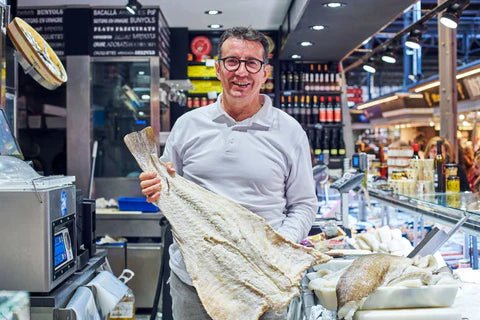
At Bacalalo, we've been at Mercat del Ninot in Barcelona since 1990, selecting seafood products with the discerning eye of someone who knows them firsthand. We don't sell any can that wouldn't meet our own standard.
Contents
- What is Albacore Tuna
- Albacore Tuna vs. Skipjack Tuna: The Real Differences
- Belly vs. Loin: The Difference You Should Know
- Olive Oil vs. Sunflower Oil: It Matters More Than You Think
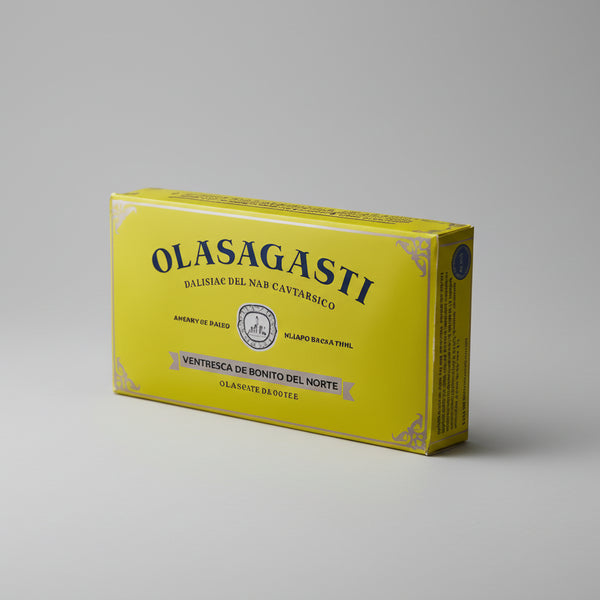
- Olasagasti: An Industry Benchmark
- How to Choose a Good Can of Albacore Tuna
- How to Use Canned Albacore Tuna: Recipes and Uses
What is Albacore Tuna
Albacore tuna is Thunnus alalunga, also known as white tuna. It is a medium-sized tuna that migrates through the North Atlantic and the Bay of Biscay during the summer months, especially between June and October.
What distinguishes albacore tuna from other tunas is fundamentally the flesh: whiter, firmer, with a higher fat content and a texture that resists the cooking and canning process without falling apart. This is why it is called "white tuna" in some international markets — its flesh is visibly paler than that of bluefin or skipjack tuna.
The Season: Why it Matters
Albacore tuna is a seasonal product. The fishing season in the Cantabrian Sea is concentrated between June and October. Outside of this window, there is no fresh albacore tuna in the Cantabrian Sea — or it is available in very small quantities and in other fishing grounds.
The best artisanal canneries work exclusively with seasonal albacore tuna caught in the Cantabrian Sea using selective fishing gear (rod and line, not trawling nets). This selectivity ensures that the specimens arrive at the cannery in perfect condition, without the stress or physical damage caused by net fishing.
Albacore Tuna vs. Skipjack Tuna: The Real Differences
This comparison causes the most confusion in the market. "Tuna in oil" can be many things. "Albacore tuna in oil" is a very specific thing.
| Characteristic | Albacore Tuna | Skipjack Tuna |
|---|---|---|
| Species | Thunnus alalunga | Thunnus albacares or Katsuwonus pelamis |
| Meat color | White-ivory | Pinkish-red |
| Fat | High (especially in summer) | Lower |
| Texture | Firm, stays in chunks | Variable (can flake more easily) |
| Origin | North Atlantic / Bay of Biscay | Atlantic, Indian, Pacific |
| Price | Medium-high | Low-medium |
| Flavor | Mild, delicate, with sweet notes | More intense, less delicate |
| Ideal Use | Direct consumption (canned, salad, with tomato) | Cooking, sauces, fillings |
Belly vs. Loin: The Difference You Should Know
Within albacore tuna, there are two parts with very distinct profiles:
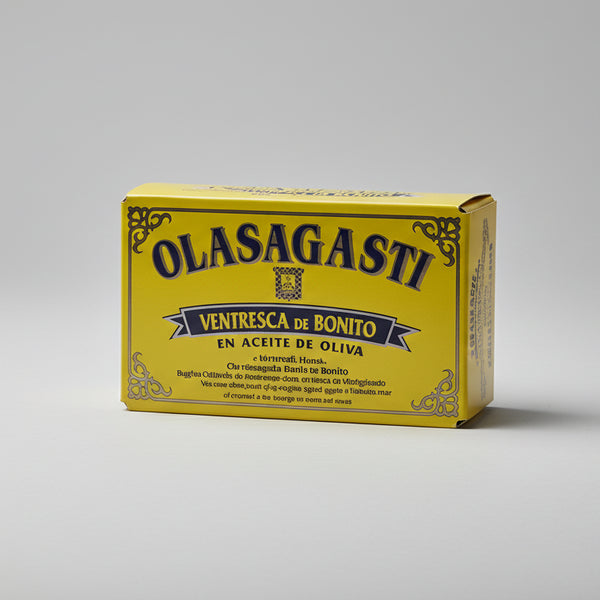
Belly (or ventresca)
The belly is the ventral part of the fish, the abdominal area. It is the fattiest, softest part, with an almost buttery texture. It flakes slightly when pressed with a fork — not because it is low quality, but because that is its nature.
The belly is the premium cut among premium cuts. It is used for direct consumption: straight from the can with oil, on bread, in a simple salad where it is the star. It is not the cut for making sauces or stews — its delicate texture cannot withstand it.
Price: significantly higher than the loin. A can of artisanal belly can cost between €10 and €20 depending on the producer and format.
Loin
The loin is the dorsal muscle, leaner, firmer. It stays in chunks when you open the can, has more body, and is more versatile in cooking. Perfect for salads with more ingredients, for mixing with potatoes, tomatoes, or peppers.
Price: lower than the belly, with a better quantity/price ratio for culinary uses.
Neck (Morrillo)
The morrillo is the muscle from the tuna's neck. It is the scarcest cut and the most valued by some palates: very gelatinous, with a unique texture. It is not always available as a separate preserve — some canneries include it in their most exclusive offerings.
Related products from Bacalalo


Recommended Products

Fresh Coastal Sardines - Pack of 4 Pieces | ...
€2.95

Whole Gourmet Extra Center Loin Cured Tuna - ...
€95.00

Natural Cockles 30/40 Pieces - 111g | Ba...
€7.95

Albacore Tuna Loins in Olive Oil Jar...
€13.95
Refrigerated shipping 24-48h throughout the Peninsula
Olive Oil vs. Sunflower Oil: It Matters More Than You Think
Canning oil is not a neutral element. It acts as a preservative but also as a flavor component and part of the final result when you drain or use the oil in your dish.
Extra virgin olive oil: provides fruity and vegetal notes that complement the tuna. The resulting oil from the can is perfectly usable for dressing salads or making bread with tomato. It is the option of quality artisanal canneries.
Mild olive oil (not extra virgin): more neutral. Less flavor interference, but also less contribution. It is an intermediate option used by many mid-level canneries.
Sunflower oil: completely neutral, but without gastronomic contribution. It is used to reduce costs. In a quality preserve, sunflower oil is an indicator that the producer prioritizes price over experience.
The rule: if the can says "olive oil" without specifying "virgin" or "extra virgin," it could be refined lampante olive oil or pomace oil. Always look for "extra virgin" on the label.
Olasagasti: An Industry Benchmark
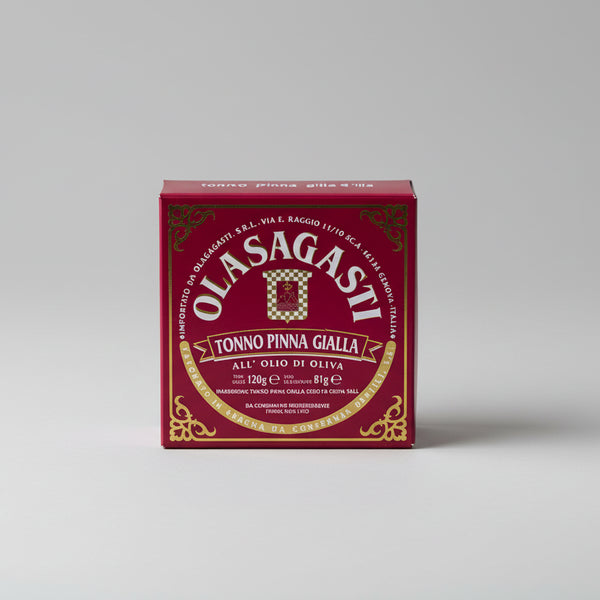
Among Basque artisanal canneries, Olasagasti is one of the most recognized brands with the widest distribution in gourmet stores.
It is a family-owned Basque company with decades of experience, working exclusively with albacore tuna caught in the Cantabrian Sea during the season, using selective fishing techniques. Their preserves are prepared in their own cookers, without intermediaries, and are packed in extra virgin olive oil.
What distinguishes Olasagasti (according to public information, Feb 2026):- Pole-and-line fishing (selective, no nets)
- Steam cooking before canning
- Extra virgin olive oil
- No artificial colors or preservatives
- Product lines: loin, belly, neck
Olasagasti is a valid reference for understanding the quality standard of artisanal albacore tuna preserves. It is not the only brand of this level, but it is one of the best known outside the Basque Country.
Information based on public sources (producer's website, specialized press, Feb 2026).
How to Choose a Good Can of Albacore Tuna
Quick checklist:
Read the label:- Species: It should say Thunnus alalunga. If it just says "tuna" without specifying the species, be suspicious.
- Oil: Look for "extra virgin olive oil." Avoid generic "vegetable oil."
- Origin: "Cantabrian Sea" or "North Atlantic" are good indicators. "Atlantic" or "Pacific" without further detail, less so.
- Additives: The fewer, the better.
Price as an indicator: A can of quality artisanal albacore tuna cannot cost €2. The cost of the raw material, the fishing season, the artisanal process, and the quality oil are necessarily reflected in the price. A reference between €4 and €8 for a loin, and €10 or more for belly, is to be expected.
Brand matters: Canneries with artisanal tradition in the Basque Country (Olasagasti, Ortiz, Serrats, Conservas Artesanas...) have a history that supports their process. Supermarket private labels can rarely offer the same level of control.
How to Use Canned Albacore Tuna: Recipes and Uses
Direct consumption (the most honest way)
Open the can. Drain lightly if preferred. Serve with:- Bread with tomato (Catalan pa amb tomàquet) and a drizzle of olive oil
- Rye bread with butter
- Cracker or toast as is
Artisanal albacore tuna needs nothing more than a neutral base.
Classic Albacore Tuna Salad
Sliced ripe tomato + finely julienned onion + albacore tuna + Manzanilla olives + extra virgin olive oil + salt. No vinegar if the tuna is good — its own natural acidity balances the whole.
With Boiled Potatoes
Steamed potatoes, still warm, sliced + tuna + spring onion + green pepper + olive oil. A simple and complete seafood salad.
In a Pepito or Sandwich
Albacore tuna + grated tomato + roasted pepper + a little homemade mayonnaise (optional). The tuna sandwich is one of the most underrated sandwiches in Spanish cuisine.
Belly with Piquillo Peppers
A classic of Basque cuisine: albacore tuna belly straight from the can on roasted piquillo peppers. Nothing more. The combination of the fatty tuna belly with the sweetness of the piquillo is perfect.
Pasta with Albacore Tuna
Al dente spaghetti or penne + sautéed garlic and chili in olive oil + fresh or cherry tomatoes + albacore tuna added at the end (uncooked, just to warm through). Tuna pasta works much better with albacore tuna than with skipjack tuna due to its stronger flavor presence.
Frequently Asked Questions about Canned Albacore Tuna
1. How does albacore tuna differ from tuna belly? They are different species. Albacore tuna belly (Thunnus alalunga) is the abdominal part of white tuna: very fatty, very delicate, with white flesh. Bluefin tuna belly (Thunnus thynnus) has red flesh and a more powerful flavor. Completely different profiles, although both are ventral parts of their respective tunas.
2. Does albacore tuna have more mercury than skipjack tuna? The mercury content in tunas is higher in larger and longer-lived specimens. Albacore tuna (Thunnus alalunga) generally has lower mercury levels than bluefin tuna, but comparable to or slightly higher than tropical skipjack tuna, which is smaller. Health recommendations regarding tuna consumption apply especially to pregnant women and young children — consult AESAN guidelines for updated information.
3. How long does canned albacore tuna last? An unopened can lasts between 3 and 5 years under optimal conditions (cool, dry place, away from direct light). Once opened, transfer to an airtight glass container with the oil from the can, refrigerate, and consume within 3-5 days.
4. What is "natural" albacore tuna vs. albacore tuna in oil? "Natural" means preserved in water or light brine, without oil. It has fewer calories but also less flavor and a poorer texture. It's drier. The version in oil is tastier and more versatile for direct culinary use.
5. Can canned albacore tuna be used for empanadas? Yes, although for empanadas it is more common to use light tuna (more economical and with higher yield). Artisanal albacore tuna in an empanada is a noticeable gastronomic upgrade: more flavor, better texture in the filling.
6. Is Olasagasti the best albacore tuna brand? It is one of the most recognized brands. Other brands such as Ortiz, Serrats, Güeyu Mar or smaller canneries from the Cantabrian Sea also have an excellent level of quality. The "best" depends on personal taste and availability.
7. Can the oil from the tuna can be used? Yes, and in quality preserves (extra virgin olive oil), it is an oil with a tuna flavor that works well for dressing salads, making pa amb tomàquet, or dipping bread. In preserves with sunflower oil, the culinary use of the leftover oil is less appealing.
8. Is seasonal albacore tuna better than off-season tuna? Yes, notably. Tuna caught in its natural season (June-October in the Cantabrian Sea) has a higher fat content and a better flavor profile. Artisanal preserves that specify "seasonal" and "campaign year" on the label guarantee this criterion.
9. Is albacore tuna belly suitable for grilling? Fresh tuna belly is excellent grilled or baked. But we are talking about preserved tuna belly — in that case, it does not need additional cooking. It is consumed directly, at room temperature, as it comes out of the can.
10. Where to buy artisanal albacore tuna in Barcelona? At Mercat del Ninot, Bacalalo has been selecting albacore tuna preserves with strict quality criteria since 1990. We also offer online shipping throughout Spain.
Conclusion
Canned albacore tuna is one of the most underestimated products in the Spanish pantry. A good can — correct species, Cantabrian season, extra virgin olive oil, artisanal process — is a first-class gastronomic product that needs no elaborate preparation to stand out.
The difference between a 2€ supermarket can and an artisanal albacore tuna can is not just about price. It's about species, process, flavor, and texture. Once you've tried quality albacore tuna, it's hard to go back.
At Bacalalo, we select preserves with these criteria. Since 1990, the same standards.
View premium preserves at Bacalalo
Discover more