Summary: Oven-baked sardines are the perfect alternative for those who want to enjoy this extraordinary oily fish without the smoke and splattering of a grill. The oven cooks the sardines evenly, leaving them crispy on the outside and juicy on the inside, with minimal effort and easy clean-up...
Table of Contents
- Oven-Baked Sardines: The Easiest and Cleanest Way to Cook Them
- Ingredients for Oven-Baked Sardines (4 servings)
- How to Clean Sardines
- Step-by-Step Recipe: Classic Oven-Baked Sardines
- Exact Cooking Times by Size
- Tips to Avoid Sardine Smell in Your Home
- 4 Variations of Oven-Baked Sardines
- Fresh Sardines vs. Canned Sardines
- Nutritional Benefits of Sardines
- Ideal Accompaniments
- Storage and Final Tips
- Frequently Asked Questions
- Conclusion
Oven-Baked Sardines: The Easiest and Cleanest Way to Cook Them
Oven-baked sardines are the perfect alternative for those who want to enjoy this extraordinary oily fish without the smoke and splattering of a grill. The oven cooks the sardines evenly, leaving them crispy on the outside and juicy on the inside, with minimal effort and much easier clean-up.
In this guide, we give you the complete recipe with exact cooking times depending on the size of the sardines, tips to minimize the smell in your home, and various ways to prepare them that elevate this humble fish to gourmet status.
Ingredients for Oven-Baked Sardines (4 servings)
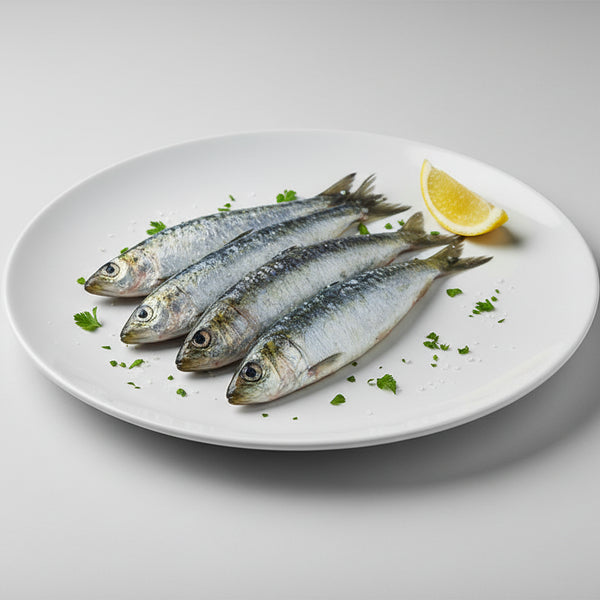
- 1 kg fresh sardines (8-12 pieces depending on size)
- 4 tablespoons extra virgin olive oil
- 3 cloves garlic, thinly sliced
- 1 lemon (juice + slices)
- Coarse or flaked salt
- Fresh parsley, chopped
- Freshly ground black pepper
Optional ingredients
- Breadcrumbs (for breaded oven-baked sardines)
- Green pepper and onion (for sardines on a bed of vegetables)
- Cherry tomatoes
- White wine
How to Clean Sardines
Cleaning is quick if you follow these steps:
- Scales: Scrape the knife against the scales from tail to head under running water.
- Guts: Make an incision in the belly and remove the entrails with your finger. Rinse well.
- Head (optional): You can leave it on or remove it. With the head on, sardines retain moisture better.
- Dry thoroughly: This step is key. Wet sardines = sardines that won't brown. Dry them with paper towels.
Related products from Bacalalo


Step-by-Step Recipe: Classic Oven-Baked Sardines
- Preheat the oven to 220°C (425°F) with top and bottom heat. High temperature is essential for them to brown quickly without drying out.
- Prepare the baking sheet: Line a baking sheet with parchment paper or aluminum foil (makes clean-up easier). Lightly grease with a little oil.
- Arrange the sardines: Place them in a single layer, without overcrowding. Leave space between them for air to circulate.
- Season: Drizzle with olive oil. Season with coarse salt, pepper, sliced garlic, and a few drops of lemon juice.
- Bake: Place in the oven at mid-height.
Exact Cooking Times by Size
This is the most sought-after information and the one that most affects the result. The cooking time depends directly on the size of the sardine:
- Small sardines (less than 15 cm / 6 inches): 8-10 minutes at 220°C (425°F).
- Medium sardines (15-20 cm / 6-8 inches): 12-15 minutes at 220°C (425°F).
- Large sardines (more than 20 cm / 8 inches): 15-18 minutes at 220°C (425°F).
Visual indicator: Sardines are ready when the skin is golden and crispy, and the flesh separates easily from the bone with a fork. If you touch the sardine with your finger and notice the skin has tightened and is firm, they are perfectly cooked.
Common mistake: Overcooking them. An overcooked sardine is a dry sardine. It's better to undercook and return to the oven for 2 more minutes than to overcook.
Tips to Avoid Sardine Smell in Your Home
This is probably the biggest deterrent to cooking sardines at home. Here are the tricks that really work:
- Cross-ventilation: Open opposing windows before you start cooking, not after.
- Lemon in the oven: Place half a sliced lemon on the baking sheet alongside the sardines. The citric acid neutralizes some of the smell.
- Vinegar: Put a bowl with water and white vinegar inside the oven while cooking. It absorbs odors.
- Aromatic herbs: Rosemary and thyme on the baking sheet not only add flavor but also mask the smell.
- Extractor fan: Turn it on to maximum 5 minutes before putting the sardines in the oven.
- Immediate cleaning: Clean the baking sheet and oven as soon as you finish. The smell adheres to cold grease.
4 Variations of Oven-Baked Sardines
1. Oven-baked sardines with potatoes
Slice potatoes thinly (3 mm / 0.1 inch), arrange them on the baking sheet with oil, salt, and garlic, and bake for 20 minutes at 200°C (400°F). Place the sardines on top and bake for another 12-15 minutes. The potatoes absorb the sardine juices and are incredible.
2. Oven-baked sardines with vegetables
Create a bed of sliced onion, green pepper, tomato, and zucchini. Season with oil and salt, bake for 15 minutes, then place the sardines on top. The combination makes a complete and healthy dish.
3. Breaded oven-baked sardines
Butterfly the sardines (boneless), spread with Dijon mustard, and cover with a mixture of breadcrumbs, minced garlic, parsley, and lemon zest. Bake for 10-12 minutes. They come out crispy without frying.
4. Oven-baked sardines with paprika
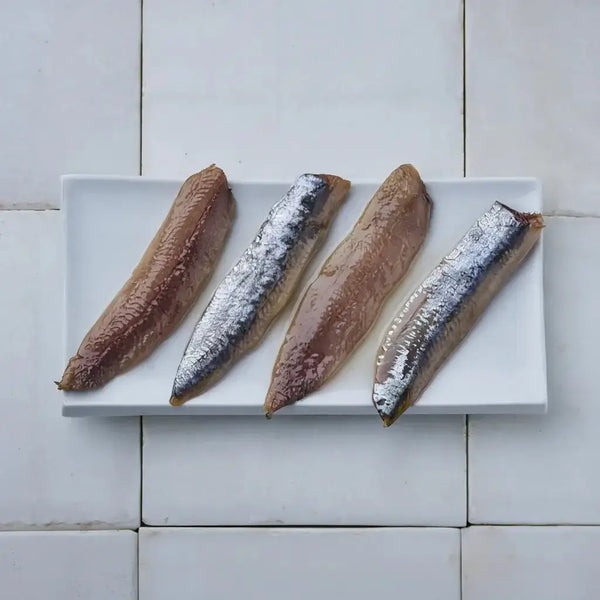
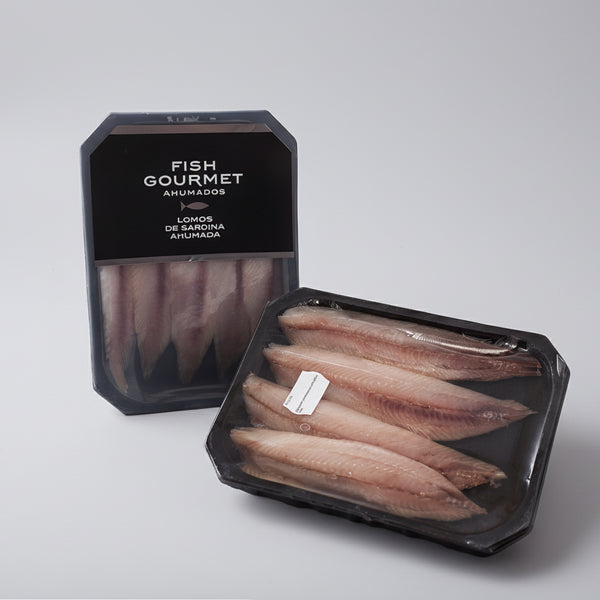
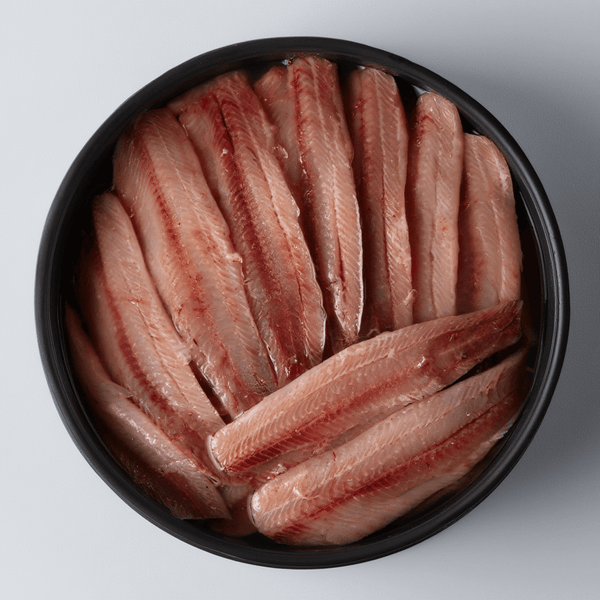
Mix olive oil with "pimentón de la Vera" (sweet or spicy paprika), garlic powder, and a pinch of cumin. Brush the sardines with this mixture and bake as usual. The result has a spectacular smoky flavor. If you like a smoky touch, also try our smoked sardine fillets, which pair perfectly as a starter while the fresh sardines bake.
Fresh Sardines vs. Canned Sardines
Both are excellent but serve different purposes:
- Fresh, oven-baked: Ideal as a main course. Powerful flavor and unparalleled texture.
- Canned: Perfect for appetizers, toasts, and salads. Smoked sardine fillets are a true luxury on bread with tomato.
If you want to delve deeper into the world of canned sardines, our complete guide to canned sardines will help you choose the best ones. And if you're wondering about the different types and brands, don't miss our comparison of canned sardines: types, how to choose, and best brands.
Nutritional Benefits of Sardines
Sardines are one of the most nutritionally complete oily fish:
- Omega-3: Up to 2g per 100g. Reduce inflammation and protect the heart.
- Vitamin D: One serving covers 70% of daily needs.
- Calcium: If you eat the bones (they are soft when baked), one serving provides more calcium than a glass of milk.
- Protein: 20g per 100g of sardine.
- Low in mercury: Being small, short-lived fish, they accumulate very little mercury.
Sardines, along with other oily fish, are one of the foods most recommended by nutritionists for a balanced diet.
Ideal Accompaniments
- Green salad: The acidity of a vinaigrette contrasts perfectly with the fat of the sardine.
- Bread with tomato: The classic Catalan pa amb tomaquet is the ideal companion.
- Boiled potatoes: With a drizzle of oil and parsley.
- Pimientos de Padrón: Another classic tapa that combines perfectly.
- White rice: To make it a more substantial dish.
Storage and Final Tips
Fresh sardines should be cooked on the same day of purchase. They are the fish that least tolerates waiting. If you are not going to cook them immediately, clean and store them in the refrigerator covered with ice or on a rack.
Oven-baked sardines can be reheated the next day in the oven at 180°C (350°F) for 5 minutes, but they will always be best freshly made.
To always have sardines available without freshness worries, keep some good Dardo sardines in olive oil in your pantry: open, serve on toast, and you have a gourmet appetizer in seconds. Another interesting option is sardines in tomato sauce, perfect for those who prefer a milder flavor with the sweet touch of tomato.
Frequently Asked Questions
How long do you bake sardines for?
It depends on the size: small sardines (less than 15 cm) need 8-10 minutes at 220°C, medium (15-20 cm) 12-15 minutes, and large (more than 20 cm) 15-18 minutes. The skin should be golden and crispy.
How can I prevent sardine smell when cooking them in the oven?
Open windows before cooking, place half a lemon and aromatic herbs on the baking sheet, put a bowl with water and vinegar inside the oven, and clean the baking sheet immediately after cooking.
At what temperature are sardines cooked in the oven?
The ideal temperature is 220°C with top and bottom heat. High temperature is key for them to brown quickly on the outside without losing their juiciness inside.
Is it necessary to clean sardines before baking them?
Yes, it is essential. You must remove the scales, guts, and optionally the head. Furthermore, it is crucial to dry them thoroughly with paper towels so they brown correctly in the oven.
Can you bake sardines without them drying out?
Yes. The trick is not to overcook them: control the time according to their size, use a high temperature (220°C) for quick cooking, and drizzle generously with olive oil before baking. You can also leave the head on, which helps retain moisture.
Can oven-baked sardines be eaten with bones?
Yes. When baked, the central bones soften slightly and are edible (they provide calcium). However, the large bones of large sardines can be bothersome. If you prefer, butterfly them and remove the central bone before baking.
Can oven-baked sardines be prepared with aluminum foil?
Yes. You can line the baking sheet with aluminum foil for easy clean-up, or wrap the sardines en papillote (in aluminum packets) with vegetables and white wine for a gentler, odorless steam cooking.
How many sardines per person?
As a main course, estimate 250-300g per person, which is equivalent to 3-4 medium sardines or 2-3 large ones. As a starter, 2 sardines per person is enough.
Related products from Bacalalo

Conclusion
From Mercat del Ninot in Barcelona, we have been selecting the best seafood products for over 35 years. If this guide has been useful to you, explore our catalog at bacalalo.com and receive the same quality at home that we have been selling in the market since 1990.